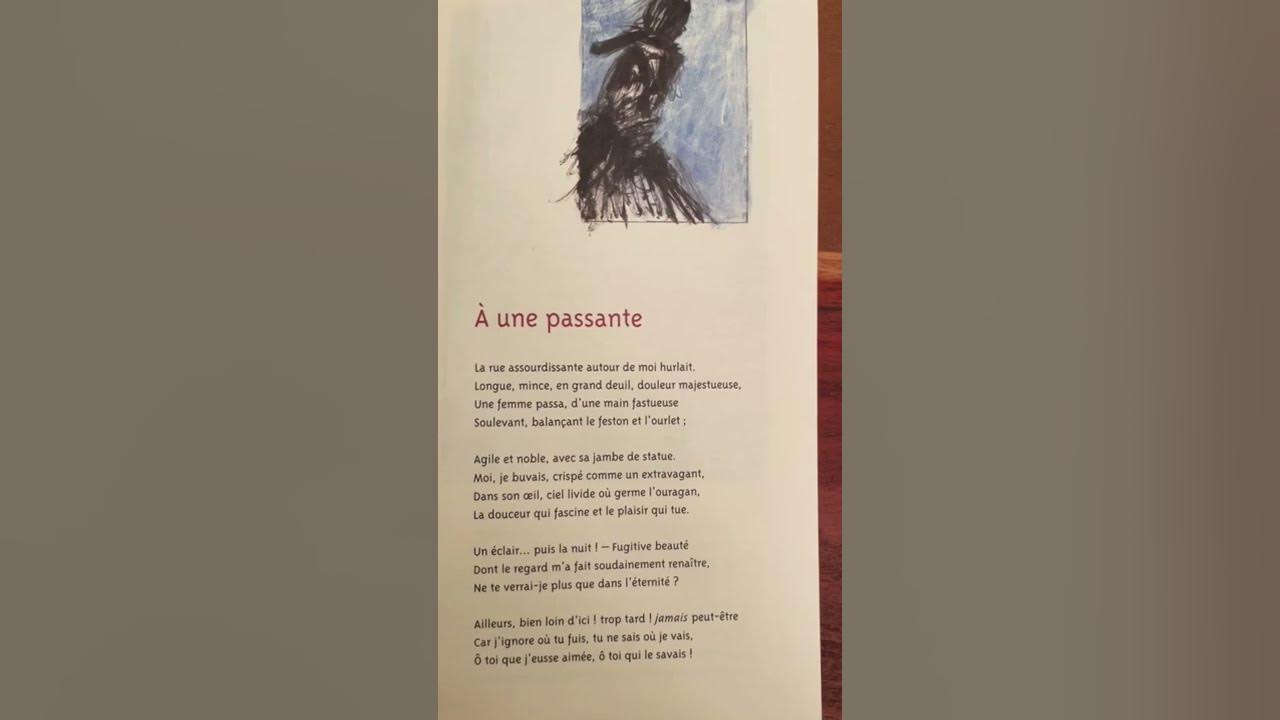
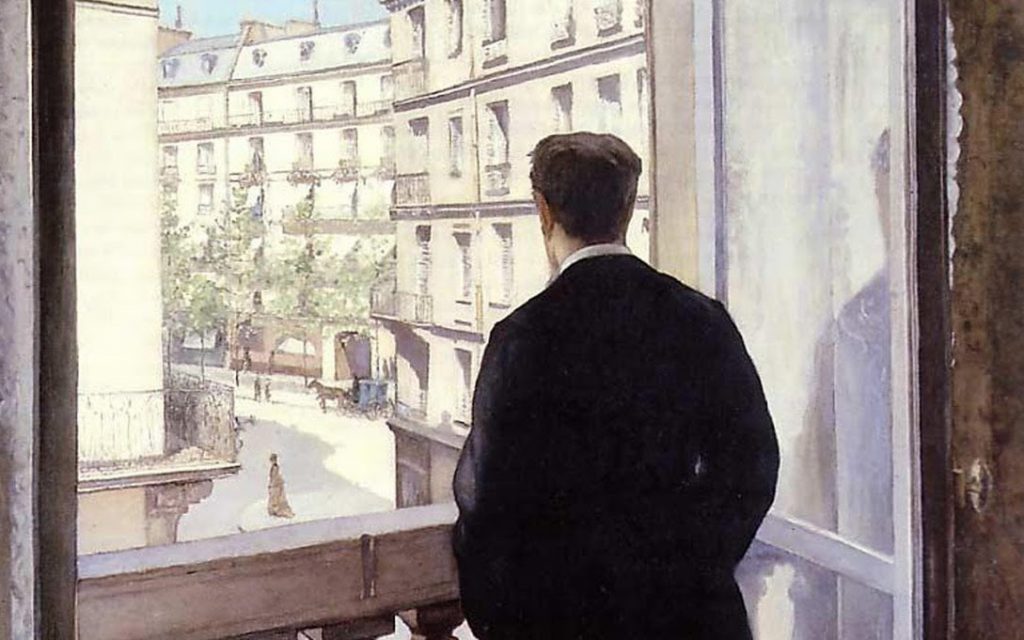
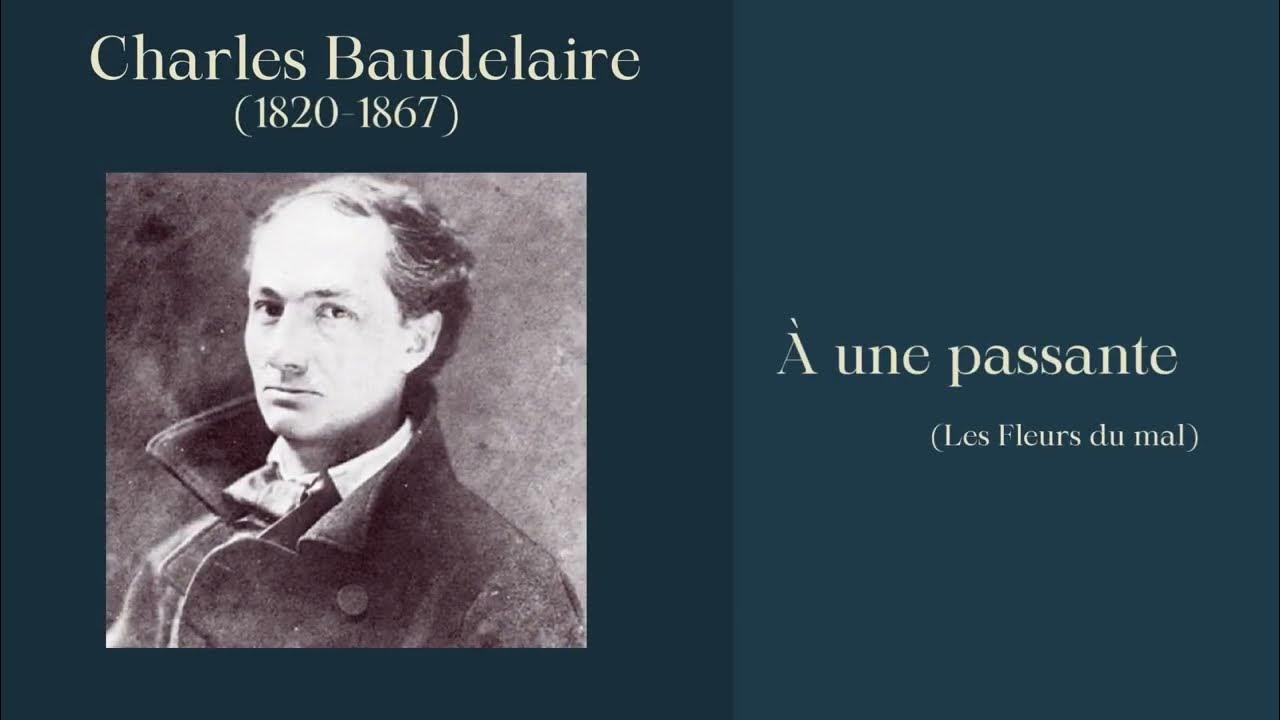
Ah, Baudelaire! The king of spleen, the poet of Parisian grime, the master of melancholy... and apparently, a man easily distracted by a pretty face. We're diving headfirst into his famous (and slightly creepy, let's be honest) poem, "À une Passante" – "To a Passerby." Get ready for a wild ride through fleeting glances, lost loves, and enough existential angst to fill the Seine!
The Setup: A Parisian Street Scene
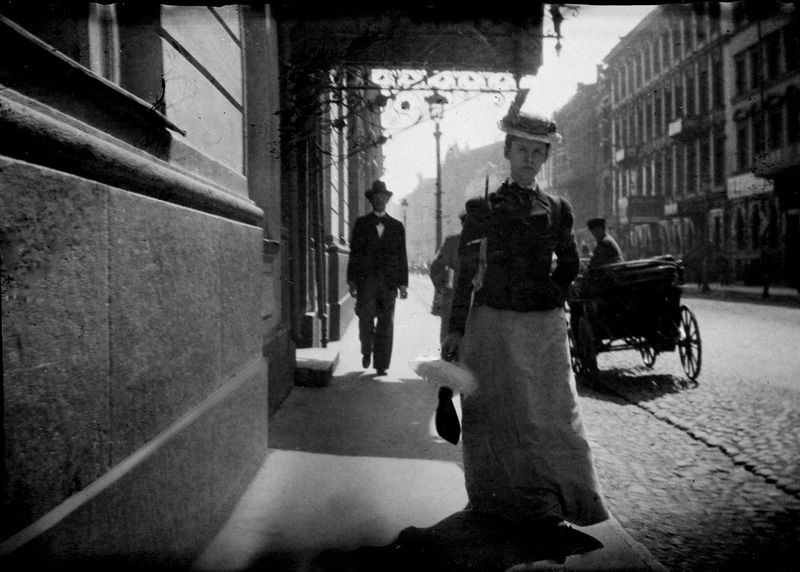
Picture this: it’s Paris. Mais oui! Cobblestone streets, gas lamps flickering (probably malfunctioning, because, you know, French infrastructure), and a dense crowd of people bustling about like ants at a picnic. Baudelaire, our moody protagonist, is probably lurking in a corner, nursing a glass of absinthe and contemplating the futility of existence. You know, just a typical Tuesday for him.
Suddenly, amidst the urban chaos, BAM! He sees her. La Passante. The Passerby. And not just any passerby, mind you. This woman is clearly operating on a whole different level of femme fatale. We’re talking about a woman who could stop traffic, inspire revolutions, and probably get away with stealing the Mona Lisa just by batting her eyelashes.
The All-Important Glance
It all happens in a fleeting moment. A glance. A connection. A potential meet-cute that sadly goes nowhere. Baudelaire, being Baudelaire, doesn't actually do anything about it. He just stares, analyzes, and then writes a poem about her, forever immortalizing her as "the one that got away."
Let’s break down the key elements, shall we? Think of it like dissecting a particularly dramatic onion. Prepare for some tears (of laughter, hopefully!).
Analyzing the Poem: A Deep (and Hilarious) Dive
Okay, let's unpack this literary gem. We'll try to keep it light, folks. No need to get all stuffy and academic on me now.
The Woman Herself: A Vision in Black
Baudelaire describes the woman as being in mourning, dressed in black. Now, you might think, "Oh, poor thing, she's grieving!" But knowing Baudelaire, it's probably more about the mystique and the drama. Black is chic, black is mysterious, black is the colour of poets brooding in dimly lit cafes. It's all very on-brand for him.

- "Longue, mince, en grand deuil, douleur majestueuse," (Tall, slender, in deep mourning, majestic sorrow). Okay, so she's tall, she's thin, and she's rocking the grieving look. Majestic sorrow? Come on, Baudelaire, dial it down a notch! Was she auditioning for a role in a Greek tragedy or just heading to the grocery store?
- "Passant, d'une main agile soulevant, balançant / Le feston et l'ourlet de sa robe élégante" (Passing, with an agile hand lifting, swinging / The festoon and hem of her elegant dress). So she's also stylish! Agile hand lifting her dress? Probably trying not to trip over the cobblestones. Paris wasn't exactly known for its smooth sidewalks back then. More like a sprained ankle waiting to happen.
The Gaze: Lightning Bolts and Stunned Silence
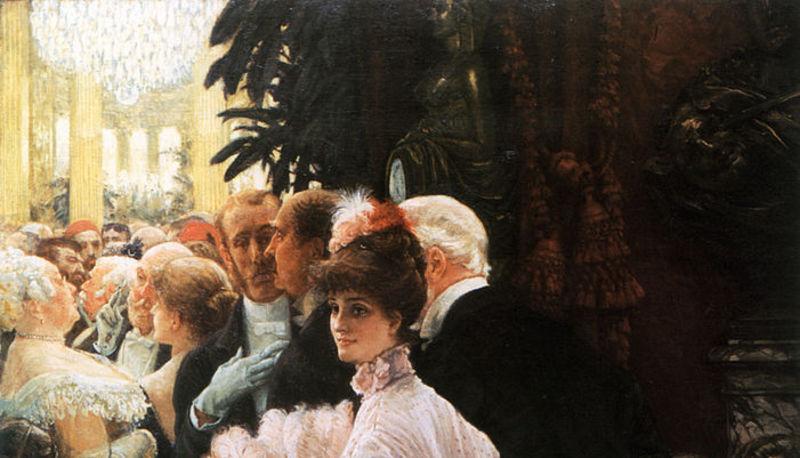
The exchange of glances is, of course, the crux of the whole poem. It's not just a look; it's a coup de foudre, a lightning strike of mutual attraction. At least, that's how Baudelaire perceives it. She might have just been checking to see if he was going to mug her. You never know in 19th-century Paris!
- "Agile et noble" (Agile and noble). He repeats this. It's clearly important. Maybe she's a secret ninja princess?
- "Ses jambes de statue" (Her statue-like legs). Okay, Baudelaire, ease up on the objectification! She's a person, not a marble sculpture. Though, I suppose statue-like legs are generally considered a compliment. Unless you're trying to run away from a lovesick poet.
- "Où brille le livide éclair de la beauté" (Where shines the livid flash of beauty). Livid flash? That sounds… painful. Maybe she needs to see a doctor? Or maybe Baudelaire just has a really dramatic way of describing good looks.
The Aftermath: Regret and Lost Opportunities
And then, just as quickly as she appeared, she's gone. Vanished into the Parisian throng, leaving Baudelaire to wallow in his regret. Did he try to talk to her? Nope. Did he follow her? Probably not (that would be creepy, even for Baudelaire). He just stood there, frozen in place, a statue of unrequited longing.
- "Fugitive beauté" (Fleeting beauty). He knows she's gone, probably forever. The drama! The despair! Pass the absinthe!
- "Dont le regard m'a fait soudain renaître" (Whose gaze suddenly made me reborn). Woah, dramatic much? A simple glance and you're a new man? Sounds like someone needs to get out more.
- "Ne te verrai-je plus que dans l'éternité?" (Shall I see you again only in eternity?). Oh, come on, Baudelaire! She probably just went to buy a baguette. You're acting like she ascended to heaven.
Themes and Meanings: Decoding the Baudelairean Mind
So, what's the point of all this? Is it just a poem about a guy who saw a pretty woman? Well, yes, but it's also about so much more! (Or, you know, maybe not. Maybe Baudelaire just had a thing for women in mourning. Who are we to judge?).
The Fleeting Nature of Beauty and Connection
The poem perfectly captures the ephemeral nature of beauty and the fleeting moments of connection that we experience in life. We see someone, we feel something, and then they're gone. It's a reminder that life is fleeting, and we should cherish those moments while they last. Or, at least, write a poem about them afterwards.
The Alienation of Modern Life
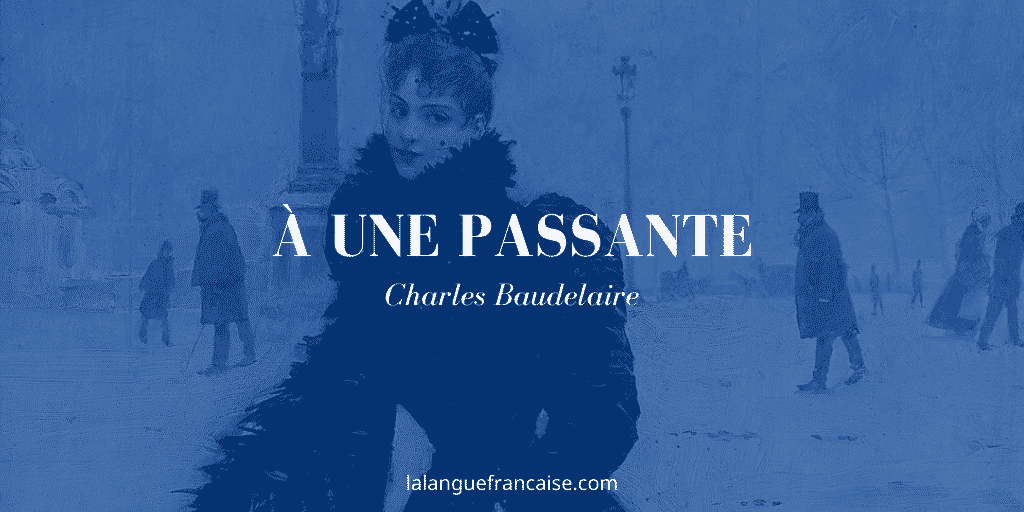
Baudelaire was obsessed with the idea of alienation and the isolation of modern life. In this poem, the crowded city represents the anonymity and disconnection that people feel in the urban environment. The woman is just another face in the crowd, but she represents a potential for connection that is ultimately lost.
The Power of the Gaze
The exchange of glances is the most important moment in the poem. It represents a moment of mutual recognition and connection between two strangers. The gaze is a powerful tool that can reveal hidden emotions and create a sense of intimacy. Or, you know, just make you feel awkward if someone stares at you for too long.
Is it Creepy? Let's be honest...
Okay, let's address the elephant in the room. Is this poem a little…creepy? Let's be honest, yes, it is. Baudelaire is essentially objectifying this woman and building her up into an unattainable ideal based on a single glance. He doesn't know anything about her, but he's already declaring her his soulmate (or something equally dramatic). It's the literary equivalent of catcalling, but with more eloquent language.
Modern Interpretations: What Does it Mean Today?
So, how does this poem resonate with us today? In a world of dating apps and social media, do we still experience those fleeting moments of connection with strangers? The answer is probably yes. We still see people who catch our eye, who spark our interest, and who make us wonder "what if?"

The Instagram Effect
In the age of Instagram, we're constantly bombarded with images of beautiful people. We see their carefully curated lives, their perfect smiles, and their flawless outfits. It's easy to fall into the trap of idealizing these strangers and building them up in our minds. Just like Baudelaire did with his passerby.
Missed Connections: The Craigslist of Romance
Remember Craigslist "Missed Connections?" It's basically the modern-day equivalent of "À une Passante." People posting about that cute barista at Starbucks or that guy with the adorable dog on the subway. It's a testament to the enduring human desire for connection, even in the most fleeting encounters.
The Reality Check: They're Just People
Ultimately, it's important to remember that these people are just people. They have flaws, they have insecurities, and they're probably just as awkward as we are. Building them up into unattainable ideals is a recipe for disappointment. It's better to actually talk to them and find out who they really are. (Unless they're wearing too much black. Then maybe just write a poem about them).
Baudelaire: The Original Romantic Stalker? (Just Kidding… Mostly)
Okay, so maybe calling Baudelaire a stalker is a bit harsh. But let's face it, he definitely had a penchant for romanticizing fleeting encounters and turning them into epic sagas of unrequited love. He was the master of the "what if," the king of the missed connection, and the patron saint of hopeless romantics everywhere.

He probably would have been terrible at online dating. Can you imagine his profile? "Seeking a woman in mourning, preferably with statue-like legs. Must enjoy long walks through cemeteries and existential angst. No selfies, please." Yeah, good luck with that, Charles.
In Conclusion: A Wink and a Nod
So, what have we learned from "À une Passante"? That Baudelaire was a brilliant poet? Absolutely. That he was a bit of a drama queen? Definitely. That he probably needed to get out of the house more? Most likely. But more importantly, we've learned that even the most fleeting encounters can have a profound impact on us.
So, the next time you see someone who catches your eye, don't just stand there and stare. Say hello! Strike up a conversation! You never know, you might just find your own Passante. Or, at the very least, you'll have a good story to tell. Just try not to write a creepy poem about her afterwards. Unless she's really into that sort of thing. (But seriously, don't).
And remember, if you ever find yourself wandering the streets of Paris, dressed in black and feeling particularly majestic, watch out for lurking poets. They might just immortalize you in a poem. And who knows, you might just become the subject of a future article. C'est la vie!






![À une Passante [Charles BAUDELAIRE : Les Fleurs du Mal] - YouTube](https://i.ytimg.com/vi/hACvjXSlIsg/maxresdefault.jpg)