
Ah, la France! Land of romance, croissants, and… complex legal codes? Fear not, dear reader, because today we’re demystifying a piece of the Code Civil that touches more lives than you might think: Article 815. Think of it as your guide to harmonious shared ownership, or, more realistically, how to navigate the occasional family drama that inevitably arises when multiple people own the same thing. Prêt?
L'Indivision: What's the Buzz?
Article 815 is all about l'indivision, which translates roughly to "undivided ownership" or "joint ownership." Imagine you inherit a charming little house in the Dordogne with your siblings. Or perhaps you and your partner buy a chic Parisian apartment together, but aren't married or PACSés (in a civil partnership). That, my friends, is l'indivision in action.
It essentially means that several people, called indivisaires, own the same asset together. It's like a shared plate of macarons - delicious, but potentially messy if everyone grabs at once. The key is that each indivisaire owns a fraction of the whole, not a specific physical part. So, you can't claim the master bedroom as your part of the house; you just own a percentage of the entire property.
Practical Tip: Understanding your share is crucial. This percentage determines your voting power in decisions about the property and your share of any profits or losses.
The Golden Rule: No One's Stuck Forever
Here’s the good news: Article 815 champions freedom! Its core principle is that no indivisaire can be forced to remain in l'indivision against their will. This is enshrined in the famous phrase: "Nul ne peut être contraint de rester dans l'indivision" (No one can be forced to remain in joint ownership). Think of it as the legal equivalent of saying "Au revoir!" to an unwanted situation. You have the right to exit, stage left.
Fun Fact: This principle of freedom is deeply rooted in French legal thought, reflecting a desire to avoid perpetual conflict and ensure individual autonomy.

How to Say "Au Revoir" to L'Indivision
So, how do you actually leave l'indivision? There are a few main avenues:
- Selling Your Share: You can sell your share to another indivisaire. Imagine your sibling wants to buy out your portion of that Dordogne house. This is often the simplest solution.
- Selling to a Third Party: You can also sell your share to someone completely outside the indivision. However, the other indivisaires generally have a right of first refusal (droit de préemption). They get the first shot at buying your share at the same price and terms. Think of it like offering your family the first slice of your favorite tarte tatin.
- Partitioning the Asset: This involves physically dividing the asset into separate, individually owned portions. This is often impossible for something like an apartment (unless you get really creative with power tools), but might be feasible for land.
- Selling the Entire Asset: If everyone agrees, you can sell the entire property and split the proceeds according to each indivisaire’s share. This requires unanimous consent, making it sometimes tricky to achieve in practice.
Practical Tip: Seek legal advice before attempting to sell your share. Understanding the droit de préemption and valuation issues is critical.
Managing the Shared Assets: Harmony (and Compromise) are Key
While you're still in l'indivision, decisions need to be made about managing the shared assets. Article 815 sets some ground rules, but common sense and good communication are even more important.
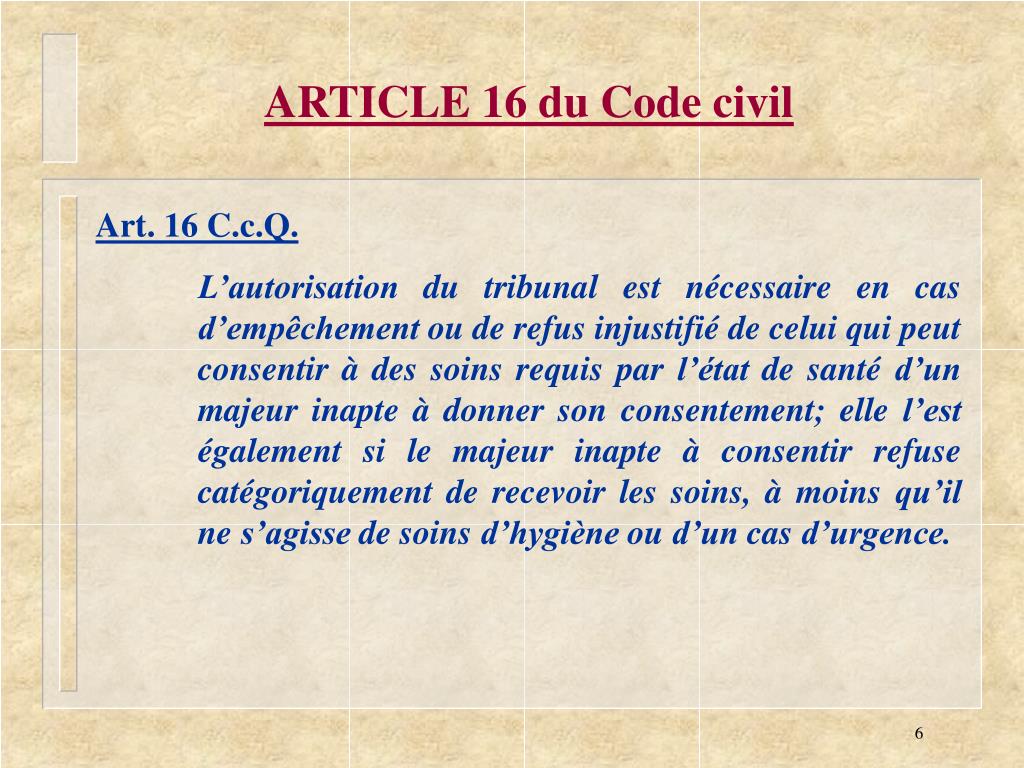
- Unanimous Consent for Important Decisions: Selling the property, taking out a mortgage, or making significant renovations generally requires unanimous consent from all indivisaires. This is where things can get sticky. Imagine trying to convince your notoriously indecisive cousin that the leaky roof really needs fixing.
- Majority Rule for Management Acts: For day-to-day management acts, like renting out the property or paying for routine repairs, a majority vote (based on share percentages) usually suffices.
- Designating a Manager: The indivisaires can agree to appoint one of themselves, or even an outside professional, to manage the property. This can streamline decision-making and reduce conflict. Think of it as hiring a property manager for your shared investment.
Cultural Reference: The French, despite their reputation for philosophical debates, often excel at finding practical solutions to shared problems. Remember, compromise is key! Channel your inner diplomat and prepare for some spirited discussions.
What if Someone is Being Unreasonable?
Let's face it, family dynamics can be… complicated. What happens if one indivisaire is blocking necessary repairs, refusing to contribute to expenses, or generally making life difficult? Fortunately, the legal system provides recourse.
- Seeking Judicial Authorization: If an indivisaire is obstructing necessary management acts, you can petition the court for authorization to proceed without their consent.
- Demanding an Accounting: You have the right to demand an accounting of how the property is being managed and how income is being distributed. This can help ensure transparency and fairness.
- Taking Legal Action: In extreme cases, you can take legal action to force the sale of the property and end the indivision. This is a last resort, but it’s an option if all else fails.
Practical Tip: Document everything! Keep records of all expenses, communications, and decisions. This will be invaluable if you ever need to take legal action.

The "Convention d'Indivision": A Preemptive Strike Against Drama
One of the smartest things you can do when entering into l'indivision is to create a convention d'indivision. This is a written agreement that outlines the rules for managing the shared assets, resolving disputes, and exiting the indivision. Think of it as a prenuptial agreement for shared property. It can save you a lot of headaches down the road.
A convention d'indivision can cover things like:
- The roles and responsibilities of each indivisaire.
- The procedure for making decisions about the property.
- The rules for selling shares or exiting the indivision.
- The process for resolving disputes.
Practical Tip: Consult with a notary or lawyer to draft a convention d'indivision that is tailored to your specific situation. A well-drafted agreement can prevent future conflicts and ensure a smoother experience.

Article 815: Beyond Inheritance
While Article 815 often comes into play with inherited property, it's important to remember that l'indivision can arise in other situations too:
- Purchasing Property with a Partner: As mentioned earlier, buying property with a partner without being married or PACSés creates an indivision.
- Divorce Proceedings: During a divorce, assets owned jointly by the couple may be subject to l'indivision until they are divided.
- Business Partnerships: Certain types of business partnerships can also be structured as indivisions.
Fun Fact: Even a lottery win shared amongst friends can create an indivision, leading to either joyful collaboration or hilarious disagreements!
Putting it all Together: Reflections on Shared Spaces and Shared Lives
Article 815, at its heart, is about navigating shared spaces and shared responsibilities. It reminds us that even in a society that values individual freedom, we often find ourselves intertwined with others, whether through family, partnerships, or shared investments. The legal framework provides a safety net, but the real key to a harmonious indivision lies in open communication, mutual respect, and a willingness to compromise.
Think about it: whether it’s sharing an apartment with roommates, collaborating on a group project, or co-owning a family heirloom, Article 815’s principles apply. Understanding the rights and obligations of all parties involved, establishing clear communication channels, and having a plan for resolving disagreements can make all the difference. So, the next time you find yourself sharing space, resources, or responsibilities, remember the spirit of Article 815 – strive for fairness, embrace compromise, and maybe, just maybe, you can avoid the legal equivalent of a family feud. And if not, at least you'll know your rights!











+%3D+la+liberté+contractuelle.jpg)

