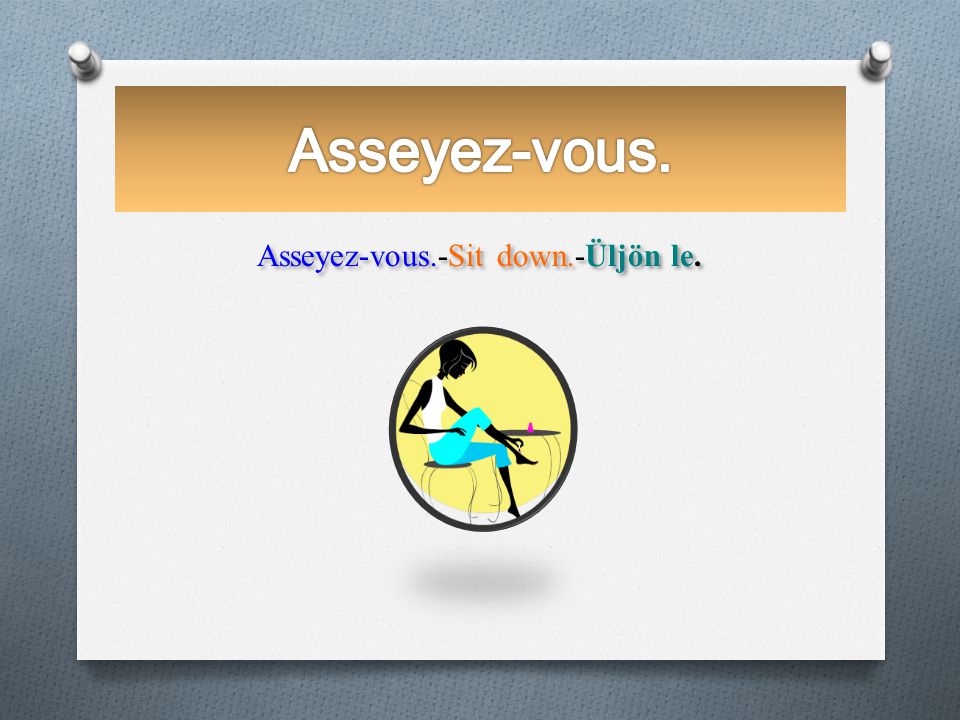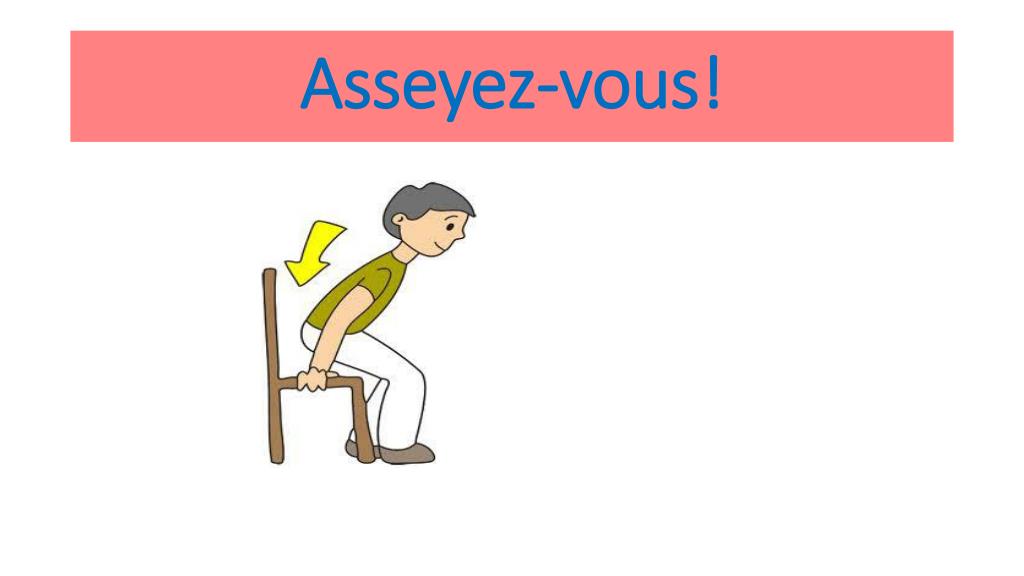
Ah, la dolce vita... or should I say, the vida tranquila? Imagine yourself basking in the Spanish sun, a chilled glass of tinto de verano in hand, the gentle rhythm of flamenco guitar drifting through the air. And someone says to you, with a warm smile, "Siéntate." Do you know what to do? Let's unravel the secrets of "Asseyez-vous en Espagnol"—or rather, how to say "sit down" like a true Spaniard!
Yes, you read that right! While "Asseyez-vous" is perfectly acceptable in French, we're diving headfirst into the sun-soaked world of Spanish. Get ready to ditch your beret for a sombrero (figuratively speaking, of course!).
The Core: Siéntate and its Companions
The most common and straightforward way to say "sit down" in Spanish is "Siéntate." It's the informal, familiar command you'd use with friends, family, or anyone you're on a first-name basis with. Think of it as the Spanish equivalent of "sit!" you might say to a beloved pet (though hopefully, you wouldn't bark it at your friends!).
But, as with all languages, there's more nuance than meets the eye. Spanish, particularly, is rich in formality and respect. So, what happens when you need to address someone with a little more deference?
Formalities and Politeness: Siéntese
Enter "Siéntese." This is the formal version of "sit down," used when addressing someone older than you, someone in a position of authority, or simply someone you don't know well. Picture yourself in a fancy restaurant, addressing the maître d', or perhaps in a business meeting with a potential client. In these situations, "Siéntese" is your go-to phrase. It shows respect and consideration.
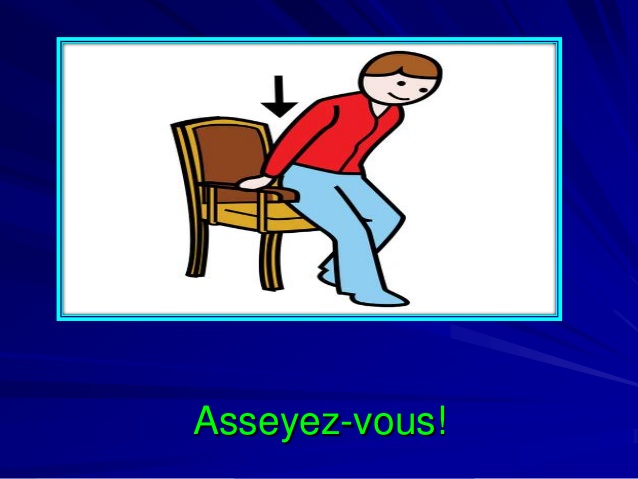
Group Dynamics: Sentaos and Siéntense (Plural)
Now, let's consider addressing a group. This is where things get a little regional, particularly when it comes to informal commands.
- Sentaos: This is the informal plural command used primarily in Spain. If you're talking to a group of friends in Madrid or Barcelona, "Sentaos, chicos!" (Sit down, guys!) is perfectly appropriate.
- Siéntense: This is the formal plural command, used in both Spain and Latin America. It's the safe bet if you're unsure about the level of formality required. Think of addressing a group of students, or a panel of judges.
- Siéntense (Latin America - informal): In much of Latin America, Siéntense also serves as the informal command for a group. So you could comfortably say to your group of friends "Siéntense!"
Key Takeaway: When in doubt, opt for Siéntense. It's universally understood and avoids any potential faux pas.
Beyond the Basics: Adding Flavor
Knowing how to say "sit down" is a good start, but adding a little flair to your Spanish can elevate your communication from functional to fabulous. Here are some phrases to spice things up:

- Toma asiento: This translates to "take a seat." It's a polite and welcoming way to invite someone to sit down. Imagine a host gesturing towards a comfortable chair and saying, "Por favor, toma asiento." (Please, take a seat.)
- Siéntate/Siéntese, por favor: Adding "por favor" (please) always adds a layer of courtesy, regardless of the formality level.
- ¿Quieres sentarte? / ¿Quiere sentarse?: These are questions: "Do you want to sit down?" Use the informal quieres with friends and family, and the formal quiere with those you need to show respect to.
Cultural Context: Body Language and Beyond
Spanish culture often places a high value on hospitality and respect. When inviting someone to sit down, consider your body language. A warm smile, a gentle gesture towards a chair, and a genuine tone of voice can all contribute to a welcoming atmosphere.
Also, remember that Spanish-speaking cultures often have a more relaxed attitude toward time and formality than some other cultures. Don't be surprised if a meeting starts a few minutes late, or if people engage in a bit of friendly conversation before getting down to business. Patience and a friendly demeanor are always appreciated.
Pronunciation Pointers: Sounding Like a Pro
Okay, you know the words, but how do you say them? Here's a quick pronunciation guide:
- Siéntate: See-en-tah-teh (the "e" at the end is a short "eh" sound)
- Siéntese: See-en-teh-seh (similar to "siéntate," but with an "seh" at the end)
- Sentaos: Sen-tah-os (the "os" sound is similar to "ohs")
- Toma asiento: Toh-mah ah-see-en-toh
Remember that the "i" in "siéntate" and "siéntese" sounds like the "ee" in "see". Practice saying these words aloud to get comfortable with the pronunciation. There are plenty of online resources, like Forvo, that can help you hear native speakers pronounce these phrases.
Fun Fact: The History of "Sentar"
The verb "sentar" (to sit) comes from the Latin word "sedere," which also gives us words like "sedentary" in English. Isn't it fascinating how language evolves and connects us to the past?

Putting it All Together: Scenarios and Examples
Let's imagine a few scenarios to solidify your understanding:
- Scenario 1: You're at a friend's house in Spain. They say, "Siéntate, por favor. ¿Quieres algo de beber?" (Sit down, please. Do you want something to drink?)
- Scenario 2: You're meeting with a new business contact in Mexico City. You say, "Buenos días, Señor/Señora. Siéntese, por favor." (Good morning, Sir/Madam. Please sit down.)
- Scenario 3: You're addressing a group of children in a classroom in Argentina. You say, "Siéntense, niños." (Sit down, children.)
A Moment of Reflection: Beyond Words
Learning how to say "sit down" in Spanish is more than just memorizing a few phrases. It's about understanding cultural nuances, showing respect, and connecting with people on a deeper level. It's about being present, observing the situation, and choosing the right words to create a positive interaction.
In our fast-paced world, taking a moment to simply "sit down" can be a powerful act. It's a chance to breathe, to connect with ourselves and others, and to appreciate the simple things in life. So, the next time you find yourself in a Spanish-speaking environment, remember the power of "Siéntate" or "Siéntese" – and use it with warmth, confidence, and a genuine smile. You'll be surprised at the connections you can make.