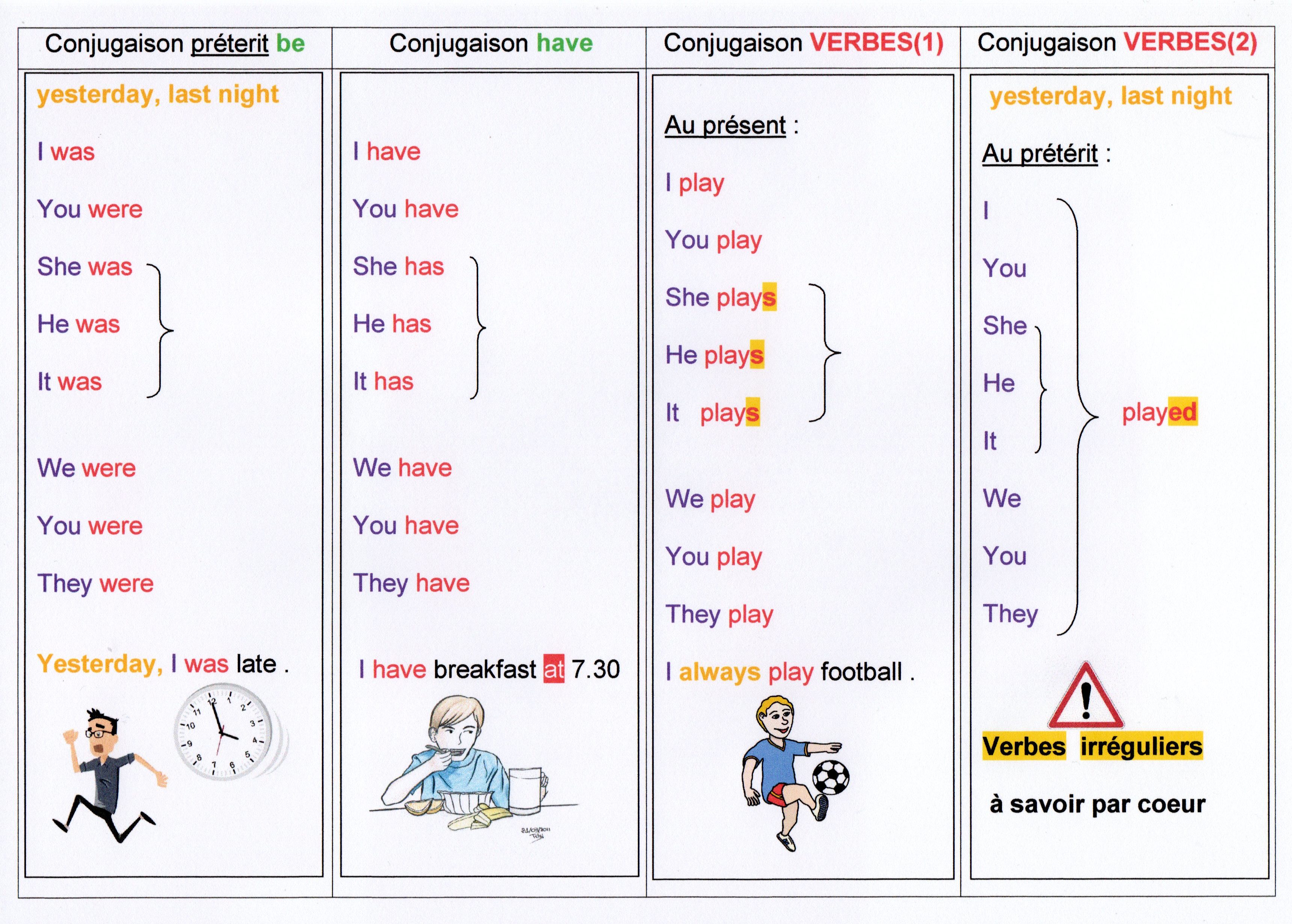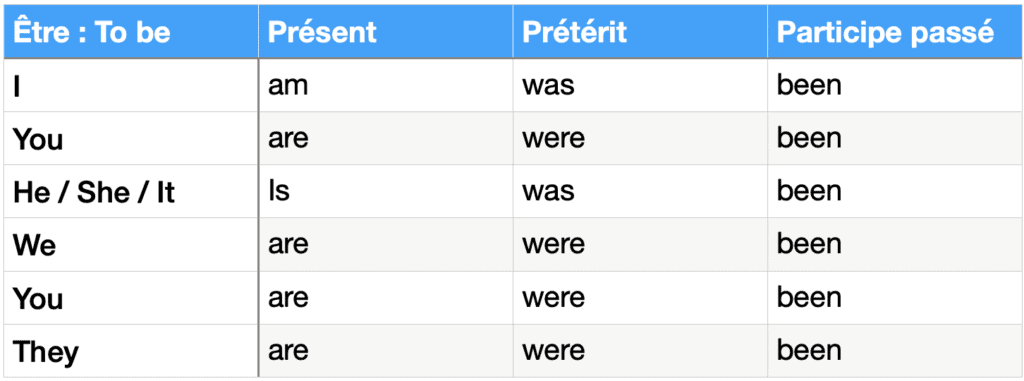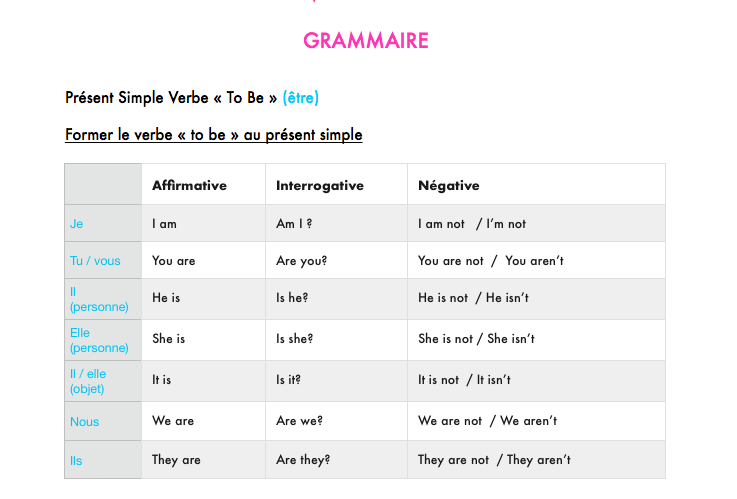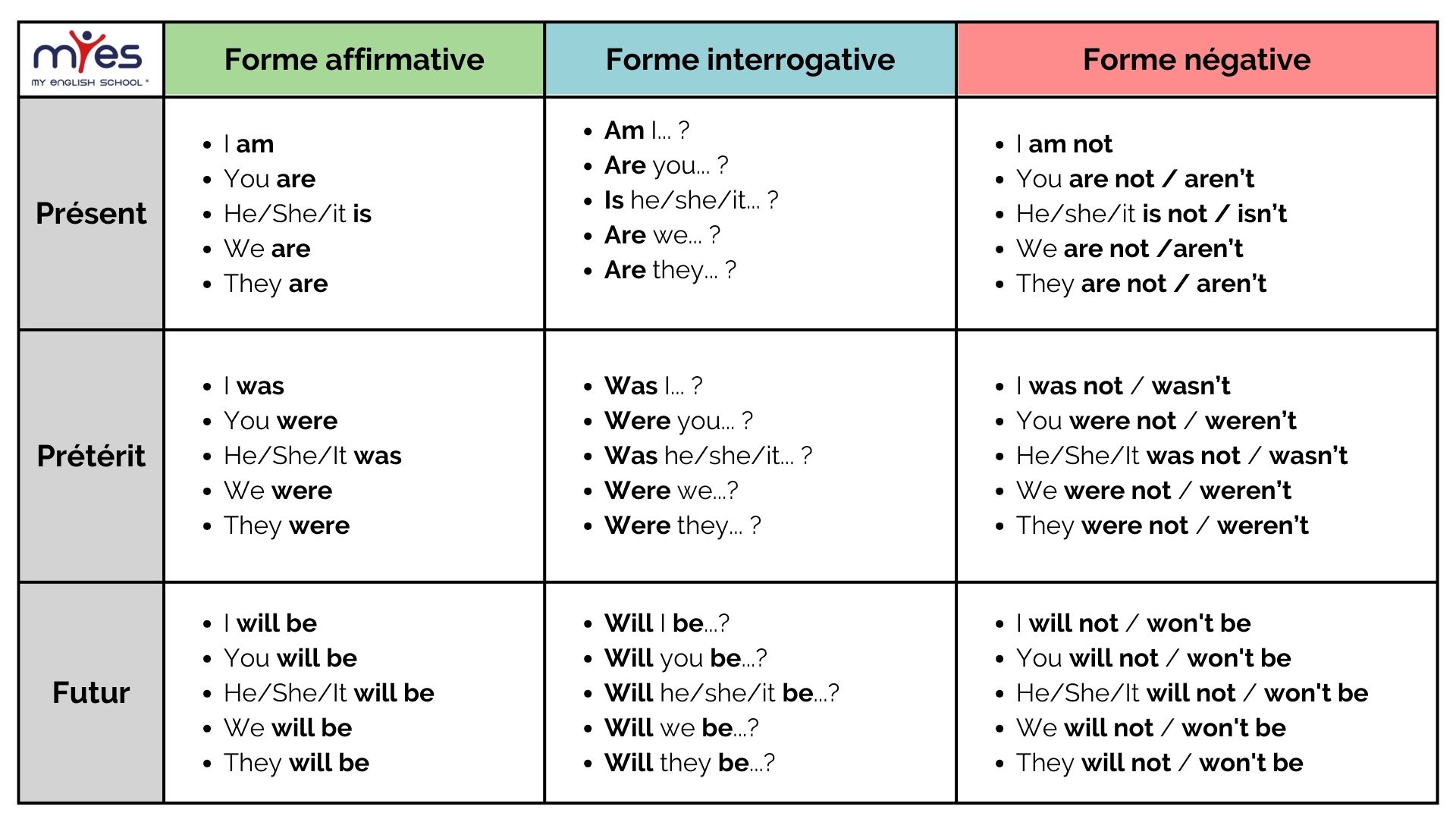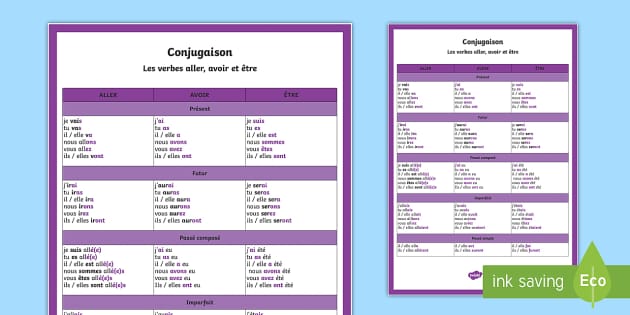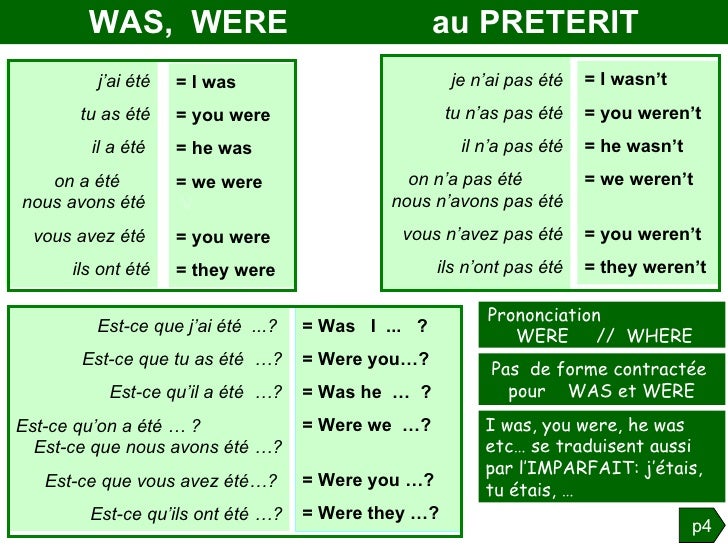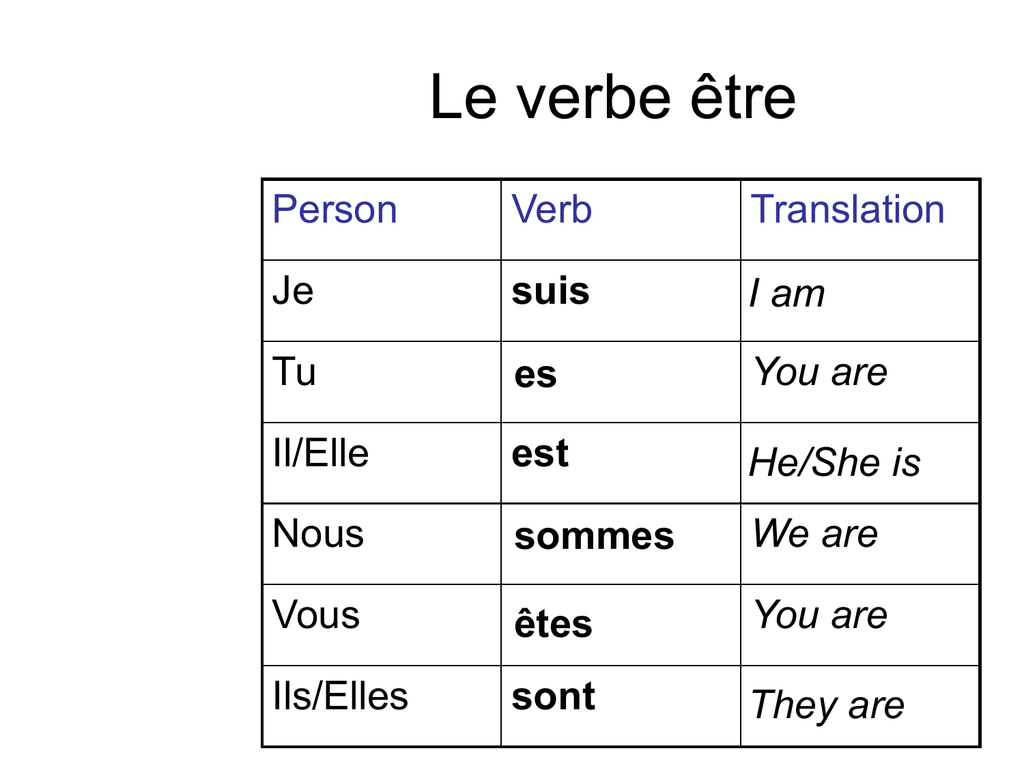
Bonjour, mes amis! Ever grapple with the age-old question that plagues French learners like a rogue mime at a picnic? I'm talking about the existential dread of "avoir" and "être", or as we say in good ol' English, "to have" and "to be." Don't worry, you're not alone. Even seasoned French speakers sometimes have a momentary "Did I être that already, or did I avoir it?" moment. It's all part of the fun (or frustration, depending on your perspective... and how much wine you've had).
Le Problème: To Have or To Be, That Is the Question!
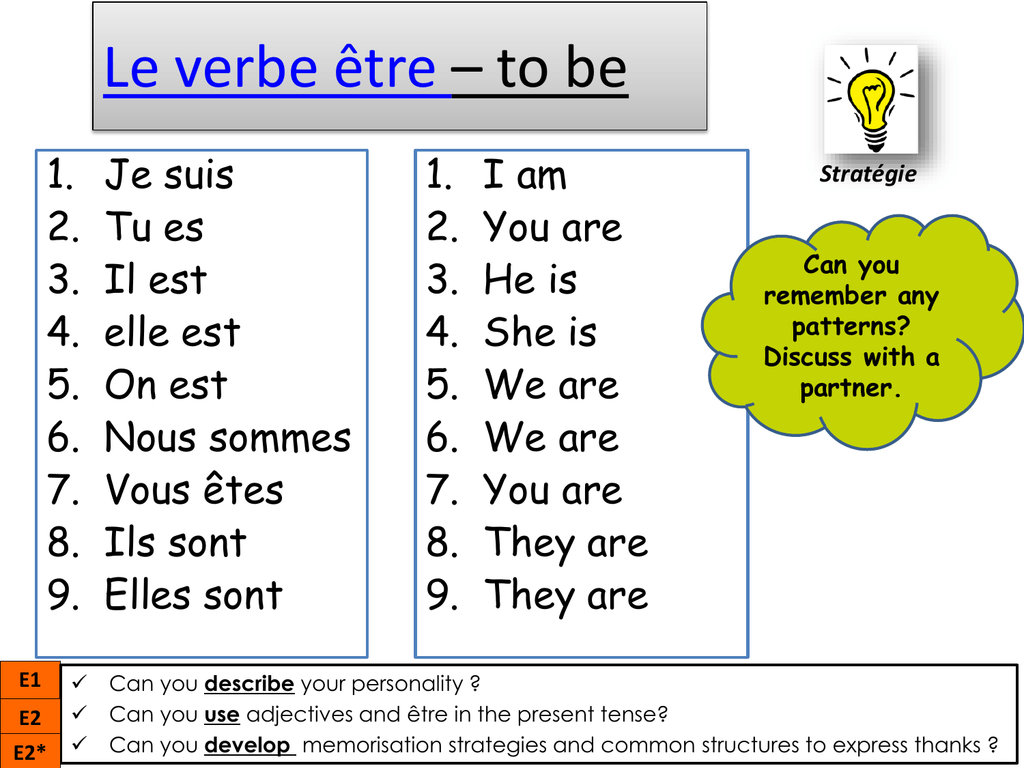
Now, the basic concept is easy enough. Avoir means "to have," as in "J'ai un chat" (I have a cat). Être means "to be," as in "Je suis content" (I am happy). But things get vraiment interesting (read: complicated) when we waltz into the past tense, the passé composé. This is where these two seemingly innocent verbs decide to throw a party in your brain and invite all their irregular verb friends.
The passé composé is like French grammar's version of a double date: you need an auxiliary verb (either avoir or être) and a past participle. It's used to talk about actions that are completed in the past. Think of it as the "I did it!" tense.
Avoir: The Workhorse of the Past
Most verbs use avoir as their auxiliary. It’s the reliable friend who always shows up with the beer and pizza. Here are some examples:
- J'ai mangé une baguette. (I ate a baguette.)
- Tu as vu un film. (You saw a movie.)
- Il a acheté une voiture. (He bought a car.)
- Nous avons voyagé en France. (We traveled in France.)
- Vous avez étudié le français. (You studied French.)
- Ils ont fini leur travail. (They finished their work.)
See? Simple enough. You just slap avoir in the correct form and add the past participle. Most of the time, that's all there is to it. But… (cue dramatic music)
Être: The Drama Queen of the Past
Now, être is a different beast altogether. Être is reserved for a select group of verbs, mostly those related to motion, change of state, or being reflexive. It's like the celebrity guest list at a party: only the chosen few get in.
Think of these verbs as the "house of être":
- Devenir (to become)
- Revenir (to come back)
- Monter (to go up)
- Rester (to stay)
- Sortir (to go out)
- Venir (to come)
- Aller (to go)
- Naître (to be born)
- Descendre (to go down)
- Entrer (to enter)
- Retourner (to return)
- Tomber (to fall)
- Rentrer (to re-enter)
- Mourir (to die)
- Partir (to leave)
This list is often remembered with the acronym DR & MRS VANDERTRAMP, which sounds like a particularly eccentric socialite. Feel free to picture her wearing a monocle and riding a unicycle while reciting French verbs. It'll help you remember.
Examples with être:
- Je suis allé(e) au cinéma. (I went to the cinema.)
- Elle est née en France. (She was born in France.)
- Nous sommes arrivés en retard. (We arrived late.)
- Ils sont partis en vacances. (They left for vacation.)
The Agreement Issue: Être's Little Secret
But wait, there's more! With être, the past participle must agree in gender and number with the subject. This means adding an "e" for feminine subjects, an "s" for plural subjects, and "es" for feminine plural subjects. It's like adding extra sprinkles to your grammatical sundae.
Let's see this in action:

- Il est allé au restaurant. (He went to the restaurant.) - Masculine singular
- Elle est allée au restaurant. (She went to the restaurant.) - Feminine singular
- Ils sont allés au restaurant. (They went to the restaurant.) - Masculine plural
- Elles sont allées au restaurant. (They went to the restaurant.) - Feminine plural
This agreement thing is what separates the French language from, well, everything else. It's what makes it so delightfully complex and frustratingly beautiful.
Reflexive Verbs: Another Être Territory
Reflexive verbs, those verbs where the action reflects back on the subject (like "to wash oneself"), always use être in the passé composé. Think of it as the verb wanting to admire itself in the mirror.
Examples:
- Je me suis lavé(e). (I washed myself.)
- Tu t'es couché(e) tôt. (You went to bed early.)
- Il s'est rasé. (He shaved.)
- Elle s'est maquillée. (She put on makeup.)
- Nous nous sommes réveillé(e)s. (We woke up.)
- Vous vous êtes amusé(e)(s). (You had fun.)
- Ils se sont disputés. (They argued.)
- Elles se sont habillées. (They got dressed.)
Notice the agreement with the subject still applies! "Je me suis lavé(e)" – if you're a girl, add that "e". If you're a group of girls, add "es." It's like a grammatical fashion show.
The Tricky Cases: Where Avoir and Être Get Confused
Now, for the fun part! Some verbs can take either avoir or être, depending on their meaning. This is where the French language decides to play a little game of "Gotcha!"

Monter and Descendre
These verbs, meaning "to go up" and "to go down," can use avoir when they have a direct object (something being acted upon) and être when they describe a movement.
- J'ai monté les valises. (I carried the suitcases up.) - avoir because "les valises" is the direct object.
- Je suis monté(e) au grenier. (I went up to the attic.) - être because it describes a movement.
- J'ai descendu l'escalier. (I went down the stairs.) - avoir because "l'escalier" is the direct object (even if not explicitly stated in English). One could also say "J'ai descendu les marches de l'escalier"
- Je suis descendu(e) à la cave. (I went down to the cellar.) - être because it describes a movement.
Think of it this way: if you're doing something to something else while going up or down, use avoir. If you're just going up or down, use être.
Sortir
Similarly, sortir (to go out) can also be tricky.
- J'ai sorti le chien. (I took the dog out.) - avoir because you're acting on the dog.
- Je suis sorti(e) avec mes amis. (I went out with my friends.) - être because you're describing your movement.
Passer
Passer (to pass) is another troublemaker.

- J'ai passé un examen. (I took an exam.) - avoir because you're doing something to the exam.
- Je suis passé(e) chez toi. (I passed by your house.) - être because you're describing your movement.
Tips and Tricks to Conquer Avoir and Être
Okay, enough with the grammar lesson! Let's get practical. Here are some tips to help you navigate the treacherous waters of avoir and être:
- Memorize DR & MRS VANDERTRAMP. Write it on your bathroom mirror, tattoo it on your arm, whisper it in your sleep. Do whatever it takes to remember those verbs!
- Practice, practice, practice! Do exercises, write sentences, talk to yourself in French (it's not crazy, it's effective!).
- Don't be afraid to make mistakes. Everyone does it! Even native speakers occasionally slip up. The important thing is to learn from your errors.
- Think of it as a puzzle, not a problem. French grammar can be challenging, but it can also be rewarding. See it as a game to be mastered.
- Listen to French music and watch French movies. This will help you get a feel for the language and how these verbs are used in context.
- Find a French-speaking friend or tutor. Having someone to practice with and ask questions can make a huge difference.
- Don't take it too seriously! Remember, learning a language is a journey, not a race. Enjoy the process and celebrate your successes along the way.
Avoir vs. Être: A Quick Cheat Sheet
Just to recap, here's a handy cheat sheet to keep in your back pocket (or, you know, bookmarked on your phone):
- Avoir: Most verbs use avoir. If in doubt, start with avoir.
- Être: Use être for:
- Verbs in DR & MRS VANDERTRAMP
- Reflexive verbs
- Verbs that can take either avoir or être, depending on their meaning (pay attention to the presence of a direct object!)
- Agreement: Remember to make the past participle agree in gender and number with the subject when using être.
Un Petit Mot de Sagesse (A Little Word of Wisdom)
Learning the nuances of avoir and être might seem daunting, but trust me, it's worth the effort. Mastering these two verbs will unlock a whole new level of fluency and understanding in French. Plus, you'll be able to impress your friends with your grammatical prowess. Who knows, you might even become the next French grammar guru!
So, don't despair! Embrace the challenge, laugh at your mistakes, and keep practicing. And remember, if all else fails, just blame it on the wine. It's a perfectly acceptable excuse in France, n'est-ce pas?
Conclusion: And Now, for the Punchline…
So, there you have it – a (hopefully) humorous and helpful guide to the delightful dilemma of avoir and être. Remember, even the most seasoned French speakers occasionally stumble over these verbs. It's all part of the charm! Now, go forth and conjugate with confidence! And if you mess up? Just tell everyone you're speaking Quebecois French. They have different rules, you know. Wink.