Okay, picture this: I'm in Paris, trying to buy a baguette (because, you know, when in Paris...). I stroll into a "Boulangerie Paul," and it looks exactly like the "Boulangerie Paul" back home. Same logo, same sandwiches, same slightly overpriced croissants (don't judge, they're delicious!). It got me thinking... is this some kind of magic trick? A time warp? Nope. It's probably a succursale. And that little baguette-fueled epiphany is what we're diving into today.
Alors, C'est Quoi une Succursale, Exactly?
So, "succursale." Sounds fancy, right? Like something you'd order at a Michelin-starred restaurant. But in reality, it's a pretty straightforward concept. Think of it as a mini-me of a bigger, more important business. (Like you, only with more paperwork. Sorry.)
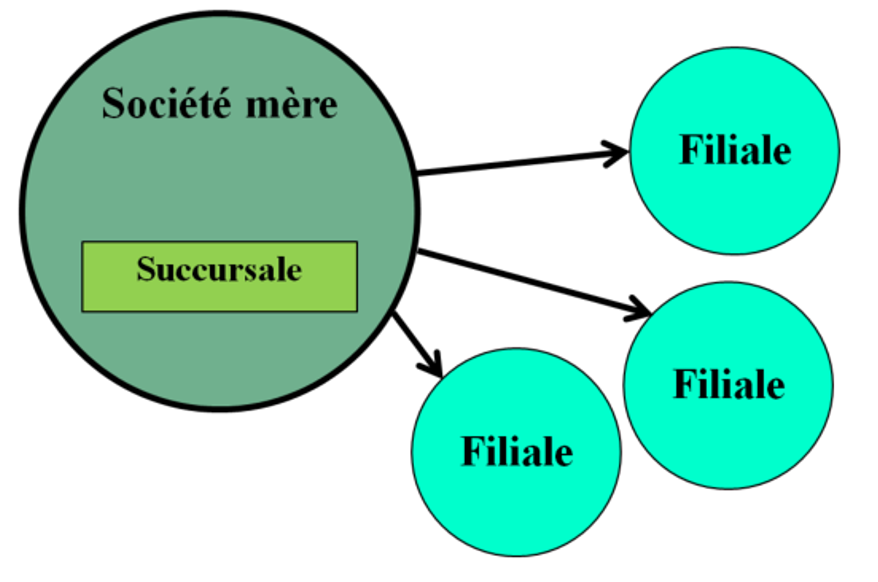
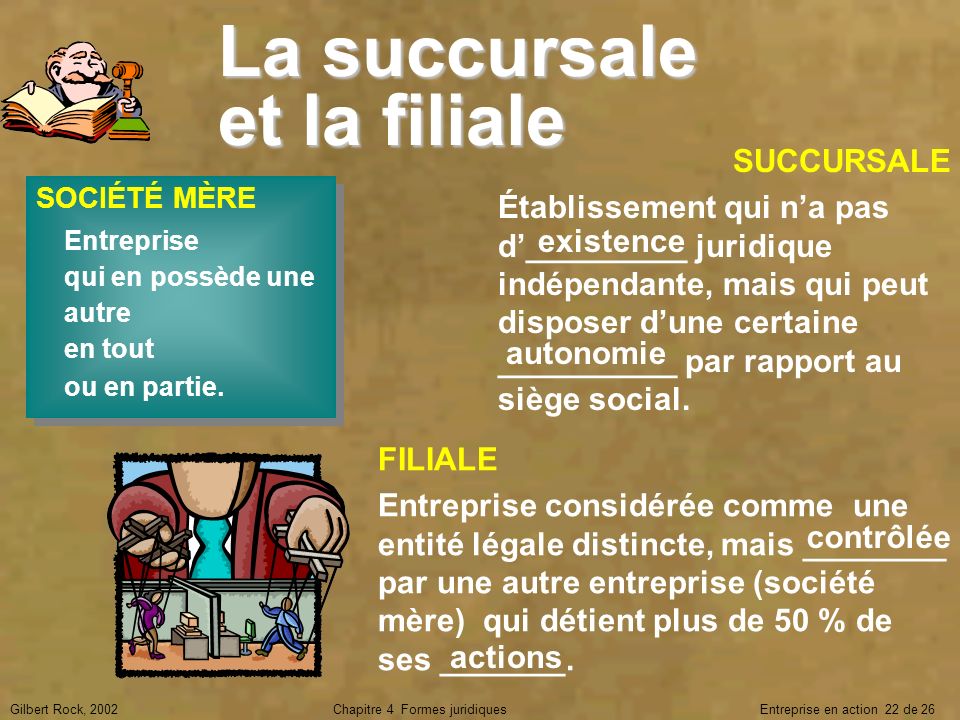
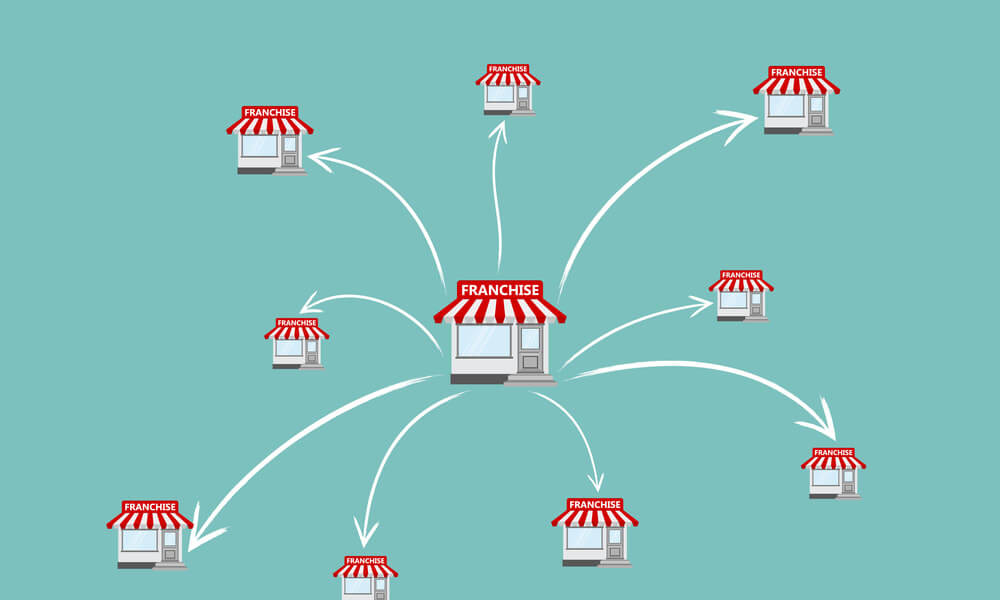
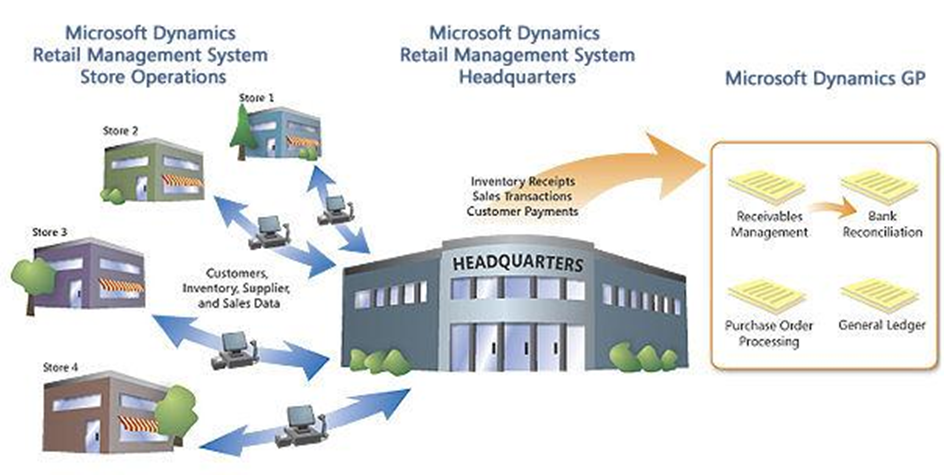
Essentially, a succursale is a business establishment that's dependent on a head office (siège social). It's not a separate legal entity. This is super important. It operates under the umbrella of the main company. Like a little baby chick under its mama hen. Awww.
Let's break it down further:
- Dependent on the Head Office: The succursale relies on the head office for its strategy, its financing, and often, its decision-making. It's not roaming free on the plains, making its own rules.
- No Separate Legal Personality: This is the big one. The succursale doesn't exist as its own legal entity. It's just an extension of the main company. Think of it like your arm – it's part of you, not a separate person capable of suing (or being sued!).
- Operates in the Same Name: Usually, the succursale will operate under the same name and branding as the head office. That’s why my Parisian Boulangerie Paul looked just like the one back home. Brand consistency, people!
Side comment: Are you starting to see why that baguette led me down this rabbit hole? It's all connected, I tell you!
Succursale vs. Subsidiary: Don't Get Confused!
Now, here’s where things can get a little tricky. People often confuse a succursale with a subsidiary (filiale). They sound similar, but they are totally different beasts. Think of it as the difference between a sibling and a clone.
A subsidiary is a separate legal entity controlled by another company (the parent company). It has its own board of directors, its own financial statements, and its own legal responsibilities. It’s like a grown-up child who has moved out and is living their own life (maybe not always successfully, but still… independent!).
Here's a quick comparison table to help you keep things straight:

- Succursale:
- No separate legal entity
- Dependent on head office
- Operates in the same name (usually)
- Subsidiary:
- Separate legal entity
- Controlled by parent company
- Can operate under a different name
Essentially, a subsidiary has autonomy that a succursale simply doesn't. It can make its own decisions (within the bounds set by the parent company, of course), whereas a succursale is much more tightly controlled.
Why Would a Company Choose a Succursale Over a Subsidiary?
Good question! (I knew you were thinking it!). There are several reasons why a company might prefer setting up a succursale:
- Simplicity: Setting up a succursale is often less complex and less expensive than establishing a subsidiary. There’s less paperwork, fewer legal hoops to jump through, and less regulatory burden. Think of it as the "easy bake oven" of international expansion.
- Tax Benefits: In some cases, there can be tax advantages to operating as a succursale rather than a subsidiary. This can depend heavily on the specific tax laws of the countries involved, so always consult with a tax professional! (Disclaimer: I am not a tax professional. Please don't sue me.)
- Direct Control: The head office maintains tighter control over the succursale's operations. This can be beneficial if the company wants to ensure consistent branding, quality, and service across all locations.
- Testing the Waters: A succursale can be a good way to test a new market before committing to a full-fledged subsidiary. It allows the company to dip its toes in the water without making a huge investment.
The Downsides of Being a Succursale
Of course, there are also some disadvantages to operating as a succursale:
- Liability: Because the succursale is not a separate legal entity, the head office is directly liable for its debts and obligations. This means that if the succursale gets into trouble, the entire company is at risk. Ouch!
- Limited Autonomy: The succursale has little control over its own destiny. It's subject to the whims and decisions of the head office. This can be frustrating for employees and managers on the ground.
- Reputational Risk: Any damage to the reputation of the head office can directly impact the succursale, and vice versa. They're inextricably linked.
Examples of Succursales in Action
Now, let’s bring this all together with some real-world examples:
- Banks: Many large banks have succursales in different countries to offer services to their international clients. Think of BNP Paribas having branches (succursales) across Europe.
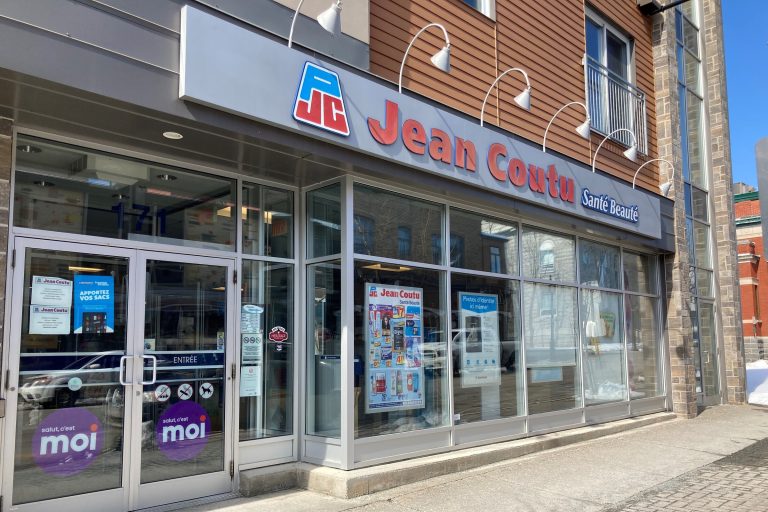
- Retail Chains: As we've already discussed, retail chains often use succursales to expand their reach. My beloved Boulangerie Paul is a prime example!
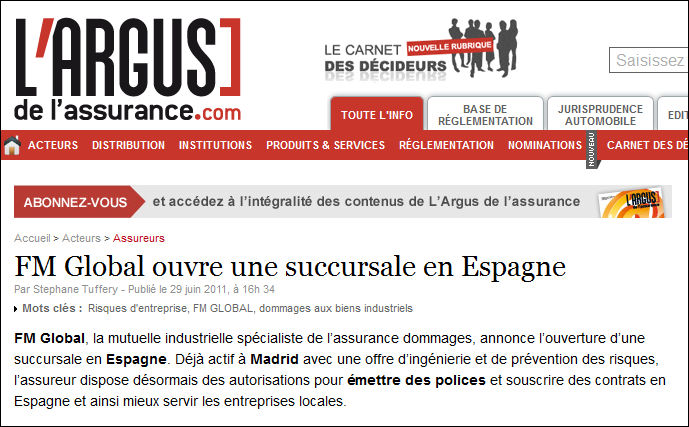
- Insurance Companies: Insurance companies may establish succursales in various regions to provide coverage to a wider customer base.
These examples illustrate how succursales can be used to extend a company's reach and provide services in different locations, all while maintaining control from the head office.

The Key Takeaway: It's All About Control and Legal Structure
So, what’s the bottom line? Understanding the difference between a succursale and a subsidiary comes down to understanding control and legal structure. A succursale is a dependent extension of the head office, while a subsidiary is a separate legal entity controlled by a parent company. Which one is right for a particular business depends on its specific goals, risk tolerance, and legal considerations.
And now, if you'll excuse me, all this talk about baguettes has made me hungry. Time to find the nearest succursale of my favorite bakery! (Just kidding… sort of.)
Hopefully, this little deep dive has cleared up any confusion about what a succursale is. If you have any questions, feel free to leave a comment below! And remember, even seemingly simple things like buying a baguette can lead to surprisingly interesting discoveries.