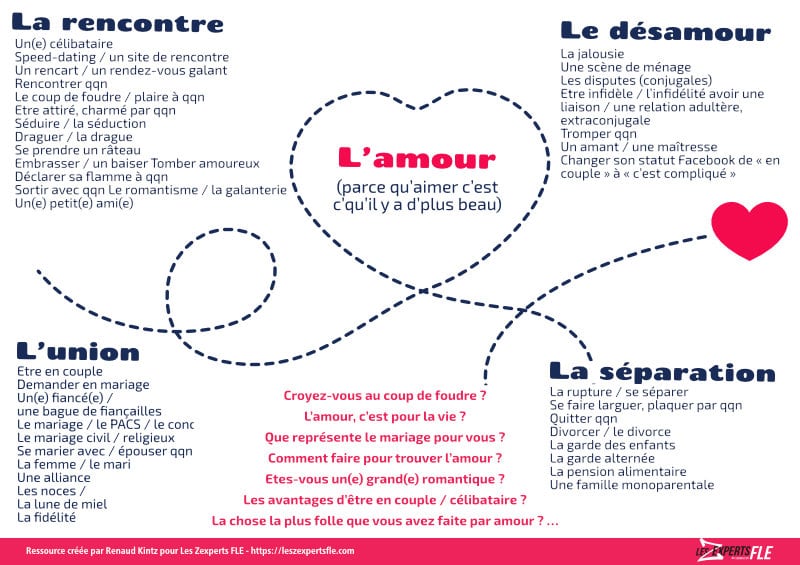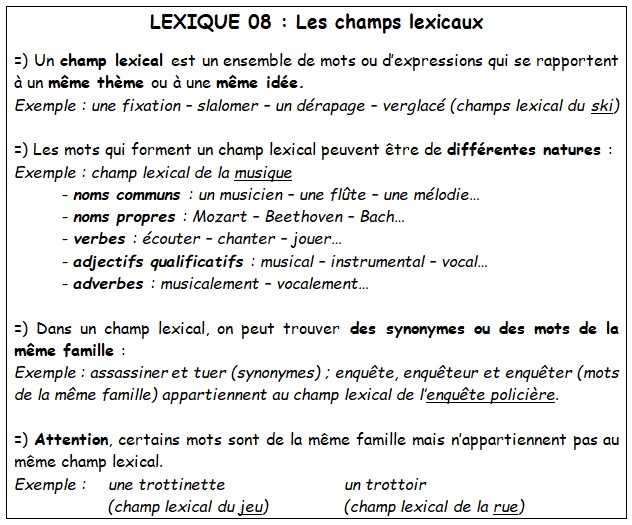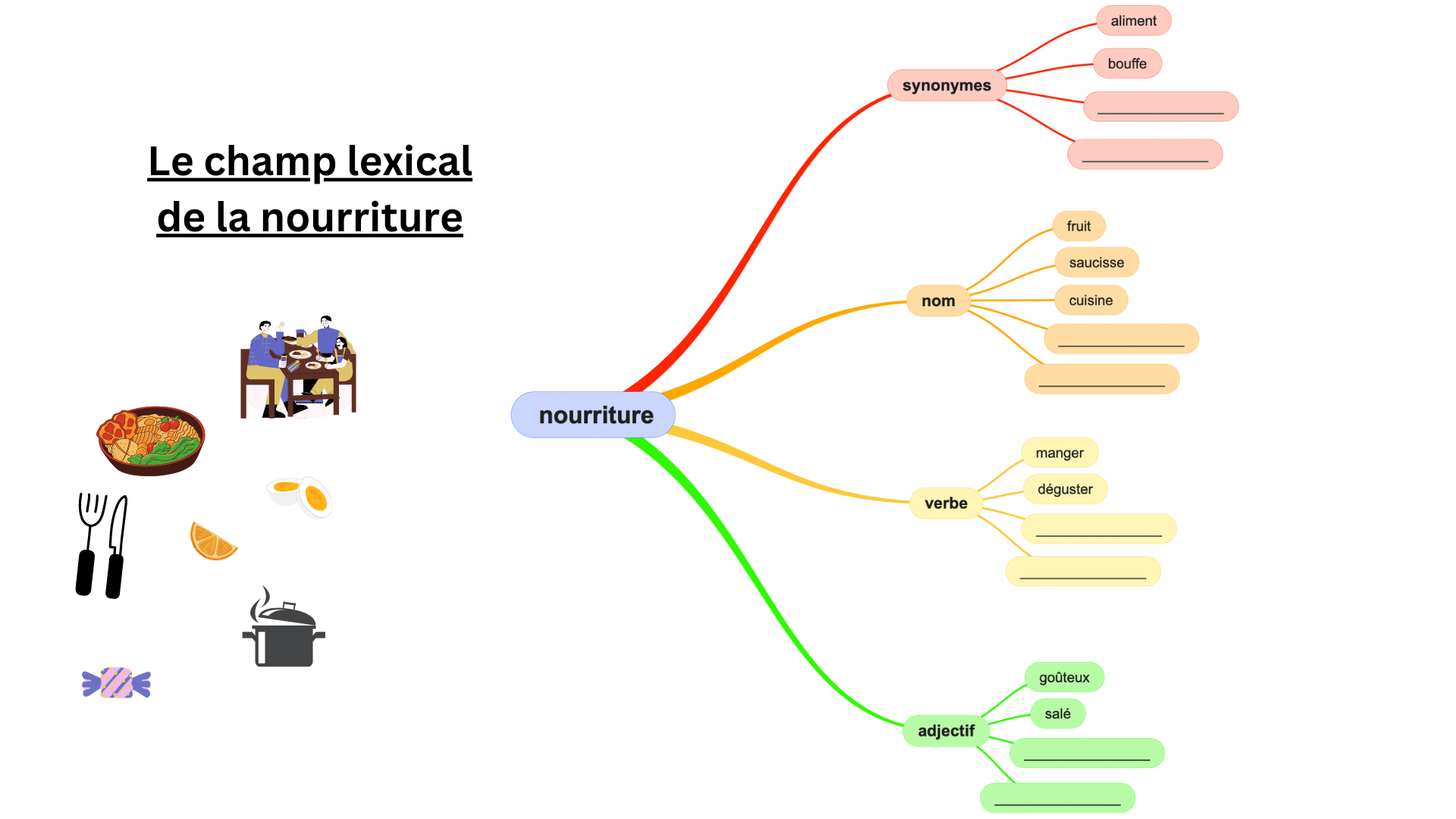
Salut tout le monde ! Ever wondered how many ways there are to say "I love you"? Or just to talk about love in general? Turns out, it’s a whole universe! Today, we're diving into something called the "Champ Lexical de l'Amour". Sounds fancy, right? Don't worry, it's just a French way of saying the "vocabulary field of love." Basically, all the words and expressions linked to love, romance, affection, and all those warm fuzzy feelings.
Pourquoi c'est cool, le Champ Lexical de l'Amour ?
So, why should you even care about this "champ lexical" thing? Well, imagine you're trying to describe something super complex, like, say, a delicious chocolate cake. You wouldn't just say "It's good," would you? You'd talk about the rich, dark chocolate, the creamy frosting, the moist texture... See where I'm going with this? The more words you have at your disposal, the more nuanced and beautiful your description can be. Same goes for love!
Think of it like this: the "Champ Lexical de l'Amour" is like a painter's palette. Instead of colors, you have words. The more words you know, the more expressive you can be. Instead of just a basic "red," you can paint with crimson, scarlet, ruby, or even a fiery vermillion. And when it comes to love, who wants to be basic?
Un Aperçu du Champ Lexical
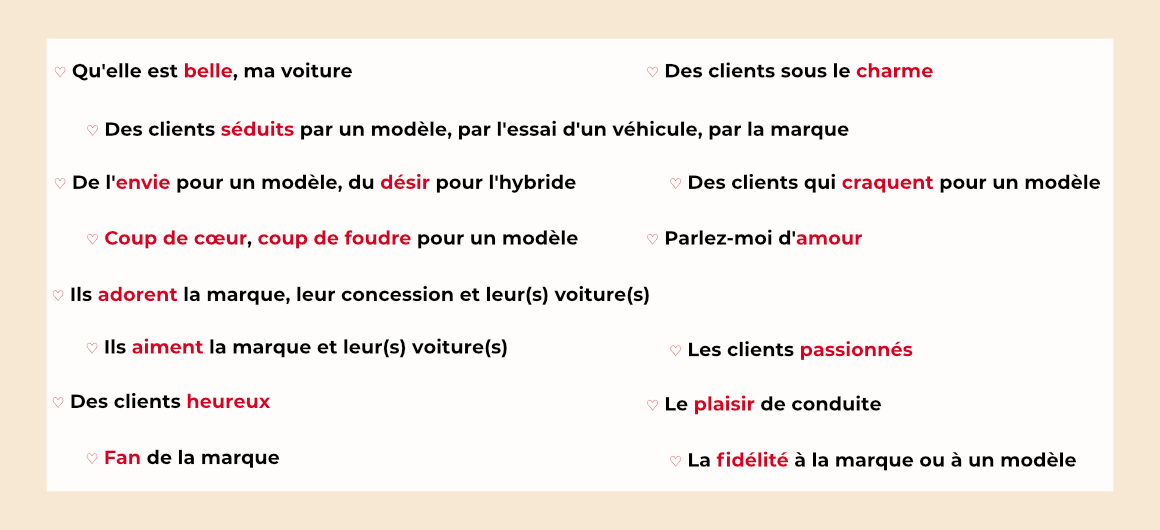
Okay, let's get down to business. What kind of words are we talking about? Well, it's a pretty broad field, covering everything from the initial spark of attraction to the deep, abiding love that lasts a lifetime. Here's a little taste:
- Verbes (Verbs): aimer (to love), adorer (to adore), chérir (to cherish), embrasser (to kiss), caresser (to caress), séduire (to seduce), flirter (to flirt), désirer (to desire), manquer (to miss), souhaiter (to wish for), rencontrer (to meet). Notice how many different ways there are to express affection!
- Noms (Nouns): l'amour (love), la passion (passion), l'affection (affection), le désir (desire), le coup de foudre (love at first sight), un amoureux/une amoureuse (a lover), un fiancé/une fiancée (a fiancé/fiancée), un conjoint/une conjointe (a spouse), l'âme sœur (soulmate), un baiser (a kiss), une étreinte (an embrace). Aren't those words just beautiful?
- Adjectifs (Adjectives): amoureux/amoureuse (in love), passionné/passionnée (passionate), tendre (tender), romantique (romantic), chaleureux/chaleureuse (warm), séduisant/séduisante (seductive), irrésistible (irresistible), épris/éprise (smitten). Think of how you could use these to describe a person or a feeling!
- Expressions: Tomber amoureux/amoureuse de quelqu'un (to fall in love with someone), Avoir le béguin pour quelqu'un (to have a crush on someone), Être fou/folle de quelqu'un (to be crazy about someone), Avoir un faible pour quelqu'un (to have a soft spot for someone), Mon cœur (my heart - a term of endearment), Mon amour (my love - another term of endearment). French is just full of these cute phrases!
Beyond the Basics: Diving Deeper
But it doesn't stop there! The "Champ Lexical de l'Amour" also includes words related to:

- Courtship and Romance: Think rendez-vous (date), cadeau (gift), fleurs (flowers), déclaration d'amour (declaration of love), demande en mariage (marriage proposal). All the steps on the path to "happily ever after"!
- Commitment and Partnership: Consider mariage (marriage), fiançailles (engagement), couple (couple), famille (family), fidélité (fidelity), engagement (commitment), respect (respect), complicité (shared understanding). It’s not just about the initial spark, but also about building something lasting.
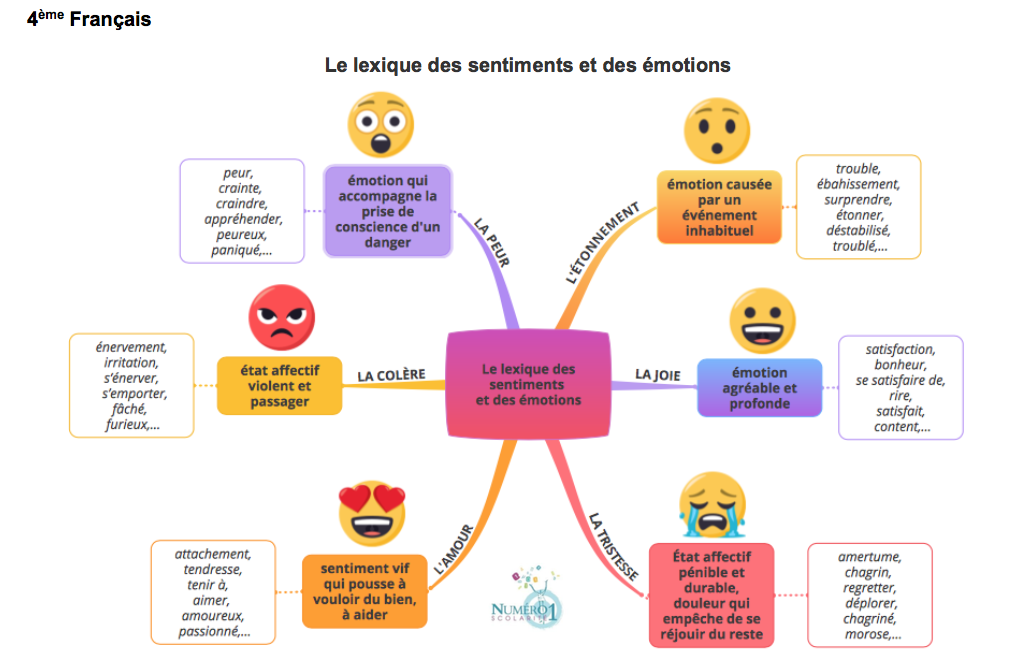
- Challenges and Heartbreak: Unfortunately, love isn't always sunshine and roses. There's also rupture (breakup), chagrin d'amour (heartbreak), jalousie (jealousy), trahison (betrayal), déception (disappointment), regret (regret). Knowing these words helps you understand and express the full range of human emotions.
Why is This Useful?
Okay, you might be thinking, "This is all very interesting, but how does it help me?" Great question! Here are a few reasons:
- Improved Communication: Having a wider vocabulary allows you to express your feelings more accurately and effectively. Imagine being able to tell someone exactly how you feel, instead of just saying "I love you."
- Deeper Understanding of Culture: Language reflects culture. By exploring the "Champ Lexical de l'Amour," you gain insight into French attitudes toward love, relationships, and emotions. It's like getting a peek into their hearts!
- Enhanced Appreciation of Literature and Art: French literature, poetry, and music are filled with references to love. Understanding the nuances of the language allows you to appreciate these works on a deeper level. Think of all those beautiful love poems!
- Just For Fun! Let's be honest, it's just cool to know a lot of words, especially romantic ones. Impress your friends, write a love poem, or just enjoy the beauty of the French language.
Un Petit Exercice
Want to put your newfound knowledge to the test? Try this:
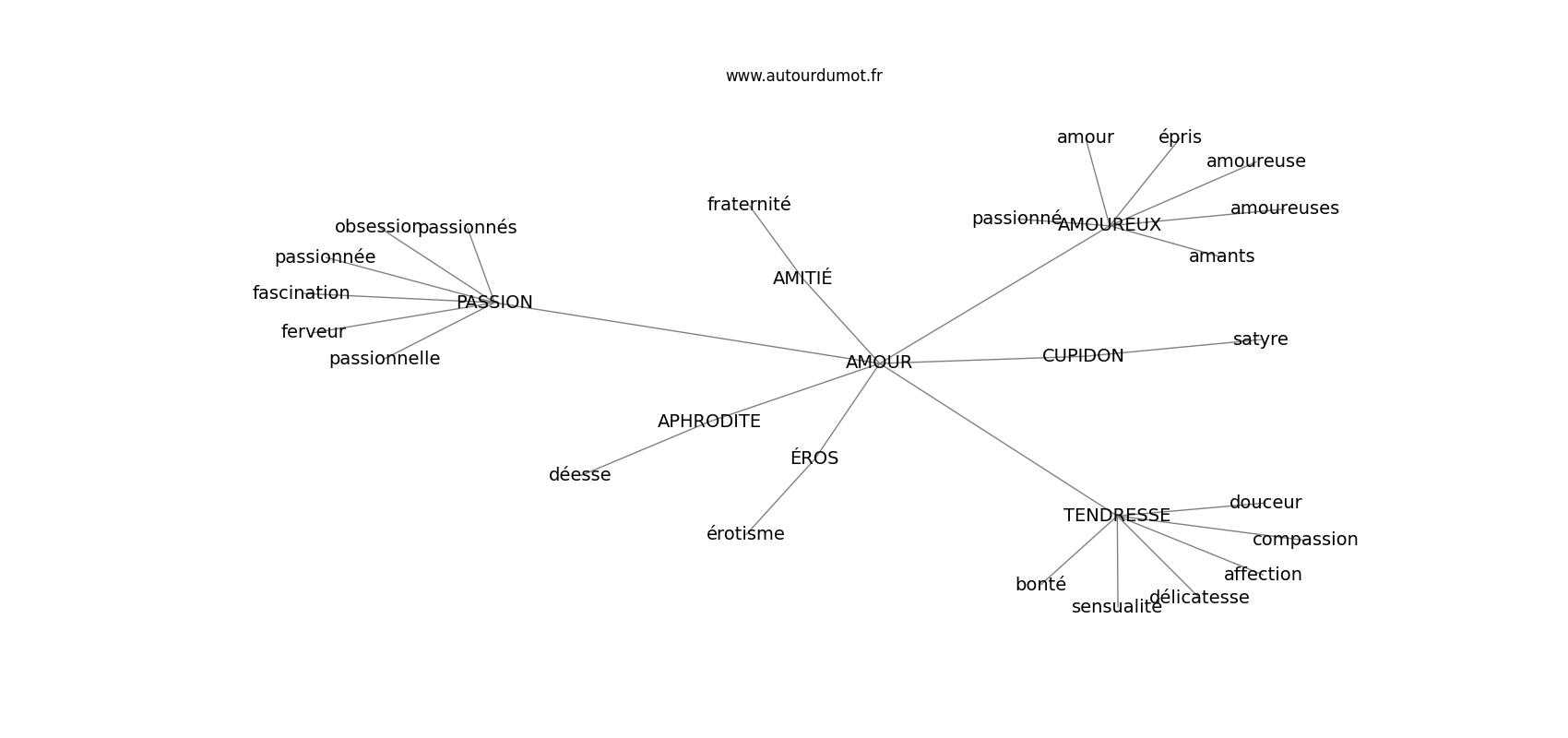
Think of a person you love (a partner, a family member, a friend). Now, instead of just saying "Je t'aime," try to describe your feelings using words from the "Champ Lexical de l'Amour." What qualities do you adorer about them? What moments do you chérir? How does their presence make you feel chaleureux? You might be surprised at what you come up with!
Le Mot de la Fin
So, there you have it! A quick tour of the "Champ Lexical de l'Amour." Hopefully, this has sparked your curiosity and inspired you to explore the beautiful world of French vocabulary. Remember, language is more than just words; it's a way to connect with others, express ourselves, and understand the world around us. And when it comes to love, a little extra vocabulary can go a long way!
À bientôt! And happy exploring! Don't be afraid to fall in love... with the French language!