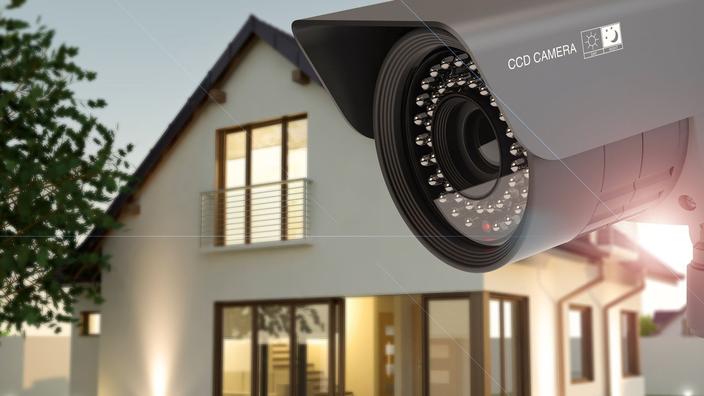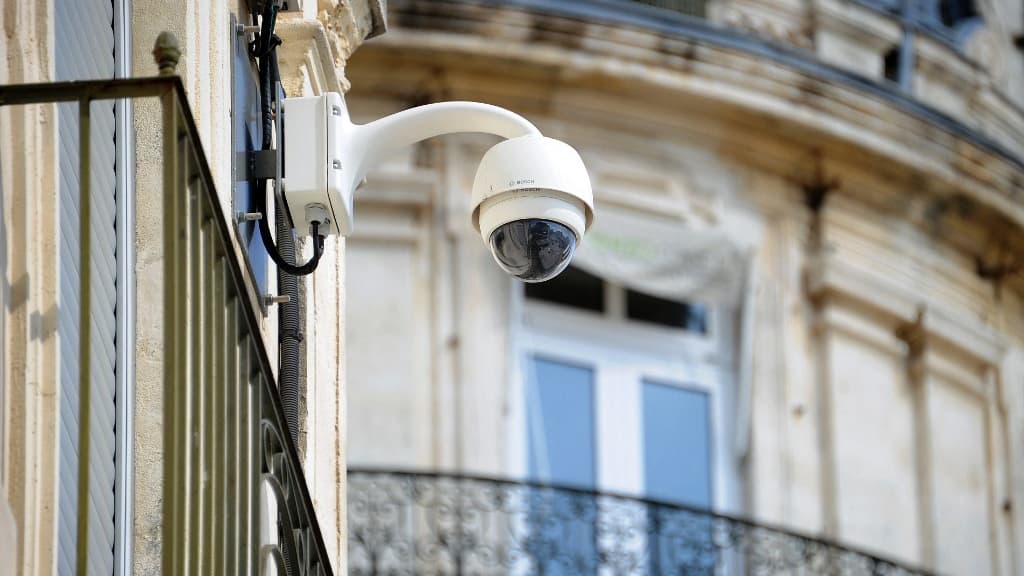
Okay, so picture this: I’m at a friend’s house, and they’re super proud of their new smart home setup. Voice-activated lights, temperature controls, the works. But then they casually mention their advanced security camera system, with remote access, of course. My inner geek (and maybe a tiny bit of my inner mischief-maker) immediately perked up. I started wondering… How secure are these things, really?
Which leads us to the burning question: Comment pirater une caméra de surveillance à distance? (How to hack a surveillance camera remotely?) Now, before you think I'm about to turn into some kind of cyber criminal, let me be clear: I'm not advocating for illegal activities. This is purely about understanding vulnerabilities and how to protect yourself. Consider it a thought experiment, a peek behind the curtain of digital security.
Let's break down some common weaknesses that hackers might exploit:
Common Vulnerabilities of Surveillance Cameras
- Default Passwords: Seriously, you'd be amazed how many people never change the default password on their devices. It's like leaving your front door unlocked. (Please, please, change your passwords!)
- Outdated Firmware: Software updates aren't just annoying pop-ups; they often include crucial security patches. Ignoring them leaves your camera vulnerable to known exploits. (Think of it as patching holes in your defenses.)
- Weak Encryption: Some older cameras use weak or no encryption for their video streams. This means someone could potentially intercept the feed and watch your… well, everything. (Not ideal, right?)
- Network Vulnerabilities: If your home network is insecure, it's like leaving the keys to the kingdom lying around. Hackers can use vulnerabilities in your router or other connected devices to gain access to your camera.
- Lack of Two-Factor Authentication (2FA): This adds an extra layer of security, even if someone manages to guess your password. It's like adding a deadbolt to that front door.
Methods Used by Hackers
So, how might a hacker actually do this? Here are some potential methods:
- Brute-Force Attacks: Trying millions of password combinations until they find the right one. (Why default passwords are so dangerous!)
- Exploiting Known Vulnerabilities: Using publicly available exploits for specific camera models. (That's why keeping firmware updated is vital!)
- Phishing: Tricking you into revealing your credentials through fake emails or websites. (Always be wary of suspicious links!)
- Man-in-the-Middle Attacks: Intercepting the video stream as it travels across your network. (Encryption to the rescue!)
How to Protect Yourself
Okay, enough with the doom and gloom. How do you actually protect your camera from being hacked? Here are a few tips:
- Change the Default Password! Seriously, this is the most important thing you can do. Use a strong, unique password.
- Keep Your Firmware Updated: Regularly check for updates and install them as soon as possible.
- Enable Encryption: Make sure your camera uses strong encryption for its video stream.
- Secure Your Home Network: Use a strong password for your Wi-Fi network and keep your router's firmware updated.
- Enable Two-Factor Authentication (2FA): If your camera supports it, enable 2FA for an extra layer of security.
- Use a VPN: Consider using a Virtual Private Network (VPN) to encrypt your internet traffic and protect your privacy.
- Segment Your Network: If you're tech-savvy, consider putting your security cameras on a separate network from your other devices.
Ultimately, the goal is to make it as difficult as possible for someone to hack your camera. Think of it as layering defenses. No system is perfectly secure, but by taking these steps, you can significantly reduce your risk. Remember, security is an ongoing process, not a one-time fix. Stay vigilant, stay informed, and stay safe!