Okay, imagine this: You're at a braai (South African BBQ, for those playing at home!), and the vibe is good. Sunshine, good music, maybe a Castle Lite or two. Then, someone starts telling a story. Not just any story, but a story about something awful that happened during Apartheid. A story about injustice, pain, and loss. Suddenly, the atmosphere shifts. But then, surprisingly, the story ends not with calls for revenge, but with something akin to forgiveness. That's... well, that's kinda what the Truth and Reconciliation Commission (TRC) was all about, in a nutshell.
It's easy to judge history from afar, isn't it? We sit here, decades later, maybe in our comfy armchairs, and think, "Oh, I would have done things differently." But trust me, understanding South Africa's journey from Apartheid is anything but simple. And the TRC? That was a crucial, albeit controversial, part of that journey.
So, What Was the TRC, Exactly?
Right, so picture this: Apartheid, a system of institutionalized racial segregation and discrimination, finally crumbles. Nelson Mandela is released from prison (a major moment, obviously). But what happens next? How do you heal a society so deeply fractured? How do you deal with the perpetrators of horrific crimes? Mass trials? Vengeance? More violence?
The idea behind the TRC was to try a different approach. Not quite justice, not quite forgiveness, but something in between. The core concept? Truth first, then Reconciliation. (Hence the name! Pretty straightforward, eh?).
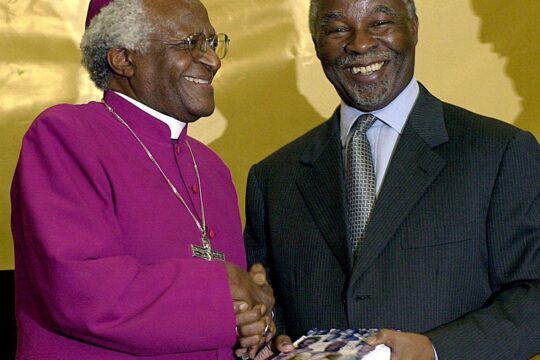
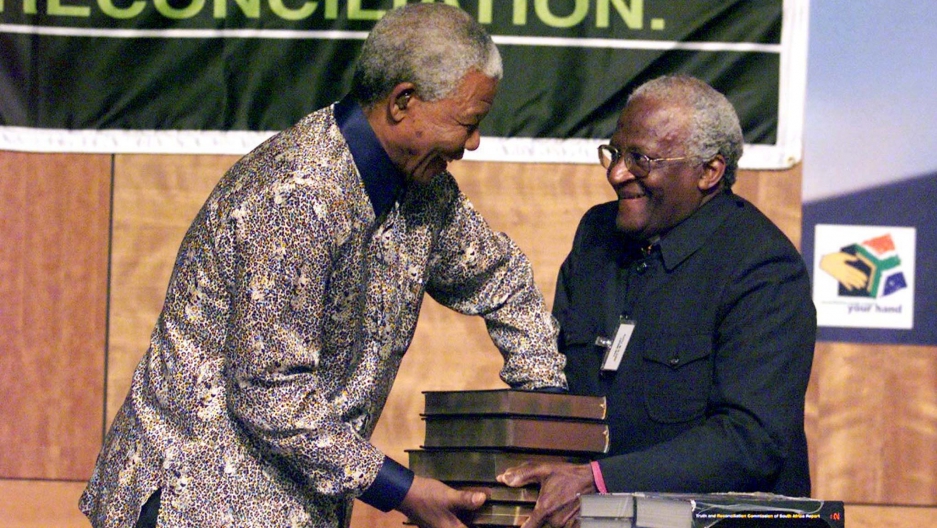
The TRC was established in 1996, headed by the absolutely legendary Archbishop Desmond Tutu. Seriously, that man was a force of nature. Think moral compass meets tireless advocate for peace. The Commission's mandate was pretty massive: to investigate human rights violations committed between 1960 and 1994. We're talking torture, killings, disappearances... the whole gamut of atrocities.

How Did It Work? (The Gory Details, Sort Of)
Here's the breakdown:
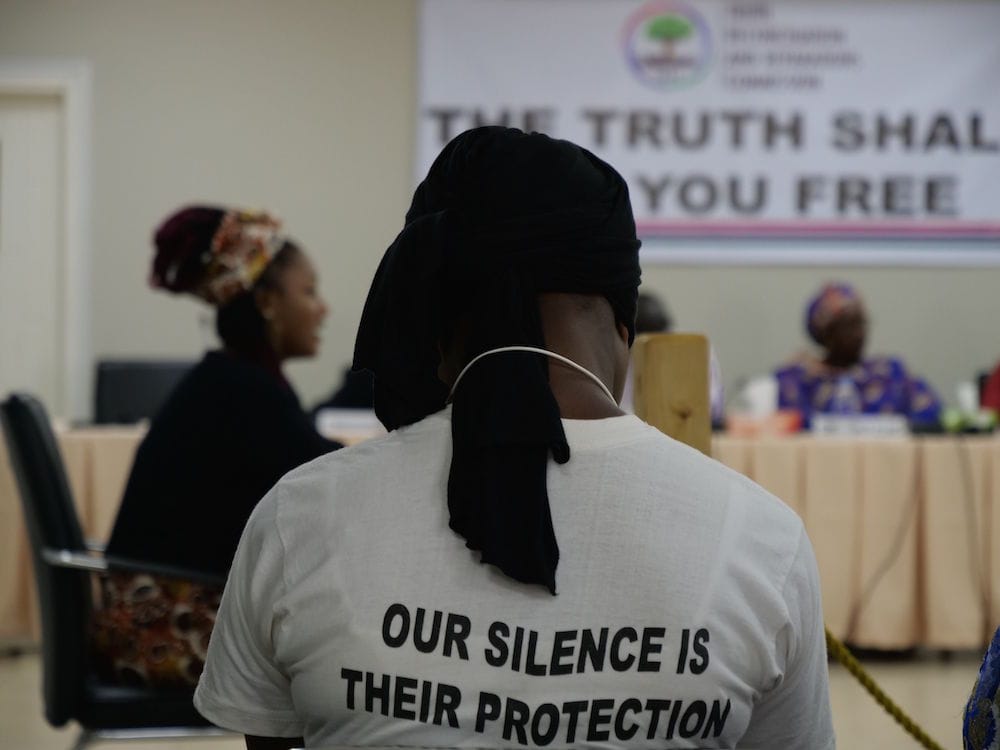
- Victims' Hearings: This was a big part. Victims of Apartheid (or their families) could come forward and tell their stories. These hearings were often incredibly emotional, heart-wrenching accounts of unimaginable suffering. The goal was to acknowledge their pain, to validate their experiences, and to finally give them a voice after years of silence.
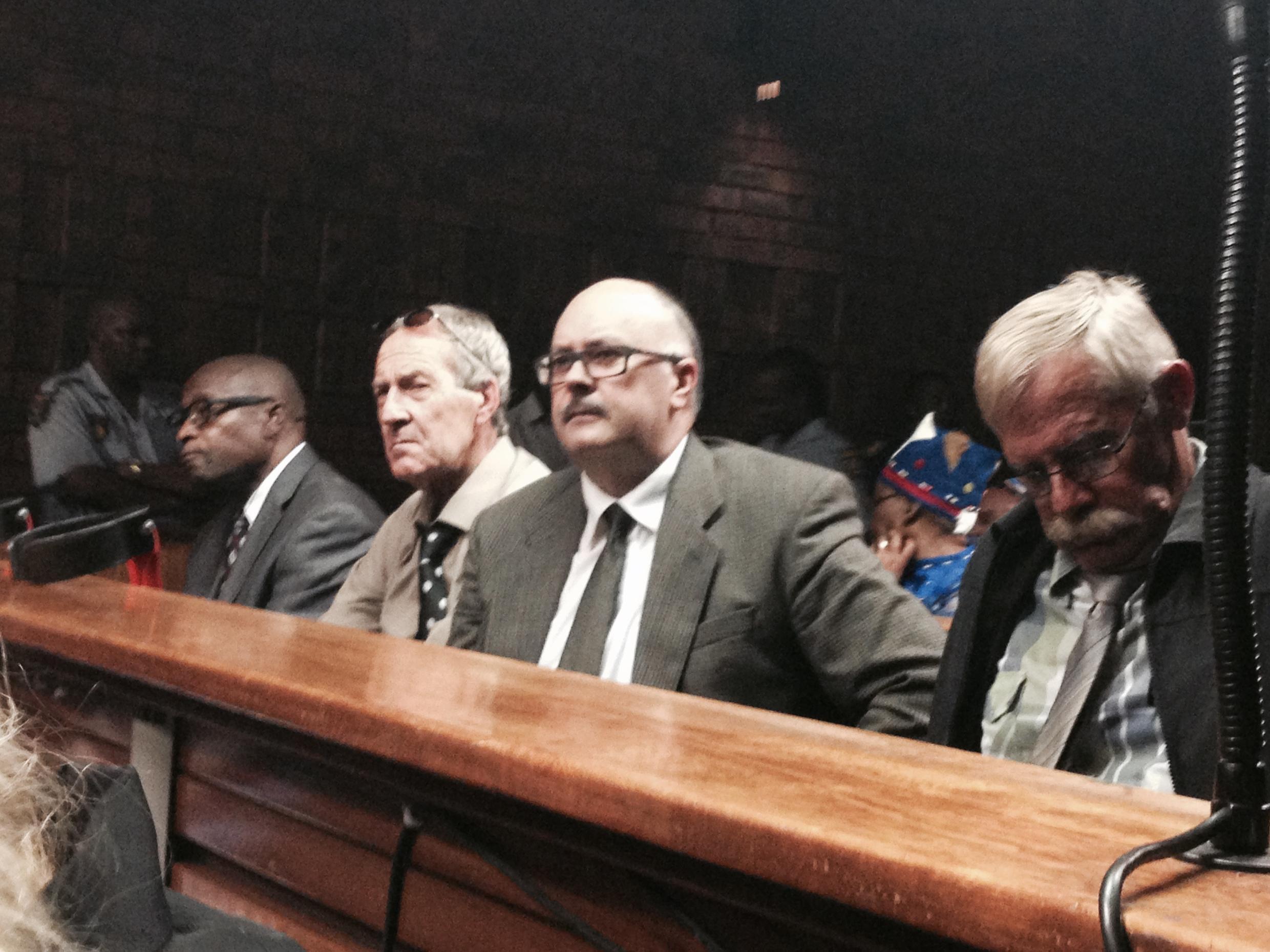
- Amnesty Hearings: This is where things got tricky, and controversial. Perpetrators of politically motivated crimes could apply for amnesty. But there was a catch! They had to:
- Fully disclose all the details of their crimes. No holding back!
- Demonstrate that the crimes were politically motivated (i.e., carried out in support of or against Apartheid).
- And, crucially, demonstrate that they were telling the truth! Liars need not apply (well, theoretically, anyway).
If they met these conditions, they could be granted amnesty and avoid prosecution. Now, I know what you're thinking: "Wait, so people who committed awful crimes could just get away with it?!" Yeah, that's the thing that gets most people's goat, and understandably so.
Why Was Amnesty Even on the Table?
Good question! It all boils down to a delicate (and probably ethically questionable) calculation. The thinking was this: a complete accounting of the past was more important than individual justice. The hope was that by offering amnesty, perpetrators would be more willing to come forward and tell the truth, even if it was ugly and implicated them directly. This, in turn, would help the country understand the full extent of the atrocities that had occurred, and begin the long, arduous process of healing.

Think of it as a kind of Faustian bargain. "We'll let you off the hook, but you have to tell us everything." Was it fair? Probably not. Was it necessary? Well, that's the million-dollar question, isn't it?
Look, let’s be honest, perfect justice was probably impossible after so many years of systemic injustice. Trying to prosecute everyone involved would have been a logistical nightmare, and likely would have further destabilized the country. The TRC was a gamble, a risky experiment in restorative justice, not retributive justice.

Controversies Galore!
Predictably, the TRC wasn't without its critics (and still isn't). Here are a few of the main sticking points:
- Amnesty, obviously: As we discussed, the idea of granting amnesty to perpetrators was deeply unpopular with many victims and their families. They felt that it was a betrayal of justice, that the perpetrators were getting off too easily. And honestly, who can blame them?
- "Political Motivation" loophole: Some critics argued that the "political motivation" requirement was too easily abused. It allowed people to rationalize horrific acts and escape punishment by claiming they were acting in the name of Apartheid.
- Lack of Prosecution for Economic Crimes: The TRC primarily focused on human rights violations involving physical violence. Some argued that it should have also investigated economic crimes committed during Apartheid, which disproportionately benefited white South Africans. After all, the wealth gap is still HUGE today.
- Reconciliation – A Bridge Too Far?: Some argued that true reconciliation was simply impossible after so much suffering. They felt that the TRC placed too much emphasis on forgiveness, without adequately addressing the root causes of inequality and injustice. I mean, can you really just "forgive and forget" after experiencing something so traumatic?
So, Was the TRC a Success?
That's the million-dollar, maybe even billion-dollar, question! There's no easy answer, and opinions are still sharply divided. Some argue that the TRC was a resounding success, a model for transitional justice in other post-conflict societies. They point to the fact that it helped to prevent a descent into civil war, provided a platform for victims to be heard, and laid the foundation for a more democratic society.
Others are far more critical. They argue that the TRC failed to deliver true justice, that it glossed over the deep-seated inequalities that still plague South Africa, and that it ultimately benefited the perpetrators of Apartheid at the expense of the victims.
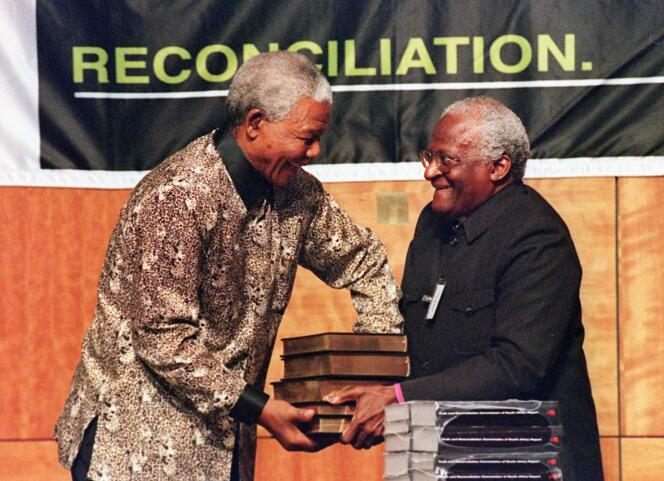
Ultimately, the TRC was a flawed process, but it was a necessary one. (See if you can find that quote somewhere else! ;) It forced South Africa to confront its past, to acknowledge the horrors of Apartheid, and to begin the long, painful process of healing. It was a messy, imperfect, and often frustrating exercise in truth-telling and reconciliation. But it was also a bold attempt to build a more just and equitable society.
Whether or not it ultimately succeeded is a question that South Africa is still grappling with today. The legacy of the TRC continues to shape the country's political landscape, its social fabric, and its collective memory. One thing is for sure, it's a story that's worth knowing.
And next time you're at a braai, and someone starts telling a story about the past, listen closely. You might just learn something profound about the human capacity for both cruelty and compassion.

(191).jpg)