Bonjour mes amis! Ever wanted to chat about the past in French? Well, grab a café au lait, because today we're diving into the imparfait tense of the verb "voir" – to see! Think of it as painting a picture of what used to be.
The imparfait? Don’t let the name intimidate you. It’s actually quite friendly, especially for describing habits, repeated actions, or ongoing states in the past. Like… what you used to see every morning on your way to work.
Conjuguons "Voir" ensemble!
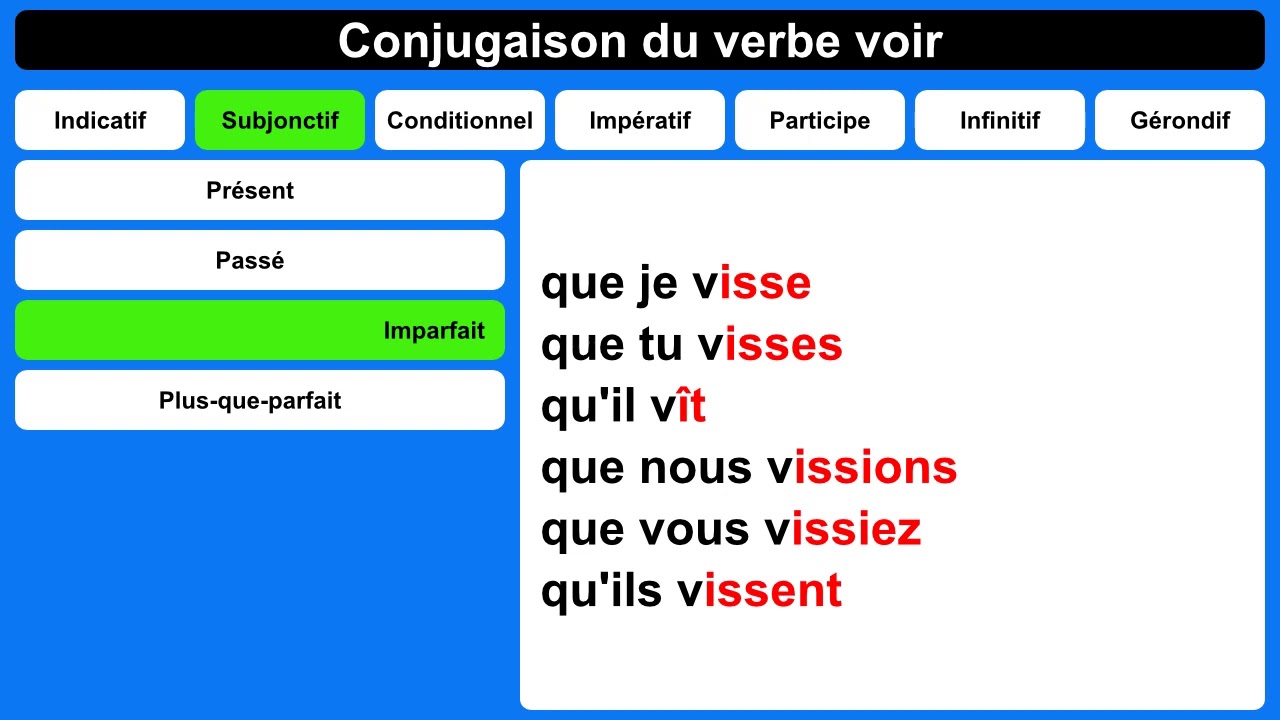
Alright, let's get down to business. How do we conjugate "voir" in the imparfait? Here’s the breakdown, nice and simple:
- Je voyais – I was seeing/I used to see
- Tu voyais – You were seeing/You used to see
- Il/Elle/On voyait – He/She/One was seeing/He/She/One used to see
- Nous voyions – We were seeing/We used to see
- Vous voyiez – You were seeing/You used to see (formal or plural)
- Ils/Elles voyaient – They were seeing/They used to see
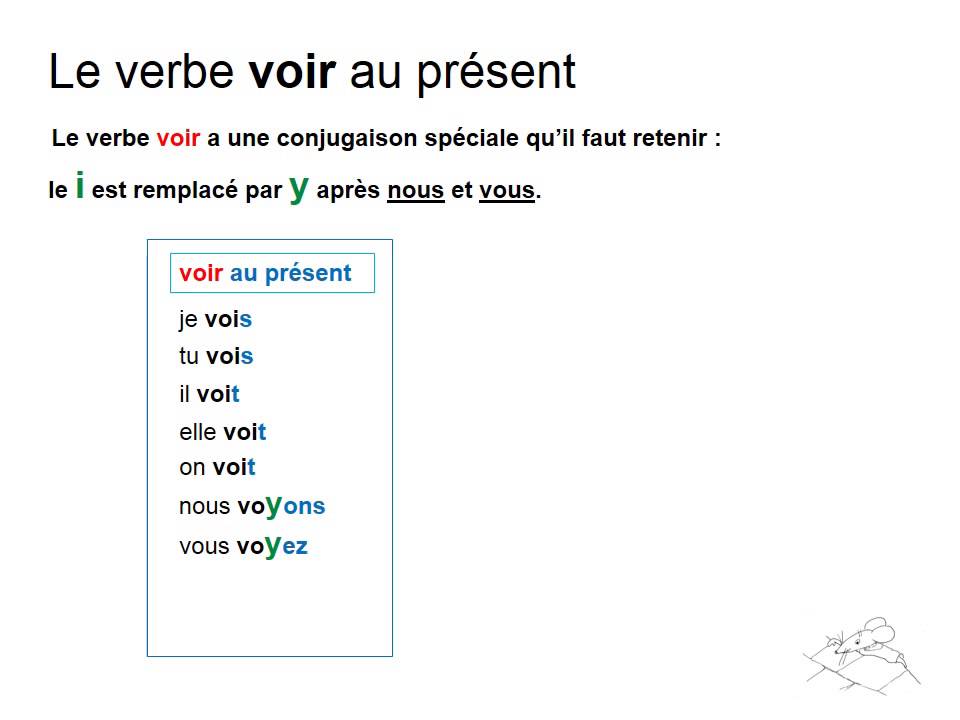
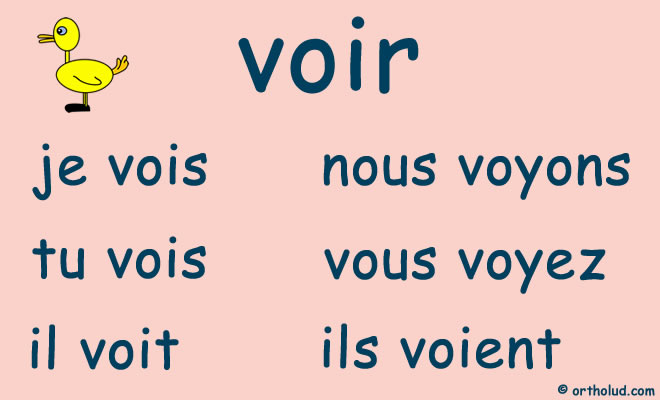
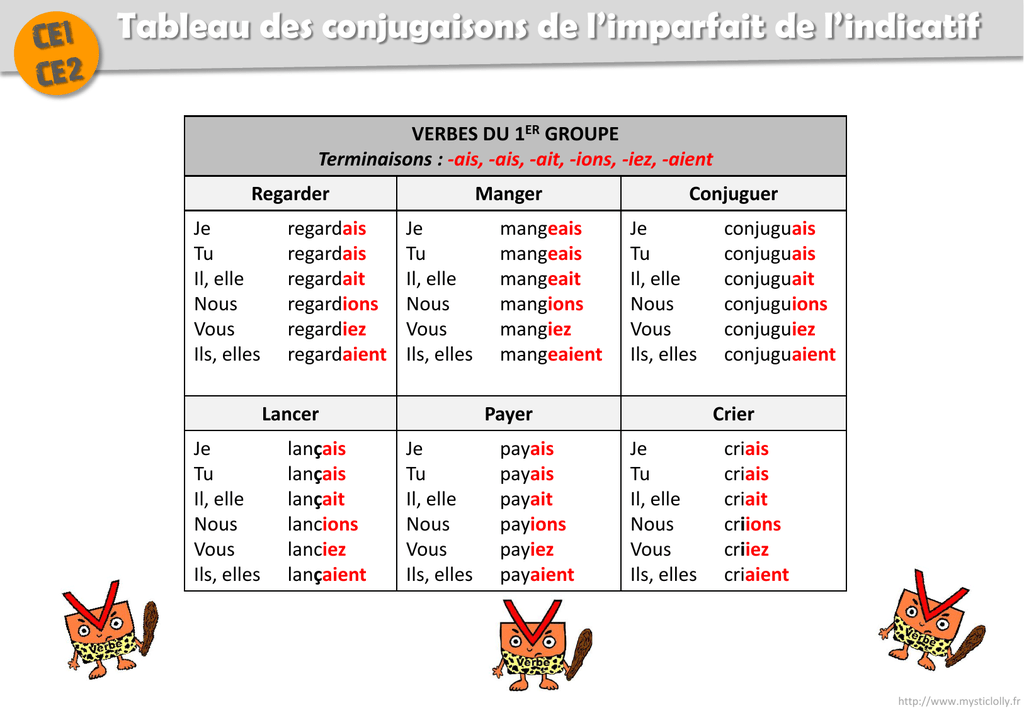
See? Not so scary, right? Notice how the endings are consistent across many verbs in the imparfait. That's a huge bonus for learning! And that little -ions and -iez? Those pesky "i" are still there after the "y"!
Now, I know what you’re thinking: "But when do I actually use this fancy tense?" Excellent question!
When to Use "Voir" in the Imparfait
Imagine this: You're reminiscing about your childhood. "Je voyais toujours ma grand-mère préparer des crêpes le dimanche matin." (I always used to see my grandmother making crêpes on Sunday mornings.) That's the imparfait at work, describing a repeated action, a fond memory!
Or perhaps you’re describing a scene: "Il voyait la mer depuis sa fenêtre." (He was seeing the sea from his window.) This sets the scene, describing an ongoing state. The view was there for some time!

Here are some typical situations where "voir" in the imparfait shines:
- Describing habits: "Chaque été, nous voyions les feux d'artifice depuis le balcon." (Every summer, we used to see the fireworks from the balcony.)
- Setting the scene: "Il faisait nuit, et elle voyait des ombres dans les arbres." (It was night, and she was seeing shadows in the trees.)
- Expressing repeated actions: "Avant, je voyais mes amis tous les jours." (Before, I used to see my friends every day.)
Notice the little clue words like "chaque" (every), "avant" (before), or even just the general context that implies a repeated or continuous action. Those are your imparfait breadcrumbs!

And don’t forget, the imparfait is often used in conjunction with the passé composé. One describes the ongoing situation, while the other describes a specific, completed action that interrupts it. For example: "Je voyais un film quand le téléphone a sonné." (I was watching a movie when the phone rang.) The imparfait sets the scene (watching the movie), and the passé composé introduces a sudden event (the phone ringing).
Petite Digression: "On voyait"
Let's pause for a moment to appreciate "On voyait". "On" can be tricky in French. It can mean "one," but often it means "we" in a more informal way. So, "On voyait des étoiles" could mean "One could see stars" or "We were seeing stars." Context is key!

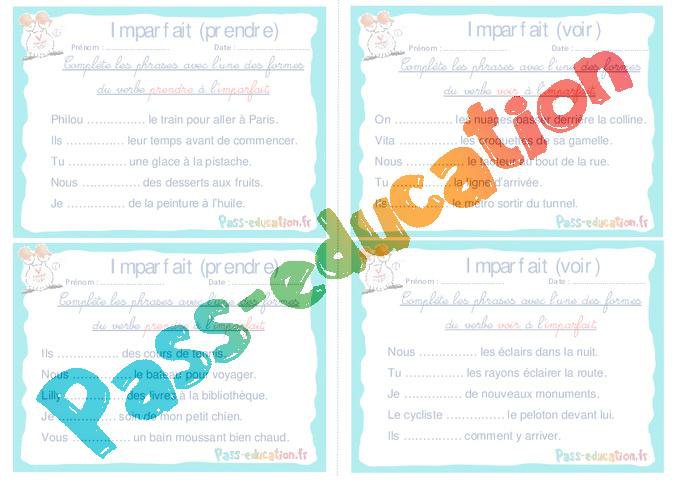
Remember, practice makes perfect! Try creating your own sentences using "voir" in the imparfait. Think about your childhood, your travels, or even just yesterday! Qu'est-ce que tu voyais hier? (What were you seeing yesterday?)
Don’t be afraid to experiment, to make mistakes. That's how we learn! The imparfait is your friend, a tool for painting vivid pictures of the past. Use it, embrace it, and let your French stories come to life!
Alors, à la prochaine! Keep practicing, keep exploring, and keep enjoying the beautiful world of the French language. I have faith in you!