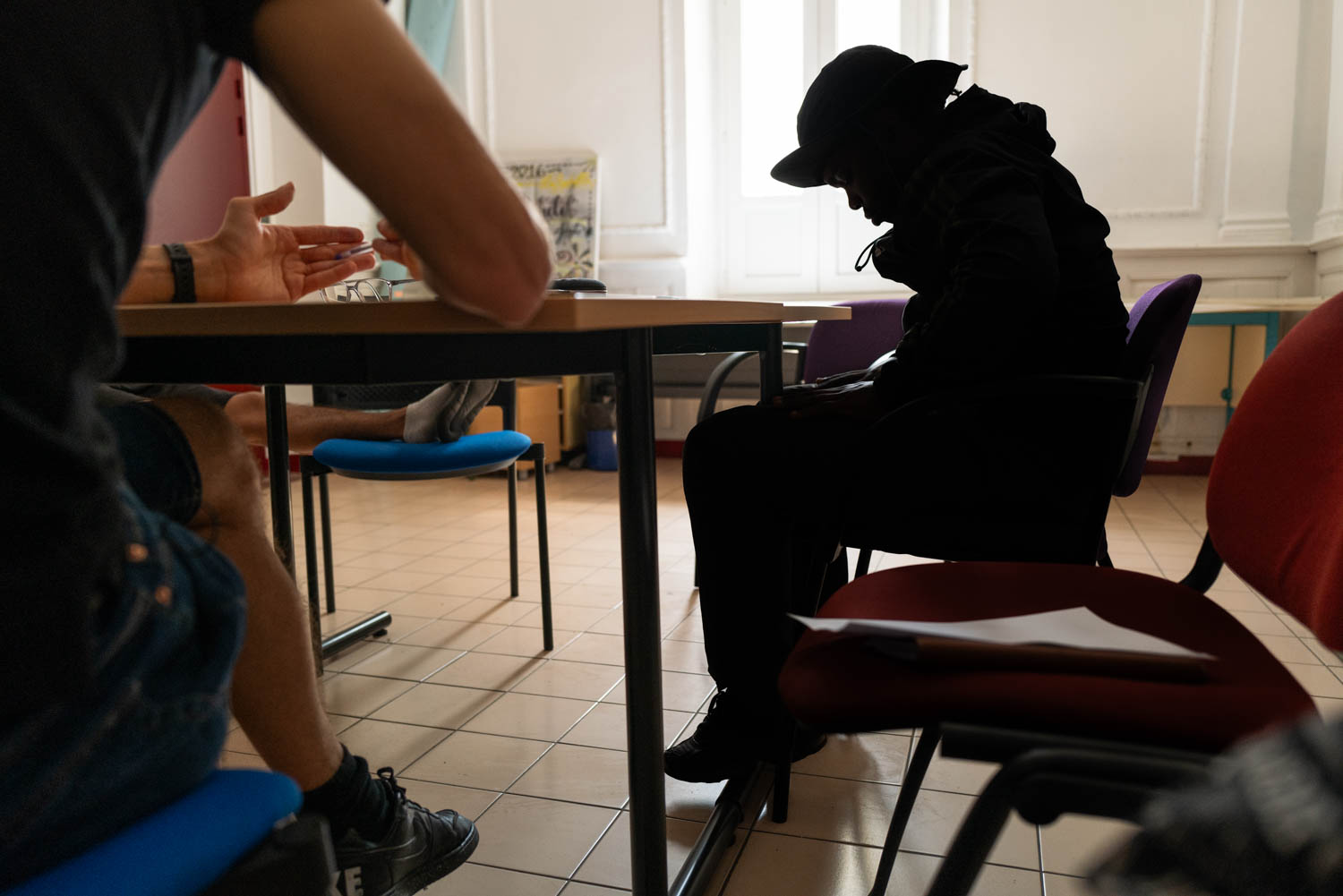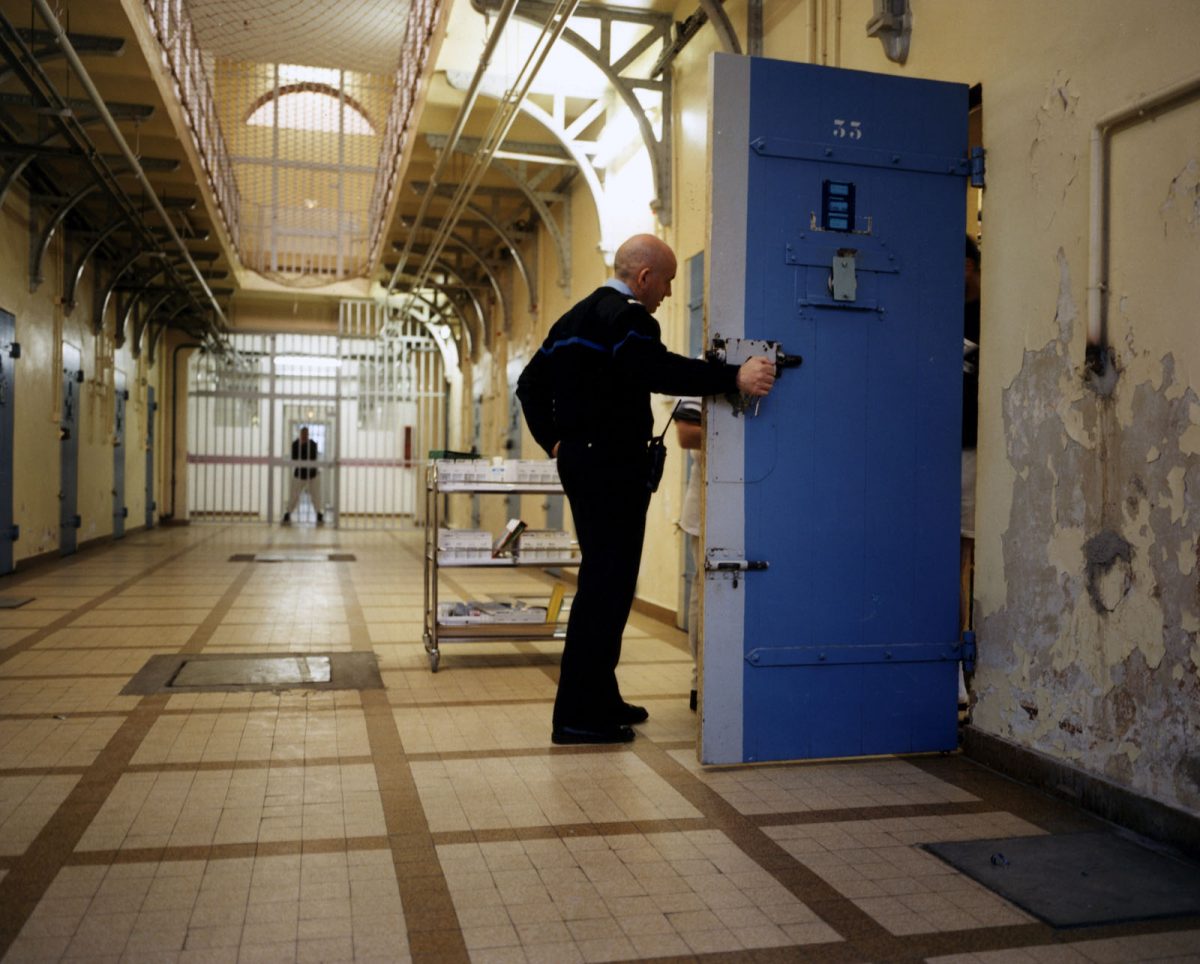
Okay, imagine this: You're chilling in a foreign airport, passport gone AWOL. Panic starts to set in, right? You're shuffled into a back room, told to wait, and suddenly you're feeling… less like a person and more like a problem. Not fun. Thankfully, (and usually!) these situations resolve themselves relatively quickly. But what if it didn’t? What if you were stuck there, or worse, somewhere else, and had no recourse?
That slightly terrifying thought experiment brings us to today's topic: le Contrôleur général des lieux de privation de liberté, or, as I like to call them, the "Guardian Angels of French Detention." (Okay, I just made that up. But it fits!). So, who (or what!) are they? Keep reading, mon ami.
What Exactly Is the Contrôleur Général des Lieux de Privation de Liberté?
Alright, let's break it down. The Contrôleur général des lieux de privation de liberté (CGLPL), roughly translated as the Inspector General of Places of Deprivation of Liberty, is an independent administrative authority in France. Think of them as a super-powered watchdog. Their job? To ensure that people held in detention – prisons, police stations, psychiatric hospitals, even places like immigration detention centers (remember our airport story? Yeah, those places!) – are treated with dignity and respect. We're talking basic human rights here, folks. Rights you’d assume people had, but assumptions, as we all know, can be dangerous.
Basically, they're there to prevent abuse. And "abuse" can mean a lot of things – from physical mistreatment to simply being held in unsanitary or overcrowded conditions. It's a broader scope than you might initially think.
They were created in 2007 (pretty recent, huh?) and their existence reflects a growing global concern about human rights and the treatment of detainees. It's a recognition that those who are deprived of their freedom are particularly vulnerable and need someone looking out for them. Someone independent, which is key.
Why "Independent" Matters
Okay, a quick but crucial point: the CGLPL's independence is super important. They aren't part of the Ministry of Justice, the police, or any other governmental body directly involved in running these facilities. This means they can be objective and critical, without fear of reprisal or political pressure. Imagine if the prison system was inspecting itself – not exactly ideal, right?
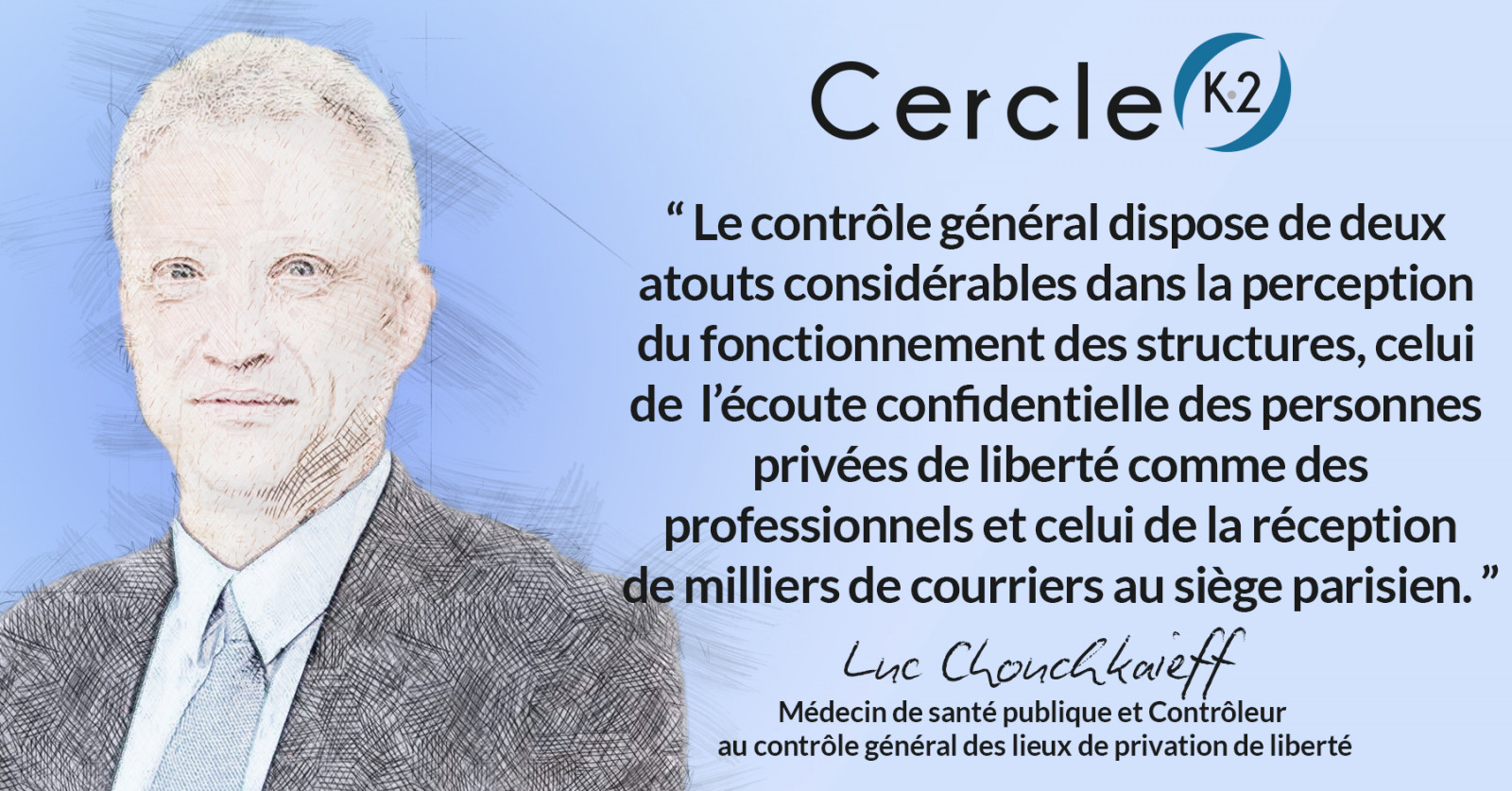
Think of it like having an impartial umpire in a baseball game. If the umpire was secretly working for one of the teams, the game wouldn't be fair! The CGLPL's independence ensures a level playing field, where the rights of detainees are protected, regardless of who's in charge of the facility.
What Does the CGLPL Actually Do?
So, what does this watchdog actually do on a day-to-day basis? Well, mainly:
- Visits: The CGLPL and its team conduct unannounced visits to places of detention all over France (and even some overseas territories!). They can walk in whenever they want (within reason, of course), which keeps everyone on their toes. Imagine the scramble when they show up!
- Interviews: They interview detainees, staff, and anyone else who might have relevant information. This is their chance to hear firsthand accounts of what's really happening inside.
- Reviews Documents: They can access all sorts of documents, from medical records to internal regulations. No secrets allowed! (Well, within legal limits, of course. National security and all that.)
- Makes Recommendations: After their visits, they issue recommendations to improve conditions and protect the rights of detainees. These recommendations can range from minor tweaks to major overhauls.
- Publicly Reports: The CGLPL publishes annual reports and specific reports on individual visits, making their findings public. This transparency is crucial for holding authorities accountable. Transparency is key to making a difference, no?
Essentially, they're peeling back the layers of secrecy and shining a light on what's happening behind closed doors. It's a tough job, but someone's gotta do it!
A Concrete Example: Let's Talk Psychiatric Hospitals
Okay, let's make this more concrete. Imagine the CGLPL is visiting a psychiatric hospital. They might:
- Check if patients are being properly informed about their treatment. Are they given a say in their care, or are decisions being made for them without adequate explanation?
- Assess the use of restraints. Are they being used excessively or as a form of punishment? Restraints should only be used as a last resort, for the safety of the patient or others.
- Evaluate the living conditions. Are the rooms clean and comfortable? Are patients receiving adequate food and medical care?
- Talk to patients about their experiences. Are they being treated with respect? Do they feel safe and supported?
Based on their findings, they might recommend changes to the hospital's policies, staffing levels, or physical infrastructure. They might even call for disciplinary action if they find evidence of abuse or neglect.
What Powers Does the CGLPL Actually Have?
Alright, here's the million-dollar question: how much teeth does this watchdog actually have? They can make recommendations, but can they force anyone to do anything?

The answer is a bit complicated. The CGLPL doesn't have the power to directly impose sanctions or change laws. But their recommendations carry significant weight. Here's why:
- Moral Authority: The CGLPL is a highly respected body, and their pronouncements are taken seriously by the government, the media, and the public. Nobody wants to be publicly shamed for mistreating detainees!
- Public Scrutiny: Their public reports can generate significant public pressure on authorities to address the issues they raise. Remember that transparency thing? It works!
- Legal Leverage: Their findings can be used as evidence in legal challenges to detention conditions. Detainees can use the CGLPL's reports to bolster their claims of mistreatment or human rights violations.
- Influence on Policy: The CGLPL's recommendations can influence government policy and legislation related to detention. They're often consulted by policymakers when new laws and regulations are being drafted.
So, while they can't directly force change, they have a powerful platform to advocate for it. They're the squeaky wheel that gets the grease, so to speak.
Criticisms and Challenges
Of course, no system is perfect, and the CGLPL faces its share of criticisms and challenges. Some common critiques include:

- Limited Resources: The CGLPL has a relatively small staff and budget, which can make it difficult to effectively monitor all places of detention in France. Imagine trying to keep tabs on everything with limited resources. It's like trying to herd cats!
- Slow Response Times: The process of investigating complaints and issuing recommendations can be slow, which means that detainees may have to endure substandard conditions for extended periods.
- Lack of Enforcement Power: As mentioned earlier, the CGLPL can't directly enforce its recommendations, which can be frustrating when authorities are resistant to change.
- Access Restrictions: While they have broad access rights, there have been instances where they've faced obstacles in accessing certain facilities or information. This is not cool.
Despite these challenges, the CGLPL remains a vital institution for protecting the rights of detainees in France. It's a constant reminder that even those who have been deprived of their freedom are still entitled to basic human dignity and respect. It's a work in progress, but a crucially important one.
Why Should You Care?
Okay, you might be thinking, "This is all very interesting, but why should I care about what happens in French prisons or psychiatric hospitals?"
Here's why:
- Human Rights are Universal: The principles of human rights apply to everyone, regardless of their nationality, background, or circumstances. What happens in a French prison is a reflection of how society values those rights.
- Accountability Matters: Holding authorities accountable for their treatment of detainees is essential for preventing abuse and ensuring that justice is served.
- It Could Happen to You (or Someone You Know): While you might not think you'll ever end up in a French prison, you never know what life might throw your way. Or maybe a friend or family member might find themselves in a similar situation. It's good to know there are safeguards in place.
- It's About a Just Society: A society that treats its most vulnerable members with dignity and respect is a more just and equitable society for everyone. Ultimately, we’re all interconnected.
So, the next time you're sipping a café in Paris, remember the CGLPL, the unsung heroes working behind the scenes to protect the rights of those who have been deprived of their liberty. They're a reminder that even in the darkest corners, there's always hope for justice and compassion. A truly interesting and important role, right?