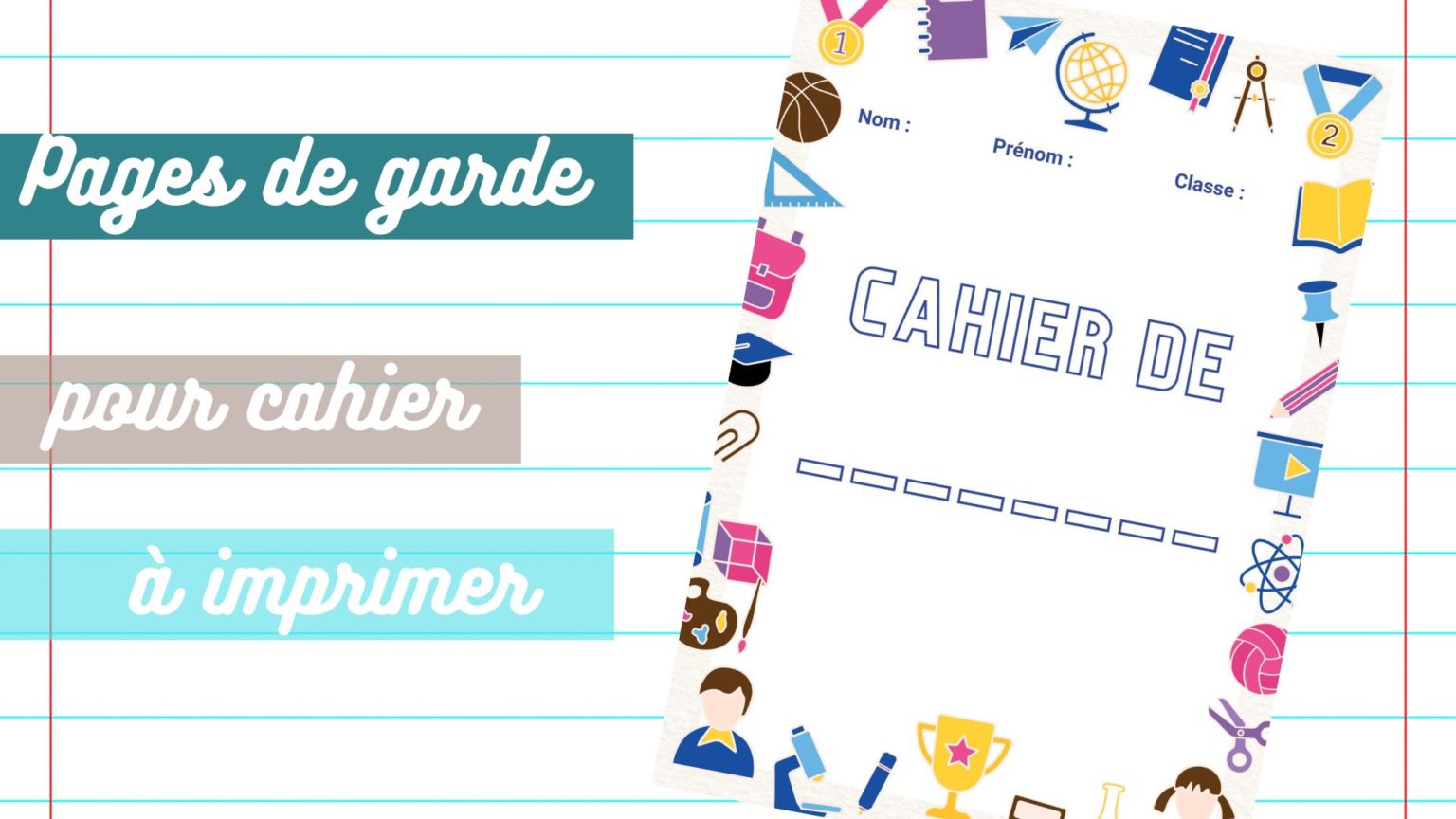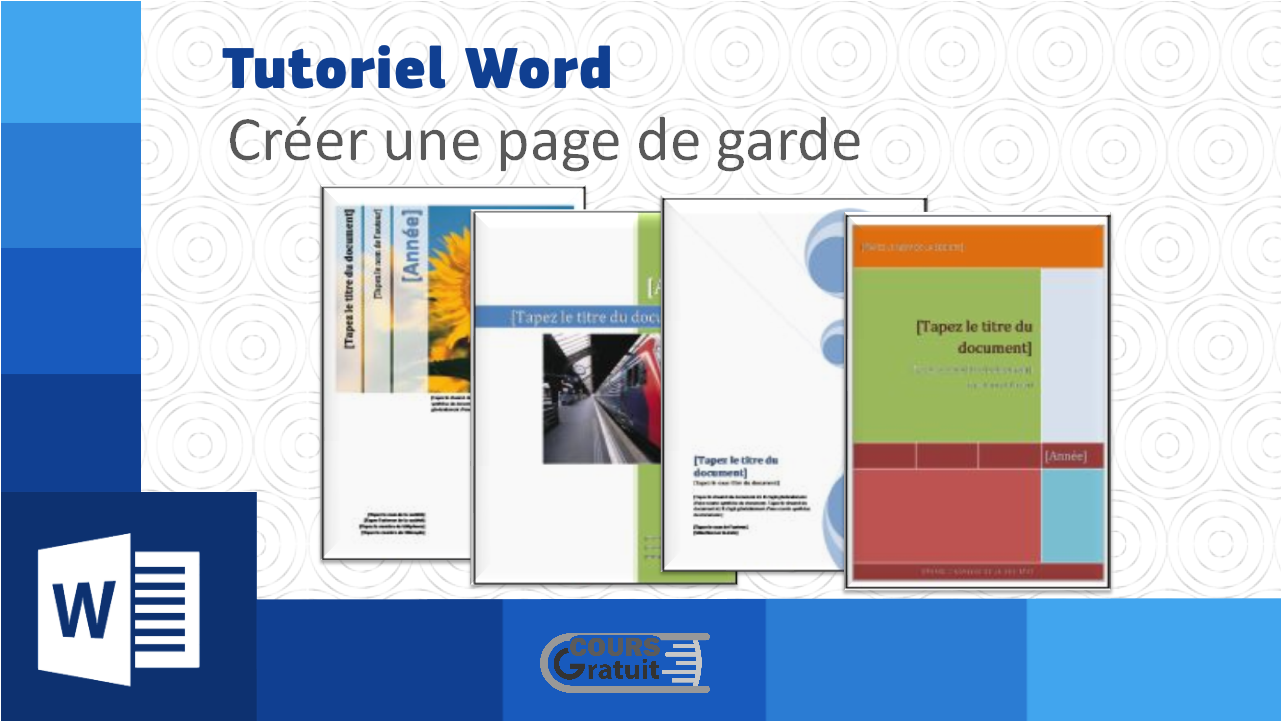
Okay, confession time. Remember that time I accidentally submitted my master's thesis without a title page? Yeah, mortifying. Professor Dubois looked at me like I’d just asked him to solve world hunger using only a spork. Lesson learned: don't underestimate the power of a good, crisp, well-formatted title page. It's like the cover art of your academic album, folks!
Which brings me to the burning question of the day: How do you actually create one? And more importantly, how do you create one that doesn’t make you want to hide under your desk?
Pourquoi une page de garde, au juste? (Why a Title Page, Anyway?)
Besides avoiding the aforementioned professor Dubois death stare? A title page, or "page de garde," does a few really important things:
- Identification claire: It tells everyone exactly what they’re looking at. No guessing games!
- Professionnalisme: It shows you care. Like, really care. (Even if you were scrambling to finish at 3 AM.)
- Contexte: It often includes the course name, professor, and date, putting your work into context. Think of it as the who, what, when, and where of your document.
Essentially, it's a signpost saying, "Hey! This is important! And I put some effort into it!" It's the first impression; make it count!
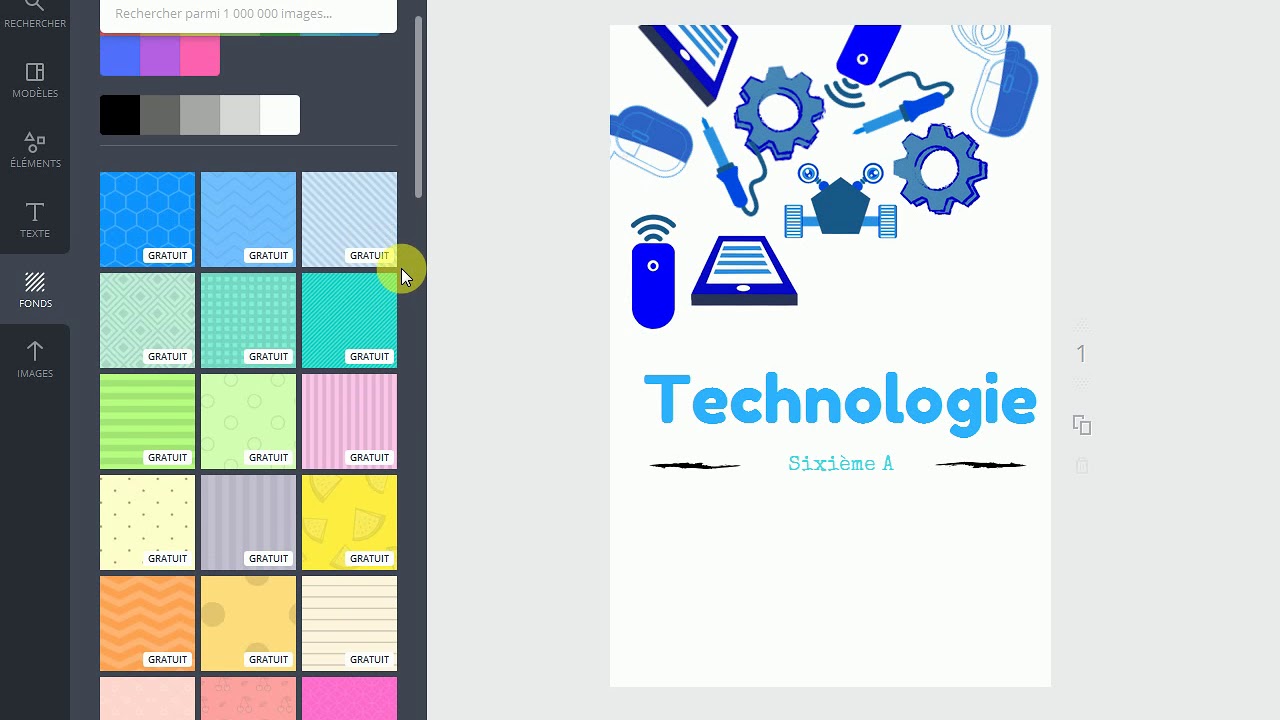
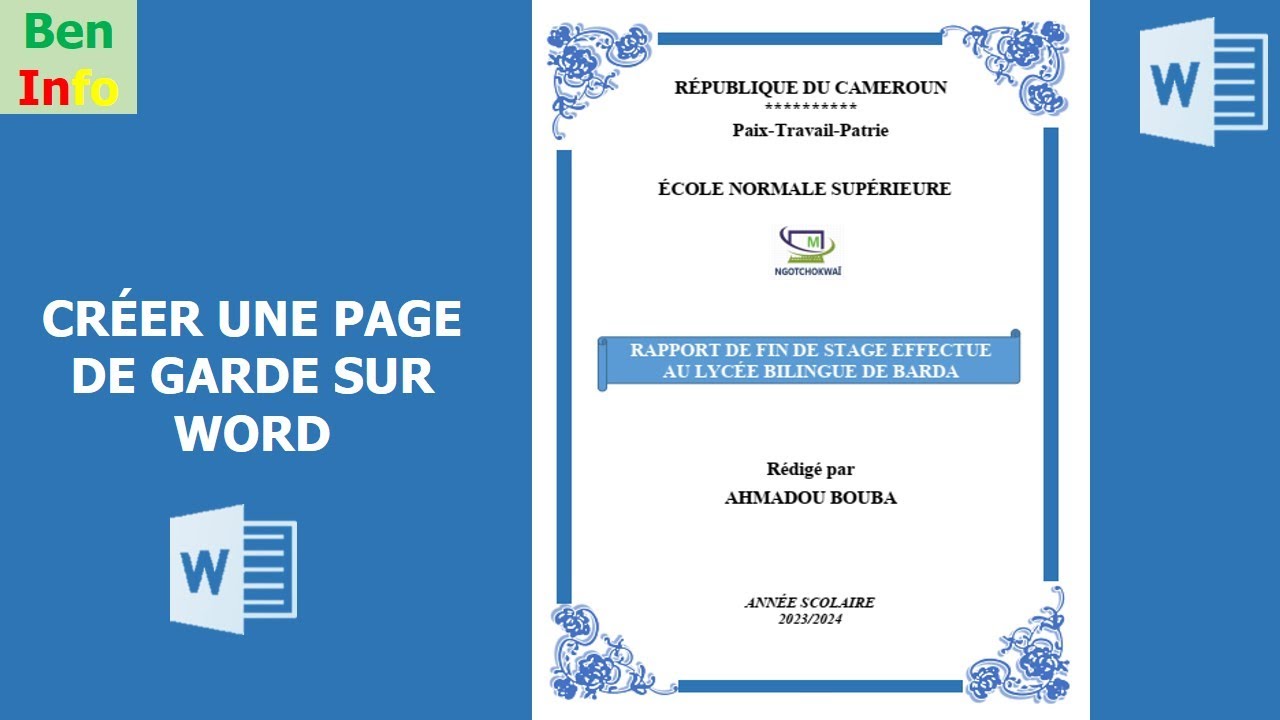
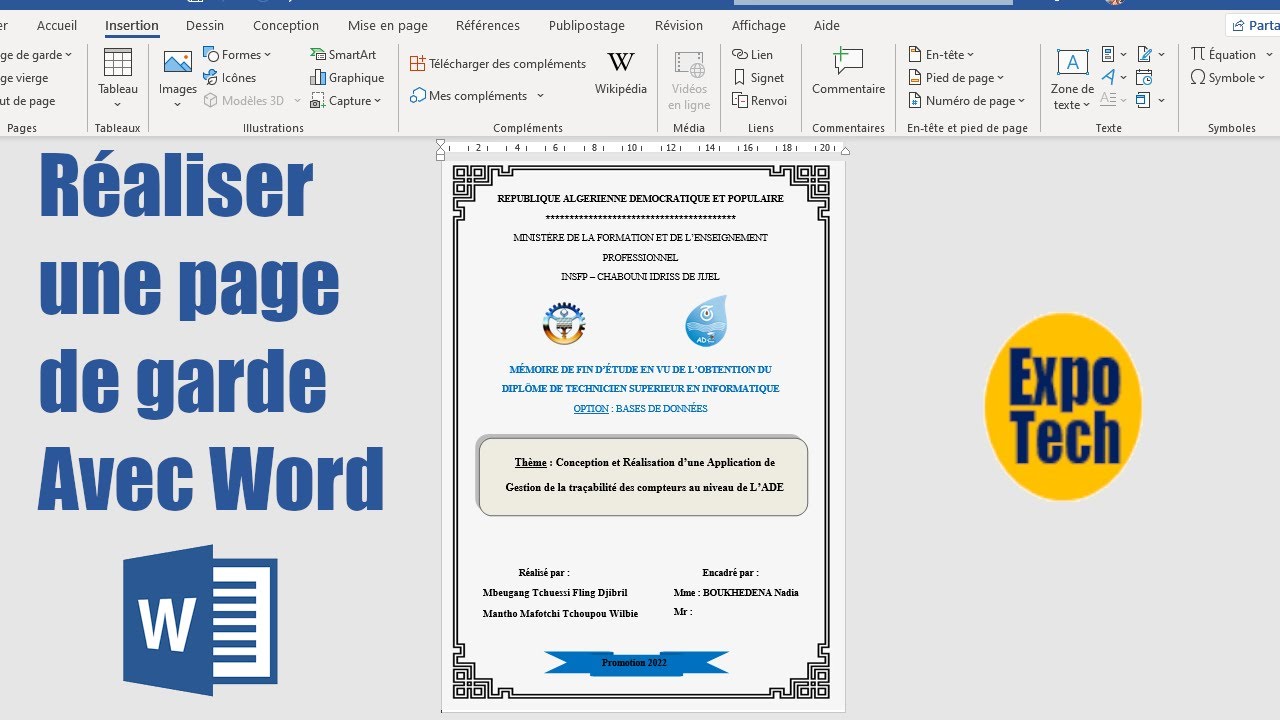
Les Éléments Essentiels (The Essential Elements)
So, what goes on this magical page? Here's the basic recipe:
- Le titre (The Title): Obviously. Make it clear, concise, and representative of your work. Avoid overly verbose titles – think "The Impact of Butterflies on 18th Century French Literature" instead of "A Deep Dive into the Fascinating World of Butterflies and Their Unexpected Influence on the Nuances and Subtleties Found Within the Literary Landscape of 18th Century France." (You get the point.)
- Votre nom (Your Name): Because, well, you did the work.
- Le nom du cours (The Course Name): Let your professor know which class you’re submitting it for.
- Le nom du professeur (The Professor's Name): Show some respect! (And maybe, just maybe, earn a few brownie points.)
- La date (The Date): Super important for keeping track of assignments.
- (Optionnel) Le logo de l'université (The University Logo): If required by your university's guidelines.
La Mise en Page (Layout Tips & Tricks)
Okay, so you have all the ingredients. Now, how do you arrange them on the page without causing a visual catastrophe?

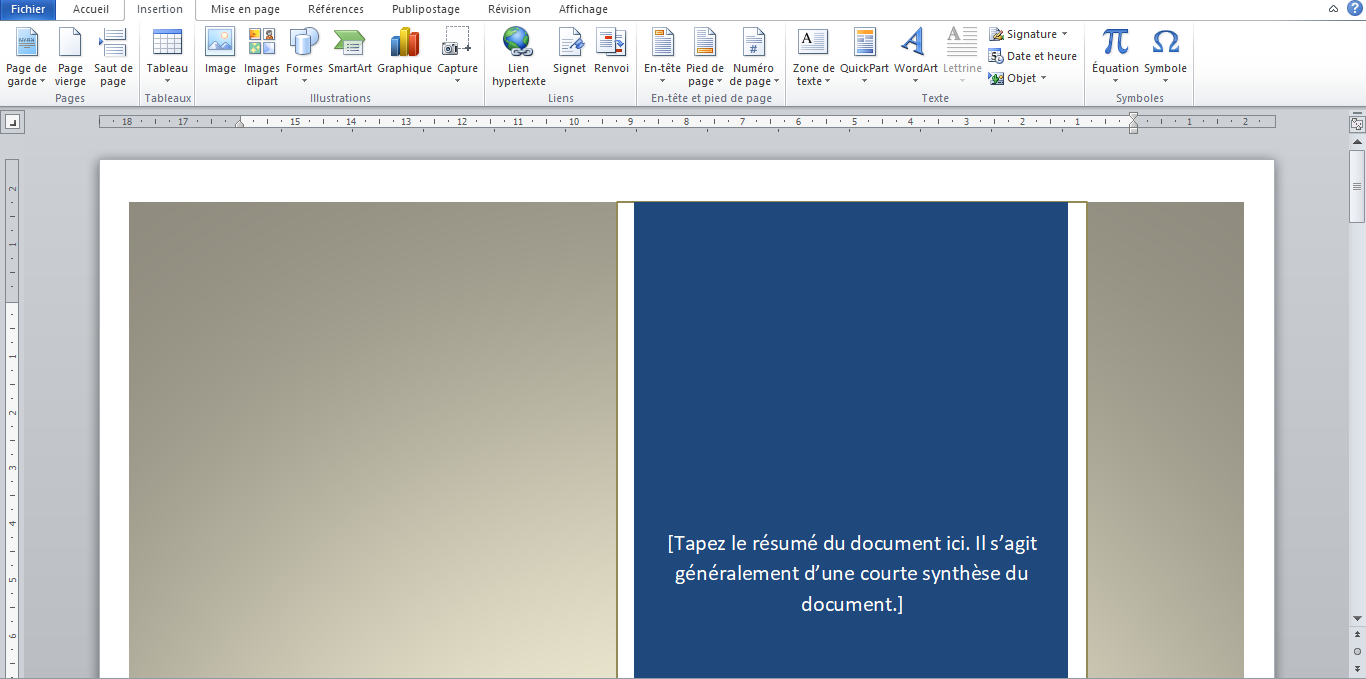
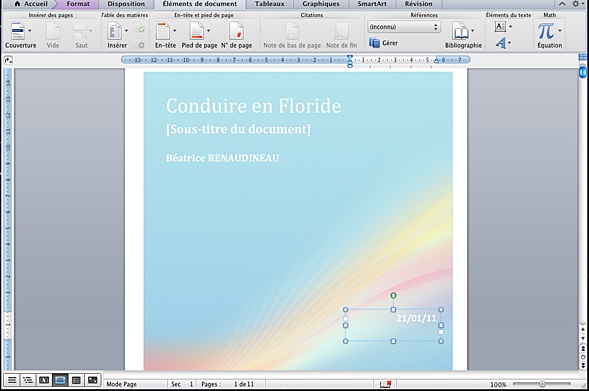
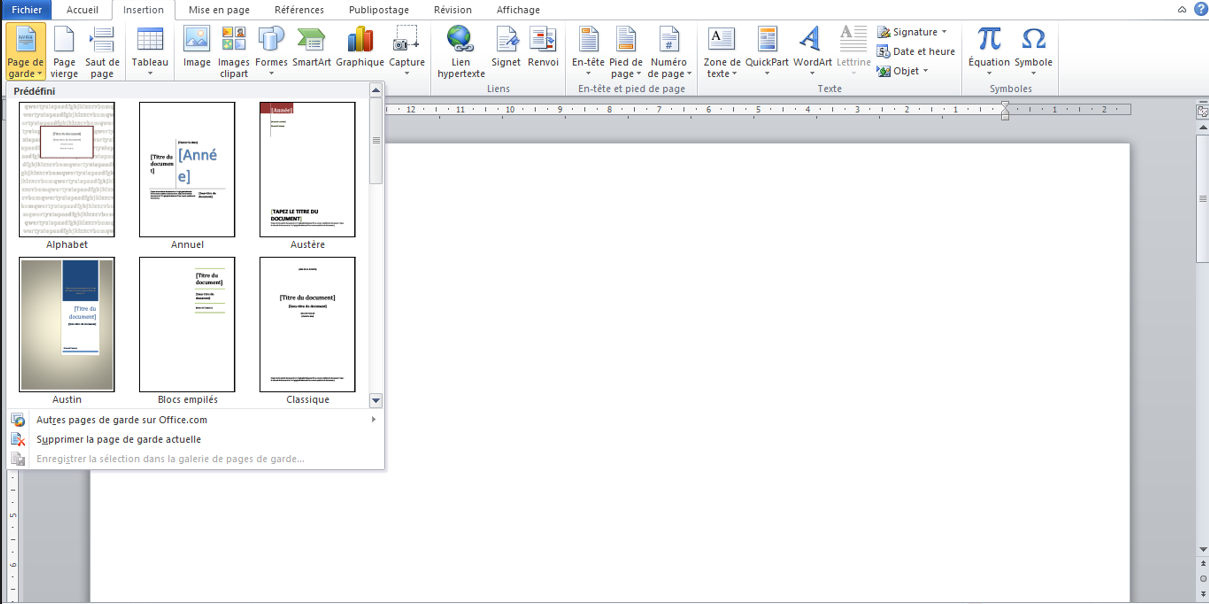
- Utilisez un logiciel de traitement de texte (Use a Word Processor): Word, Google Docs, LibreOffice... take your pick. Don't try to format this in Notepad. Trust me.
- Centrez le texte (Center the Text): Generally, title pages are centered horizontally and vertically. But check your university's guidelines!
- Choisissez une police lisible (Choose a Readable Font): Times New Roman, Arial, Calibri are safe bets. Avoid Comic Sans unless you're intentionally trying to be ironic. (Don't do it.)
- Jouez avec la taille de la police (Play with Font Size): Make the title larger than the rest of the text. But don't go overboard!
- Vérifiez les marges (Check the Margins): Make sure everything is nicely spaced and doesn't look cramped.
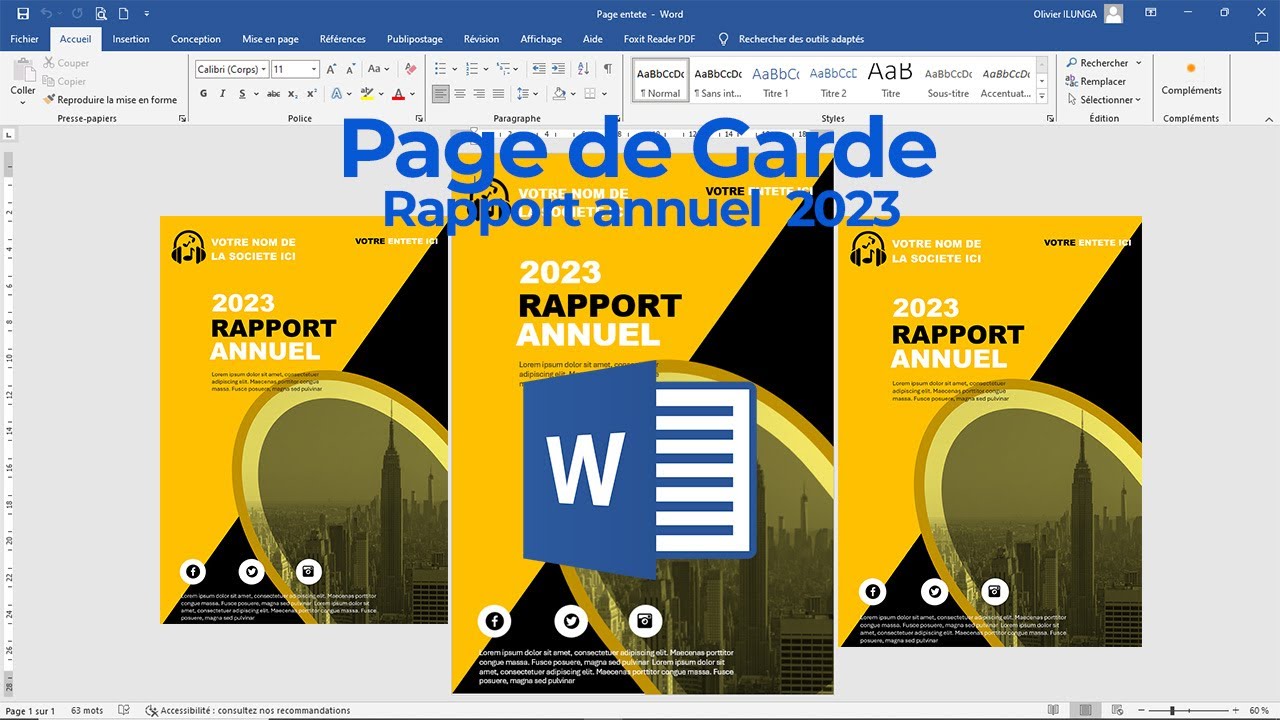
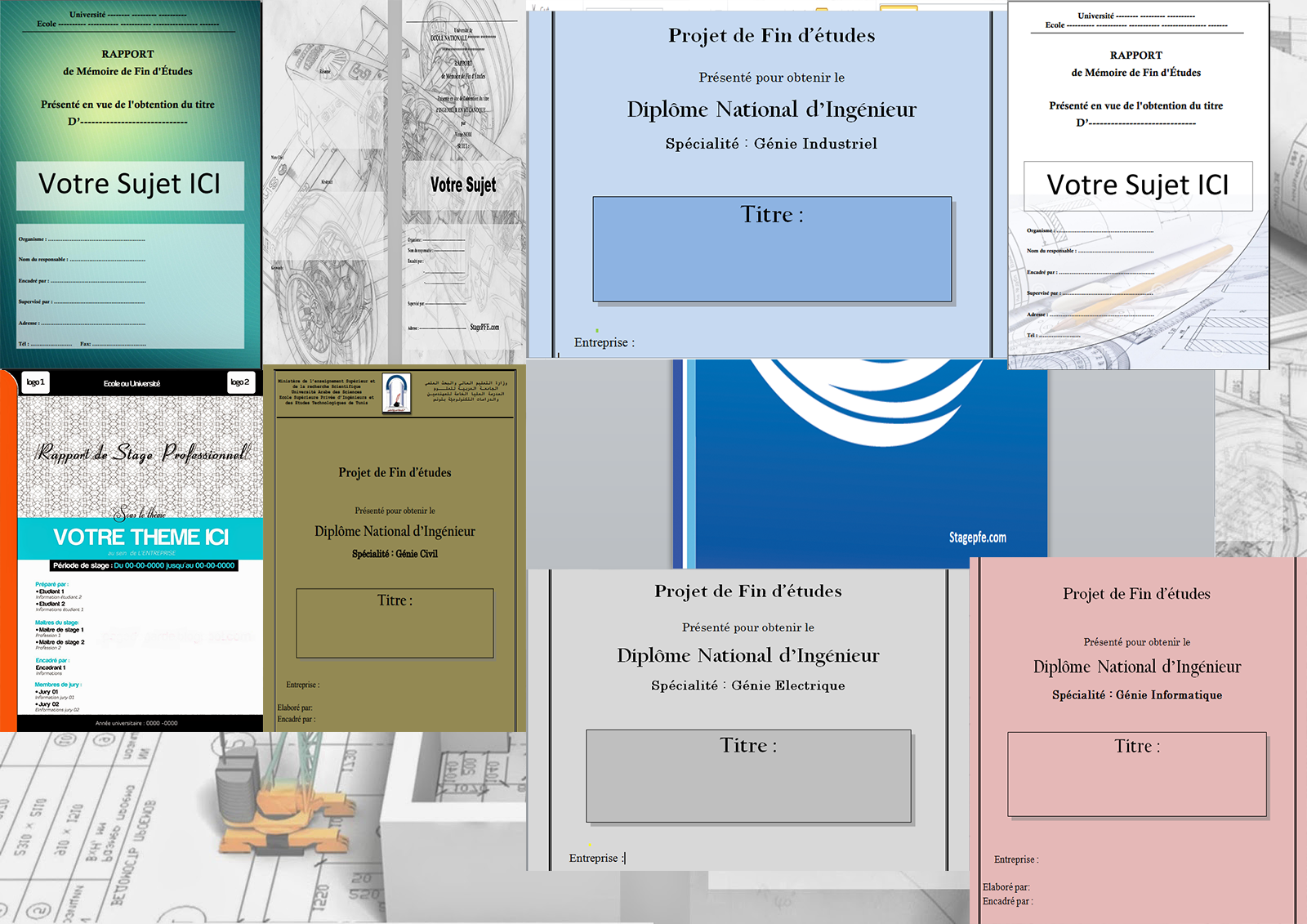
Un petit conseil (A Little Tip): Look at examples online! Search for "exemple page de garde" or "title page examples" and get inspired. Don't copy them verbatim, but use them as a starting point.
Creating a "page de garde" doesn't have to be a daunting task. With a little bit of planning and attention to detail, you can create a professional-looking title page that will impress your professor (and maybe even save you from a Dubois-esque stare). Now go forth and conquer that academic album cover!