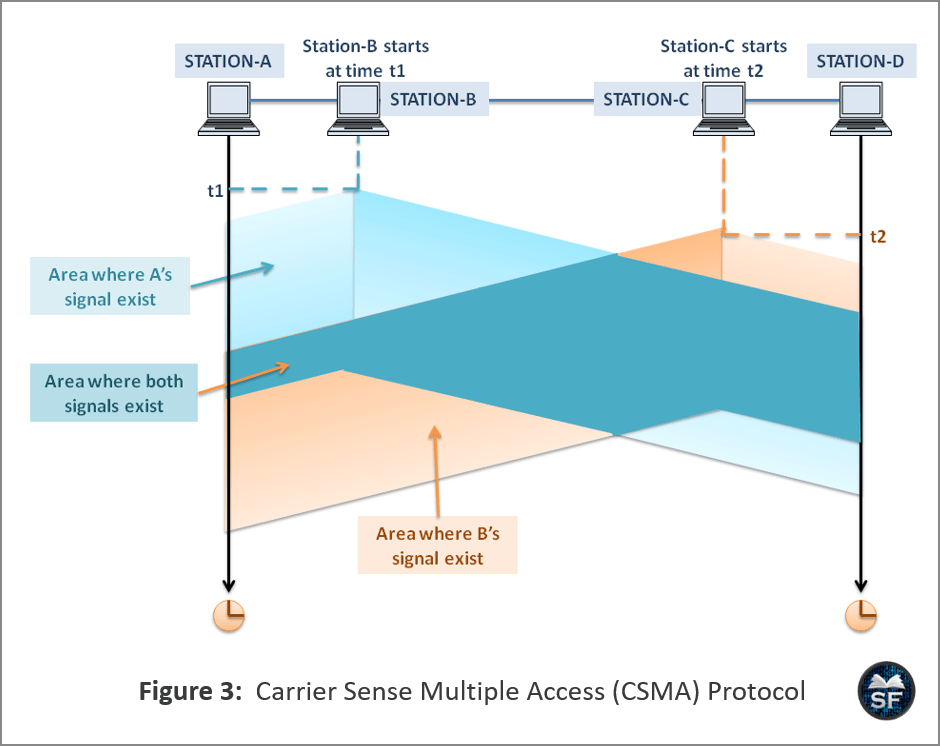
Okay, imagine this: You're at a family dinner. Ten relatives, one mashed potato bowl. Chaos, right? Everyone's reaching for the potatoes at the same time, forks clanging, elbows bumping. Sometimes two people even try to scoop from the same spot simultaneously! Aunt Gertrude gets mad, Uncle Bob spills gravy… it's a mess. This, my friends, is basically what happens on a computer network all the time, but with data packets instead of potatoes. And the "avoiding the mess" part? That's often where CSMA comes in.
What even is CSMA? (And why should I care?)
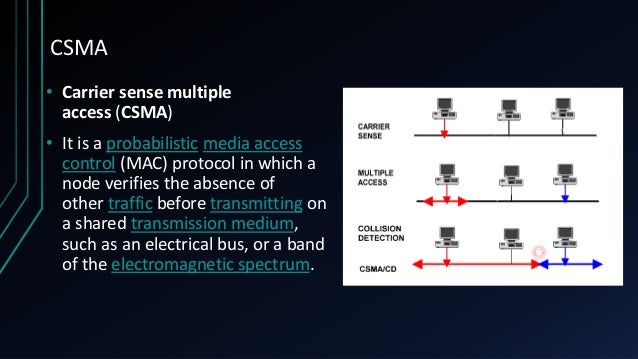
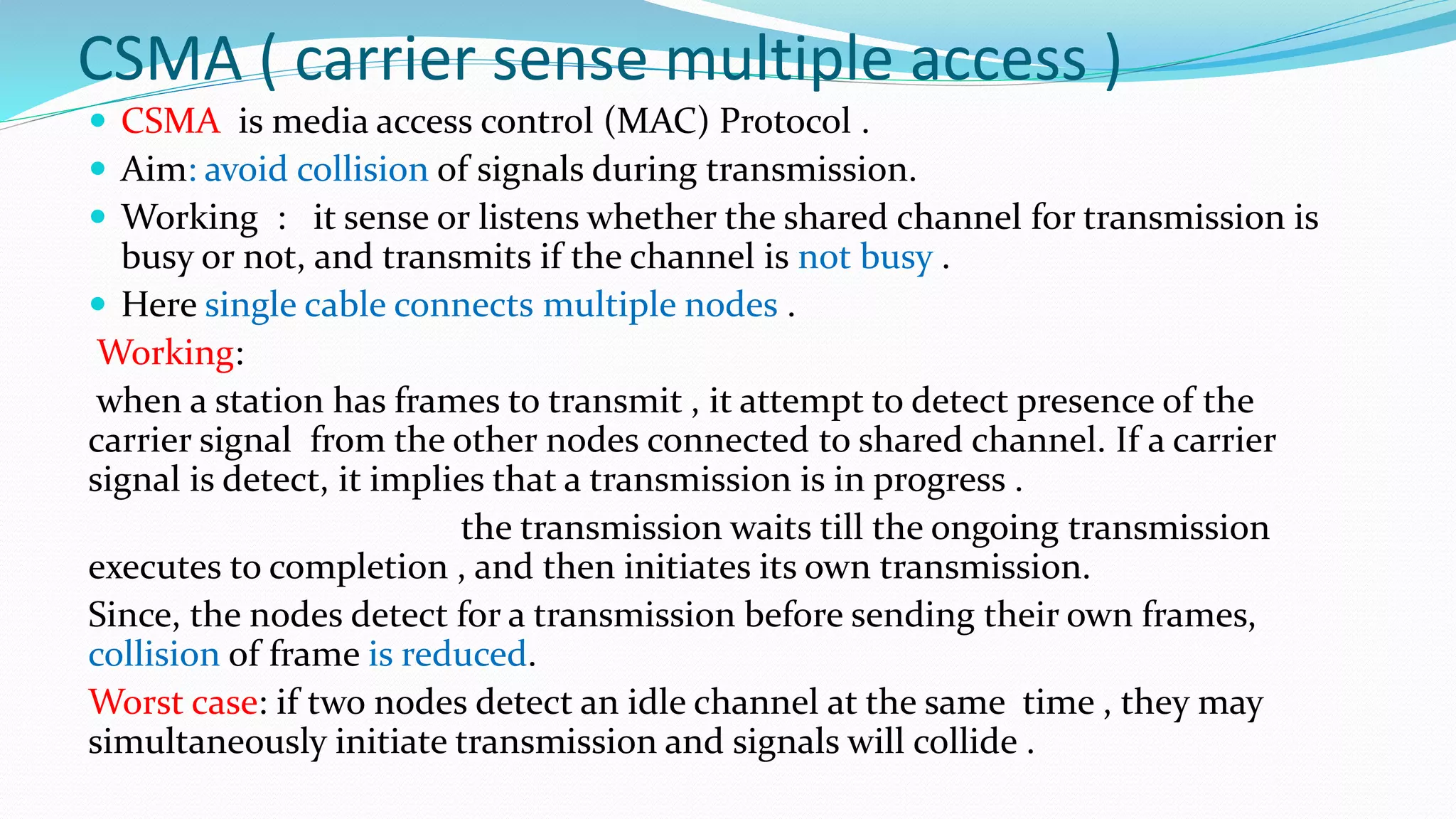
CSMA, or Carrier Sense Multiple Access, is a set of rules that devices on a network use to avoid crashing into each other while transmitting data. Think of it as network etiquette – the "please don't talk over me" of the digital world. It's all about coordinating access to the shared network medium, which could be a cable, a radio frequency (Wi-Fi!), or whatever else you're using to sling those sweet, sweet bits of information around.
Why should you care? Well, if you've ever experienced slow internet, dropped connections, or general network weirdness, chances are, congestion and collisions (the digital equivalent of mashed potato spillage) were at least partly to blame. CSMA helps to mitigate those problems by giving devices a way to "listen" before they "speak." Think of it as the network equivalent of saying "Excuse me, is anyone using this channel?" before trying to broadcast your message.
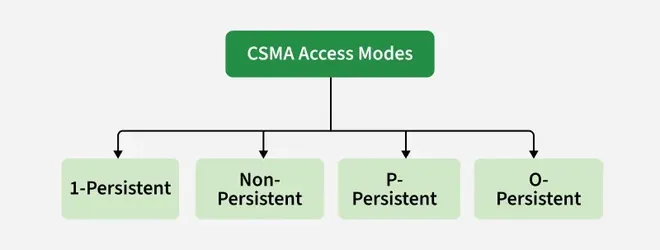
There are several different flavors of CSMA, each with its own strategy for dealing with potential collisions. Let's dive into a couple of the most common ones (don't worry, it's not that complicated):
CSMA/CD: Collision Detection (The "Oops, Sorry!" Method)
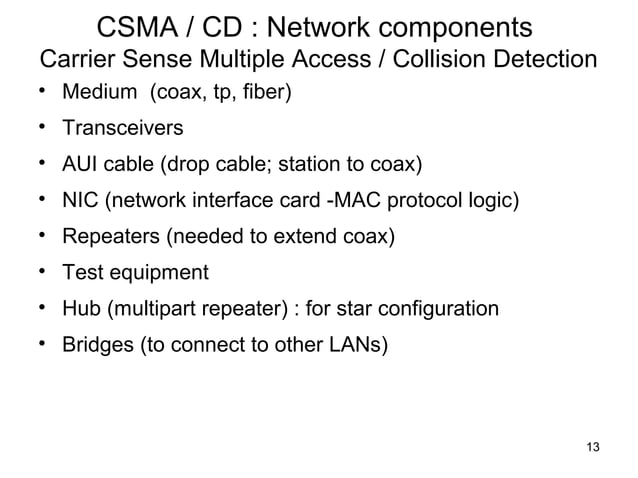
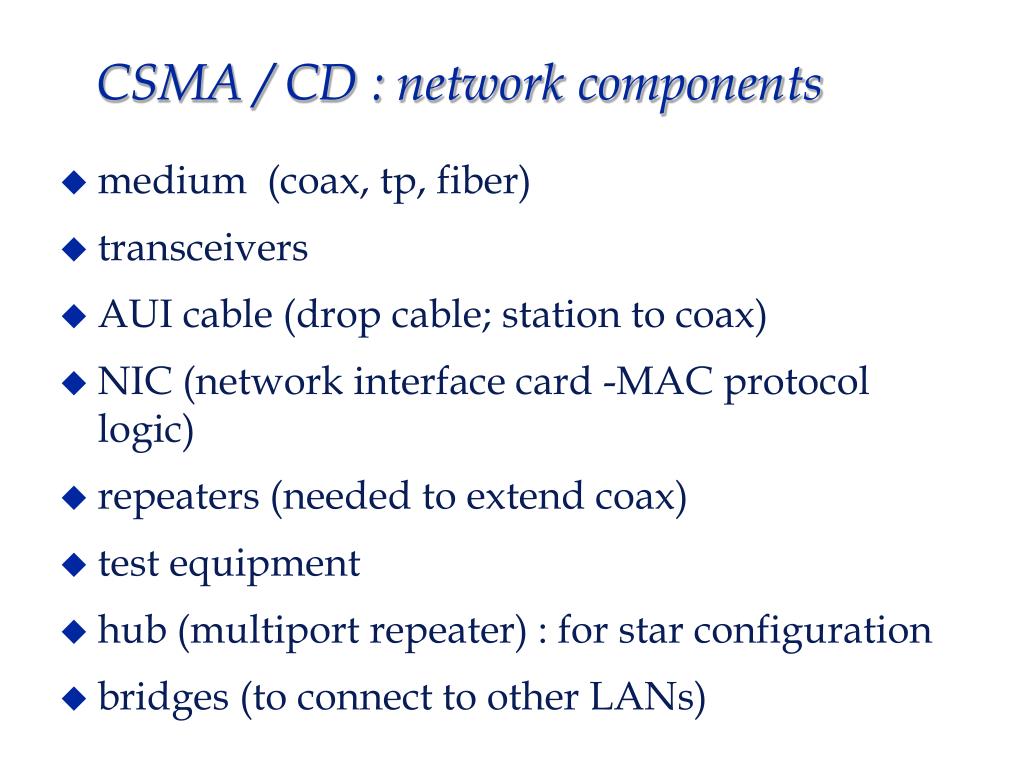
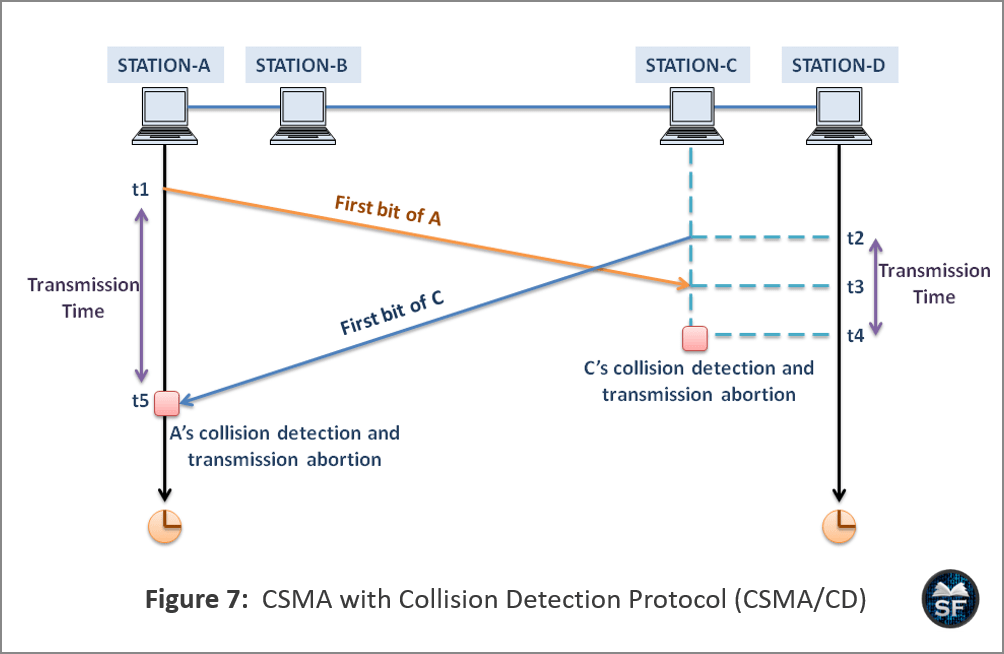
CSMA/CD is used primarily in wired networks like Ethernet (that trusty cable connecting your computer to the router). The "CD" stands for Collision Detection, and that's the key difference. Here's how it works:
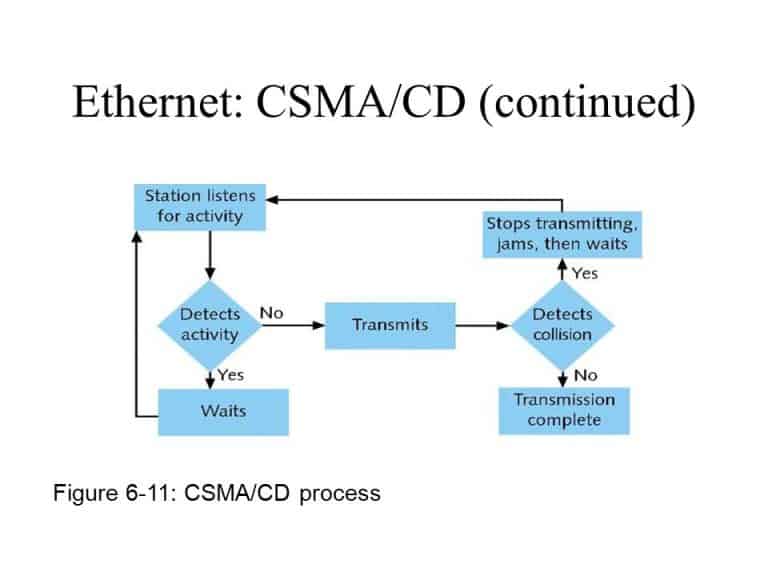
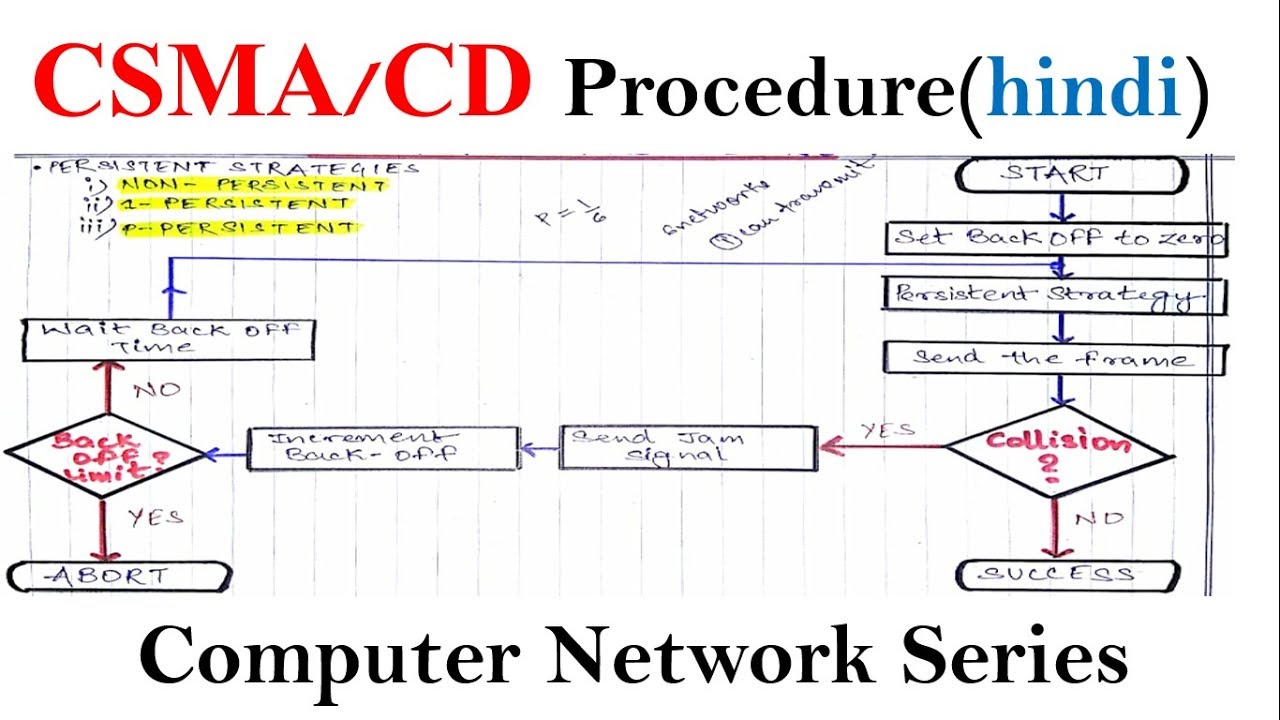
- A device wants to transmit data. First, it listens to the network – "Carrier Sense" – to see if anyone else is transmitting.
- If the network is clear, the device starts transmitting.
- While it's transmitting, the device continues to listen. This is important! It's like driving while still checking your rearview mirror.
- If the device detects a collision (i.e., someone else started transmitting at the same time), it immediately stops transmitting. "Oops! Sorry!"
- Then, it sends a jam signal to let everyone else know that a collision occurred. This prevents the receiving device from trying to process corrupted data. Think of it as shouting "Abort! Abort!" at the mashed potato bowl.
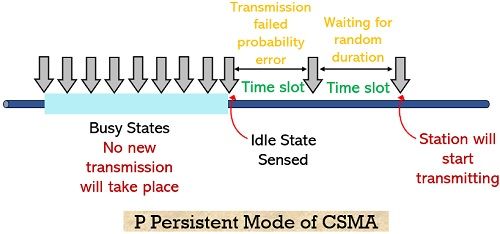
- Finally, each device involved in the collision waits a random amount of time before trying to transmit again. This helps prevent another collision from happening right away. This waiting period is called the backoff algorithm. (Yes, that’s a fancy name for “being polite and waiting your turn”).
So, the key here is that CSMA/CD detects collisions while they are happening. This allows devices to stop transmitting quickly, minimizing the wasted bandwidth.

Think about it. Imagine both you and your brother reaching for the last cookie at the same time. CSMA/CD is like realizing you both reached, immediately saying "oops, you first!", and then both waiting a bit before trying again to avoid another awkward cookie grab.
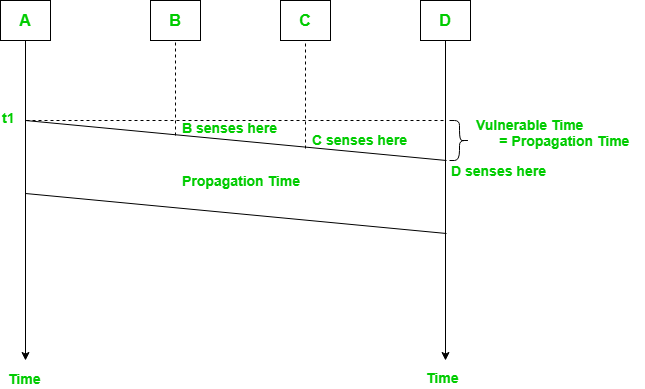
However, it’s important to remember that CSMA/CD has some limitations. It becomes less efficient as the network gets larger or the data transmission rate increases. The farther the distance, the longer it takes to detect a collision, meaning more time wasted on the collision and the retransmission.
CSMA/CA: Collision Avoidance (The "Let's Not Even Try to Collide" Method)
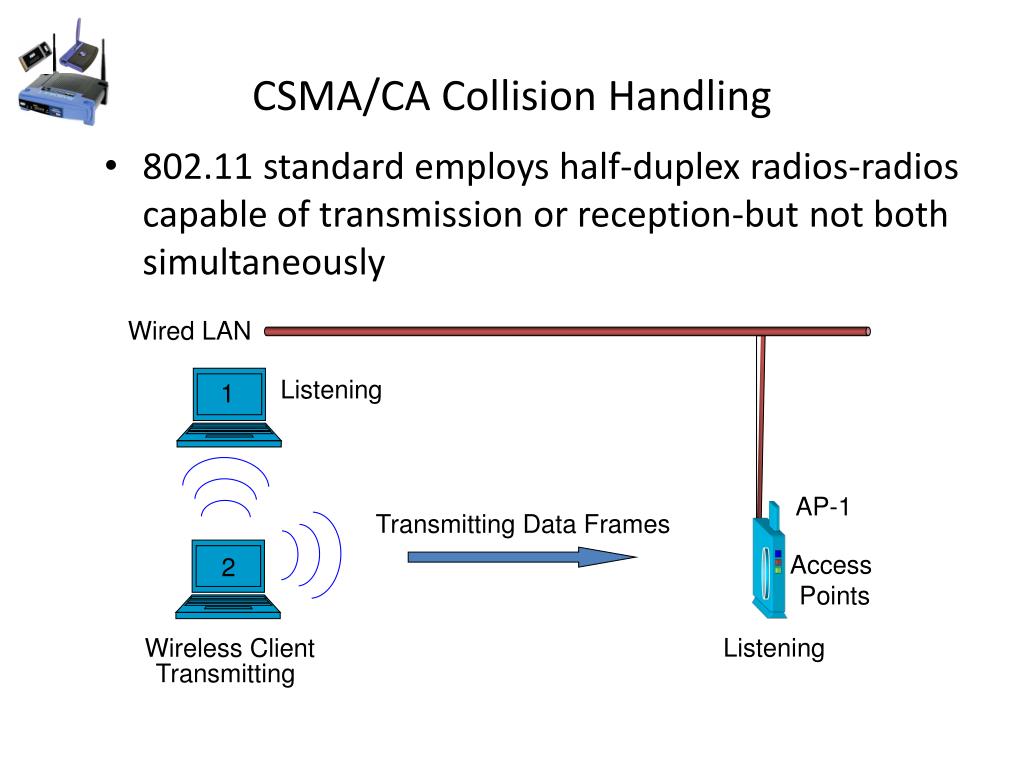
CSMA/CA, or Collision Avoidance, is typically used in wireless networks like Wi-Fi (802.11 standards). It’s a bit more proactive than CSMA/CD. Wireless networks have a "hidden node" problem where devices can be within range of the access point (router) but not within range of each other. This makes collision detection difficult, which is why CSMA/CA takes a different approach.
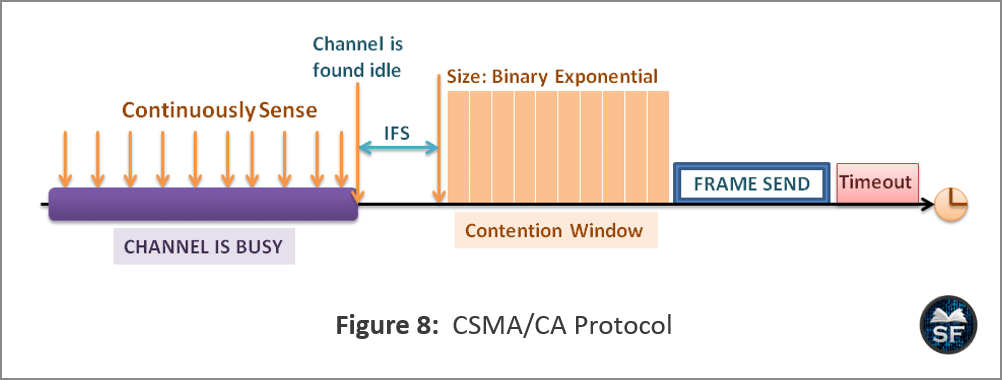
The “CA” stands for Collision Avoidance, and the primary mechanism is based on something called RTS/CTS (Request to Send/Clear to Send). Here's the general idea:
- A device wants to transmit data. It first listens to the network – "Carrier Sense" – to see if anyone else is transmitting.
- If the network is clear, the device doesn't just start transmitting data. Instead, it sends a RTS (Request to Send) frame to the access point. This is like saying, "Hey, I want to send something, is it okay?"
- The access point, if it's clear to receive data, sends back a CTS (Clear to Send) frame. This is like saying, "Okay, go ahead!"
- Only then does the device actually transmit its data.
This RTS/CTS mechanism helps to avoid collisions by reserving the network for a specific device. It's like Aunt Gertrude announcing, "I'm taking the next scoop of mashed potatoes, everyone back off!"
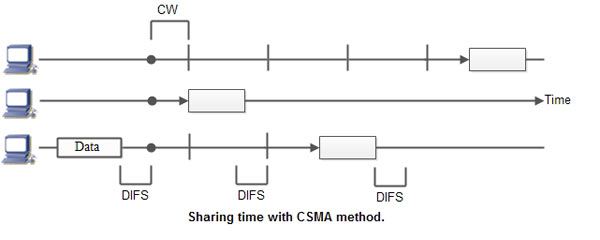
There's also a mechanism called DCF (Distributed Coordination Function) that all stations use. DCF requires a station to wait a random amount of time (a backoff period) before attempting to transmit. If the channel remains idle during the backoff period, the station transmits its frame. This helps to minimize collisions even if RTS/CTS isn't used (which is often the case for smaller data packets because RTS/CTS adds overhead).
Think of it like driving defensively. Instead of waiting for a collision to happen and then reacting, you try to anticipate potential problems and take steps to avoid them altogether.
However, CSMA/CA comes with its own downsides. The RTS/CTS handshake adds overhead to the communication process. It's like having to fill out a permission slip before you can get a drink of water. All those extra frames take up bandwidth and can slow things down, especially for small data packets. It’s like making a big announcement for every single potato scoop when, you know, sometimes you just want a quick bite.
CSMA: Not a Perfect Solution, But a Necessary One
CSMA (in both its CD and CA varieties) isn't a perfect solution. Collisions can still happen, and the backoff algorithms can sometimes lead to delays. But without CSMA, networks would be utter chaos. Imagine everyone on the internet trying to transmit data at the same time, with no rules or coordination. It would be like a thousand family dinners happening simultaneously, all with one bowl of mashed potatoes. Absolute carnage!
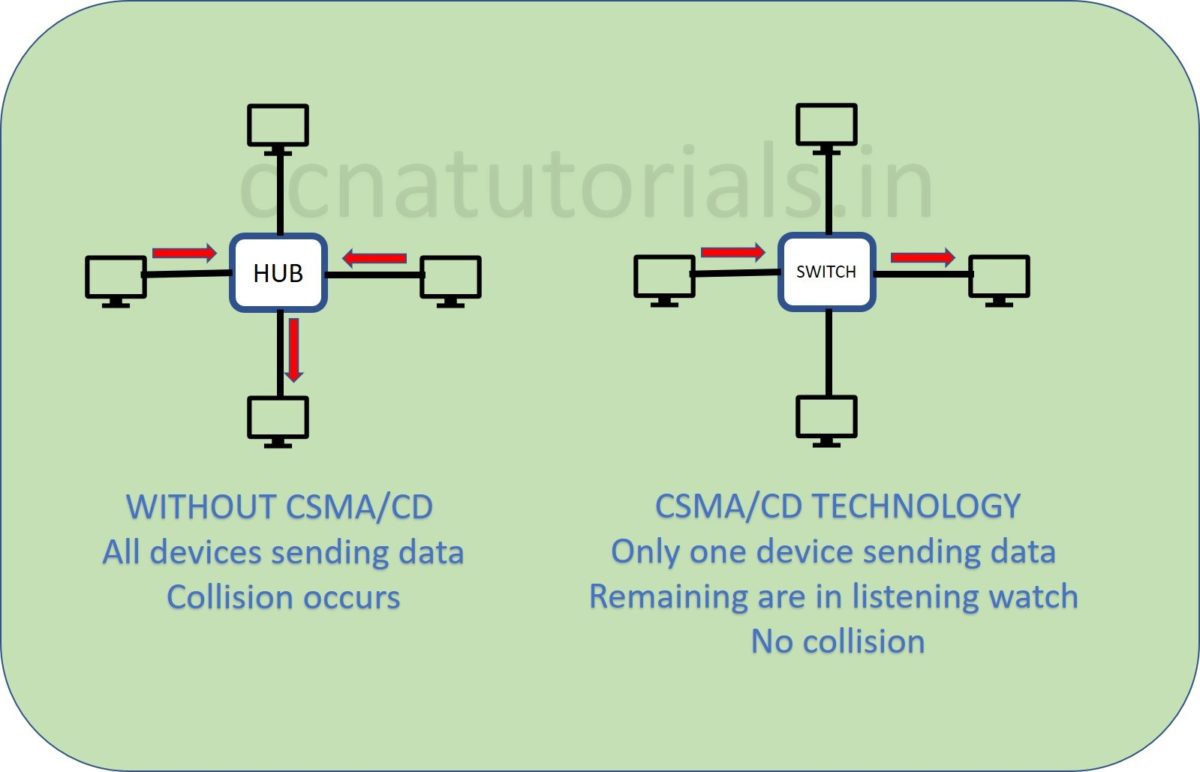
Today, with the rise of switched networks and more sophisticated protocols, CSMA is less prevalent in many scenarios (especially wired ones). Switches, for example, create dedicated collision domains for each port, eliminating the need for CSMA/CD. However, CSMA/CA is still widely used in Wi-Fi networks, which rely on a shared wireless medium.
So, next time you're using your Wi-Fi, remember the unsung hero of network etiquette, CSMA/CA, quietly working behind the scenes to prevent digital mashed potato spillage. And maybe, just maybe, you'll have a little more patience when your Netflix stream buffers. It's a complex world out there in the digital ether!
Plus, I hope I was able to give you a decent overview of this complicated topic. Until next time, fellow nerds!