Okay, so picture this: I'm at a ridiculously pretentious Parisian café, attempting to impress someone with my (questionable) French. I try to order a croissant, but instead of the simple "Un croissant, s'il vous plaît," I blurt out something along the lines of "Croissant moi vouloir, s'il te plaît!". The waiter, bless his soul, gives me the look - that universal expression of pity mixed with subtle disdain. He understands what I meant, but man, did I massacre the syntax.
That, my friends, is a perfect (and slightly embarrassing) intro to the wonderful world of syntax. We all intuitively understand it, but nailing down a solid definition can be surprisingly tricky. So, let's dive in, shall we? Parce que, you know, learning things is cool.
What Exactly Is Syntax?
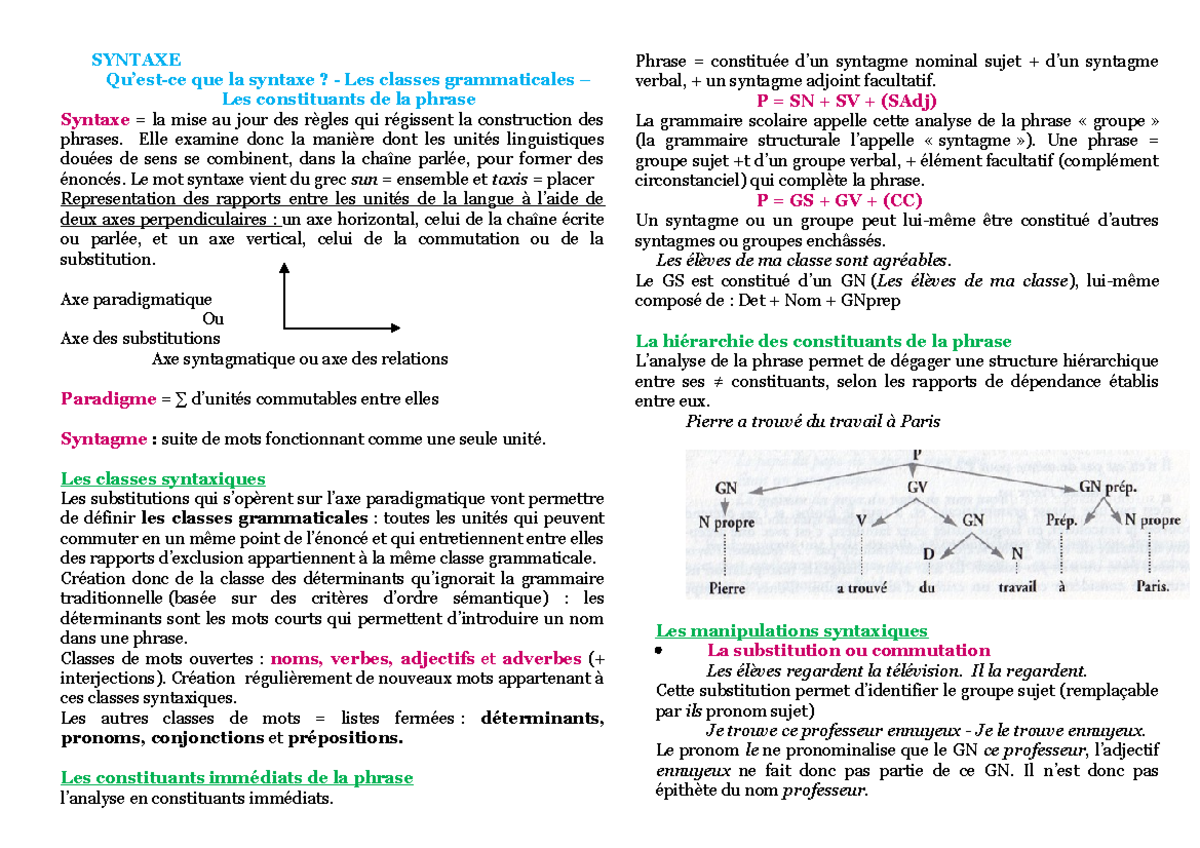
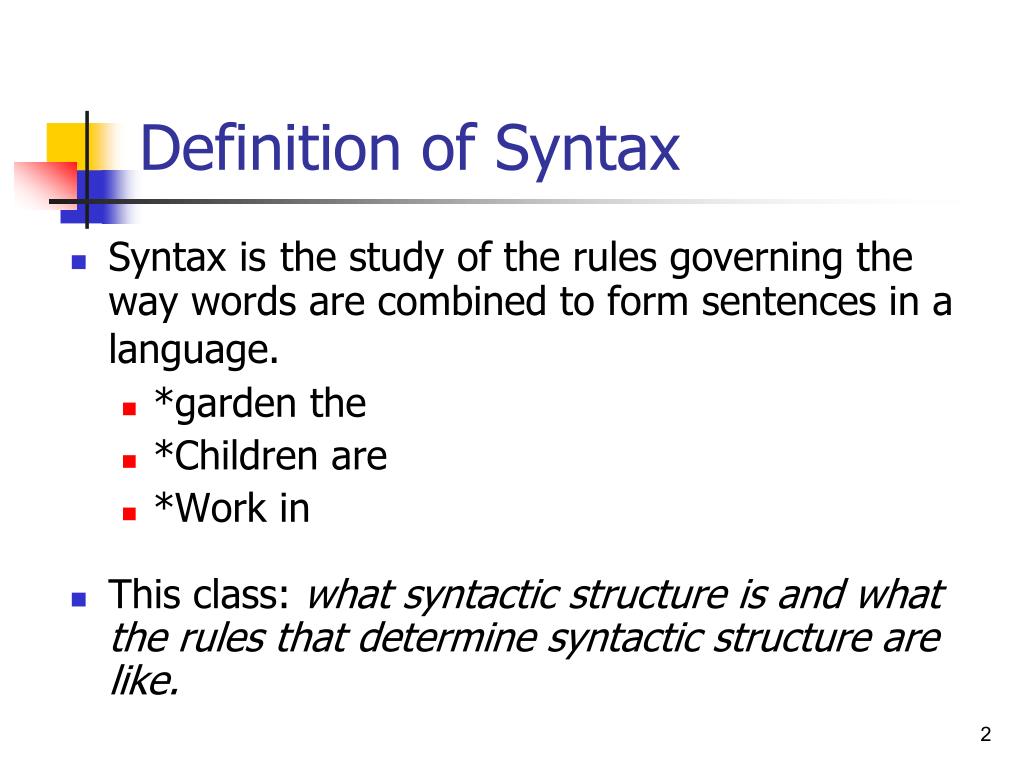
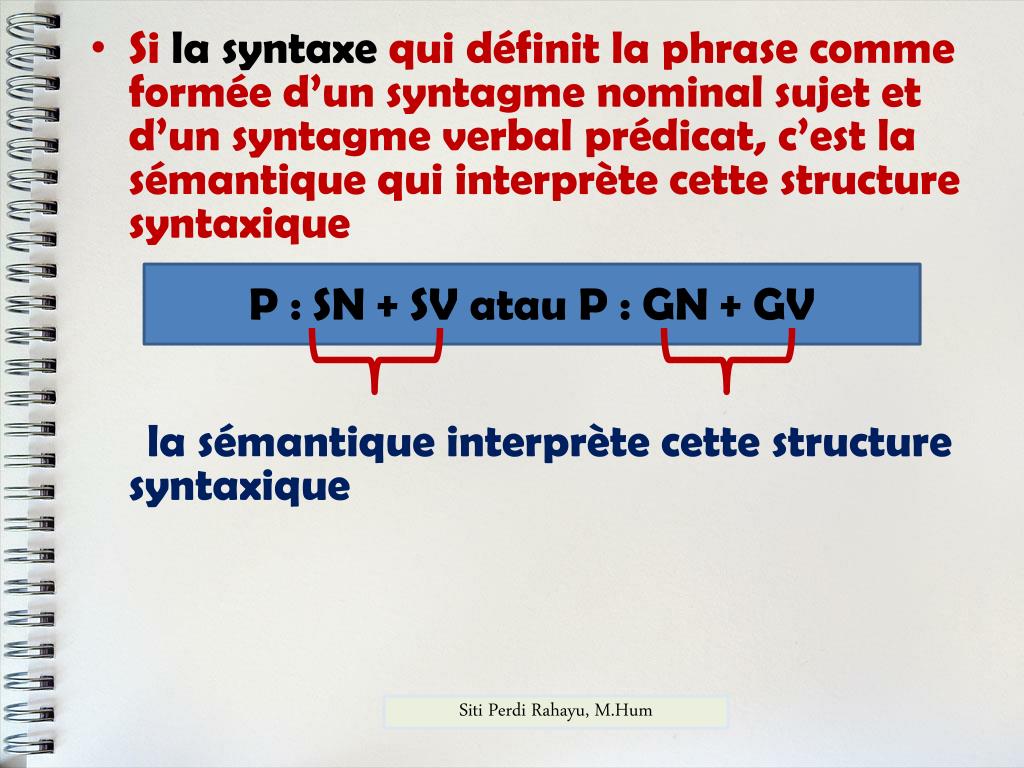
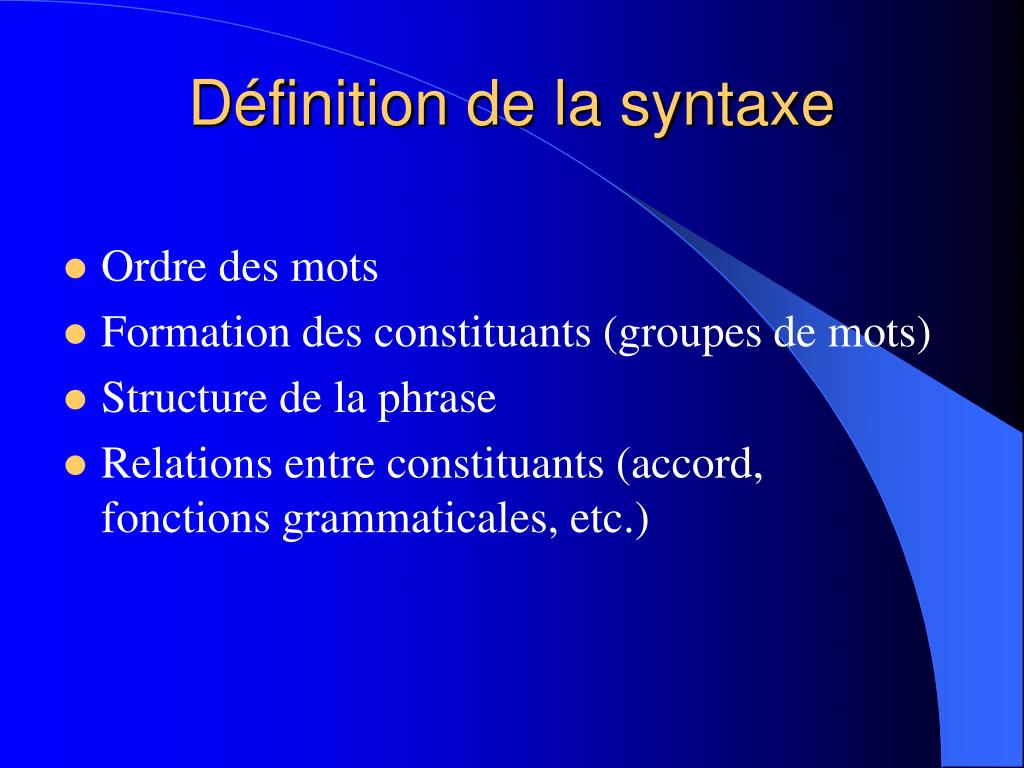
Simply put, syntax is the set of rules that govern how words are combined to form phrases, clauses, and sentences in a language. Think of it like the grammatical LEGO bricks that you use to build coherent and meaningful statements. Without proper syntax, you're left with a pile of bricks - potentially interesting, but ultimately useless in terms of conveying a clear message.
Now, I know what you’re thinking: "Grammar! Ugh!" But hold on, bear with me! Syntax is a part of grammar, but it's more specific. Grammar is the big umbrella, encompassing everything from morphology (word structure) to phonetics (sounds), while syntax focuses on sentence structure. Think of syntax as the architect within the construction crew of grammar. See? Already less scary.
Syntax in Action: French Edition
To make things crystal clear, let's look at some examples in French. After all, that's what got me into this mess in the first place! Consider the following:
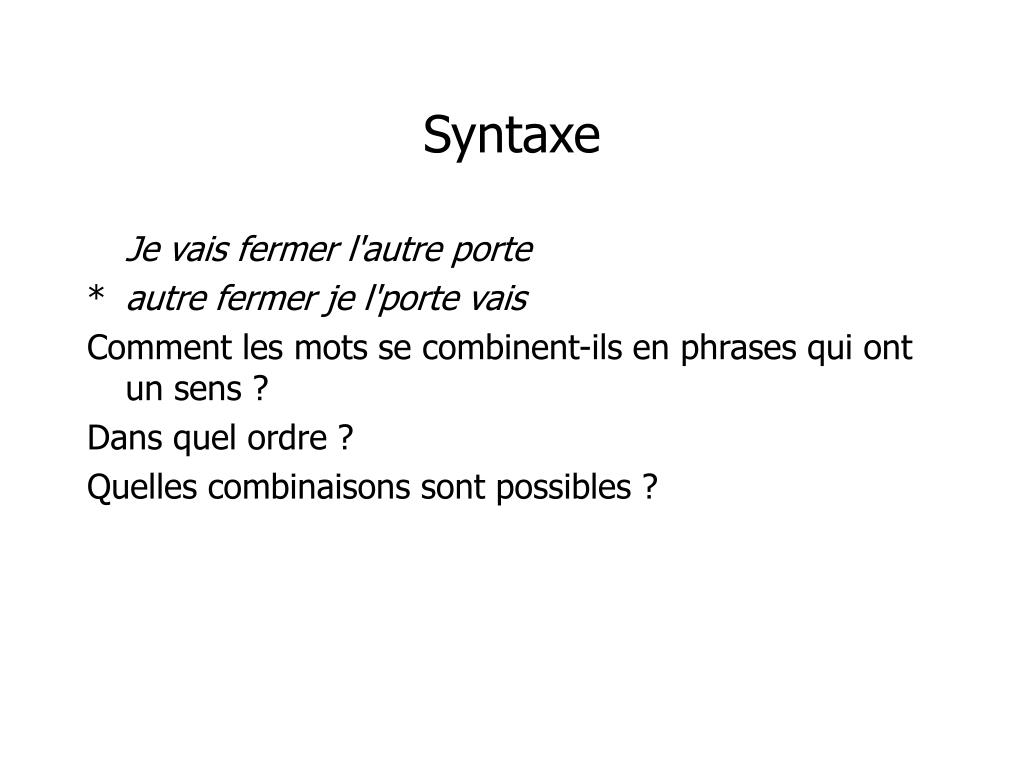
- Correct: "Le chat noir dort sur le tapis." (The black cat sleeps on the rug.)
- Incorrect: "Chat noir tapis dort le sur le." (Cat black rug sleeps the on the.)
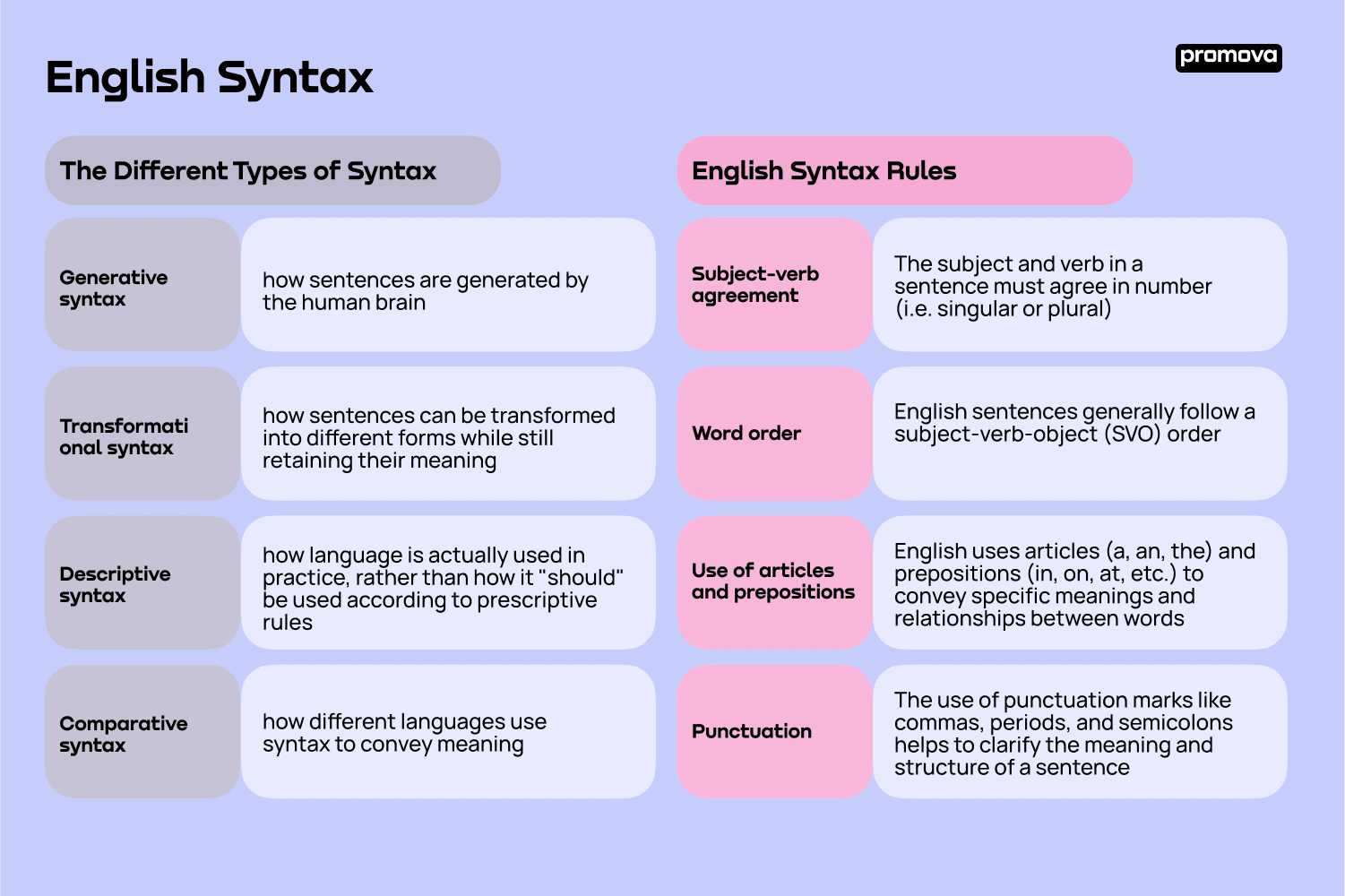
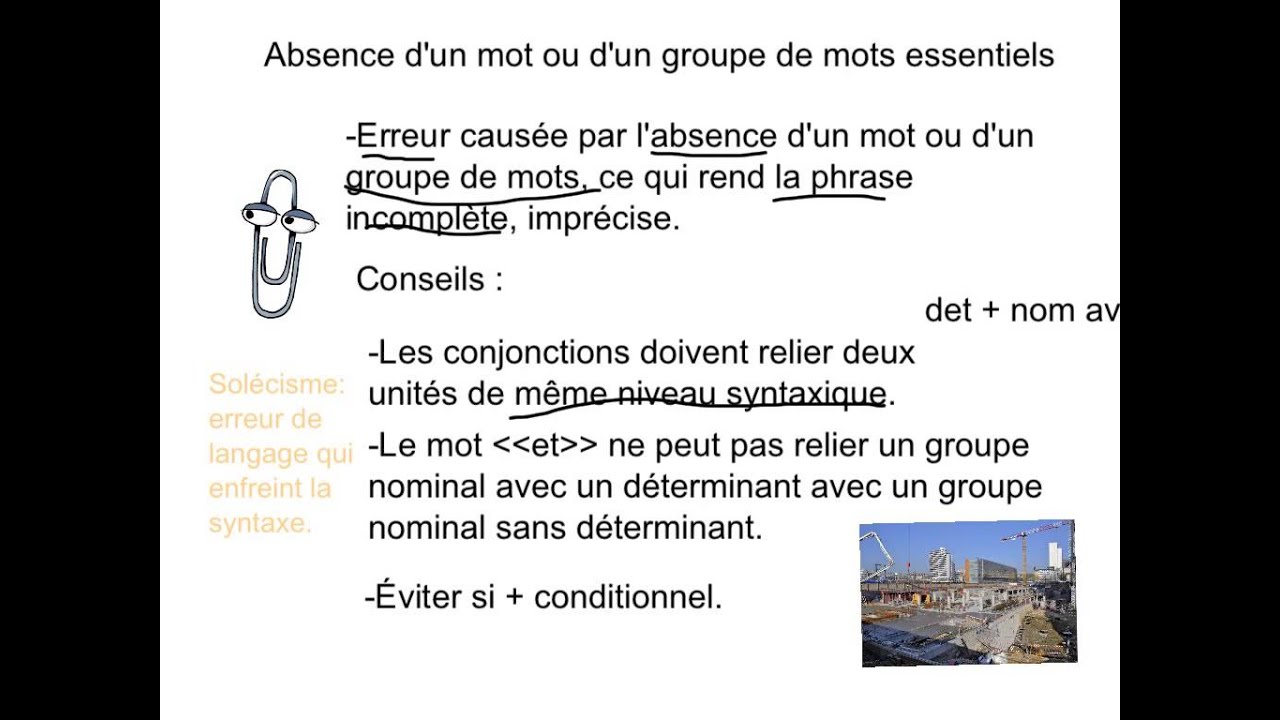
The second sentence contains all the same words, but it's utter gibberish. Why? Because it violates the fundamental rules of French syntax. The order of words matters. Subject-verb-object, adjective placement (usually after the noun in French!), and the proper use of articles are all crucial. Seriously, don't mess with the articles. They're sneaky devils.
Another example, showcasing the importance of verb conjugation and agreement (because French loves to make things complicated):
- Correct: "Je suis étudiant." (I am a student - masculine).
- Incorrect: "Je est étudiant." (I is student - grammatically horrifying).
Or, a more subtle example concerning pronoun placement. This is the kind of thing that separates the fluent speakers from the slightly-less-fluent speakers:

- Correct: "Je te le donne." (I give it to you.) - Order: Subject + indirect object pronoun + direct object pronoun + verb.
- Incorrect: "Je le te donne." (Literally, I it to you give.) - Violates the typical pronoun order.
See? Syntax isn't just about "good" or "bad" grammar in some vague, judgmental sense. It's about following the specific, often unwritten, rules that a language uses to construct meaningful sentences. It’s about creating a system of shared understanding.
Why Should I Care About Syntax?
Good question! You might be thinking, "I speak French (or whatever language) just fine without knowing the technical term 'syntax'." And that's perfectly valid. Most native speakers have an implicit understanding of syntax, acquired through years of immersion and practice. It's like knowing how to ride a bike without knowing the physics behind it.

However, understanding syntax explicitly can be incredibly beneficial, especially if:
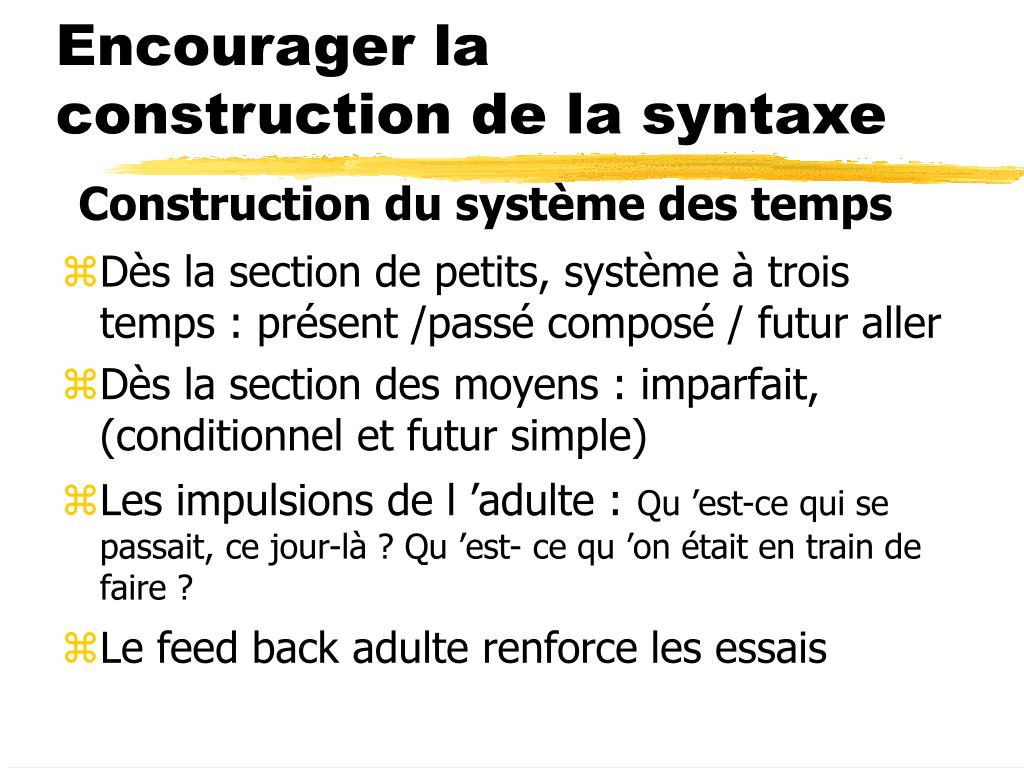
- You're learning a new language: Explicit knowledge of syntax helps you understand why certain constructions are correct and others are not. It accelerates the learning process and reduces those awkward café moments (trust me, I know).
- You're a writer or editor: A strong grasp of syntax allows you to craft clearer, more precise, and more impactful sentences. You can manipulate sentence structure to achieve specific stylistic effects. Want to create suspense? Play with the syntax!
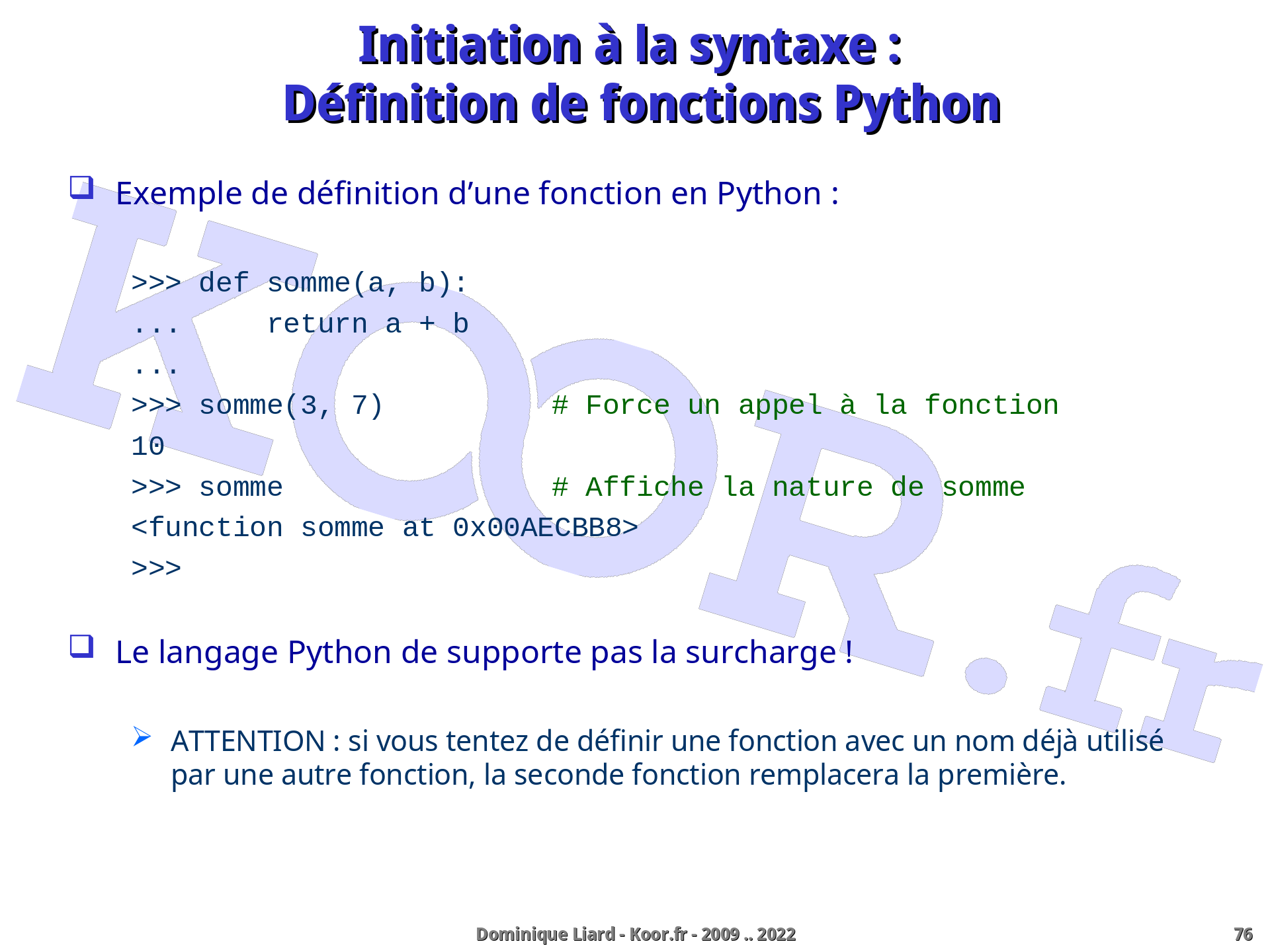
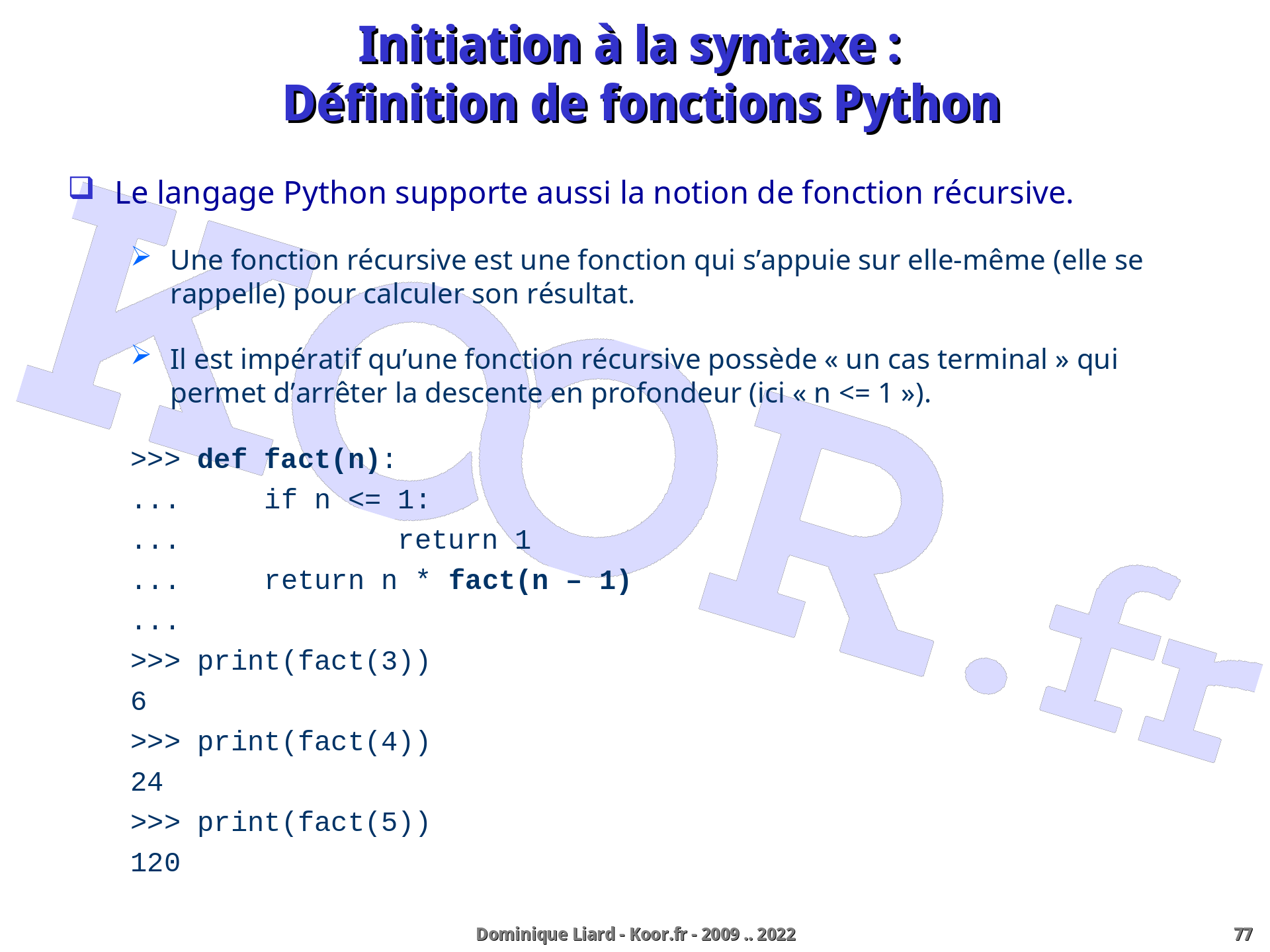
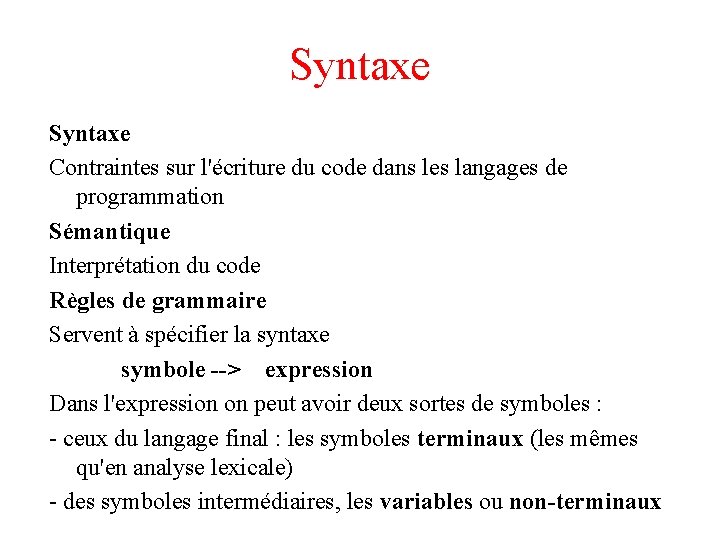
- You're a programmer: Programming languages are all about syntax! A misplaced semicolon can bring your entire program crashing down. Understanding the logical structure of code is essentially understanding syntax in a different context. It’s all linked!
- You're interested in linguistics: Syntax is a fundamental area of linguistic study. Exploring different syntactic theories can shed light on the underlying structure of language and the human mind. Deep, right?
Beyond these practical benefits, understanding syntax also cultivates a deeper appreciation for the beauty and complexity of language. It allows you to see language not just as a tool for communication, but as a fascinating system of rules and conventions that shape our thoughts and perceptions.
Key Concepts in Syntax (A Sneak Peek)
Ready to go a little deeper? Here are a few key concepts that will help you navigate the world of syntax:

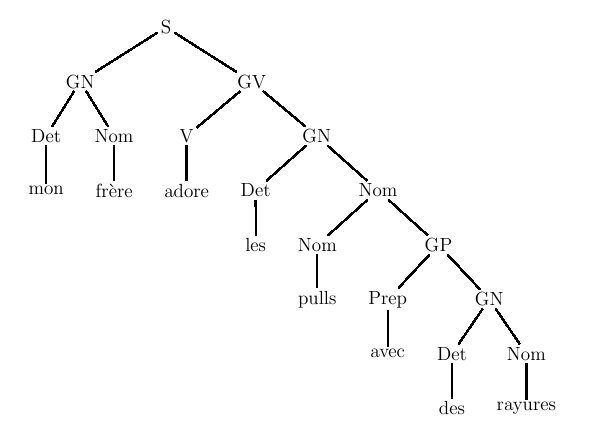
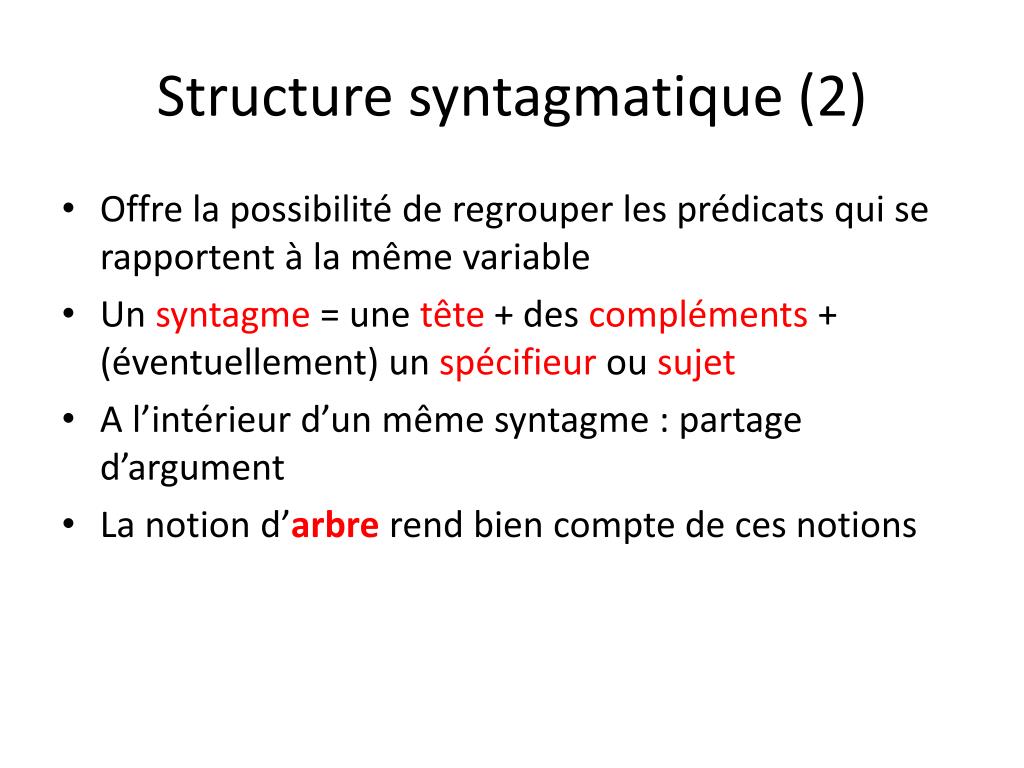
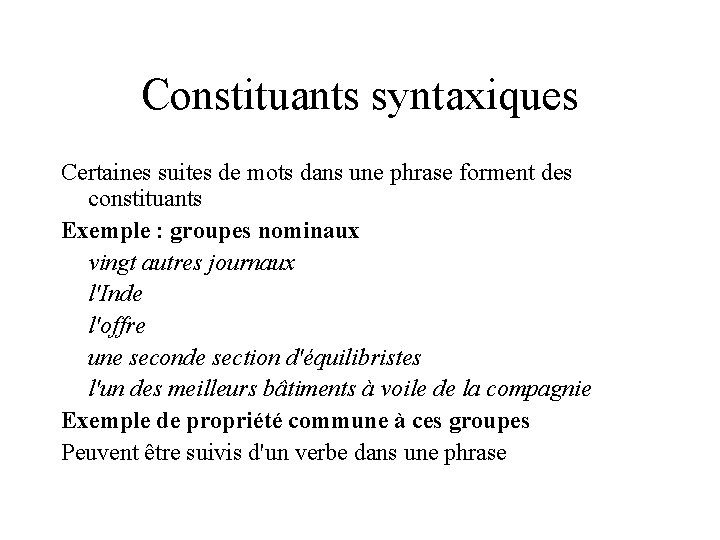
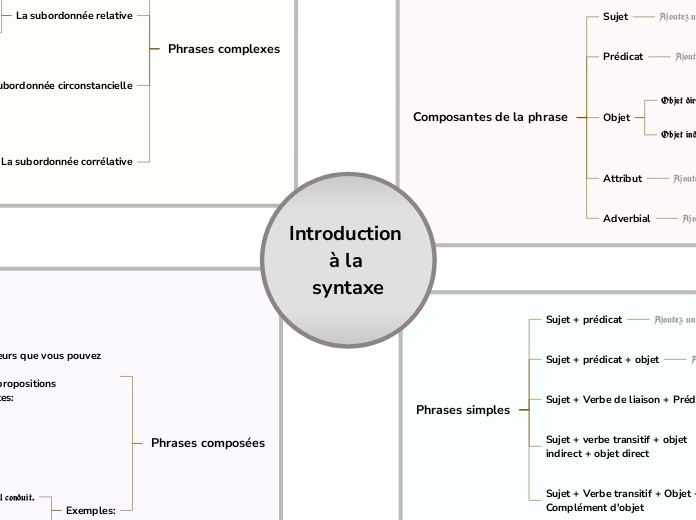
- Phrase Structure: How sentences are built from smaller units (phrases). Think noun phrases ("the black cat"), verb phrases ("sleeps on the rug"), prepositional phrases ("on the rug").
- Constituency: The idea that sentences can be broken down into hierarchical structures of constituents. Diagramming sentences is all about identifying these constituents. (Remember those dreaded diagrams from school? Well, they're actually useful!).
- Transformational Grammar: The theory (developed by Noam Chomsky) that sentences are derived from underlying structures through a series of transformations. It tries to explain how we can understand complex sentences that we've never heard before. (This gets really complicated, but it's also incredibly influential.)
- Tree Diagrams: Visual representations of sentence structure, showing how phrases and constituents relate to each other. Yes, more diagrams! But these can really help visualize complex sentences.
- Dependency Grammar: Another way to analyze sentence structure, focusing on the relationships between words, specifically which words modify or depend on other words. It's an alternative to phrase structure grammar. (Syntax has rivalries, too!)
These concepts are just the tip of the iceberg. There's a whole ocean of syntactic theories and analyses out there waiting to be explored. But hopefully, this gives you a solid foundation to build on.
Final Thoughts: Embrace the Syntax!
Syntax might seem intimidating at first, but it's really just a set of guidelines for building beautiful and meaningful sentences. By understanding these rules, you can become a more effective communicator, a more insightful language learner, and a more appreciative observer of the linguistic world around you.
So, the next time you're struggling to express yourself in French (or any other language), remember my croissant mishap. And remember that syntax, while sometimes frustrating, is ultimately there to help you make sense of the world – and to avoid embarrassing yourself in Parisian cafés. Bon courage!