Salut tout le monde ! Ever wondered about those beautiful, delicate little flowers popping up everywhere in France around May 1st? You know, the ones with tiny white bells? Yep, I'm talking about muguet, or Lily of the Valley. And today, we're diving into something super fun: drawing a sprig of it! Pourquoi? Because it's a charming little project that connects us to a bit of French tradition, and honestly, it's just plain cute.
Now, I know what you might be thinking: "Drawing? Me? I can barely draw a stick figure!" But trust me, drawing muguet is way easier than it looks. Think of it like doodling, but with a purpose – a purpose that smells faintly of spring and good luck. Plus, who wouldn't want to learn how to capture a piece of springtime beauty on paper?
Why Draw Muguet? (Besides the Obvious Cutness Factor)
Okay, so it's adorable. We've established that. But why else should you dedicate some time to sketching this little beauty? Well, let's break it down:
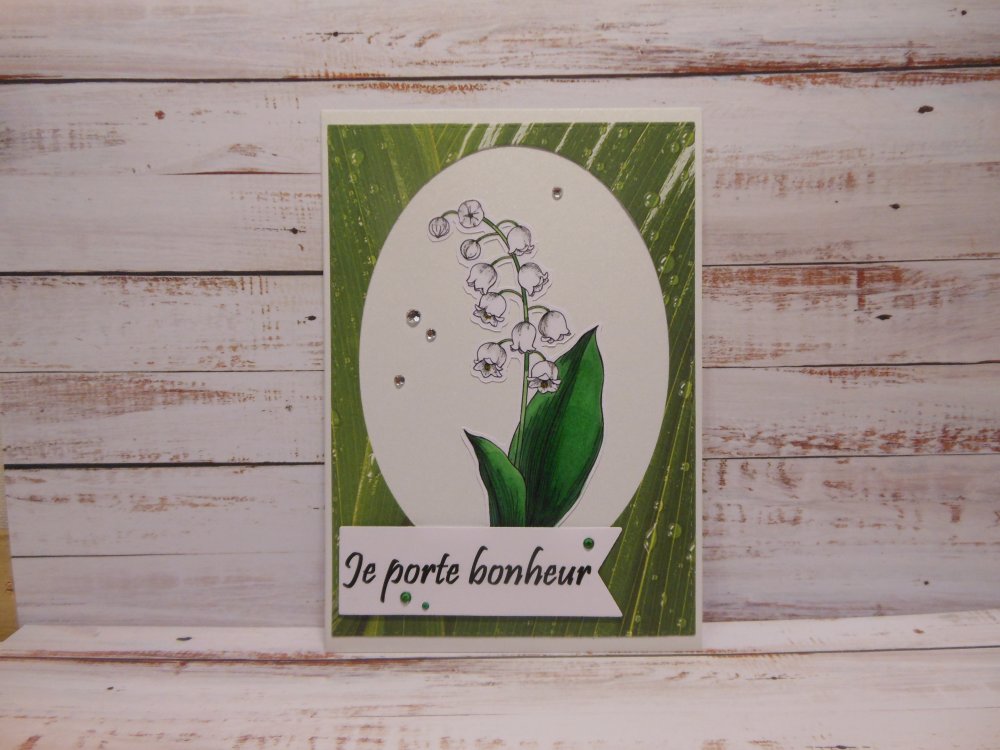
- A Touch of French Culture: In France, giving muguet on May 1st is a tradition believed to bring good luck and happiness. Drawing it is a way to connect with this tradition, even if you're miles away from a Parisian flower stall. Imagine gifting someone a hand-drawn muguet card! C'est magnifique, non?
- It's Relaxing! Seriously. Focusing on the delicate details of the flower – the curve of the stem, the shape of the bells – can be incredibly meditative. It's like a mini-vacation for your brain. Think of it as mindful drawing!
- A Great Way to Practice Drawing Skills: Muguet offers a perfect balance of simplicity and detail. It's not overly complex, but it still requires you to pay attention to form and perspective. It’s like training wheels for botanical illustration!
- You Can Personalize It: Draw it realistically, or add your own artistic flair! Maybe you want to add a cute little ladybug crawling on a leaf, or a ribbon tied around the stem. The possibilities are endless. It's your muguet, your rules!
Breaking Down the Muguet: What to Look For
Before you even pick up a pencil, let's take a closer look at what makes muguet... well, muguet. Think of it as reconnaissance for your drawing mission! It's like understanding your enemy before you go into battle (except way less intense and much more fragrant).
The Key Components:
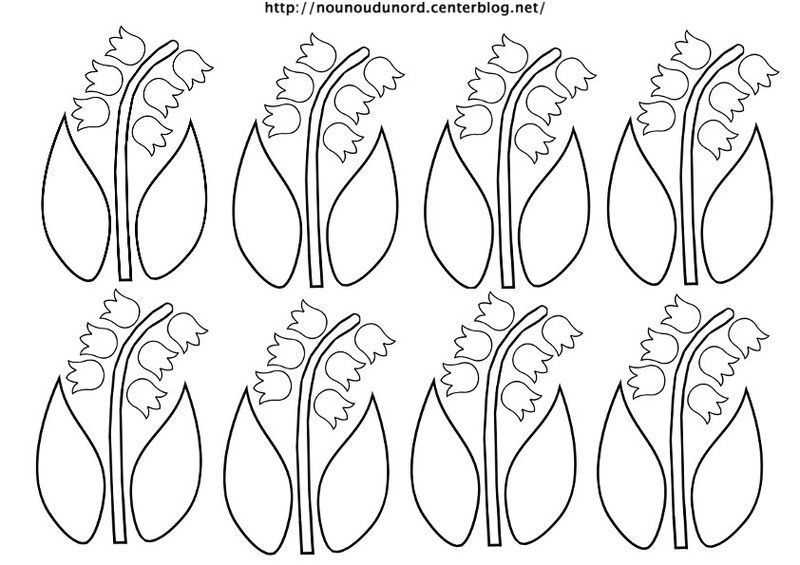
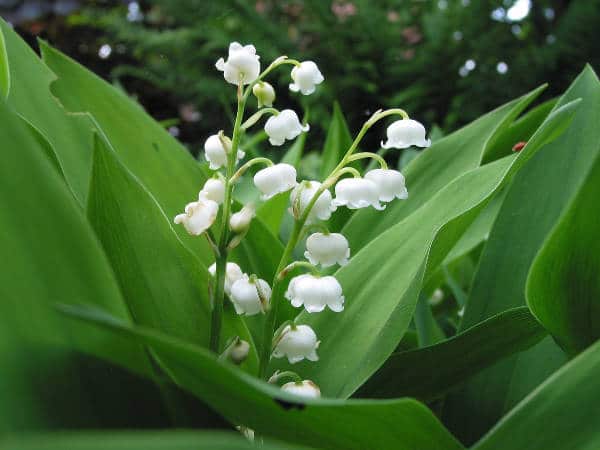
- The Stem: This is the backbone of the whole operation. It's usually slightly curved and provides the support for everything else. Think of it like the spine of a dancer – elegant and strong.
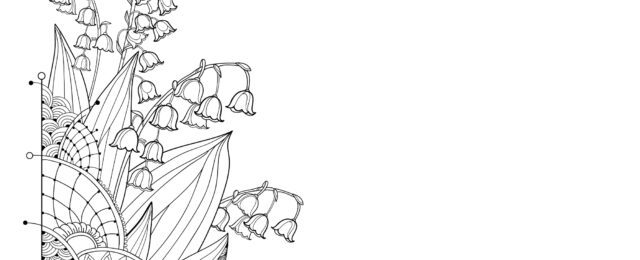
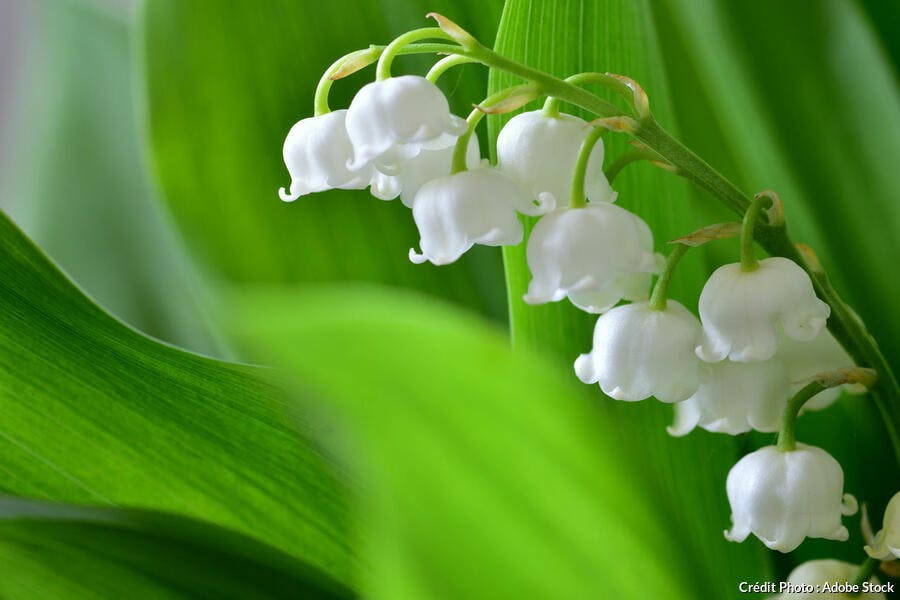
- The Leaves: Muguet leaves are broad, oval-shaped, and often slightly glossy. They’re usually larger than the flowers themselves and provide a lovely contrast to the delicate bells. They're like the supporting actors in a play, adding depth and interest.
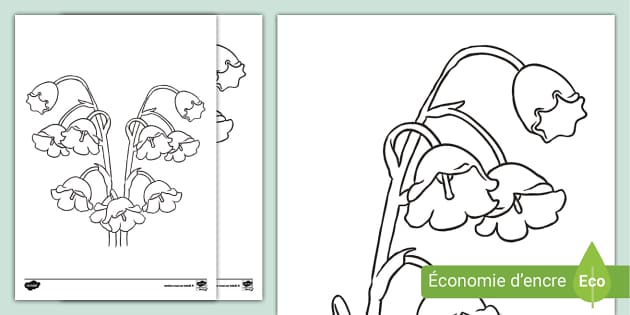
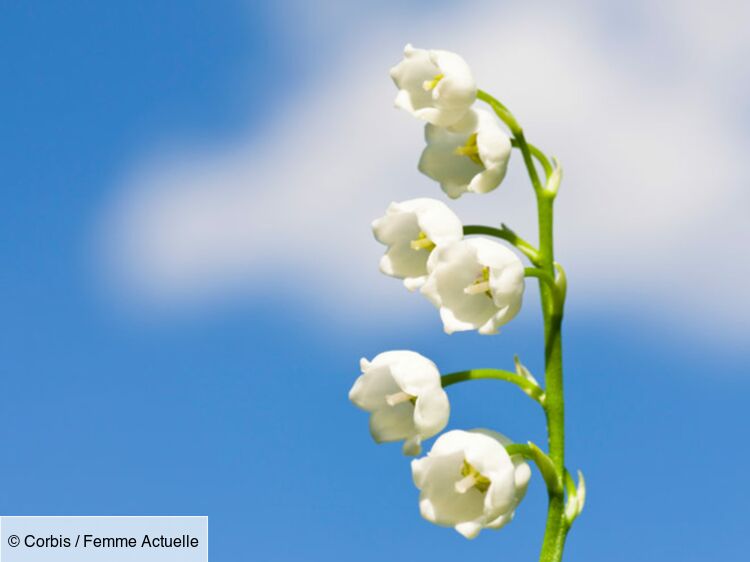
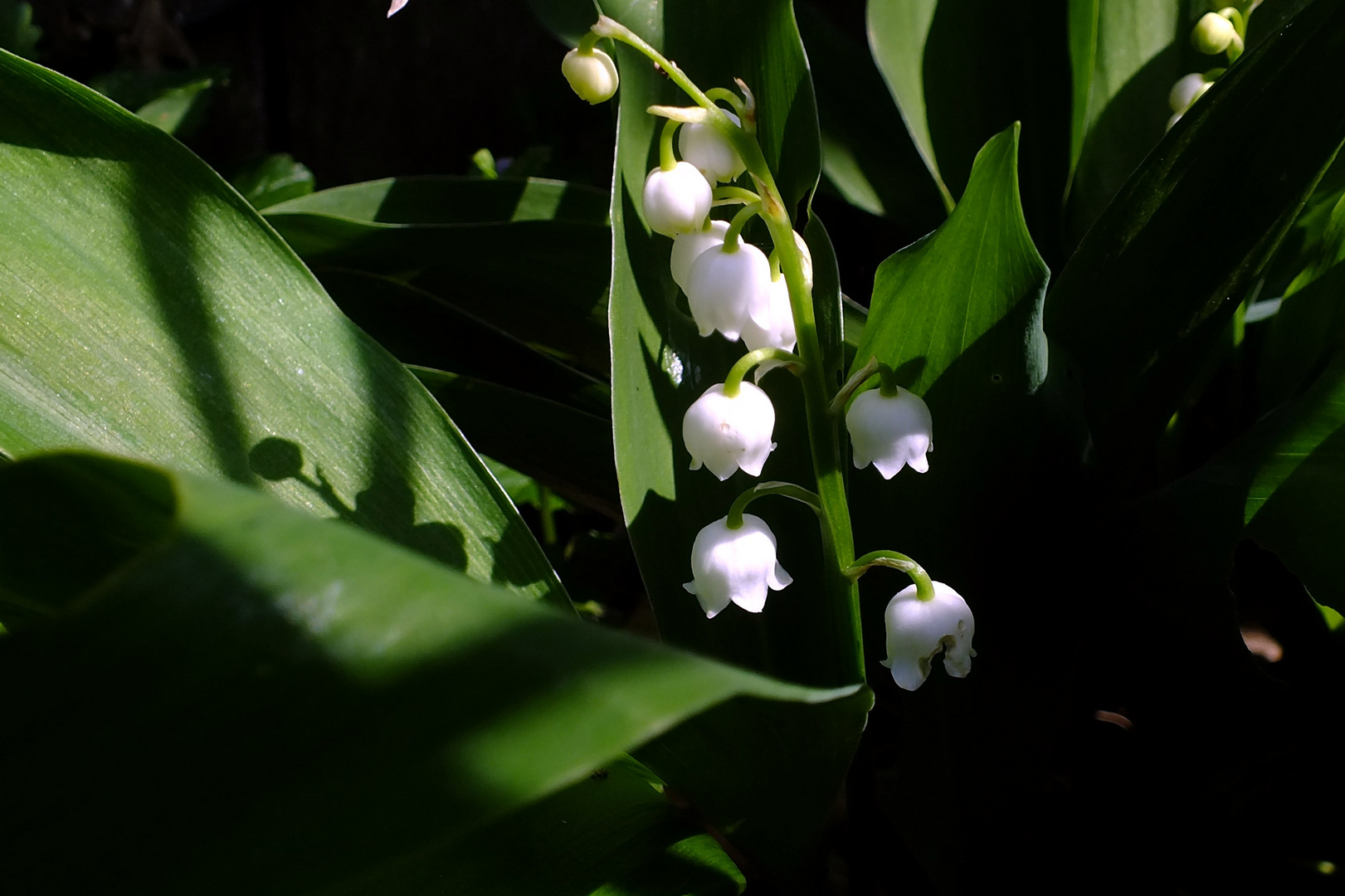
- The Flowers (Bells): Ah, the stars of the show! These are the tiny, bell-shaped flowers that dangle gracefully from the stem. They’re usually white, but sometimes have a slightly greenish tint. Imagine them as miniature ballerinas, poised and delicate.
- The Roots (Optional): If you're feeling ambitious, you can add some roots to your drawing. They add a touch of realism and ground the whole composition. They're like the hidden foundation of a beautiful building.
Easy Steps to Drawing Muguet (Even if You Think You Can't Draw!)
Okay, ready to get your hands dirty (or rather, your pencils dusty)? Don't worry, we'll take it slow and steady. Remember, this is about having fun, not creating a masterpiece (although, who knows? Maybe you will!).

- Start with the Stem: Lightly sketch a curved line to represent the stem. Don't press too hard – you might want to adjust it later. Think of it as the foundation of your drawing.
- Add the Leaves: Draw two or three large, oval-shaped leaves around the stem. Remember, they're usually wider than the flowers. Don’t worry about perfection – nature isn’t perfect either! Let the leaves overlap each other for a more natural look.
- Sketch the Bells: Now for the fun part! Lightly sketch small, bell-shaped flowers hanging down from the stem. Vary their positions and angles to make them look more natural. Think of them as little ornaments hanging from a Christmas tree (but white, and fragrant, and... well, you get the idea).
- Add Details: Once you're happy with the basic shapes, start adding details. Define the edges of the leaves, add veins, and refine the shape of the bells. Use shading to create depth and dimension. This is where you can really bring your muguet to life!
- Erase Guidelines: Once you're satisfied with your drawing, carefully erase any unnecessary guidelines. This will make your drawing look cleaner and more polished. It’s like tidying up your workspace after a productive session.
- Optional: Add Color! If you want to add some color to your drawing, use colored pencils, watercolors, or even crayons! Experiment with different shades of green and white to create a realistic or stylized look. Remember, it's your artwork – have fun with it!
Tips and Tricks for Muguet-Drawing Success!
Want to take your muguet drawing to the next level? Here are a few extra tips and tricks to help you along the way:
- Use References: Look at photos of real muguet to get a better understanding of its structure and details. Google Images is your friend!
- Practice, Practice, Practice! The more you draw, the better you'll become. Don't be discouraged if your first few attempts aren't perfect. Rome wasn't built in a day, and neither is a perfect muguet drawing!
- Experiment with Different Mediums: Try drawing with pencils, pens, charcoal, or even paint! Each medium will give your drawing a different look and feel. It’s like trying different flavors of ice cream – you might discover a new favorite!
- Don't Be Afraid to Make Mistakes: Mistakes are part of the learning process. Embrace them! Turn them into opportunities to experiment and try new things. Maybe a "mistake" will lead to a creative breakthrough!
- Most Importantly: Have Fun! Drawing should be enjoyable. If you're not having fun, you're doing it wrong. Put on some music, grab a cup of tea, and relax. It’s all about the process, not just the final product.
Beyond the Drawing: Muguet in Art and Culture
Muguet isn't just a pretty flower; it's also a symbol with deep cultural significance. It has appeared in art, literature, and even fashion throughout history. Think of it as a celebrity of the plant world!

From paintings by famous artists to delicate porcelain figurines, muguet has inspired countless creations. Its association with good luck and happiness makes it a popular motif for springtime celebrations and special occasions. It's even said that Christian Dior loved the flower so much he included it in many of his designs!
So, there you have it! A complete guide to drawing your own brin de muguet. I hope this has inspired you to pick up a pencil and give it a try. Who knows, you might just discover a hidden talent or a newfound appreciation for this charming little flower. And remember, even if your drawing isn't perfect, it's the thought that counts. Happy drawing, and bonne chance!
Alors, are you ready to bring a little bit of French springtime into your life? Go get your pencil, paper, and let the drawing begin! À bientôt!