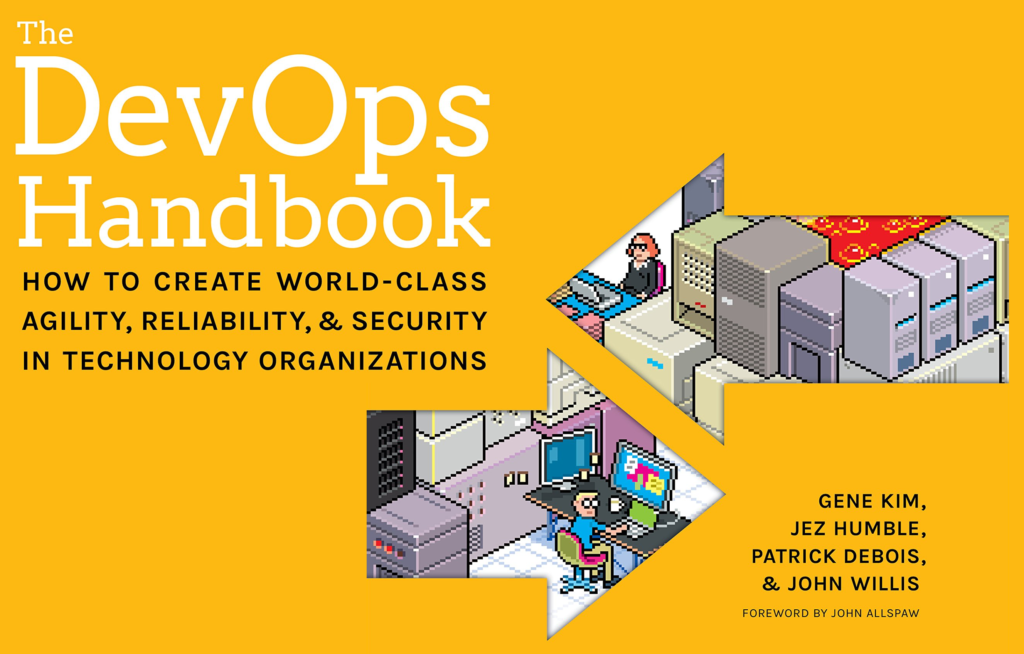
Okay, imagine this: I'm at a party (back when parties were, you know, things). I’m cornered by this very enthusiastic guy who’s clearly had a few too many. He’s going on and on about how his company is "totally Agile" and "embracing the cloud," but then he admits, in a hushed voice, that deploying code still takes three weeks and involves a sacrificial lamb (figuratively, I think). I remember thinking, "Dude, you're missing something huge." And that something, my friends, is often the philosophy and practices described in The DevOps Handbook.
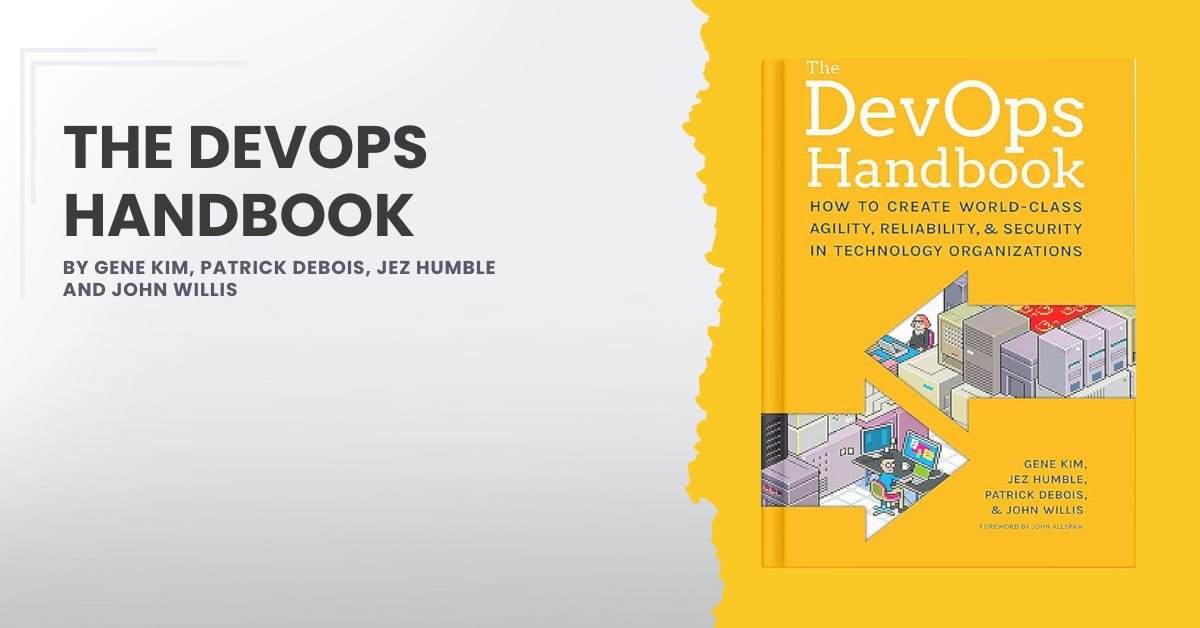
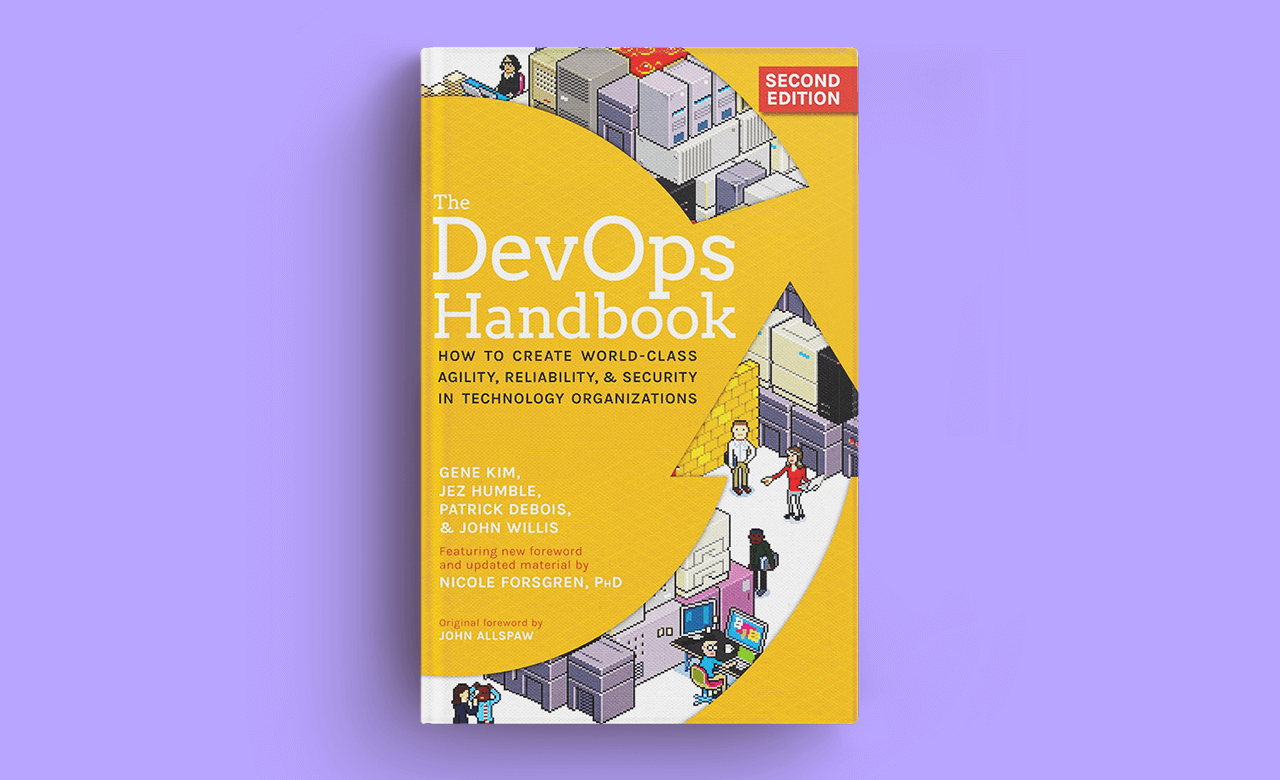
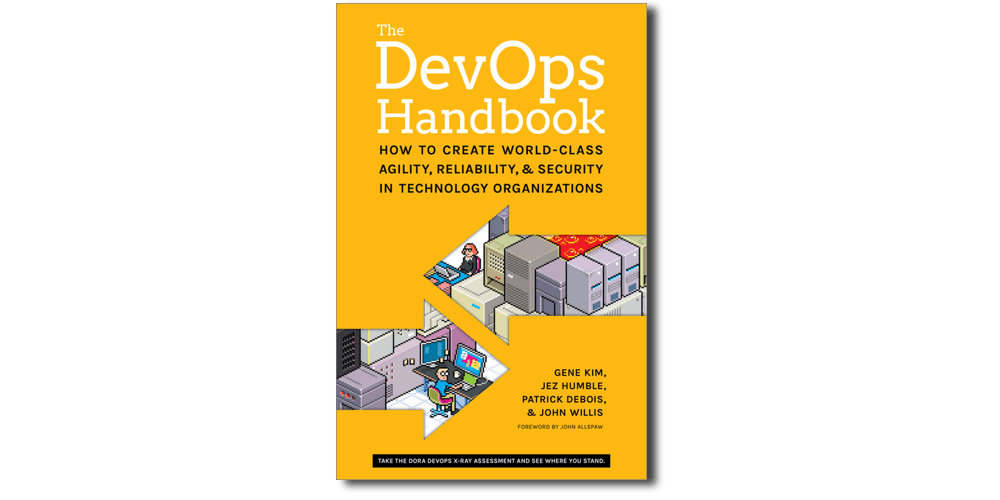
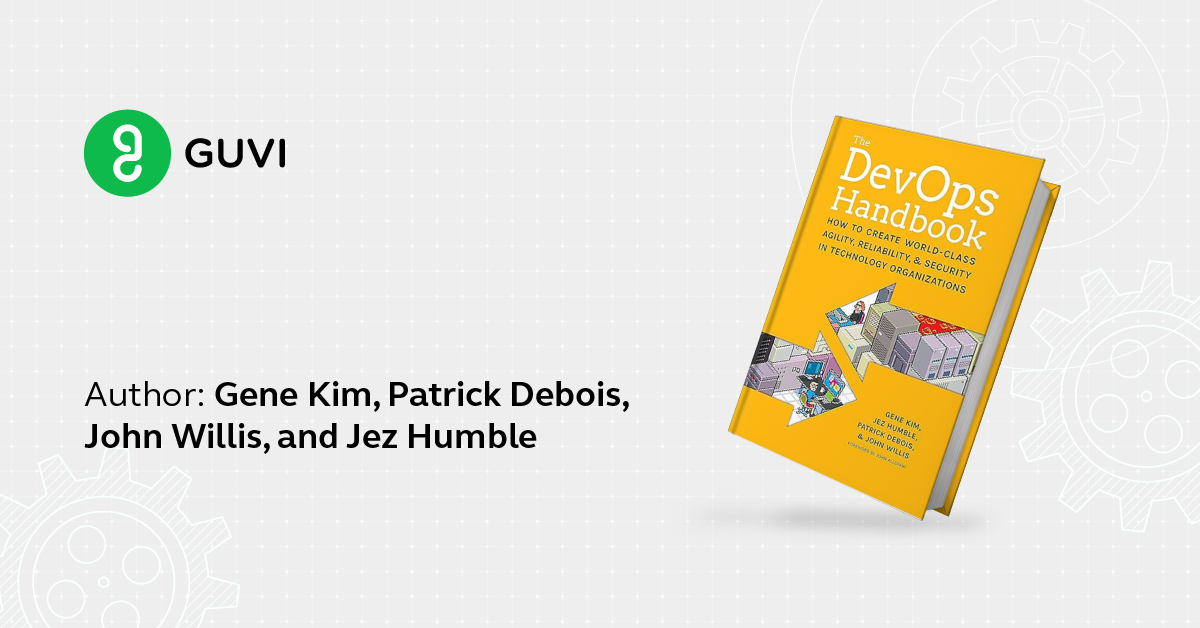
That awkward party conversation really highlighted the gap between the idea of modern software development and the reality for many organizations. So, let's dive into why this book, written by Gene Kim, Jez Humble, Patrick Debois, and John Willis, is considered the bible for so many tech folks. (And spoiler alert: it's not just about automation. Though, automation is pretty darn important).
What's the Big Deal About DevOps Anyway?
DevOps, at its core, is about breaking down the walls between Development and Operations. For years, these two teams operated in silos, often with conflicting goals. Dev wanted to push out new features, while Ops wanted stability. The result? Finger-pointing, slow deployments, and frustrated users. (Sound familiar to anyone? Don’t be shy, raise your hand... virtually, of course.)
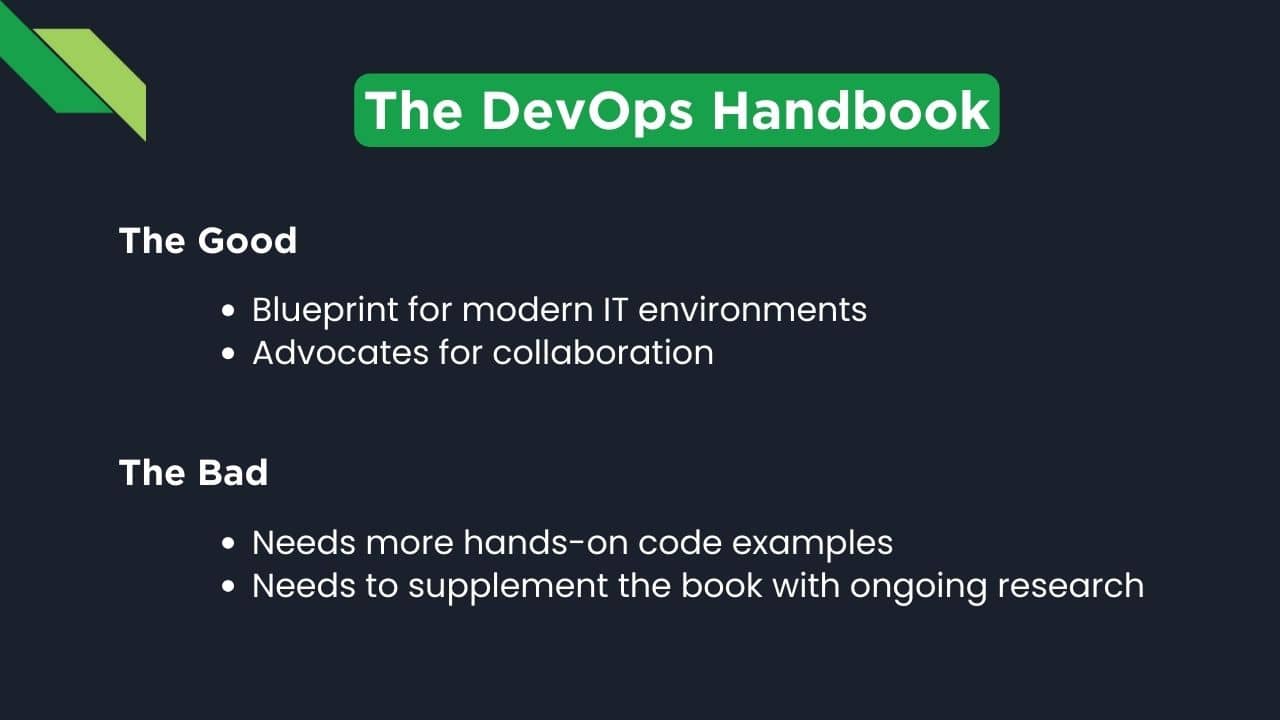
The DevOps Handbook argues that this siloed approach is fundamentally flawed. Instead, it promotes a culture of collaboration, shared responsibility, and continuous improvement. It's about treating the entire software delivery pipeline as a single, interconnected system.
The Three Ways: Pillars of DevOps Enlightenment
The book structures its approach around what it calls the "Three Ways":
1. The First Way: Systems Thinking
- Emphasis: Understanding the entire value stream, from development to customer.
- Key Idea: See the system as a whole. Don't optimize for one part at the expense of another. It's like optimizing the engine of your car while forgetting to put fuel in it. Pointless, right?
- Practical Implications:
- Visualize the workflow using techniques like value stream mapping.
- Reduce batch sizes (deploy smaller, more frequent changes).
- Strive for continuous flow and minimize bottlenecks.
2. The Second Way: Amplifying Feedback Loops
- Emphasis: Creating tight feedback loops at every stage of the development process.
- Key Idea: Get fast feedback to quickly identify and fix problems. Think of it as continuous learning. Every mistake is a lesson waiting to be learned.
- Practical Implications:
- Implement continuous integration and continuous delivery (CI/CD).
- Automate testing at all levels (unit, integration, system).
- Monitor production systems and proactively detect issues.
- Embrace blameless postmortems to learn from failures (more on that later!).
3. The Third Way: Culture of Continual Experimentation and Learning
- Emphasis: Fostering a culture where experimentation is encouraged and failure is seen as an opportunity to learn.
- Key Idea: Continuous improvement is not just a goal; it's a mindset. We’re talking about a learning organization where everyone feels empowered to experiment and challenge the status quo.
- Practical Implications:
- Allocate time for learning and experimentation (e.g., innovation days).
- Implement A/B testing and other data-driven approaches.
- Embrace blameless postmortems (yes, again! They’re that important!). Seriously, pointing fingers gets you nowhere except further away from solving the real problem.
- Create a safe environment where people can take risks without fear of retribution.
Why Blameless Postmortems Are So Important (And How to Do Them Right)
I’ve mentioned blameless postmortems twice already, so let's dig in. A blameless postmortem is a process for analyzing incidents without assigning blame. The goal is to understand what happened, why it happened, and how to prevent it from happening again.
This is crucial because blaming individuals creates a culture of fear, which stifles innovation and prevents people from reporting problems. If people are afraid of getting in trouble, they'll hide mistakes, which makes it harder to learn and improve. And, let's be real, software is complex. Things will break. It's inevitable.
Key elements of a successful blameless postmortem:
- Focus on the system, not the individual: Analyze the processes, tools, and infrastructure that contributed to the incident.
- Create a safe space: Emphasize that the goal is to learn, not to punish.
- Document everything: Record the timeline of events, the root cause analysis, and the actions taken to prevent future incidents.
- Share the learnings: Make the postmortem report available to everyone in the organization.
Beyond the Book: DevOps is a Journey, Not a Destination
The DevOps Handbook provides a solid foundation for understanding DevOps principles and practices. But it's important to remember that DevOps is not a one-size-fits-all solution. What works for one organization may not work for another. It’s a journey, not a destination.

Each organization needs to tailor its approach to its specific needs and context. This involves experimenting, learning, and continuously improving. And it definitely involves more than just installing some cool tools. Trust me, throwing money at fancy software won't magically transform your company into a DevOps powerhouse. It's about culture change.
Where to Start?
- Read the book! (Duh!)
- Start small: Identify a small, manageable project and experiment with DevOps practices.
- Focus on collaboration: Get Dev and Ops teams talking to each other. Really talking. Like, sharing-lunch-and-venting-about-problems talking.
- Measure your progress: Track key metrics to see if your DevOps efforts are making a difference. Are deployments faster? Are incidents less frequent? Are your developers and operations teams happier?
- Be patient: DevOps transformation takes time. Don't get discouraged if you don't see results overnight.
So, the next time you’re at a party and someone starts talking about their "Agile transformation" while simultaneously lamenting their three-week deployment cycle, you can gently steer them toward The DevOps Handbook. Maybe even offer to buy them a drink… after they’ve finished reading it, of course. Cheers to better software delivery!