Bonjour mes amis! Settle in, grab a café au lait, and let's chat about something that might sound a bit intimidating at first: the Cost of Equity. Sounds fancy, doesn't it? But trust me, it's simpler than pronouncing "pain au chocolat" perfectly on your first try. We'll break it down, nice and easy.
What Exactly Is This "Cost of Equity"?
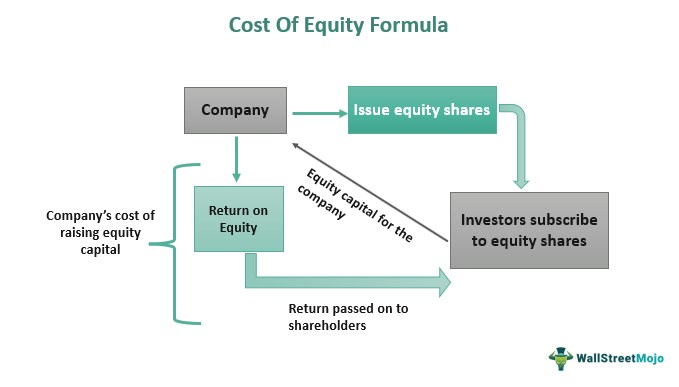
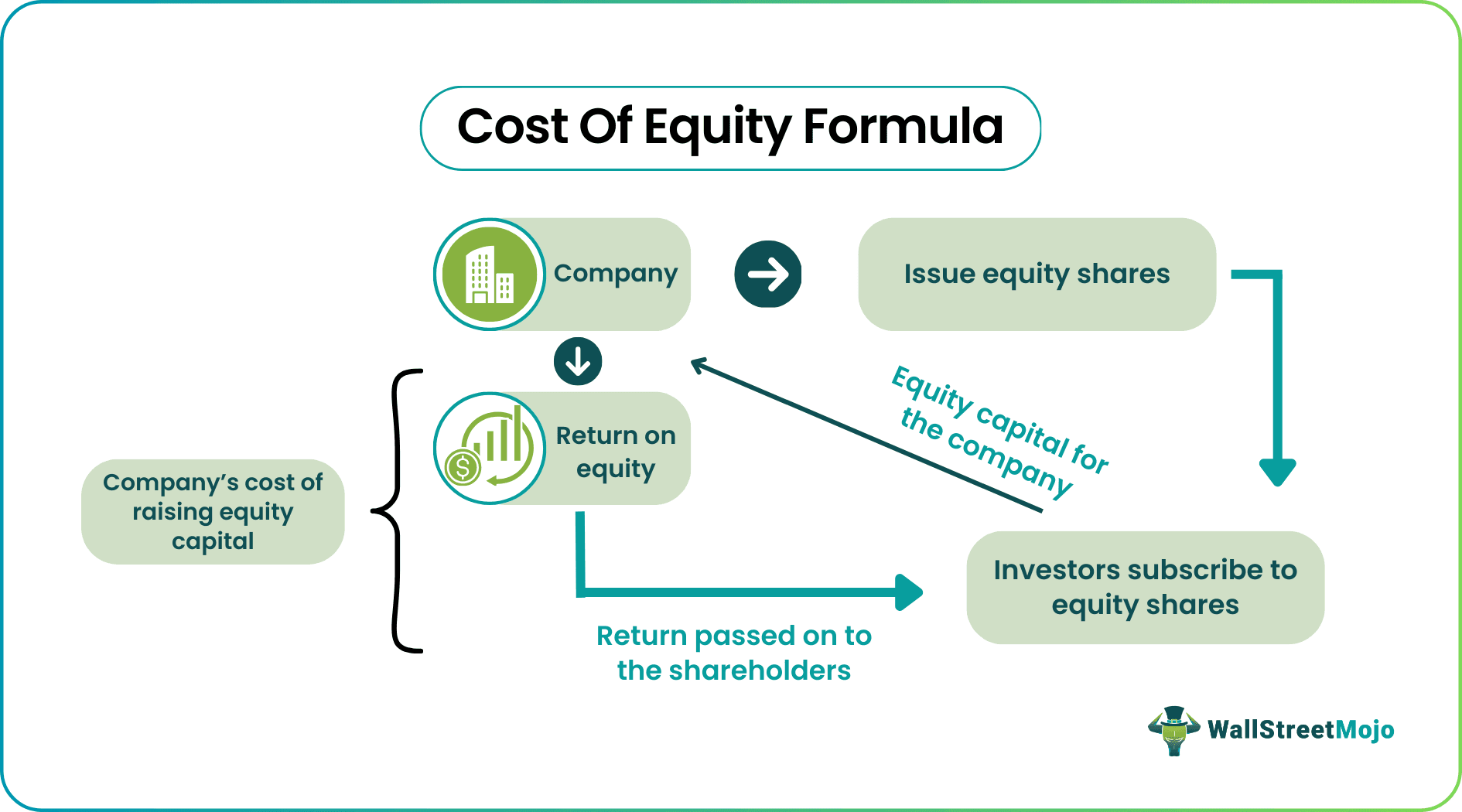
Imagine you're inviting investors to join your amazing lemonade stand. They're giving you their hard-earned money, right? They expect something in return. That "something" is essentially the return they require for taking the risk of investing in your venture. That, my friends, is the cost of equity.
It's the minimum rate of return a company needs to offer its investors (shareholders) to compensate them for the risk they're taking by investing in the company's stock. Think of it as the price you pay for using investors' money. High risk, higher price, n'est-ce pas?
Why Should You Care?
Good question! Understanding the cost of equity is crucial for several reasons:
Investment Decisions: Companies use it to decide whether a potential investment or project is worth pursuing. If the expected return from the project is less than the cost of equity, it's a no-go!
Company Valuation: Analysts use it to estimate the intrinsic value of a company's stock. Is the stock overpriced or a bargain? The cost of equity helps answer that.
Attracting Investors: Offering a competitive return is essential for attracting and retaining investors. Happy investors, happy company! Makes sense, right?
The Formulas: Decoding the Mystery
Now, let's dive into the heart of the matter: the formulas! Don't worry, we won't get lost in a sea of numbers. We'll focus on the most common one, the Capital Asset Pricing Model (CAPM).
The CAPM Formula: Your New Best Friend
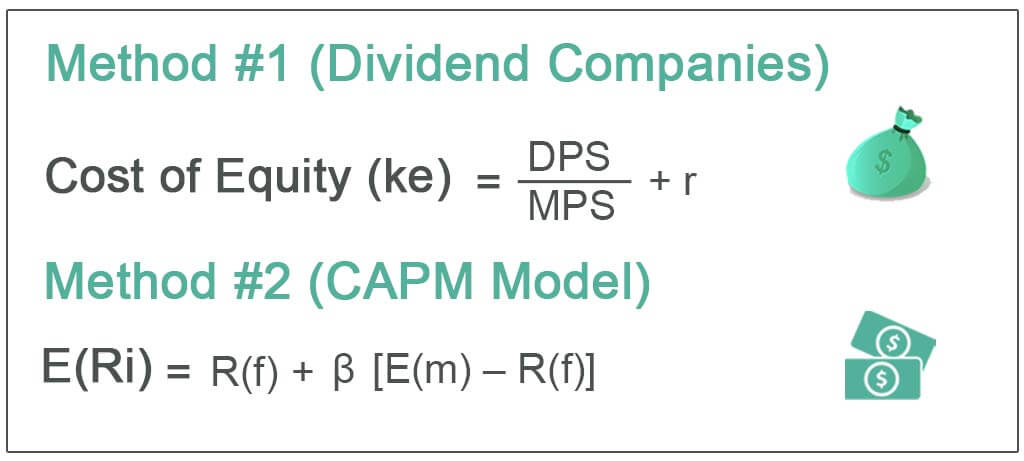
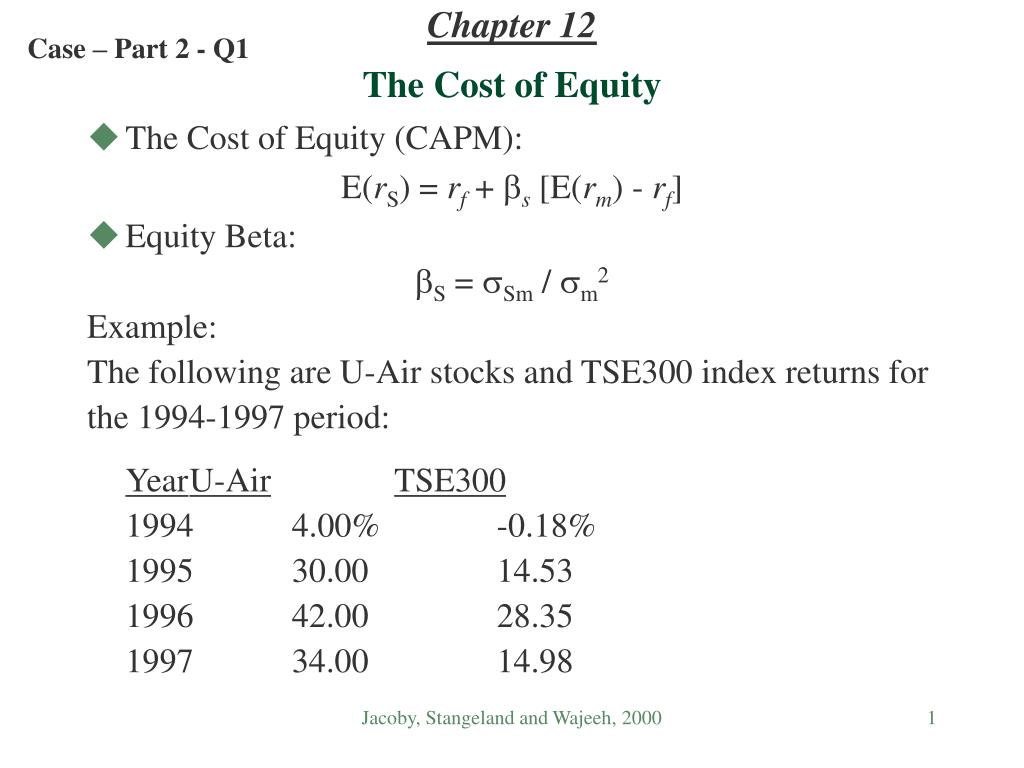
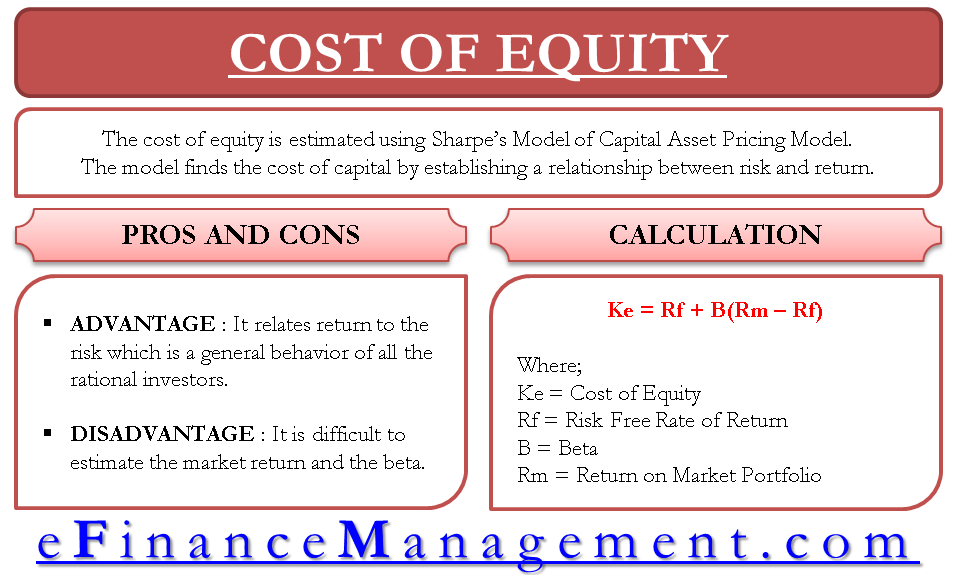
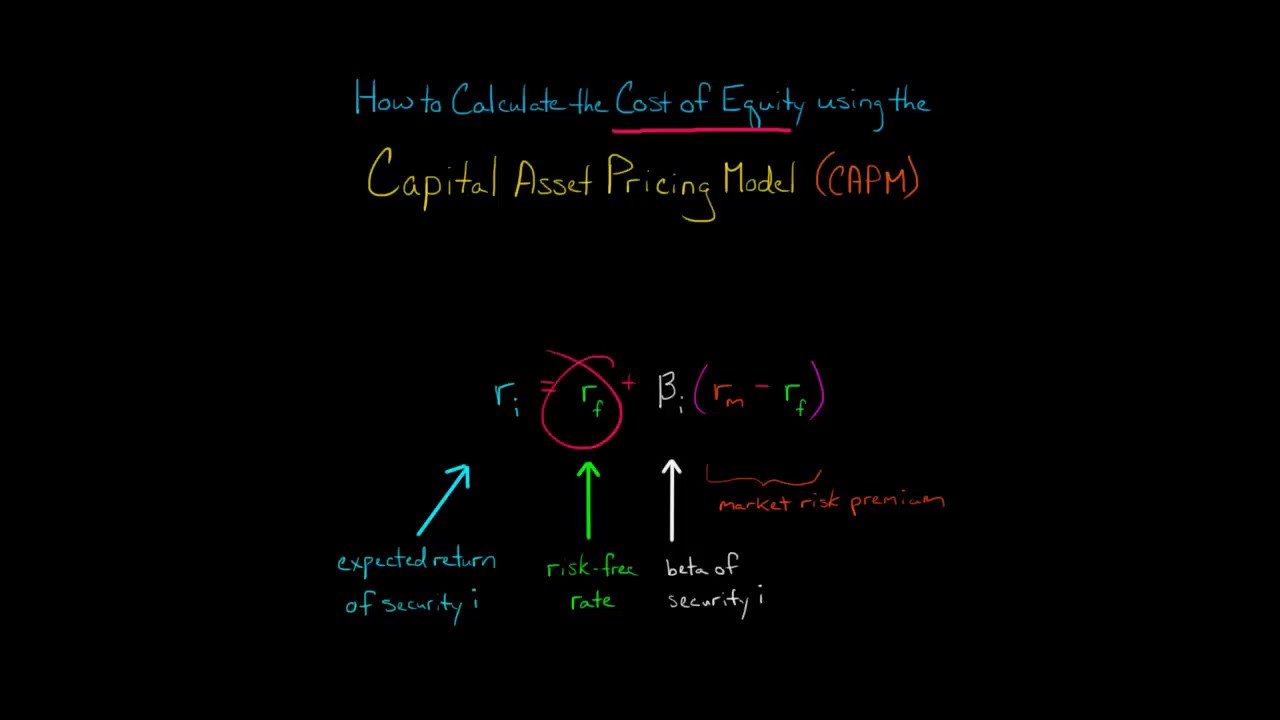
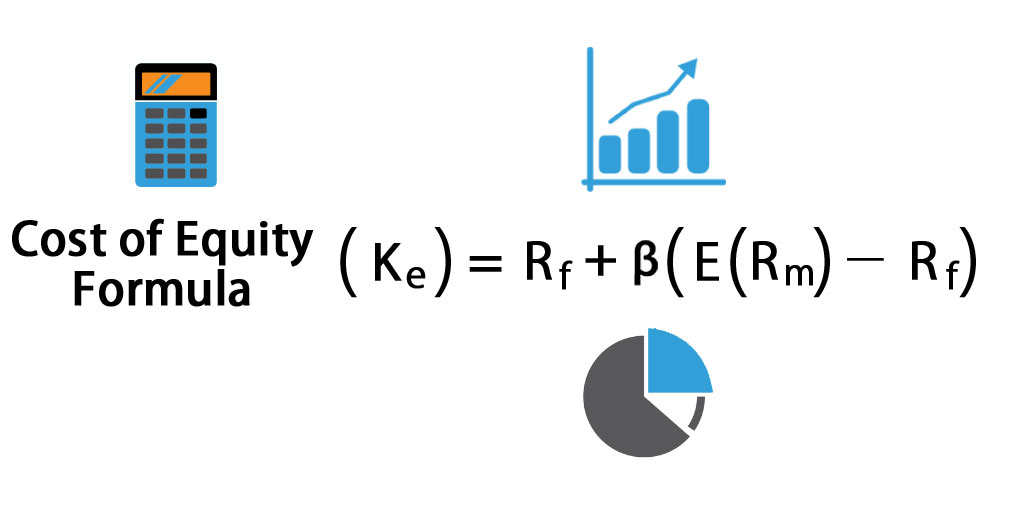
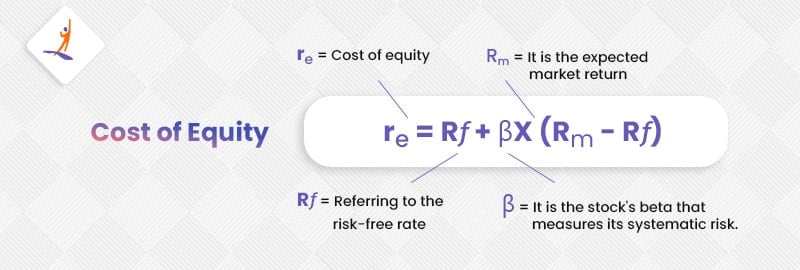
The CAPM formula looks like this:
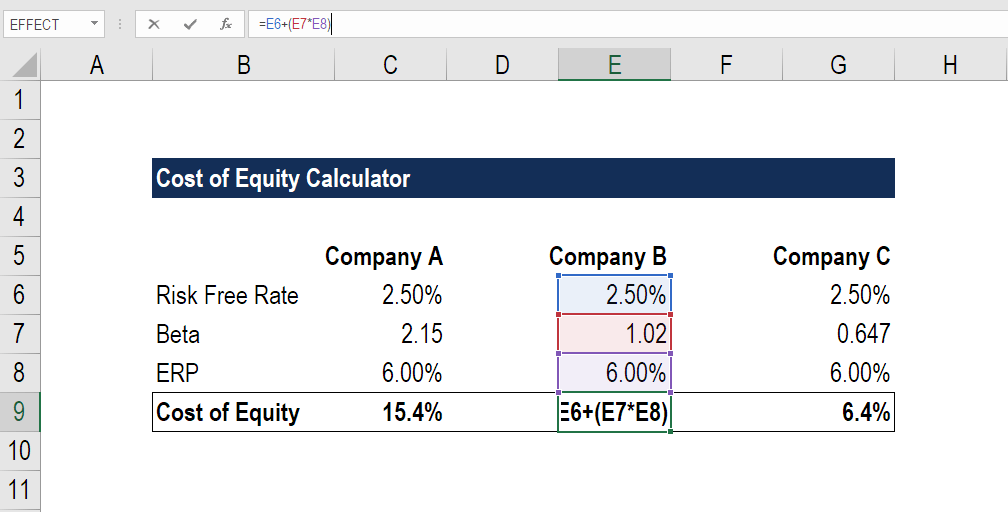
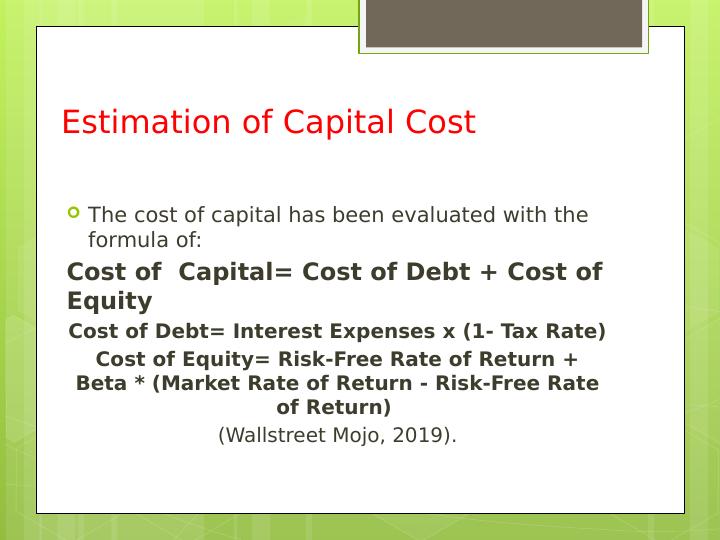
Cost of Equity = Risk-Free Rate + Beta * (Market Return - Risk-Free Rate)
Okay, let's break it down piece by piece, like a delicious croissant.
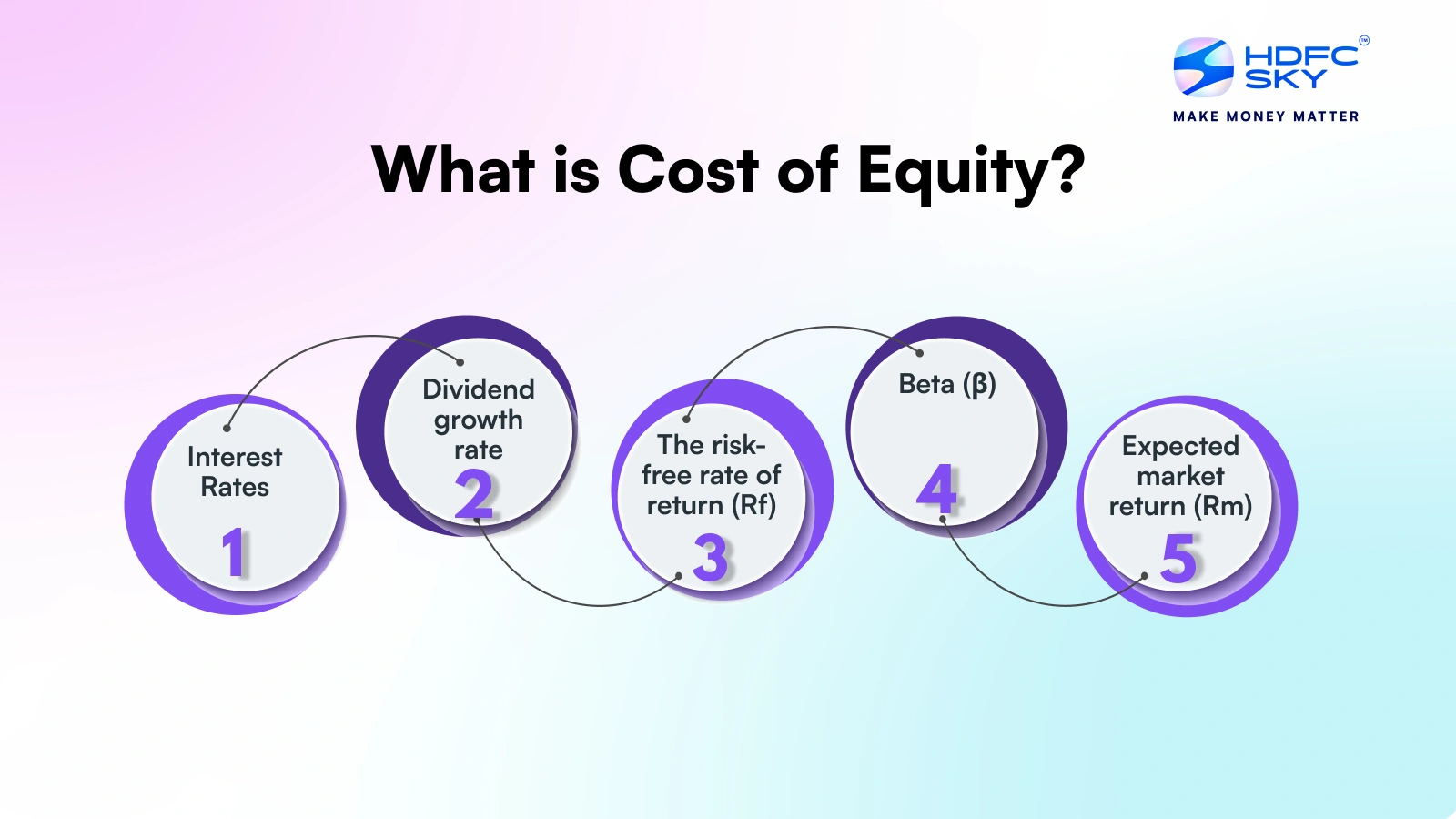
1. Risk-Free Rate (Rf): Think of this as the return you could get from a super safe investment, like a government bond. It's the baseline, the lowest possible return you'd expect. Why settle for less, if you could get this safely?
2. Beta (β): This measures how volatile a stock is compared to the overall market. A beta of 1 means the stock's price tends to move in the same direction and magnitude as the market. A beta greater than 1 means it's more volatile, and a beta less than 1 means it's less volatile. In other words, it measures the systematic risk of the asset.
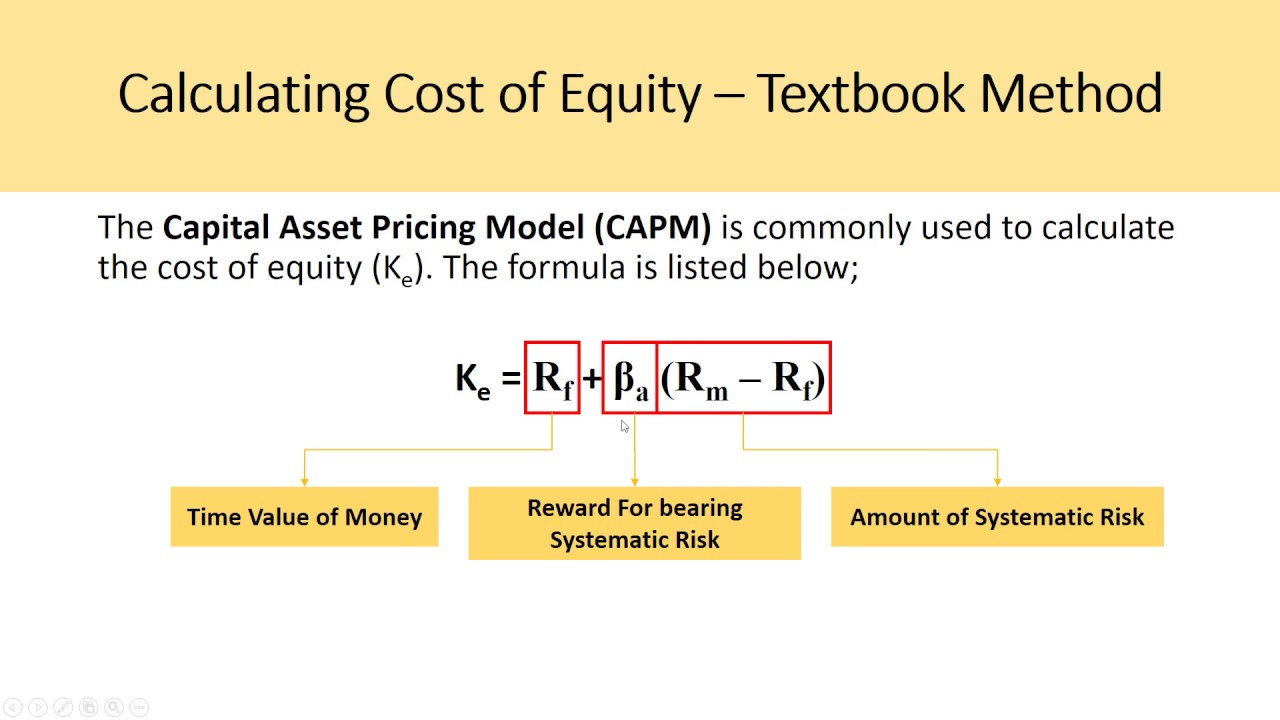
3. Market Return (Rm): This is the expected return of the overall market. It's the average return of the stock market as a whole. What investors generally anticipate earning, on average.
4. (Market Return - Risk-Free Rate): This is called the market risk premium. It represents the extra return investors expect for taking on the risk of investing in the stock market instead of a risk-free investment. The compensation for enduring market fluctuations.
So, putting it all together: The CAPM formula says that the cost of equity is equal to the risk-free rate plus a premium that reflects the stock's risk (beta) and the overall market risk premium. It's a neat little equation that captures the core elements of risk and return.
A Little Example to Illustrate
Let's say the risk-free rate is 3%, the beta of a company's stock is 1.2, and the expected market return is 10%. Plug those numbers into the CAPM formula:
Cost of Equity = 3% + 1.2 * (10% - 3%)
Cost of Equity = 3% + 1.2 * 7%
Cost of Equity = 3% + 8.4%
Cost of Equity = 11.4%
Therefore, the cost of equity for this company is 11.4%. This means investors require a return of at least 11.4% to compensate them for the risk of investing in this company's stock.
Beyond CAPM: Other Considerations
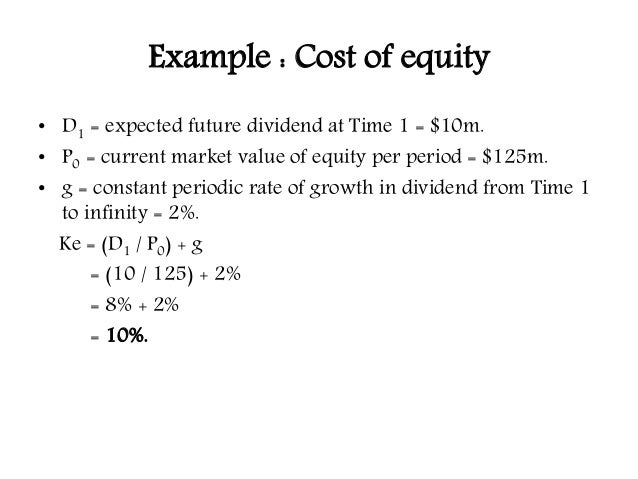
While CAPM is widely used, it's not the only method. There are other approaches, such as the Dividend Discount Model (DDM). The DDM estimates the cost of equity based on the expected future dividends a company will pay. We won't delve into the DDM today, but it's good to know it exists!

Things to Keep in Mind
Remember that the cost of equity is an estimate. It relies on assumptions about the future, which are inherently uncertain. Market conditions, investor sentiment, and company-specific factors can all influence the actual required return. Also, different models can yield different results. Don't treat the outcome as gospel; rather see it as guidance.
Also, the beta can change over time. The risk-free rate fluctuates, tracking governmental interest rates. Moreover, a company's risk profile might evolve, requiring investors to reassess their requirements.
Final Thoughts: It's All About Balance
Understanding the cost of equity is like understanding the ingredients in a delicious recipe. You need to know what goes in to create something truly satisfying. It's a key concept for companies, investors, and anyone interested in finance.
So, next time you hear someone talking about the cost of equity, don't be intimidated. Remember our chat at the café. Remember the lemonade stand and the croissant. You've got this! And remember, understanding finance is not about memorizing formulas, but about comprehending the underlying principles.
Now, go forth and conquer the financial world! And maybe treat yourself to another café au lait – you deserve it! À bientôt!