Okay, mes amis, let's talk about something that sounds incredibly formal but is actually a crucial part of adulting in France: writing to a notaire (notary). Specifically, we're diving into the magical world of formules de politesse, those polite closing formulas that can make or break your professional correspondence.
Think of it like this: in English, you might casually sign off with "Best," or "Sincerely." In France, that's like showing up to a wedding in flip-flops. You need to step it up a notch! It's all about respect, formality, and showing you understand the social etiquette. Alors, on y va? Let's get started.
Why Are Formules de Politesse So Important?
France is a country that values tradition and established protocols, and the notaire profession is steeped in both. A notaire is more than just someone who stamps documents; they are a public officer who plays a vital role in legal and financial matters. They deal with everything from property sales and inheritance to marriage contracts and company formations.
Using the correct formule de politesse demonstrates your respect for their position, their knowledge, and the formal nature of the situation. It shows you're not just some rando emailing from their phone. You're a serious individual who understands the gravity of the matter at hand. Think of it as a verbal curtsy or bow – a sign of deference.
Choosing the Right Formule: A Cheat Sheet
So, which formule should you use? Here are a few common options, ranked from slightly less formal to very formal:

- Cordialement: This is the safest bet for most situations. It's polite and generally applicable. It's like the little black dress of formules de politesse – always appropriate.
- Bien cordialement: A slightly warmer version of Cordialement. Use it if you've already established a bit of rapport.
- Sincères salutations: This is a good option if you want to express genuine respect.
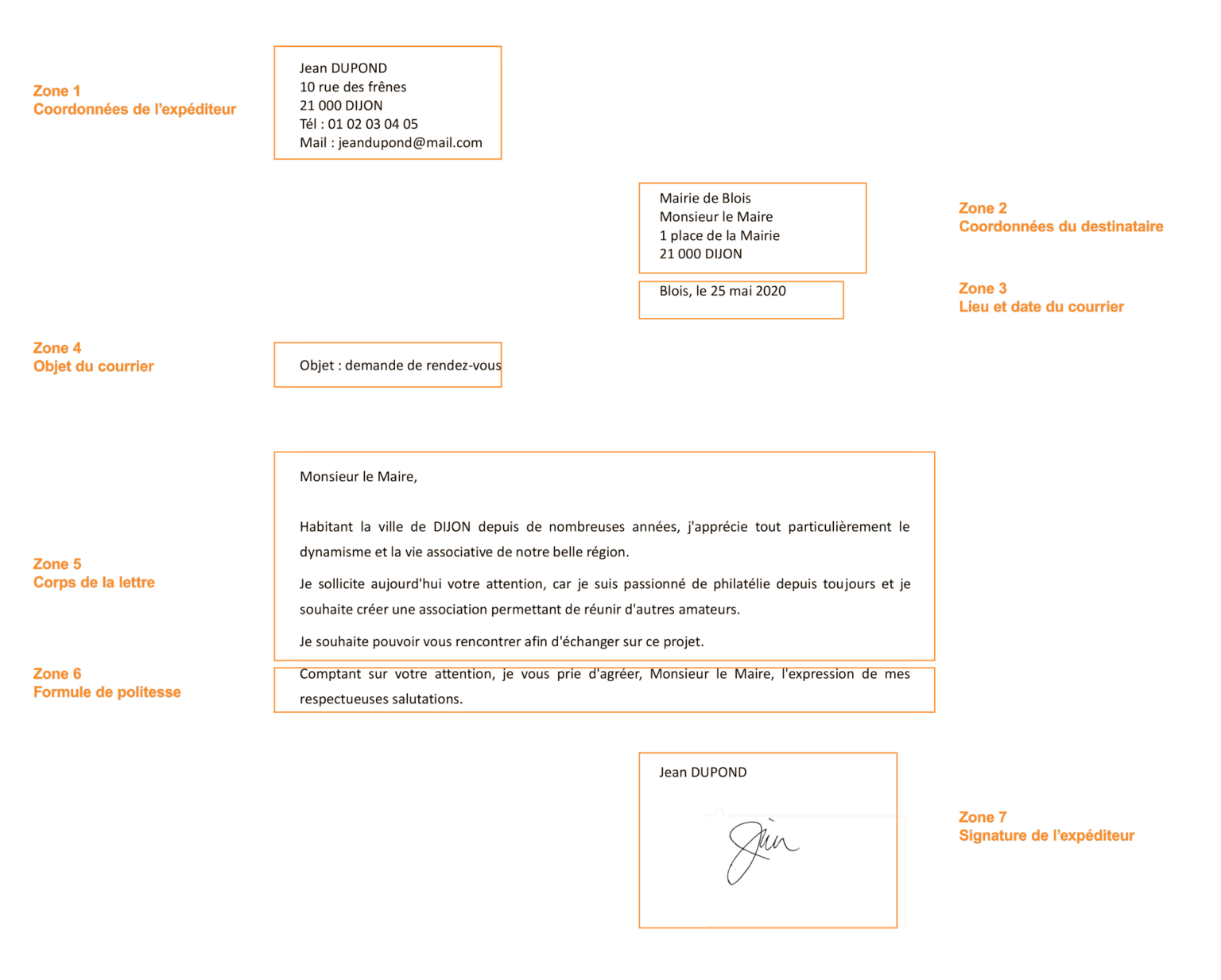
- Veuillez agréer, Madame/Monsieur, l'expression de mes salutations distinguées: Now we're getting serious! This is a classic and highly formal option, suitable for situations where you want to convey the utmost respect.
- Je vous prie d'agréer, Madame/Monsieur, l'expression de mes sentiments les meilleurs: Reserved for highly formal contexts. It's rarely used these days outside of official government correspondence (unless you are channeling your inner Louis XIV).
Important note: Always use Madame or Monsieur followed by the appropriate formule de politesse. Using someone's first name in a formal letter is a major faux pas!
Beyond the Closing: Other Politeness Pointers
The formule de politesse is the cherry on top, but the entire letter should be infused with politeness. Here are some other tips:

- Start with a respectful opening: "Madame," or "Monsieur," followed by their title (e.g., Maître Dupont – Maître is the title for a notaire or lawyer).
- Use conditional tense: Instead of saying "I want...", say "Je voudrais..." (I would like...). It softens your request and shows consideration.
- Be concise and clear: Get straight to the point, but do so politely. Avoid rambling or using overly complex language.
- Thank them in advance: A simple "Je vous remercie par avance..." (I thank you in advance...) can go a long way.
Cultural Nuances: A Touch of Je Ne Sais Quoi
Remember that French culture places a high value on elegance and refinement. Even in written communication, you're expected to demonstrate a certain level of sophistication. This isn't about being stuffy; it's about showing that you appreciate the finer points of language and social interaction. Think of it as the difference between ordering a simple coffee and carefully selecting a grand cru from a local roastery.
Just like you wouldn't wear a baseball cap to the Opera Garnier, you wouldn't use a casual email sign-off in a formal letter to a notaire. It's about matching your tone and style to the occasion. And if you're ever in doubt, err on the side of formality. It's always better to be slightly too polite than to risk offending someone.

A Final Thought: The Art of Connection
Ultimately, these formules de politesse are about more than just following rules. They're about building connections and showing respect for others. In a world that often feels impersonal and rushed, taking the time to craft a thoughtful and polite message can make a real difference.
So, the next time you need to write to a notaire (or anyone else in a formal setting), take a deep breath, choose your words carefully, and remember that a little politeness can go a long way. And who knows, maybe it will even open doors to new opportunities and stronger relationships. À bientôt!