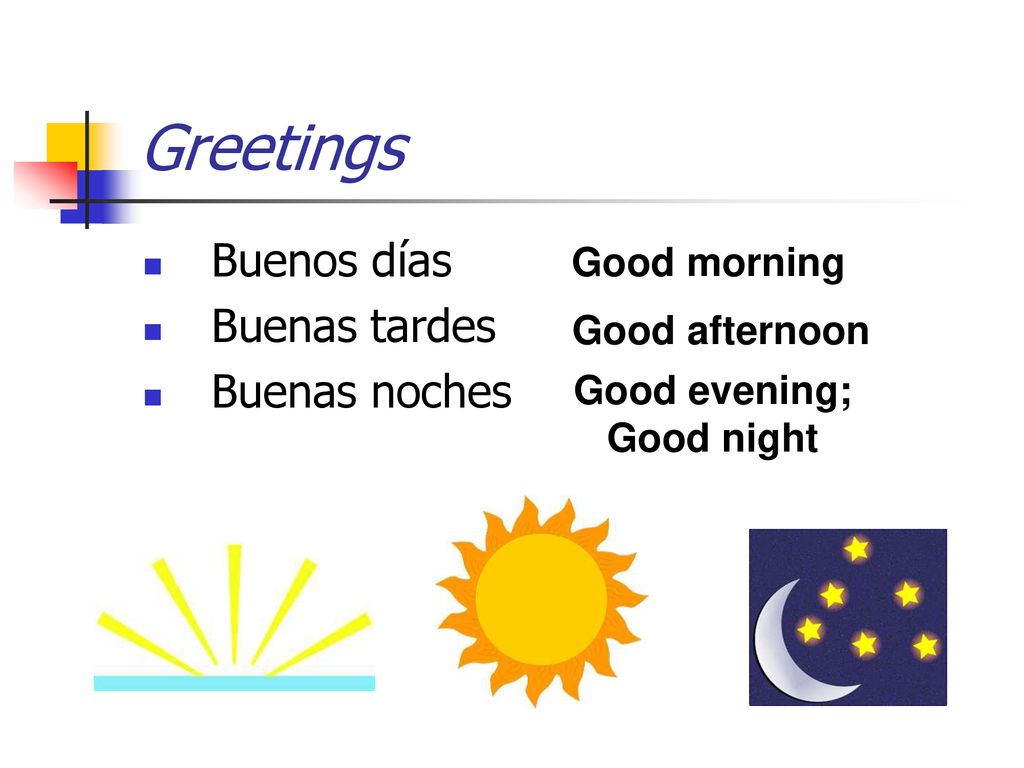
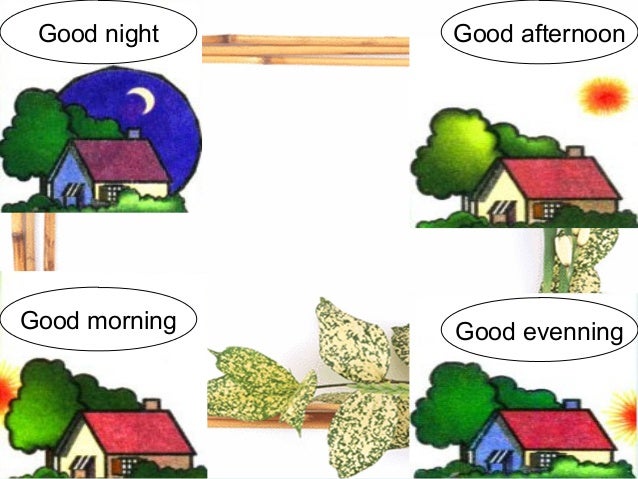
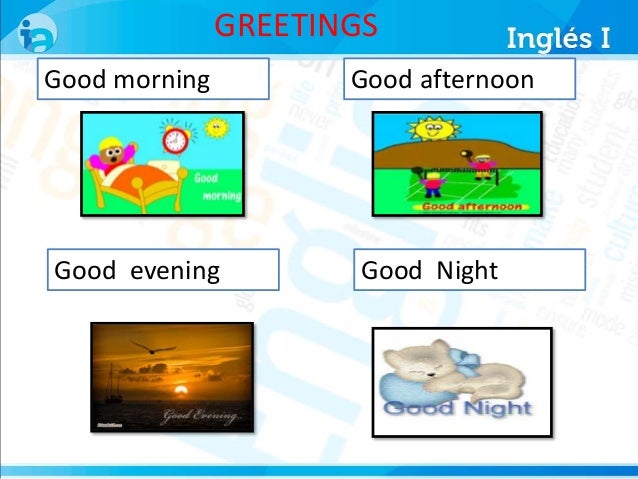
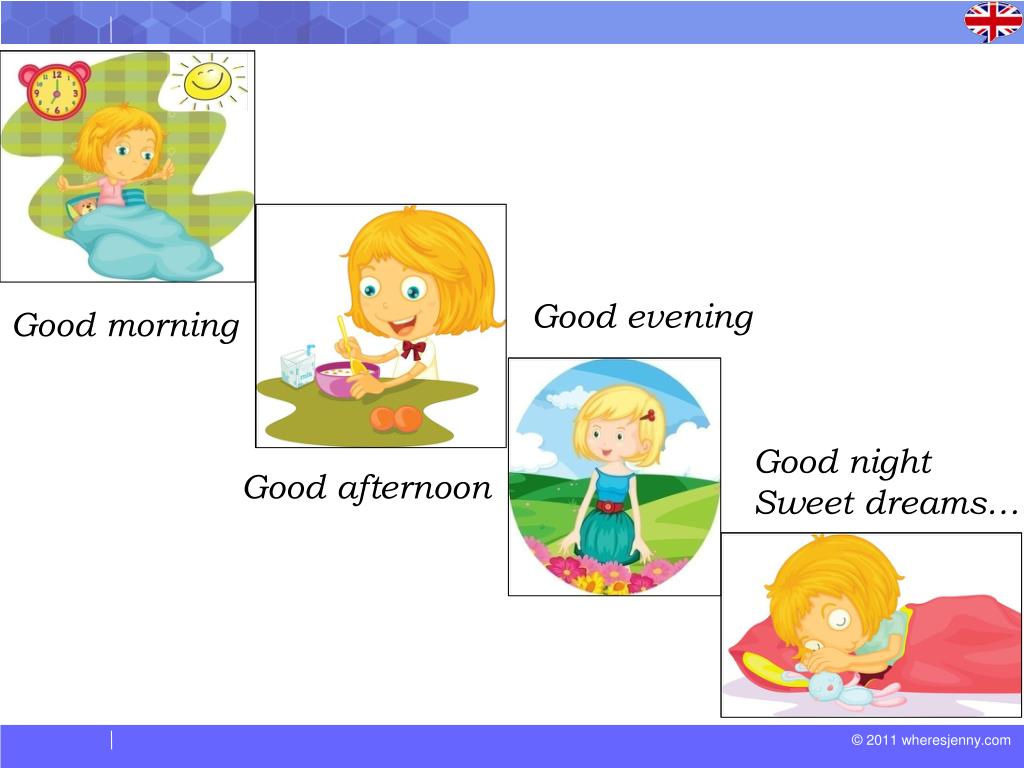
Bonjour mes amis! Let's talk about something incredibly profound, something that shapes our days, guides our interactions, and occasionally leads to awkward encounters: greetings. Specifically, those four horsemen of the conversational apocalypse: "Good Morning," "Good Afternoon," "Good Evening," and "Goodnight."
The Curious Case of Temporal Salutations
Aren't these greetings fascinating? We've decided, as a species, that certain times of the day warrant specific pronouncements. It's like nature's clock, only instead of chirping birds, we have humans uttering standardized pleasantries. And let's be honest, we've all stumbled on the timing, haven't we? That moment of existential dread when you accidentally say "Good Morning" at 4 PM and realize you've just shattered the fabric of reality. (Okay, maybe I'm exaggerating… a little.)
Good Morning: The Optimist's Anthem
Ah, "Good Morning." The greeting of possibilities, of freshly brewed coffee, and the lingering hope that today won't be a complete disaster. It's the verbal equivalent of sunshine and rainbows… unless you're a morning person. Then it's just a statement of fact.
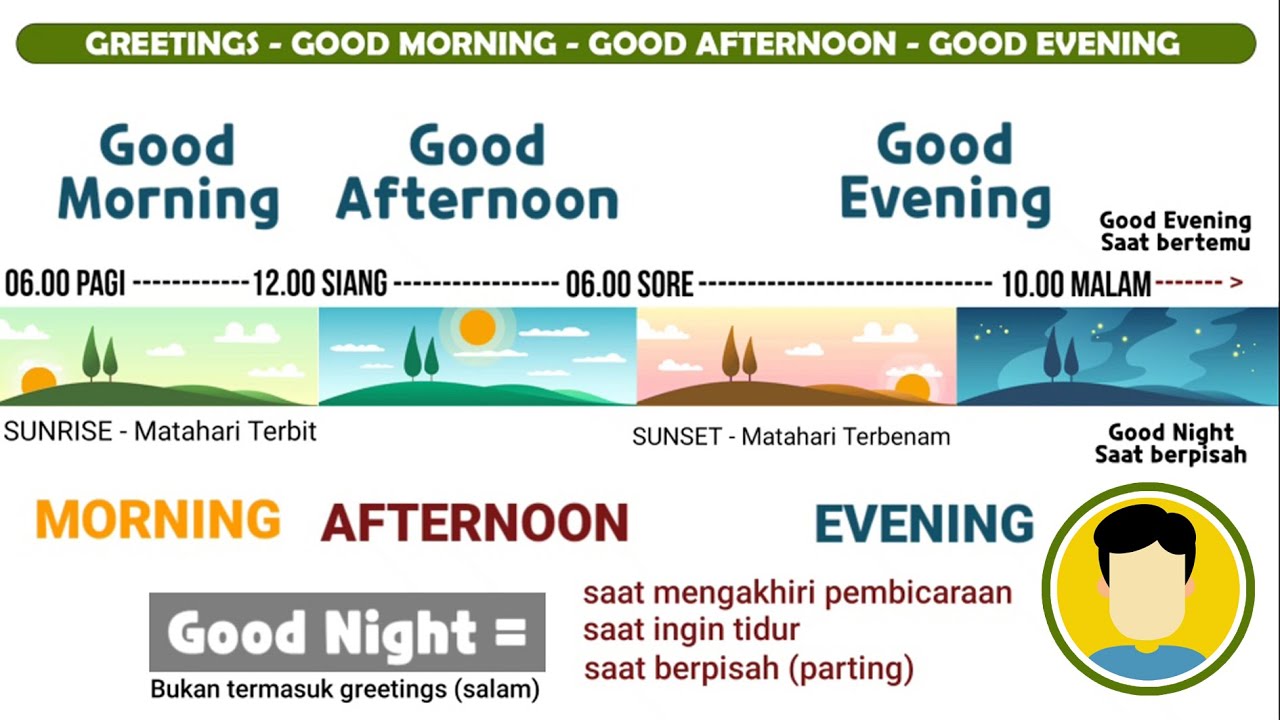
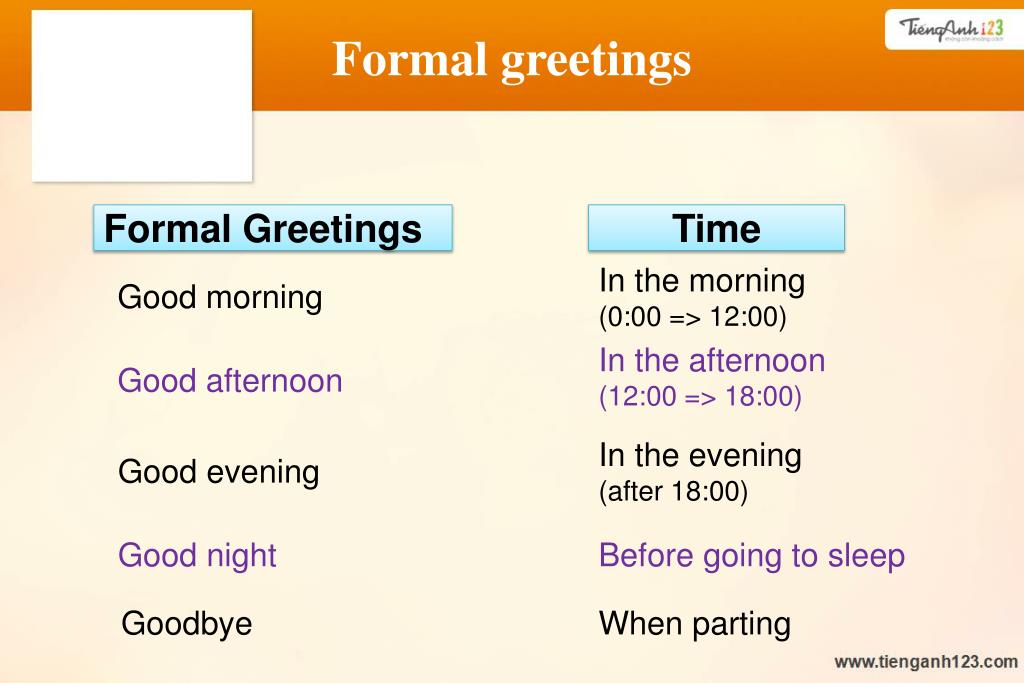
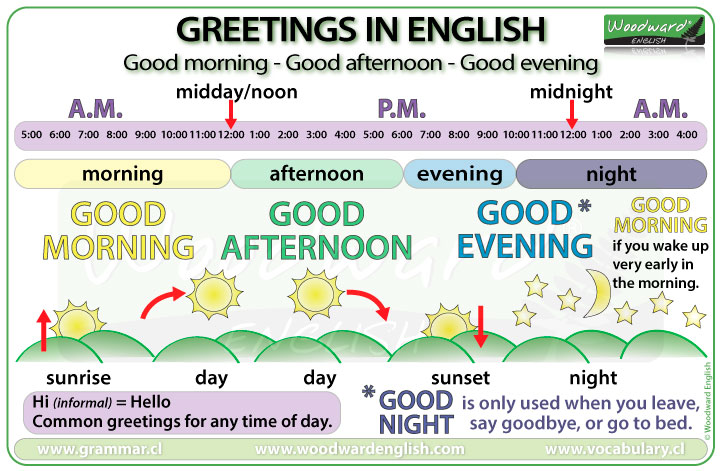
The window for "Good Morning" is surprisingly narrow, isn't it? Generally accepted to be from sunrise (whenever that is, depending on your latitude and your ability to peel yourself out of bed) until roughly noon. After that, you're venturing into dangerous "Good Afternoon" territory. Tread carefully, my friends.
Key Characteristics of the "Good Morning" Person:
- Possibly fueled by caffeine.
- May possess an unnerving amount of energy.
- Likely hasn't checked their email yet. Give them time.
Good Afternoon: The Midday Maze
"Good Afternoon" is the Switzerland of greetings: neutral, inoffensive, and often overlooked. It's the greeting you use when you're not quite sure if it's still morning, but you definitely know it's not evening. It's a safe bet, a conversational comfort zone.
This greeting typically reigns supreme from noon until, let's say, 6 PM? But even that's debatable. It really depends on the vibe, the lighting, and whether or not you've had your afternoon snack. If you're surrounded by shadows and powered by chocolate, you might get away with an early "Good Evening."
Identifying the "Good Afternoon" User:
- Probably experiencing the afternoon slump.
- May be daydreaming about the weekend.
- Likely just ate lunch.
Good Evening: Twilight's Tale
"Good Evening" is where things get interesting. It's the greeting of sophistication, of dimly lit restaurants, and the promise of relaxation. It suggests that the day's work is (hopefully) done, and it's time to unwind. It also carries a hint of formality that "Good Afternoon" lacks. It's the greeting you use when you want to subtly imply that you're a cultured individual, even if you're just about to binge-watch reality TV in your pajamas.
This greeting generally applies from around 6 PM until… well, until "Goodnight" becomes appropriate. The transition can be tricky. If you're attending a fancy gala, "Good Evening" might last all night. But if you're just saying hello to your neighbor while taking out the trash at 10 PM, "Goodnight" might be the better option.
Spotting the "Good Evening" Aficionado:
- Possibly wearing slightly more sophisticated attire.
- May be holding a glass of wine (or at least thinking about it).
- Likely plotting their evening activities.
Goodnight: The Farewell Waltz
"Goodnight." The end of the line. The final curtain call. The ultimate dismissal. Okay, maybe it's not that dramatic. But it is the definitive way to signal the end of an interaction, especially before bedtime. Saying "Goodnight" at noon would be… unsettling, to say the least. Unless you're a vampire. Then it's perfectly acceptable.
"Goodnight" Etiquette: It's crucial to reserve "Goodnight" for when someone is actually going to sleep, or when you are parting ways for the evening. Saying "Goodnight" when you're just popping out to the store is like prematurely declaring victory in a game of chess. It's just not done.
Recognizing the "Goodnight" Preparer:
- Likely wearing pajamas (or thinking about it).
- May be brushing their teeth (or should be).
- Definitely ready for some shut-eye.
The Gray Areas: Navigating the Greeting Gauntlet
Of course, life isn't always so neatly categorized. There are those ambiguous moments when you're not quite sure which greeting to use. What about that 5 PM meeting? Is it "Good Afternoon" or "Good Evening?" What about that late-night email exchange at 1 AM? Is it "Good Morning" (because technically a new day has begun) or just plain weird?
Here are some tips for navigating these treacherous waters:
- Consider the context: Is it a formal or informal situation? Who are you talking to? What's the general vibe?
- Err on the side of caution: When in doubt, "Hello" is always a safe bet. It's the greeting equivalent of a beige trench coat: versatile and inoffensive.
- Observe others: Take a cue from the people around you. What greetings are they using? Mimic their behavior like a well-mannered parrot.
- Don't overthink it: Seriously. It's just a greeting. If you accidentally say "Good Morning" at 7 PM, laugh it off and move on. Nobody's going to call the Greeting Police (probably).
The Cultural Conundrum: Greetings Around the World
And just when you thought you had a handle on these four simple greetings, remember that the world is a vast and varied place, filled with different languages, customs, and time zones. What's considered appropriate in one culture might be downright offensive in another.
For example, in some cultures, it's customary to greet people with a kiss on the cheek. In others, a simple nod is sufficient. In still others, you might be expected to perform an elaborate ritual involving chanting and ceremonial tea. (Okay, I might be exaggerating again… slightly.)
The point is, do your research. If you're traveling to a foreign country, take the time to learn about their greeting customs. It'll save you from potential embarrassment and help you make a good impression. Or, just stick to "Hello." It's pretty universal.

The Future of Greetings: Beyond "Good Morning"
What does the future hold for these age-old greetings? Will we eventually replace them with emojis? Will we develop telepathic greetings that bypass the need for spoken words altogether? Will robots greet us with perfectly timed and emotionally appropriate pronouncements?
Only time will tell. But one thing is certain: the need to acknowledge each other's presence will likely remain a fundamental part of the human experience. Whether we do it with a handshake, a bow, a virtual hug, or a simple "Good Morning," the act of greeting is a way of saying, "I see you. I acknowledge you. You are not alone."
Greeting Glitches and Hilarious Mishaps
Let's take a moment to revel in the awkward situations we've all experienced (or witnessed) involving greetings. It's a rite of passage, really. If you haven't accidentally greeted your reflection in a mirror or addressed a mannequin with a hearty "Good Morning," have you truly lived?
Here are some classic greeting blunders:
- The Premature "Goodnight": Saying "Goodnight" when you're just about to embark on a three-hour conversation.
- The "Good Morning" at Sunset: Shattering the temporal illusion with an inappropriately timed greeting.
- The Mirror Mishap: Accidentally greeting your own reflection with enthusiasm.
- The Wrong Name Fiasco: Addressing someone by the wrong name, followed by a desperate attempt to recover.
- The Unrequited Greeting: Offering a cheerful "Good Morning" to someone who clearly wants nothing to do with you.
These moments are cringe-worthy, yes, but they also provide us with valuable lessons. They teach us to be more mindful, more observant, and more forgiving of ourselves and others. And they remind us that, ultimately, it's the intention behind the greeting that matters most.
Greeting Zen: The Art of Mindful Salutations
Believe it or not, there's a certain Zen-like quality to the art of greeting. It's about being present in the moment, connecting with another human being (or even a mannequin), and offering a genuine expression of goodwill. It's about slowing down, making eye contact, and delivering your greeting with sincerity.
Here are some tips for achieving Greeting Zen:
- Be present: Put down your phone, look up, and focus on the person you're greeting.
- Make eye contact: Eye contact is a powerful way to connect with others and convey sincerity.
- Smile: A smile can go a long way in making someone feel welcome and appreciated.
- Speak clearly: Mumbling your greeting is a sign of disinterest. Speak clearly and confidently.
- Be genuine: Don't just go through the motions. Put some heart into your greeting.
By practicing mindful salutations, you can transform a simple greeting into a meaningful interaction that brightens both your day and the day of the person you're greeting. Or, at the very least, you'll avoid accidentally greeting your reflection in the mirror.
The Psychology of Greetings: Why We Say What We Say
Ever wonder why we bother with these formal greetings in the first place? It's not just about being polite; there's a deeper psychological reason at play. Greetings serve several important functions in social interactions:
- Establish Connection: Greetings signal that we acknowledge another person's presence and are open to interaction.
- Establish Social Hierarchy: The way we greet someone can indicate our relative social standing. (Think formal bows vs. casual high-fives.)
- Express Respect: Greetings are a way of showing respect for another person's time and attention.
- Set the Tone for the Interaction: A warm and friendly greeting can set a positive tone for the entire conversation.
- Reduce Uncertainty: Greetings provide a predictable framework for social interactions, reducing anxiety and awkwardness.
So, the next time you utter a "Good Morning" or a "Good Evening," remember that you're not just spouting empty words. You're engaging in a complex social ritual that has evolved over centuries to help us connect with each other and navigate the complexities of human interaction.
Greetings in Pop Culture: From Stage to Screen
Greetings have played a prominent role in pop culture, from classic movie lines to catchy song lyrics. Think about the iconic "Here's looking at you, kid" from Casablanca, or the sing-along-worthy "Hello, Dolly!" from the musical of the same name.
Greetings can be used to create humor, build suspense, or establish a character's personality. A gruff, dismissive "What do you want?" can instantly tell us that a character is unfriendly, while a warm and enthusiastic "Welcome!" can signal that a character is kind and welcoming.
And let's not forget the power of a well-timed "Goodnight" in a romantic movie. It can be the perfect way to end a date, leave the audience wanting more, and solidify the characters' connection.
The Unspoken Greeting: Body Language and Beyond
While verbal greetings are important, they're not the only way we communicate our intentions. Body language plays a crucial role in conveying our feelings and attitudes. A genuine smile, direct eye contact, and open posture can all enhance the impact of a greeting.
Here are some key elements of nonverbal greeting communication:
- Eye Contact: Making eye contact signals attentiveness and sincerity.
- Facial Expressions: A smile conveys warmth and friendliness.
- Posture: Open posture (e.g., uncrossed arms) indicates receptiveness.
- Proximity: The distance we maintain from others can signal our level of comfort and intimacy.
- Touch: Handshakes, hugs, and kisses (depending on cultural norms) can convey warmth and affection.
By paying attention to both verbal and nonverbal cues, we can become more effective communicators and build stronger relationships.
Advanced Greeting Techniques: Level Up Your Salutations
Ready to take your greeting game to the next level? Here are some advanced techniques for mastering the art of salutation:
- Personalize Your Greetings: Instead of just saying "Good Morning," try adding the person's name or a specific detail about their day. "Good Morning, Sarah! How was your presentation yesterday?"
- Use Humor: A well-placed joke can break the ice and create a positive connection. "Good Morning! I see you survived Monday."
- Offer a Compliment: Complimenting someone on their appearance or their work can boost their self-esteem and make them feel appreciated. "Good Evening! I love your dress."
- Show Genuine Interest: Ask follow-up questions to show that you're truly interested in the other person's response. "Good Afternoon! How's that project coming along?"
- Be Mindful of Cultural Differences: Adapt your greeting style to suit the cultural context.
By incorporating these techniques into your daily interactions, you can transform your greetings from perfunctory exchanges into meaningful connections.
The Art of the Apology Greeting: When "Oops" is Necessary
Let's face it, sometimes we mess up our greetings. We call someone by the wrong name, misjudge the time of day, or accidentally insult someone with our words. In these situations, a sincere apology is essential.
Here are some tips for delivering an effective apology greeting:
- Acknowledge Your Mistake: Clearly state what you did wrong. "I'm so sorry, I called you by the wrong name."
- Express Remorse: Show that you regret your actions. "I feel terrible about it."
- Take Responsibility: Don't make excuses or blame others. "It was my fault."
- Offer a Solution: If possible, offer a way to make amends. "Let me buy you a coffee to make up for it."
- Be Sincere: A genuine apology is more likely to be accepted.
A well-delivered apology can go a long way in repairing damaged relationships and restoring goodwill.
The Greeting of the Future: AI and Beyond
As artificial intelligence becomes more prevalent in our lives, it's inevitable that AI-powered greetings will become more common. Imagine a world where robots greet us with perfectly timed and emotionally appropriate pronouncements, tailored to our individual preferences and moods.
While this might sound like something out of a science fiction movie, it's not as far-fetched as you might think. AI is already being used to personalize marketing messages, and it's only a matter of time before it's applied to greetings.
But will AI-powered greetings ever be able to replace the warmth and sincerity of a human greeting? Only time will tell. In the meantime, let's continue to practice the art of mindful salutations and connect with each other on a human level.
So, in conclusion…
Whether you're a "Good Morning" enthusiast, a "Good Afternoon" dabbler, a "Good Evening" sophisticate, or a "Goodnight" devotee, remember that greetings are more than just words. They're a way of connecting with others, expressing respect, and navigating the complexities of social interaction. And if you accidentally say "Good Morning" at midnight? Just blame it on jet lag. 😉