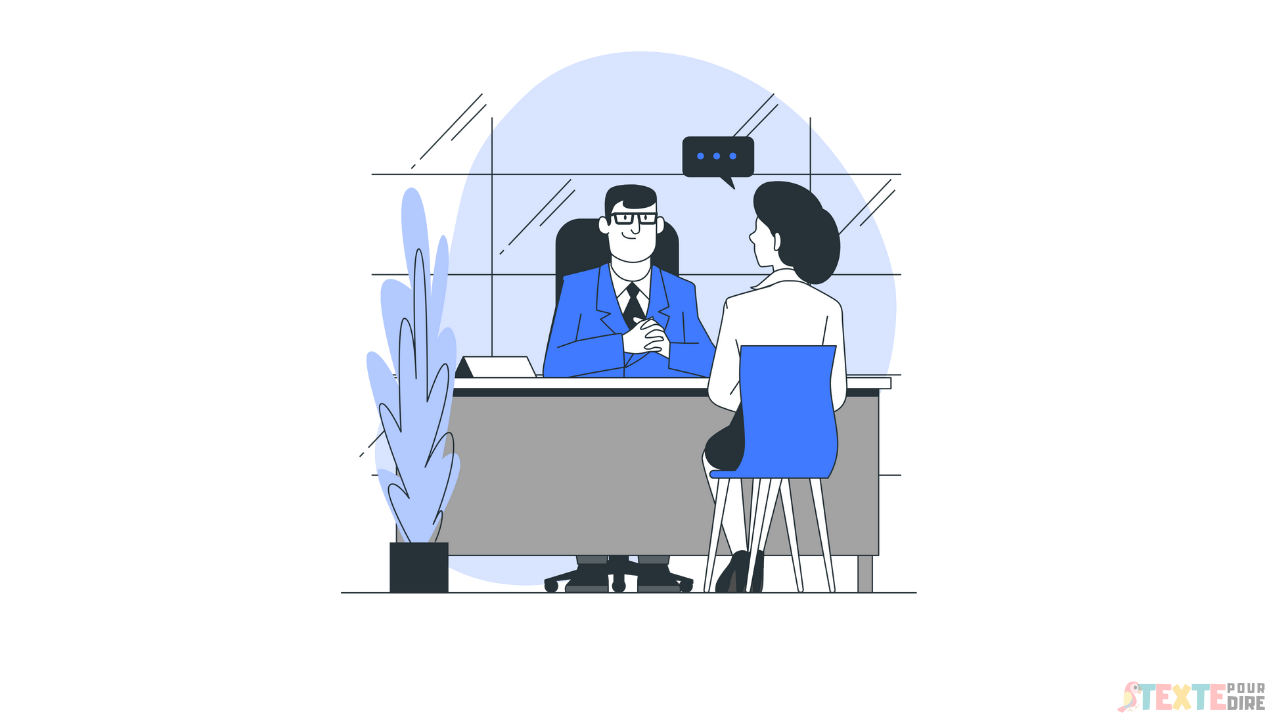
Ah, "Je me permets de vous solliciter pour un rendez-vous"... Sounds fancy, right? Like something a secret agent would whisper before requesting a clandestine meeting. But in reality, it's just a polite (sometimes too polite) way of asking someone for their time. Think of it as the French equivalent of, "Hey, you busy next Tuesday?"... but dressed in a tuxedo and sipping champagne.
Let's break this down, because deciphering formal French can feel like trying to understand a mime at a rock concert.
The Anatomy of a Polite Request
First, "Je me permets de..." This roughly translates to "I'm allowing myself to..." or "If I may..." It's like you're asking permission from yourself to even bother the other person. Which, let's be honest, is a very French thing to do. It’s acknowledging that you know their time is valuable, and you're not just waltzing in like you own the place.
Then comes "vous solliciter pour..." Solliciter. Ooh la la! Sounds intense, doesn't it? It means "to request" or "to ask". But it's not just any request; it's a formal request. Imagine asking your friend to borrow their car. You wouldn't "solliciter" them. You'd just be like, "Yo, can I borrow your ride?" But asking your boss for a raise? That might warrant a "solliciter." It's like the difference between asking for a cookie and asking for a royal decree.
And finally, "un rendez-vous." This is the straightforward part. It means "an appointment" or "a meeting". No surprises there. It's not necessarily romantic, despite the word "rendez-vous" having that slightly seductive connotation. It's simply a planned get-together for a specific purpose.
So, put it all together, and you have: "I'm allowing myself to request an appointment from you." A mouthful, I know! But that’s French for you. Efficiency isn’t always the goal; elegance and politeness often take precedence.

When to Use This Phrase (and When to Run Screaming in the Other Direction)
Okay, so when should you actually use this phrase? Well, typically in formal situations. Think: writing to a professor, contacting a potential client, emailing a government official. Basically, any situation where you want to project an image of utmost respect and professionalism. Like when you’re trying to impress someone important. It's the kind of phrase that makes you feel like you should be wearing a three-piece suit, even if you're just writing an email from your pajamas.
However, there are times when using this phrase would be overkill, bordering on ridiculous. Imagine texting your best friend: "Je me permets de te solliciter pour un rendez-vous afin de discuter de la dernière saison de 'Stranger Things'." Your friend would probably think you've lost your mind. Or perhaps you're writing to your mom asking for the recipe for her famous apple pie? "Maman, je me permets de vous solliciter pour un rendez-vous culinaire afin de discuter des ingrédients précis de votre tarte aux pommes légendaire." She might just send you a rolling pin instead of the recipe.
Basically, use your common sense. If you're talking to someone you know well and the situation is casual, stick to simpler language. Unless, of course, you're deliberately trying to be funny. (Which, let's be honest, can be a valid strategy.)
Decoding the Response
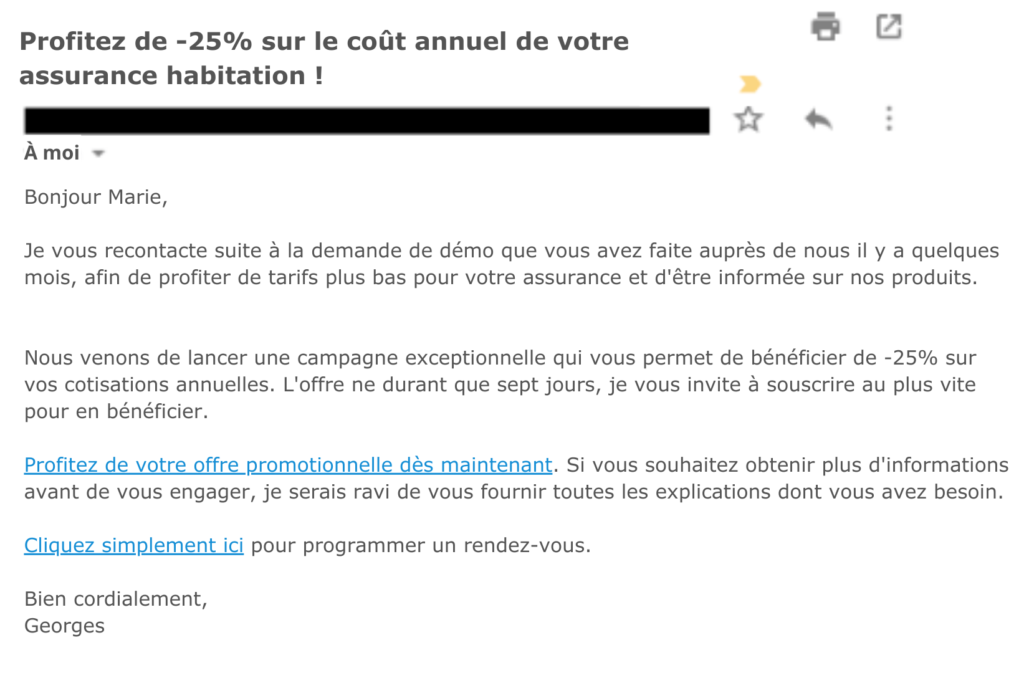
Now, what if you receive an email with this phrase? What does it mean? Well, it means someone wants something from you! But they're being very polite about it. It's an indication that the person values your time and wants to approach you with respect. Take it as a compliment, even if you're swamped and the thought of another meeting makes you want to hide under your desk.

The tone of the rest of the email will give you more clues. Are they being super formal throughout? Or is there a hint of casualness peeking through? This will help you gauge the appropriate response.
Common Pitfalls (and How to Avoid Them)
One common mistake is using this phrase incorrectly. Make sure you have the grammar right! French grammar can be a treacherous beast, and one wrong preposition can completely change the meaning of your sentence. Always double-check your work, or better yet, ask a native speaker to proofread it for you. (Or use Google Translate with extreme caution – it’s not always the most reliable source for nuanced language.)
Another pitfall is being too formal. Sometimes, excessive politeness can come across as insincere or even condescending. Remember, the goal is to be respectful, not robotic. Let your personality shine through (within reason, of course). A touch of humor can go a long way in breaking the ice, even in formal situations. But know your audience!

And finally, don't forget the follow-up! If you don't hear back after a reasonable amount of time (a week or so), it's perfectly acceptable to send a polite reminder. Something like, "Je me permets de revenir vers vous concernant ma précédente demande de rendez-vous..." ("I'm allowing myself to come back to you regarding my previous request for an appointment...") But keep it brief and to the point. No one likes a nag!
The Alternative: Less Formal Options
Let's say you want to request a meeting, but you don't want to sound like you're auditioning for a role in a period drama. What are some less formal alternatives?
Here are a few options:
- "Serait-il possible de convenir d'un rendez-vous ?" ("Would it be possible to arrange a meeting?")
- "Auriez-vous quelques disponibilités pour un rendez-vous ?" ("Would you have some availability for a meeting?")
- "Pourrions-nous nous rencontrer prochainement ?" ("Could we meet soon?")
These options are still polite, but they're less stuffy and more approachable. They're like the difference between wearing a suit and wearing a blazer. Still professional, but a little more relaxed.

Ultimately, the best approach depends on the specific situation and your relationship with the person you're contacting. But hopefully, this article has demystified the phrase "Je me permets de vous solliciter pour un rendez-vous" and given you the confidence to navigate the world of formal French with a smile (and maybe a slight chuckle).
So, the next time you encounter this phrase, don't be intimidated. Just remember the mime at the rock concert, take a deep breath, and respond accordingly. Bon courage! And may your rendez-vous be productive (and hopefully not too painful).
And remember, even if you accidentally say something slightly awkward, it's okay. The French appreciate the effort, even if your grammar isn't perfect. They know their language is complicated! They probably pity you a little bit, which, in a weird way, can actually work in your favor.
In conclusion, "Je me permets de vous solliciter pour un rendez-vous" is a fancy way to ask for a meeting. Use it when appropriate, avoid it when it's not, and don't be afraid to laugh at yourself if you mess it up. After all, life's too short to take formal French too seriously.