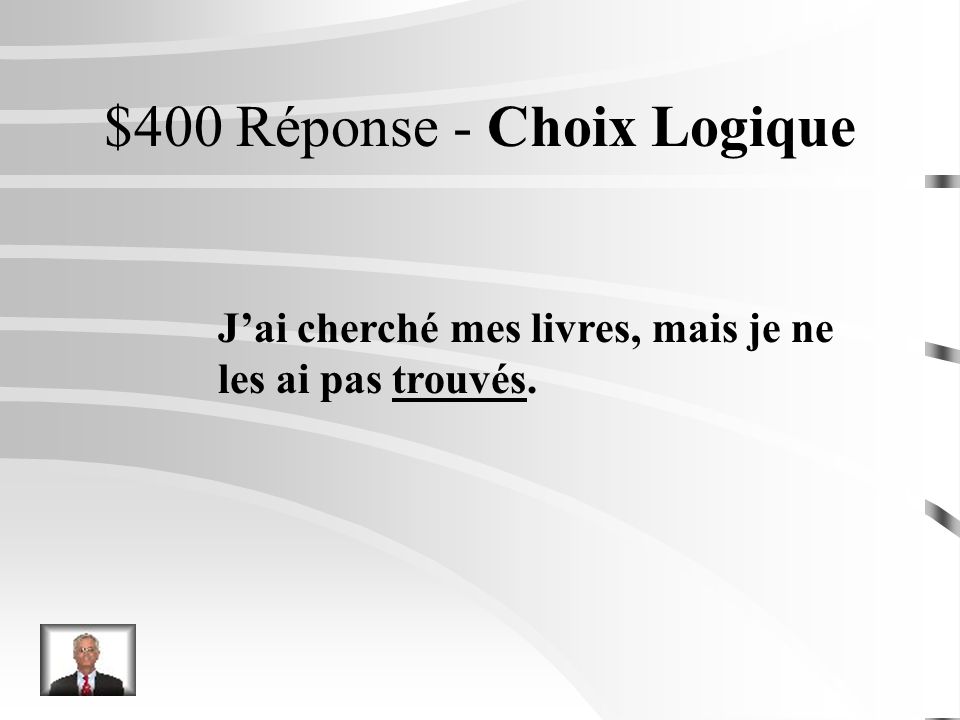
Okay, so picture this: Me, frantically digging through my overflowing handbag, muttering to myself. I was supposed to meet Sophie for coffee, and I knew I had my loyalty cards in there. Coffee is expensive, people! Every stamp counts! After what felt like an eternity (and probably looked like I was auditioning for a mime show pretending to be a badger), Sophie just looked at me with this knowing smile and said, "Tu cherches tes cartes? Je ne les ai pas trouvées."
And that's when it hit me. Not just that I’d spent ten minutes wrestling a miniature version of Mount Everest, but also the elegance (and slight passive-aggressiveness, let's be real) of that little phrase. "Je ne les ai pas trouvées." I haven't found them. Sounds simple, right? But oh-so-useful. And deceptively complex, if you really dig into it.
Breaking Down "Je Ne Les Ai Pas Trouvées"
Let's dissect this bad boy. It's a prime example of using a direct object pronoun in the passé composé. Stick with me here, it's not as scary as it sounds! Think of it like this:
- Je: I
- Ne...pas: The negation – not
- Les: This is the crucial part! It's the direct object pronoun, meaning "them." It replaces the thing you’re looking for. In my case, it was "mes cartes de fidélité" (my loyalty cards).
- Ai: The auxiliary verb "avoir" in the present tense (I have). It's part of the passé composé.
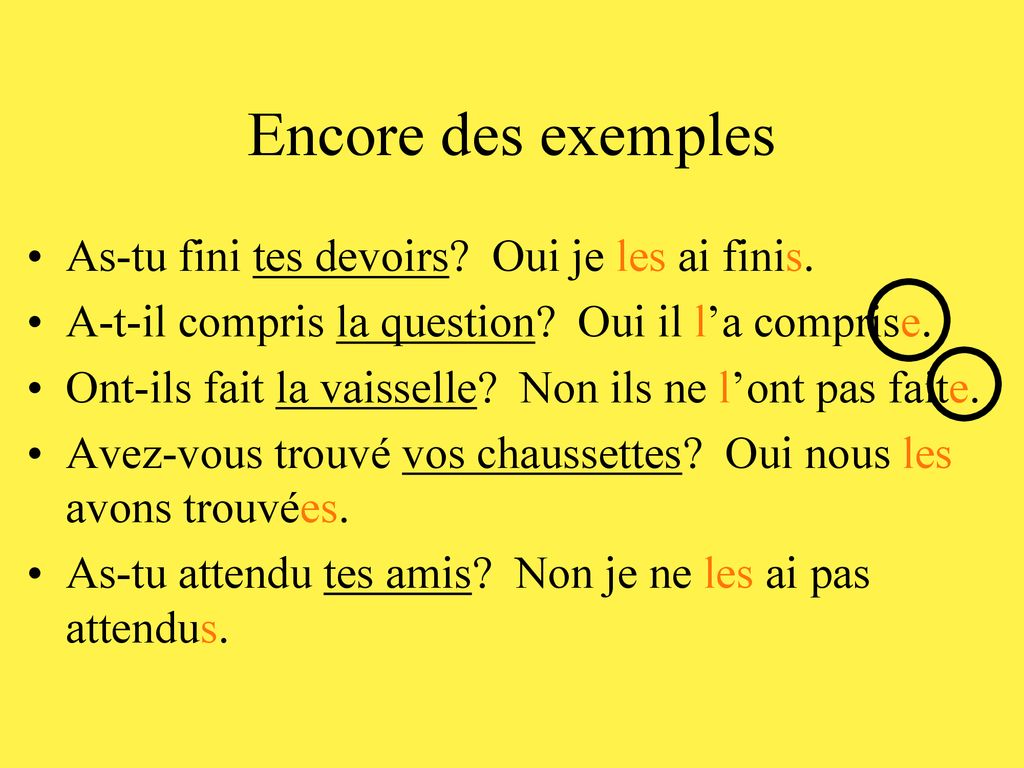
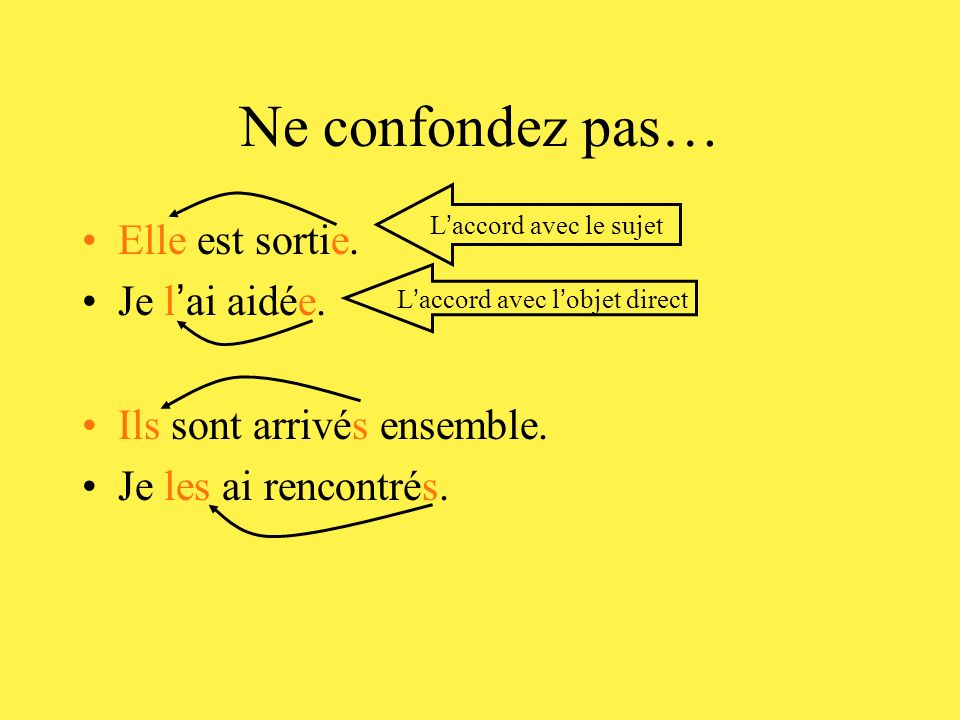
- Trouvées: The past participle of "trouver" (to find), which agrees in gender and number with the direct object ("les"). Because "les" refers to feminine plural nouns (my loyalty cards), we add an "e" and an "s" to "trouvé." Tricky, I know!
So, literally, it translates to "I have not found them." But it's so much more than just a simple translation. It's a perfectly polite way to say you haven't been successful in your search. It's like saying, "Don't expect me to magically produce those lost socks, because I’ve already looked!"
Why "Les" and Not "La" or "Le"?
This is where understanding those pesky little grammatical genders comes in. French nouns are either masculine or feminine, even when it doesn’t seem logical. A table ("la table") is feminine, a book ("le livre") is masculine. And plurals...well, they get even more interesting.

The direct object pronoun has to agree in gender and number with the thing it replaces. That's why we used "les" – because "mes cartes de fidélité" (my loyalty cards) is feminine plural.
Imagine if Sophie had said "Je ne l'ai pas trouvé" (masculine singular). That would mean she was looking for something else entirely… maybe my missing brain cells after that crazy coffee run!
Other Variations and Similar Phrases
The beauty of French is its versatility. You can tweak this phrase to fit all sorts of situations. Here are a few examples:

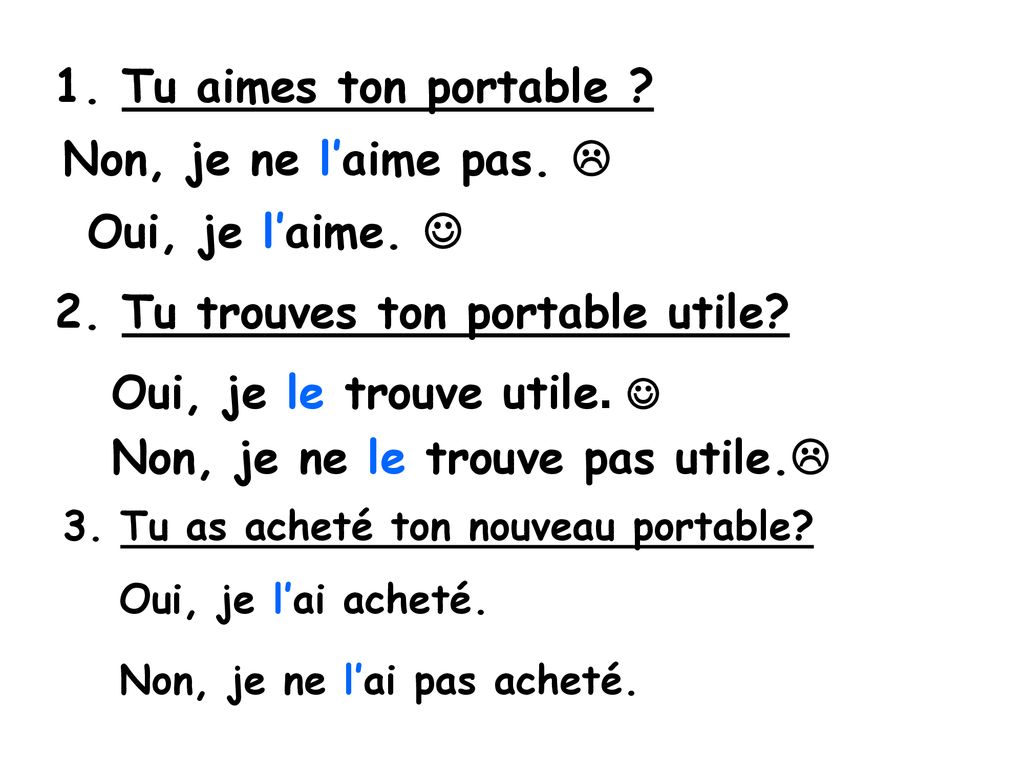
- Je ne l'ai pas trouvé(e): I haven't found it (singular). The "e" in parentheses indicates that it agrees with a feminine singular noun.
- Je ne le trouve pas: I don't find it (present tense). Useful if you're actively looking right now and still haven't found it.
- Je ne les trouve jamais: I never find them. This adds a touch of exasperation, perfect for when you’re constantly losing your keys. (Guilty!)
- Je n'ai pas trouvé: I didn't find (it/them). This is more general and doesn't specify what you were looking for.
Practical Applications: Beyond Lost Loyalty Cards
Okay, so you've mastered the grammar. But how can you actually use this phrase in real life? Here are a few scenarios:
- Lost keys: "J'ai cherché partout, mais je ne les ai pas trouvées." (I looked everywhere, but I haven't found them.) – Useful when explaining to your roommate why you're late.
- Missing documents at work: "J'ai vérifié dans tous les dossiers, je ne les ai pas trouvés." (I checked in all the files, I haven't found them.) – Helps you avoid blame during a crisis.
- Searching for your phone: "Je ne le trouve nulle part!" (I can't find it anywhere!) – Add a little drama for emphasis. Everyone understands the pain of a missing phone.
- Trying to find your motivation to go to the gym: "Je ne la trouve pas aujourd'hui!" (I can't find it today!) – Let's be honest, we've all been there.
Remember, the key is to understand what "les" (or "le" or "la") refers to. Think about what you're looking for, and then choose the correct pronoun. Once you get that down, you'll be using this phrase like a pro.

Common Mistakes to Avoid
Alright, time for a little tough love. Here are some common mistakes that learners make when using this phrase:
- Forgetting the "ne...pas": Saying "Je les ai trouvées" completely changes the meaning! It means "I found them!" Oops.
- Using the wrong pronoun: As we discussed earlier, make sure "le," "la," or "les" agrees with the noun it replaces. Double-check those genders!
- Forgetting the agreement of the past participle: Don't forget to add that "e" or "s" to "trouvé" when necessary. It's those little details that make all the difference.
- Being too literal: Sometimes, direct translations don't work. Focus on the meaning you want to convey, rather than trying to translate word-for-word.
Why This Matters: Embracing French Nuance
Learning a language isn't just about memorizing vocabulary and grammar rules. It's about understanding the nuances of the culture and how people actually communicate. "Je ne les ai pas trouvées" is a perfect example of this. It's a simple phrase, but it carries a lot of weight.
It's polite, it's informative, and it can even be a little bit sassy. By mastering this phrase, you're not just improving your French; you're also gaining a deeper understanding of French communication styles.

Think of it this way: instead of just saying “I lost my keys”, you have the subtle art of implying you’ve made an effort, without explicitly stating it. It's efficient, elegant, and subtly deflects blame. Classic French!
So, next time you find yourself frantically searching for something, remember Sophie and her simple yet powerful phrase. Embrace the elegance of "Je ne les ai pas trouvées." You might just impress a few people along the way (and maybe even find your lost keys!). And who knows? Maybe I'll finally find those loyalty cards...eventually. Maybe.
Now, go forth and trouvez (find) some opportunities to use this phrase! Bon courage!