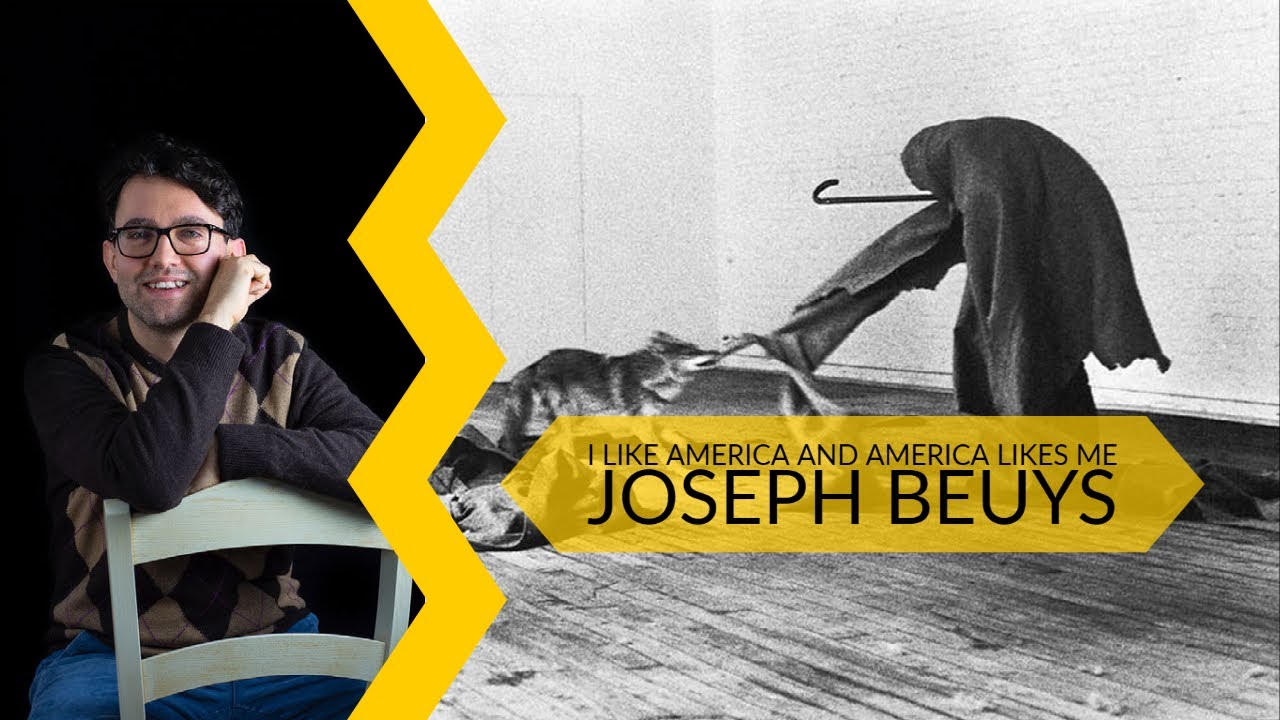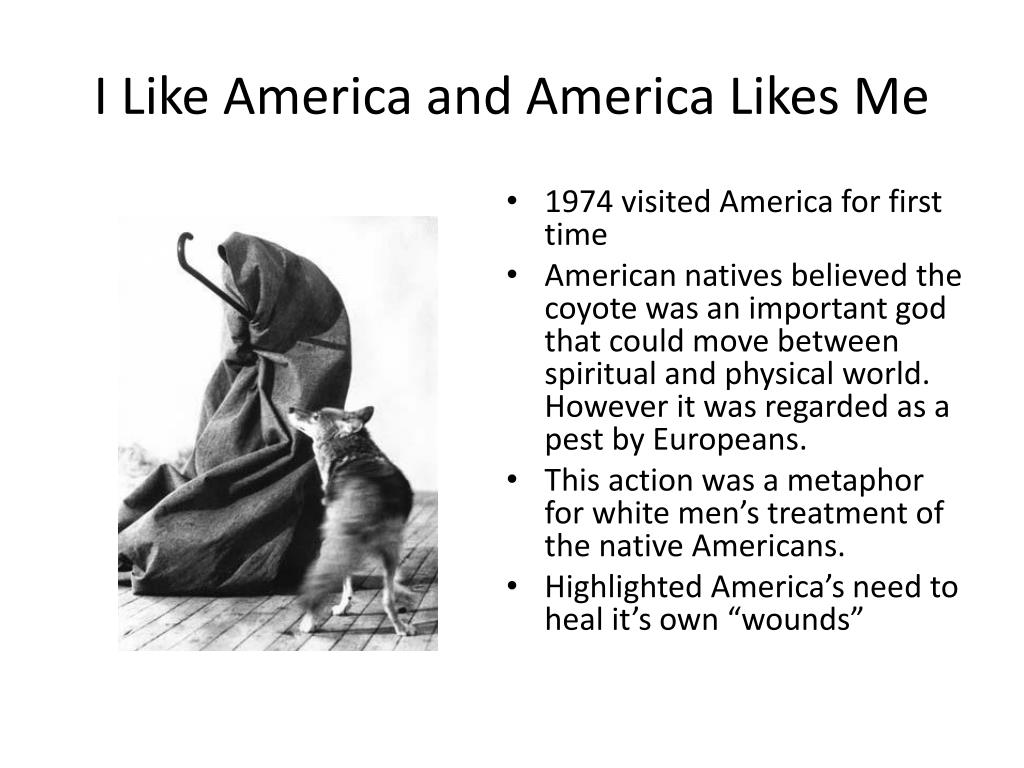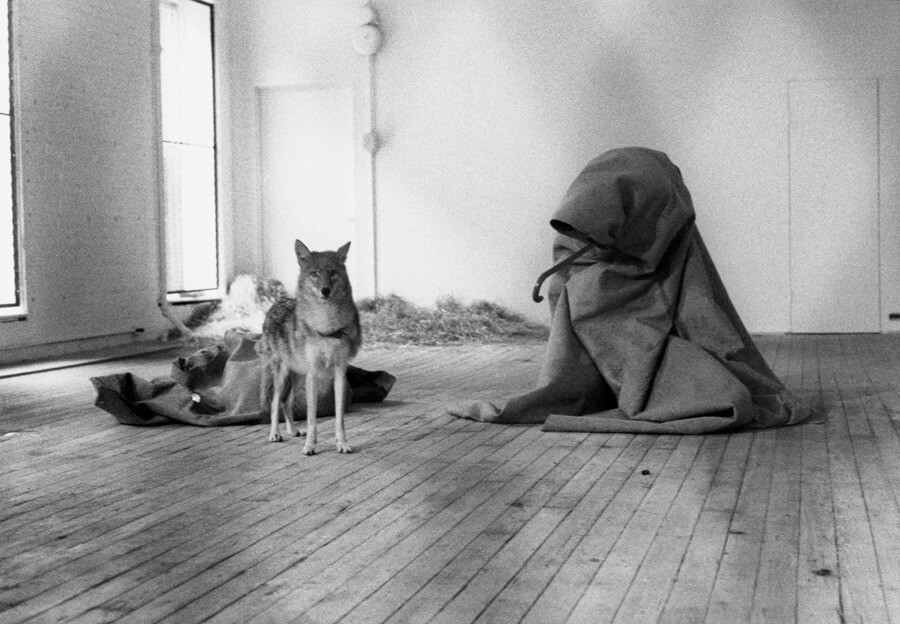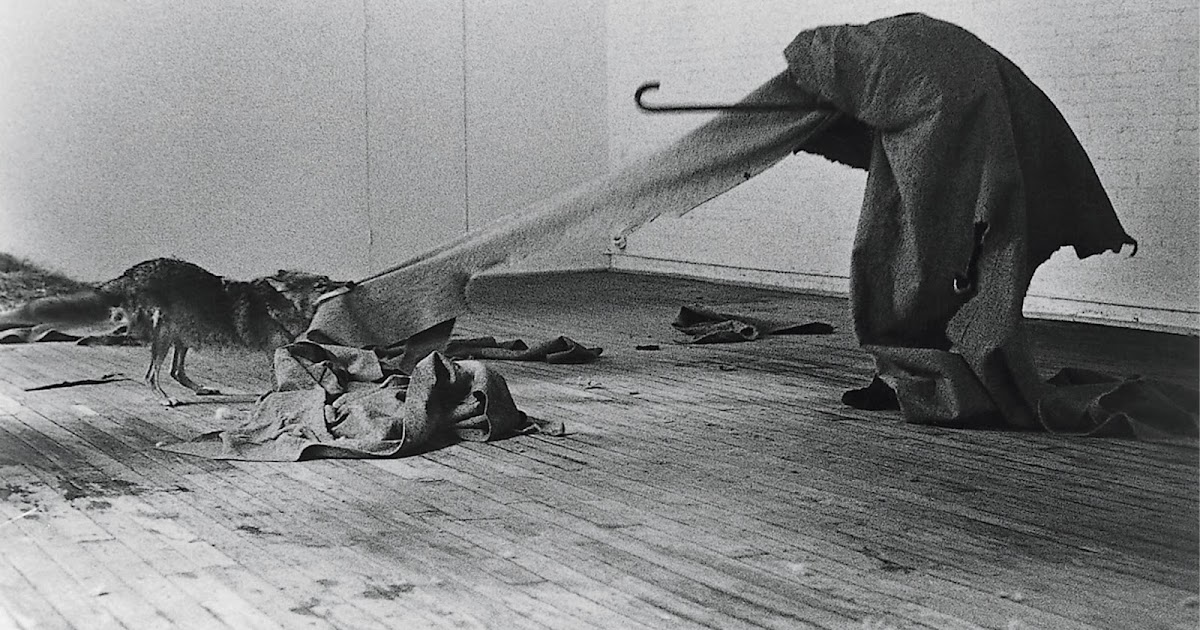
Ah, Joseph Beuys! You know, that name always brings a smile to my face. Ever heard of his I Like America And America Likes Me performance? It's a real trip, trust me. Let's settle in, grab a coffee, and I'll tell you all about it.
Imagine this: It's 1974. Beuys, a prominent German artist, arrives in New York. But get this, he refuses to actually touch American soil in the traditional sense! He's transported directly from the airport to the René Block Gallery in an ambulance.
Why an ambulance, you ask? Well, that's Beuys for you. Always a bit… unconventional. It added to the mystique, the sense of something truly different unfolding. A dramatic entrance? Absolutely! But there was a method to his madness, I promise.
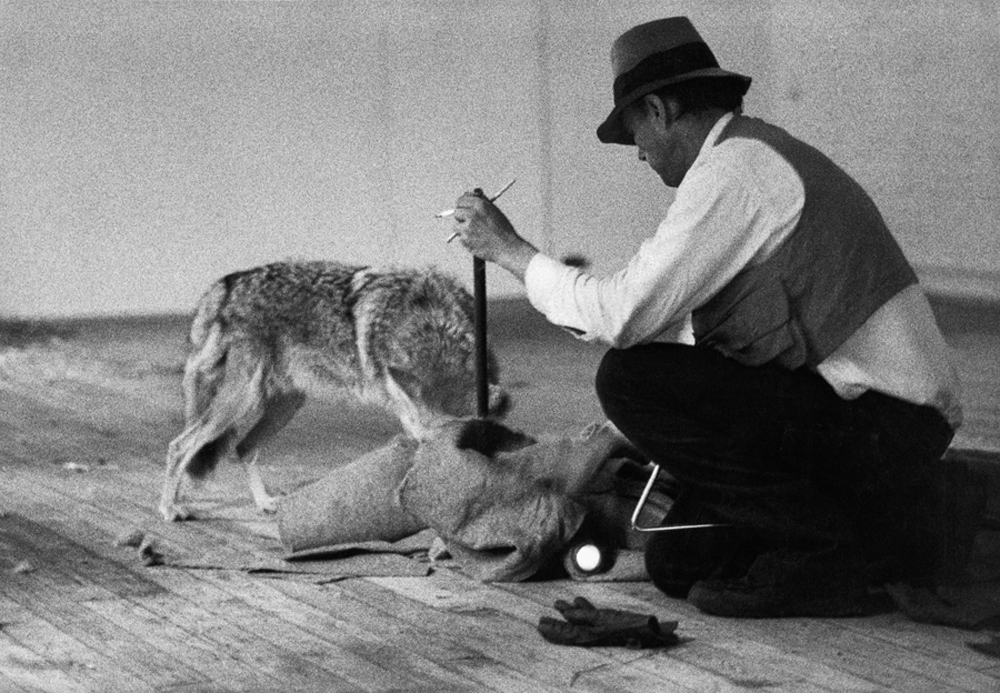
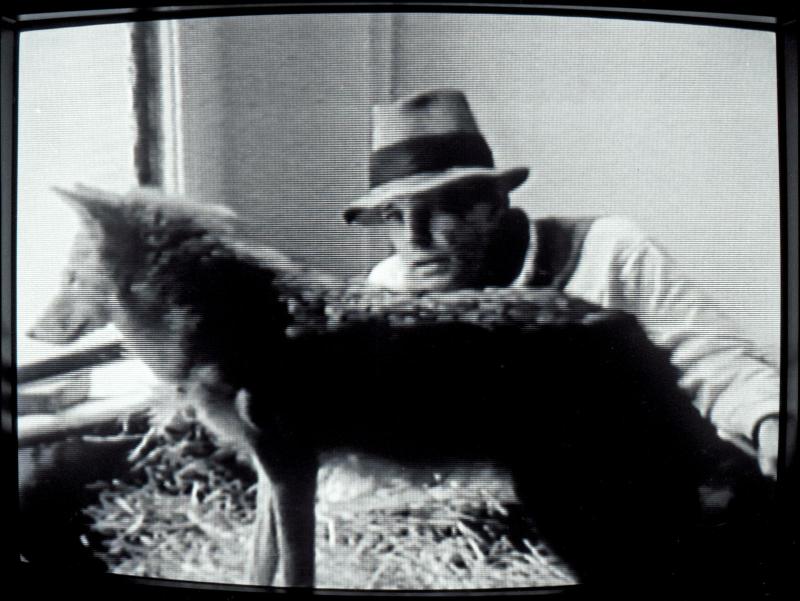
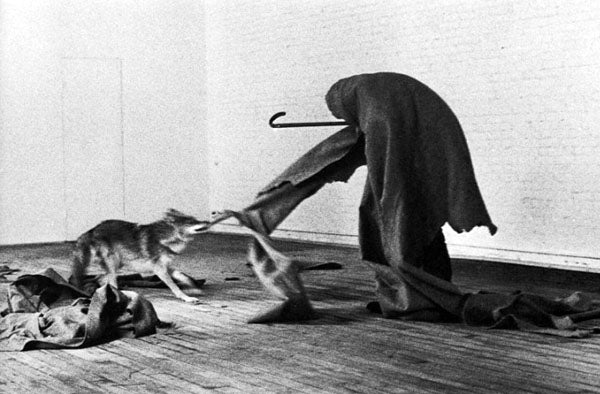
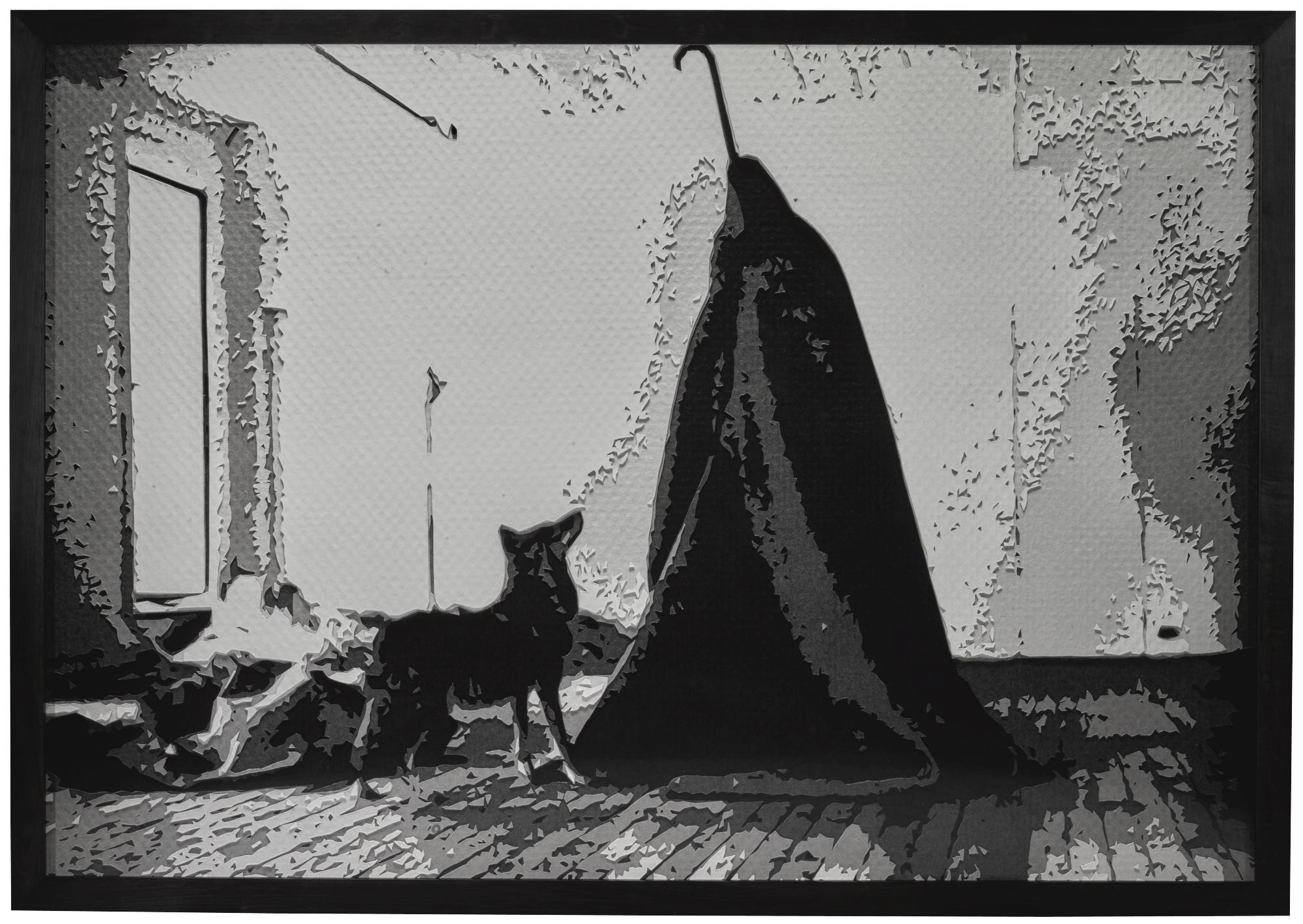
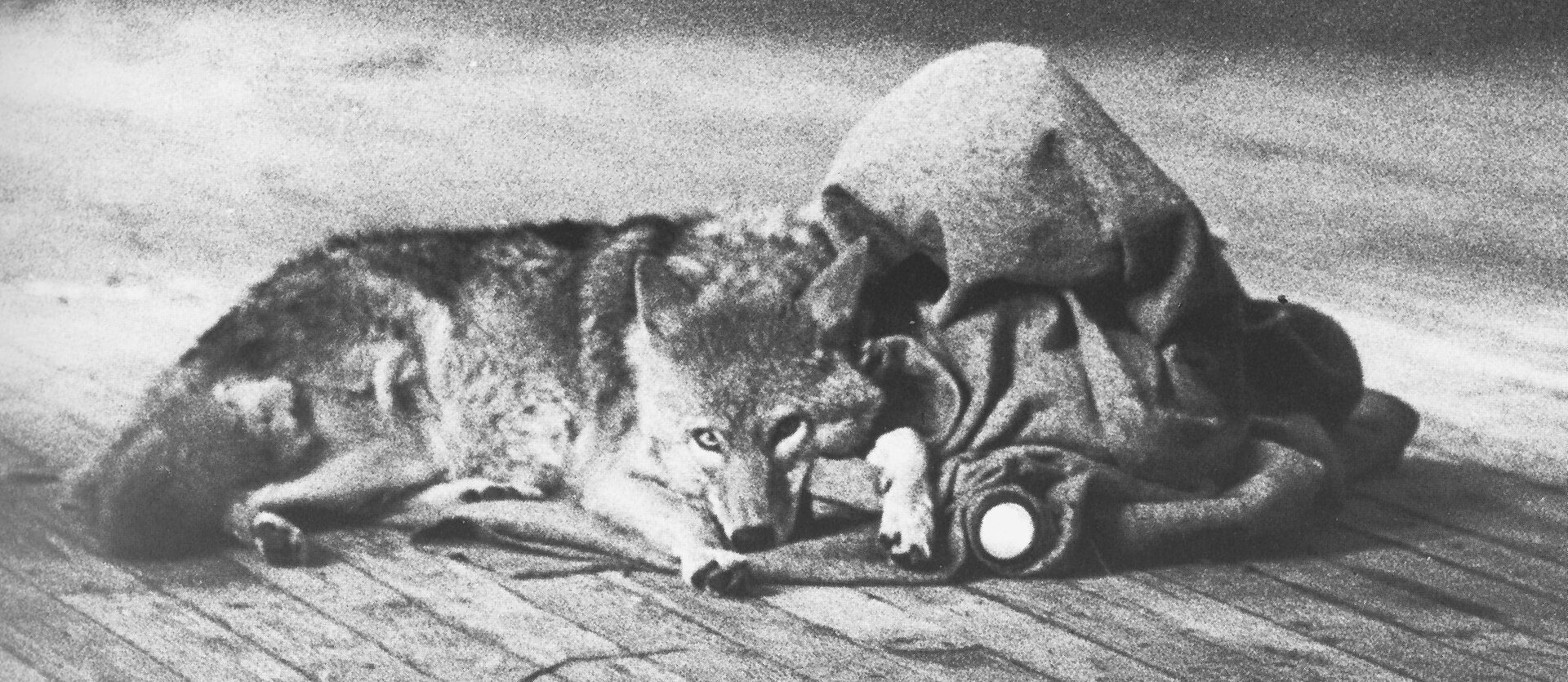
He spent three days in that gallery, sharing the space with a wild coyote. Yes, you read that right. A coyote. A symbol of the American West, a creature deeply ingrained in Native American mythology and folklore. Think about the raw power and the untamed nature that the coyote represents. Pretty wild, eh?
Now, you're probably wondering what exactly he did with this coyote. He didn't just sit there and stare at it, did he? Of course not! This was Joseph Beuys! There was interaction, communication, of a sort.
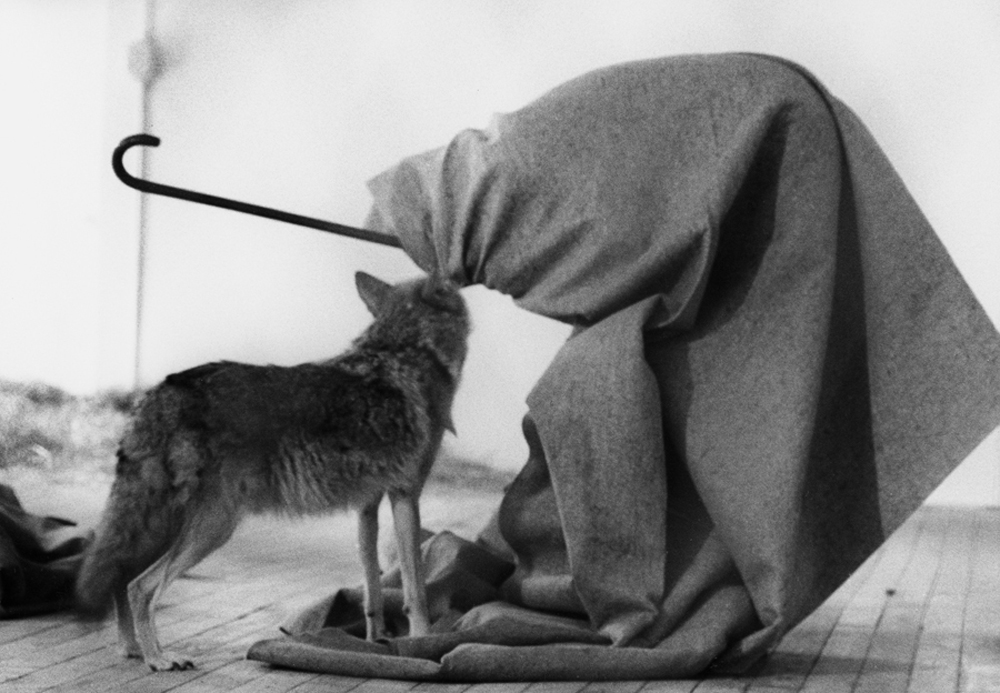
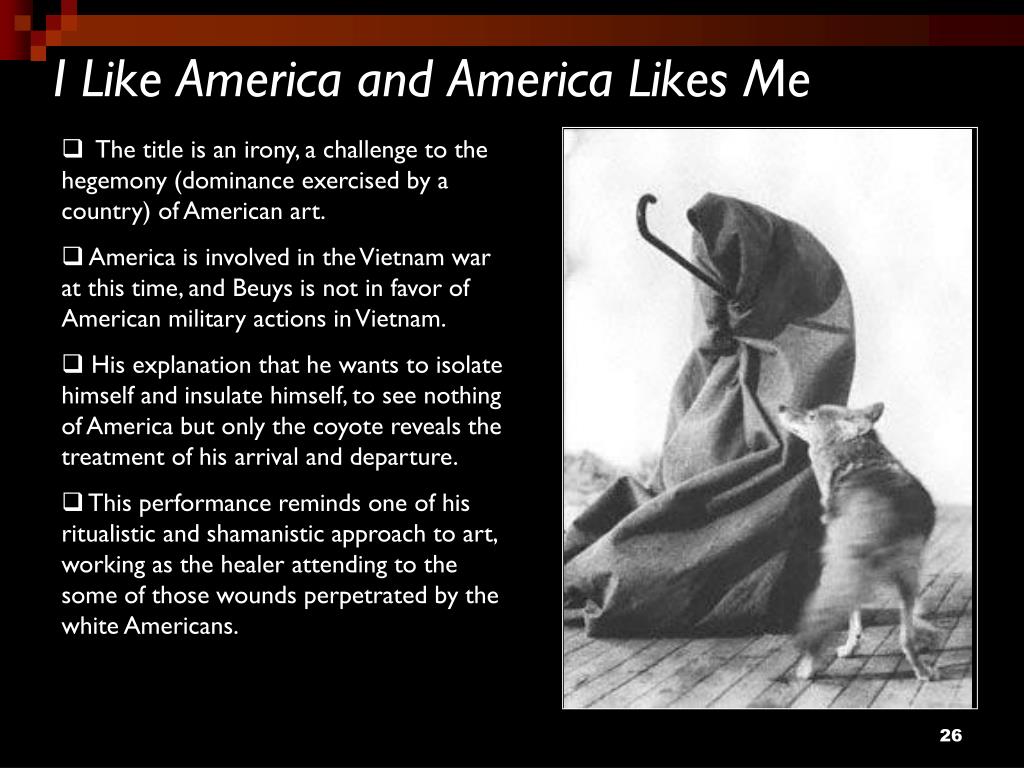
Beuys was wrapped in felt. Felt, for him, was an incredibly important material. He saw it as representing warmth, insulation, and protection. Think of it as a sort of shield, perhaps, or a way of connecting with something more primal.
He also carried a shepherd’s crook. And regularly the Wall Street Journal. Pretty bizarre juxtaposition, right? What’s the shepherd crook symbolizing against the Wall Street Journal? The old way versus the new one? The past against the present?
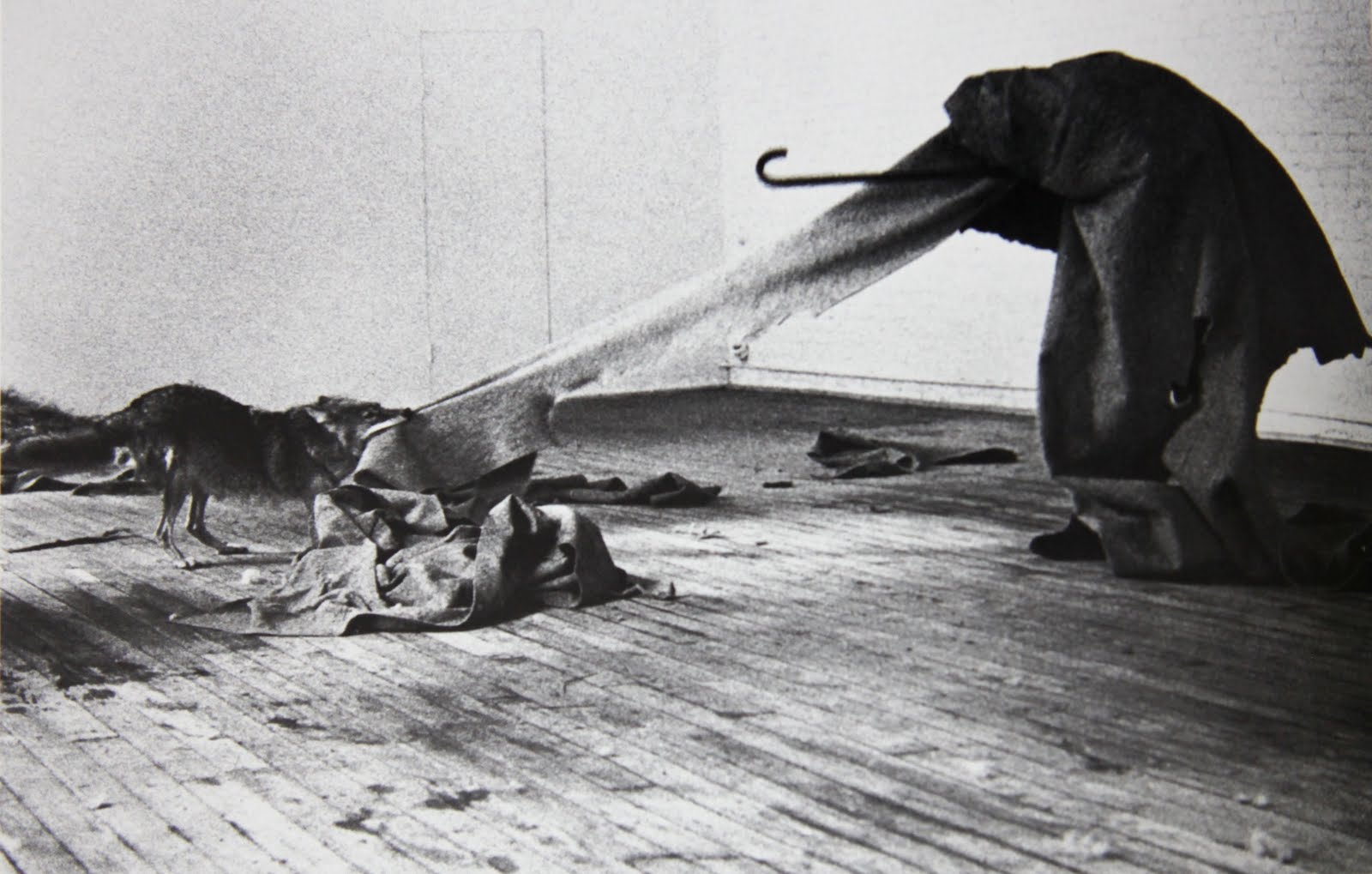
And then there was the straw on the floor. Simple, humble straw. Again, a connection to the earth, to nature, to a more basic way of life. So, what's he doing? He's engaging in a silent dialogue with this animal, using objects and gestures as his language. A language that transcends words. Isn't that fascinating?
The coyote, for its part, wasn't exactly thrilled at first. It was wary, cautious. But gradually, over the three days, a relationship developed. A strange sort of understanding. Beuys would toss the Wall Street Journal to the coyote, and the coyote would often tear it to shreds. Hmm, I wonder what that symbolizes?
Beuys himself saw the performance as an attempt to heal the wounds between Europe and America, particularly in the wake of World War II. He saw America as a wounded nation, struggling with its own identity and history, especially its treatment of Native Americans. The coyote, in this context, became a symbol of that woundedness.
He wanted to confront America's past and present, to engage in a dialogue about its future. And he did it in the most Beuysian way possible: with a wild animal, felt, and a copy of the Wall Street Journal.

So, what's the takeaway here?
Firstly, it's important to remember that Beuys was a complex and controversial figure. His work often provoked strong reactions, and it's not always easy to understand. But that's part of what makes it so compelling. He challenged us to think differently, to question our assumptions, and to see the world in new ways.
Secondly, the performance itself is open to interpretation. There's no single "correct" way to understand it. Each viewer brings their own experiences and perspectives to the table, and that's perfectly valid. Is this art or performance art? Or is it simply some guy locked up with a coyote?
Some saw it as a powerful statement about the relationship between humans and nature, others as a critique of American capitalism, and still others as a deeply personal exploration of trauma and healing. All of those interpretations are valid, and many more besides.

Consider this: the choice of the coyote itself is significant. It's an animal that is both feared and revered, often seen as a trickster figure or a symbol of the wild and untamed. It’s also a survivor, adapting to changing environments and circumstances. Did you know Coyotes feature prominently in native American folklore?
Was it dangerous?
Of course! Keeping an artist locked in a room with a wild animal is a potentially dangerous endeavor! But that danger, I believe, was part of the point. Art can be unpredictable and even risky. It should also engage with the world around us in ways that are sometimes uncomfortable.
The fact that Beuys was willing to put himself in that situation, to confront the unknown, speaks volumes about his commitment to his art and his message. The I Like America and America Likes Me performance shows Beuys’s commitment to create change.
Aftermath
At the end of the three days, Beuys was transported back to the airport in the same ambulance, again without ever setting foot on American soil outside of the gallery. The performance was over, but its impact lingered.

It sparked countless conversations, debates, and interpretations. It challenged the art world and the wider public to think about America, its history, and its relationship to the world in new and challenging ways.
Ultimately, I Like America and America Likes Me is a testament to the power of art to provoke, to challenge, and to heal. It's a reminder that art can be more than just decoration or entertainment. It can be a tool for social change, a catalyst for dialogue, and a pathway to understanding.
So, the next time you hear the name Joseph Beuys, or see a picture of a man wrapped in felt with a coyote, remember this story. Remember the ambulance, the Wall Street Journal, and the strange, silent dialogue between man and animal. It's a story worth remembering. It's a performance that stays with you.
And that, my friend, is the story of Joseph Beuys and the coyote. A truly unique work of art that, no matter how you interpret it, makes you think. Makes you feel. Now, how about another coffee?