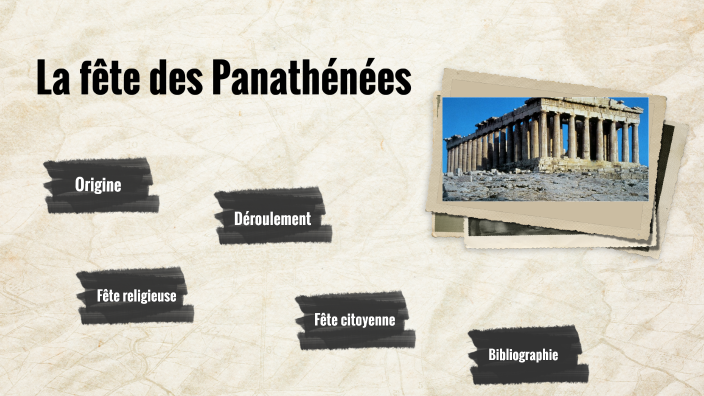
Bonjour, mes amis! Ever feel like ancient history is all dusty tomes and serious faces? Well, détrompez-vous (that's "think again" for those of you whose French is as rusty as my grandma's bicycle)! Today, we're diving headfirst into a festival so grand, so elaborate, so downright fabulous, it makes your average summer barbecue look like a toddler's tea party. I'm talking about La Fête des Panathénées! Or, as I like to call it, the "Athens Olympics…but with more olive oil and less Lycra." (Wink, wink.)
What Exactly Was This Panathenées Thing?
Imagine, if you will, Athens, Greece, a few centuries BC. The sun is blazing, the cicadas are buzzing, and everyone's generally feeling pretty good about themselves because, well, they invented democracy (sort of). Now, to show their appreciation to their patron goddess, Athena – the brainy, battle-ready babe who sprang fully formed from Zeus's head – they decided to throw a party. And not just any party. This was the Super Bowl of ancient festivals. A combination of religious observance, athletic competition, artistic display, and all-around Athenian awesomeness.
The Basics (Before We Get to the Really Fun Stuff)
Let’s break down the fundamentals, shall we? Think of it as "Panathenées 101" – no prior toga-wearing experience required!
- What: A religious festival in honor of Athena, the patron goddess of Athens.
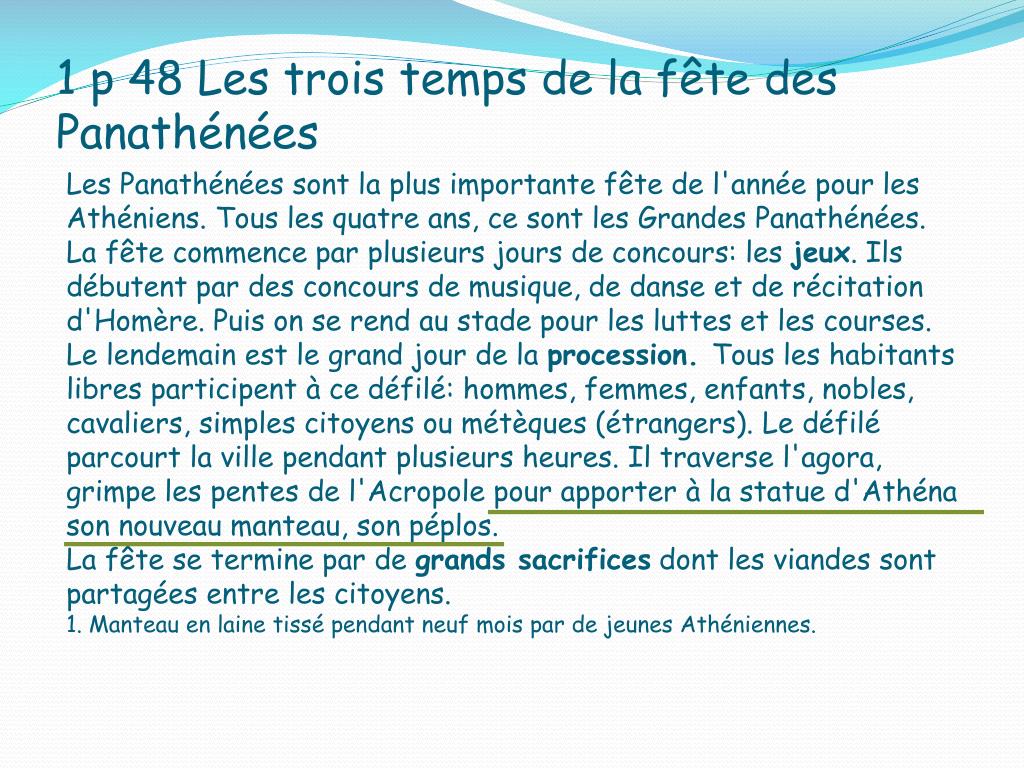
- When: Held annually, but the really big, extra-special "Great Panathenaea" (Grande Panathénées) happened every four years. Think of it as the Athenian quadrennial.
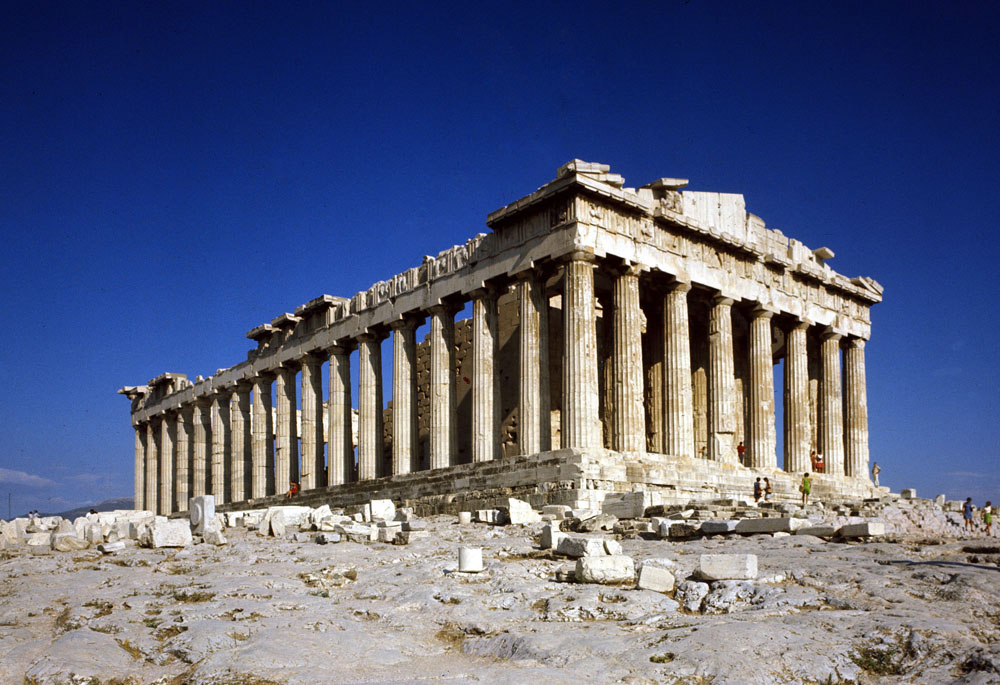
- Where: Athens, obviously! Centered around the Acropolis and the Panathenaic Stadium. Picture the scene – ancient ruins, but with much better catering (probably).
- Why: To honor Athena, showcase Athenian pride, and generally have a good time. The Athenians were nothing if not masters of the art of celebration.
The Grand Parade: A Toga Party on Steroids!
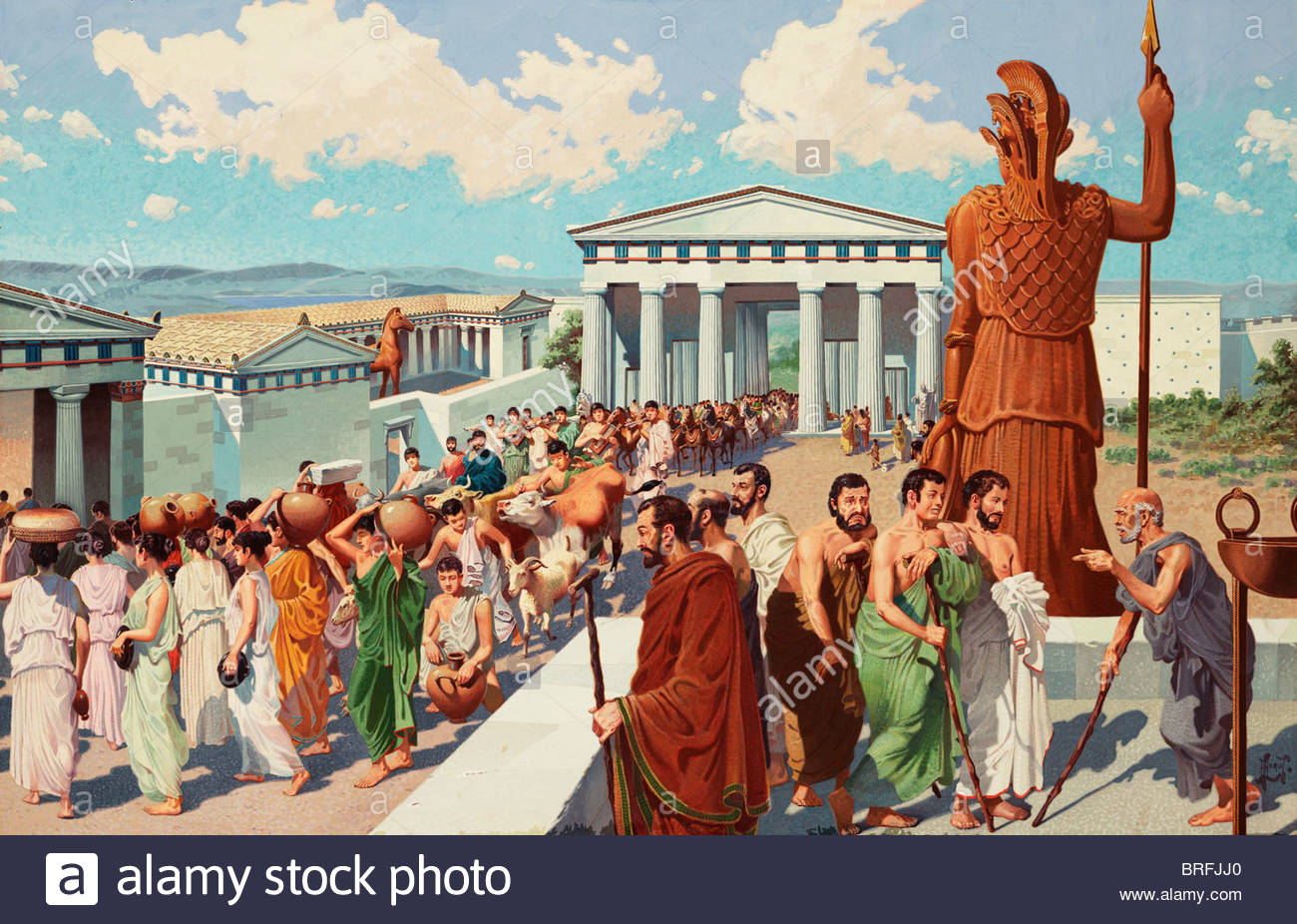
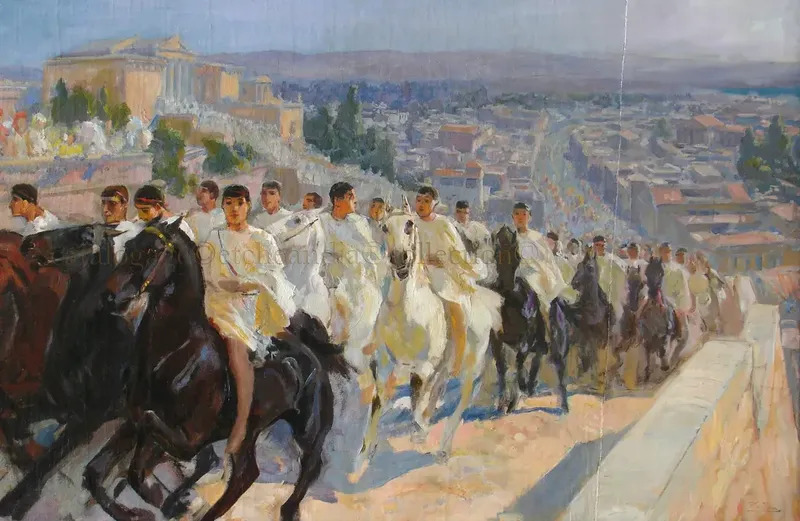
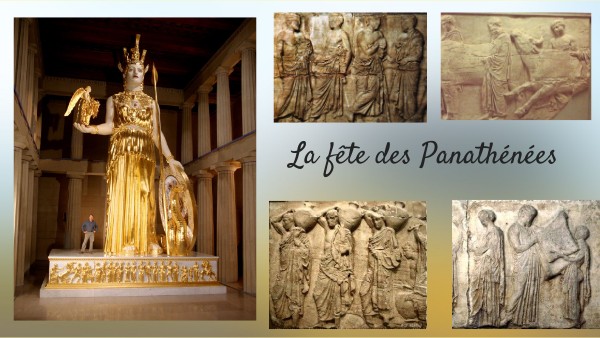
Okay, let's get to the good stuff. The highlight of the Great Panathenaea was undoubtedly the Panathenaic Procession. This was no ordinary stroll in the park. This was a full-blown, city-wide parade involving pretty much everyone who was anyone (and probably quite a few people who weren't). Think of it as the Macy's Thanksgiving Day Parade, but with more sandals and significantly fewer giant inflatable cartoon characters.
Who Was Invited (Or, Who Bribed Their Way In)?
So, who got to participate in this epic procession? Well, a whole cast of characters, really:
- Priests and Priestesses: Obviously. Gotta keep the religious aspect front and center. These were the VIPs, decked out in their finest robes, chanting and praying and generally looking very important.
- Athenian Citizens: The backbone of the festival! Men, women, and children all participated, dressed in their best togas. Think of it as the ultimate family outing... if your family was into religious rituals and massive crowds.
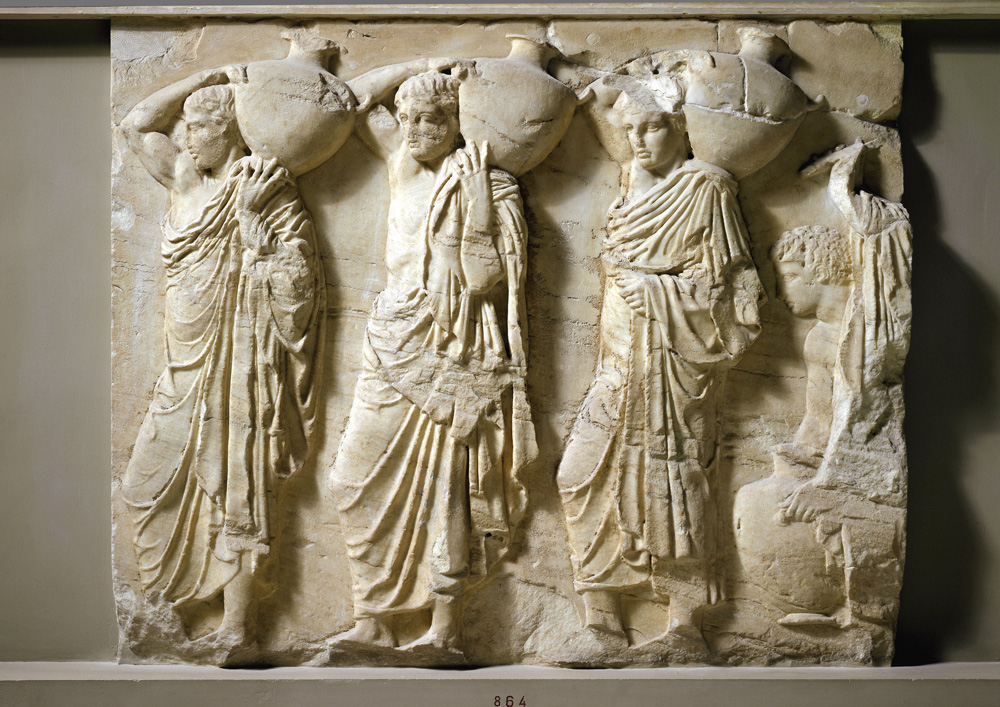
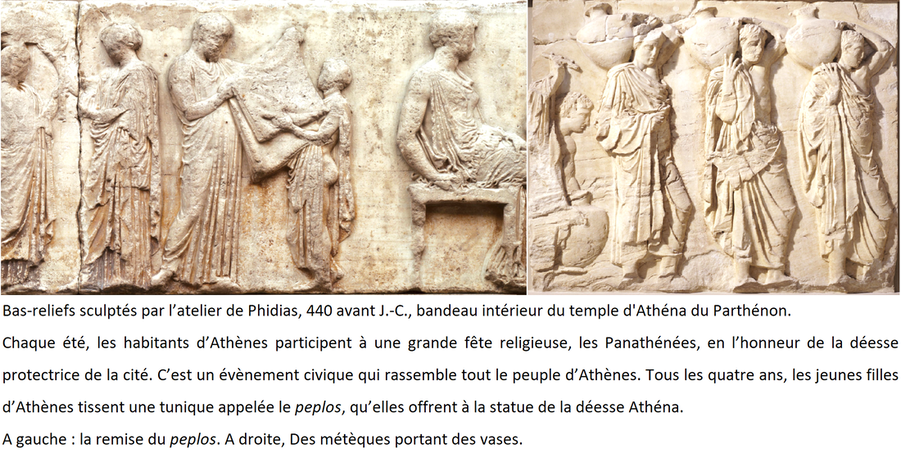
- Metics (Foreign Residents): Okay, so they weren't technically citizens, but they still got to join in the fun (to a certain extent). They carried offerings and generally tried not to step on anyone's toes. Basically, the polite guests at the party.
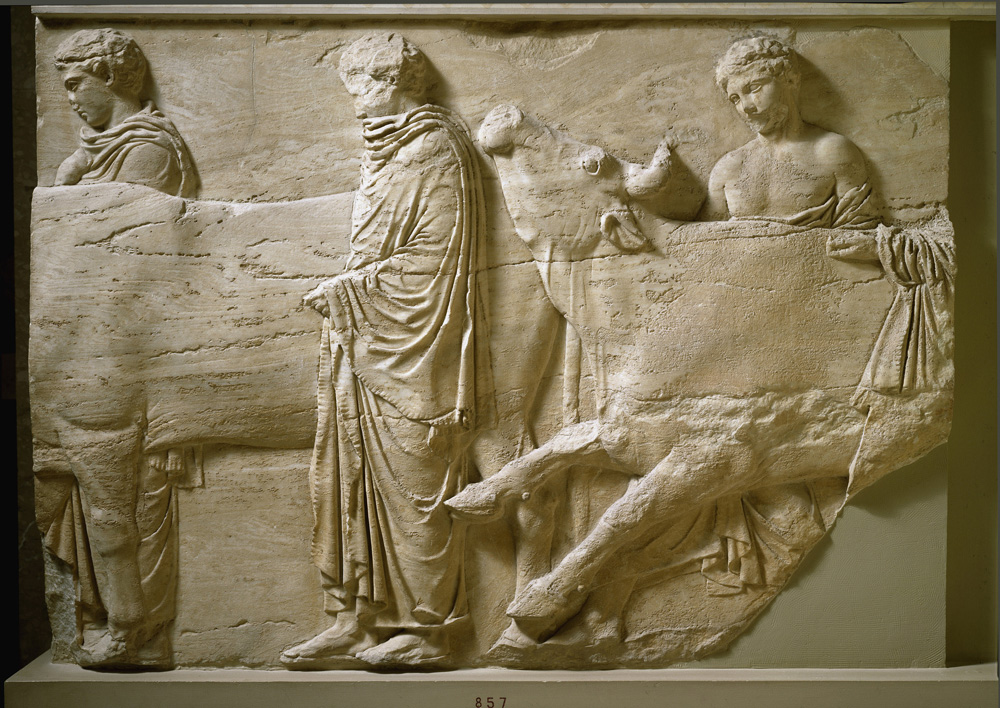
- Animals! Specifically, sacrificial animals. We're talking oxen, sheep, and other assorted livestock. Let's just say it wasn't a great day to be a cow in ancient Athens. But hey, at least they got to be part of the parade!
- The Piece de Resistance: The Pepelos!
The Pepelos: Athena's New Threads (and Why They Were a Big Deal)
Ah, the Pepelos. This wasn't just any old garment. This was a specially woven robe, painstakingly crafted by a group of Athenian women (the Ergastinai), and presented to Athena as the culmination of the festival. Think of it as the ultimate handmade gift. Except, you know, way more elaborate and religiously significant. The Pepelos was saffron-colored and embroidered with scenes depicting Athena's victories over the Giants – basically, ancient superhero comics woven into fabric. Take that, Marvel!
Why All the Fuss About a Robe?
You might be thinking, "Okay, a robe. So what?" But the Pepelos was more than just a piece of clothing. It was a symbol of Athenian devotion to Athena, a demonstration of their wealth and artistic skill, and a way to reinforce their identity as a community. Plus, it was a really, really nice robe. I mean, who wouldn't want a custom-made, embroidered garment depicting their favorite goddess kicking butt? I know I would!
The Athletic Games: Athenian Gladiators (But with More Discus)
No Athenian festival would be complete without some good old-fashioned athletic competition. The Panathenaea Games were a big deal, attracting athletes from all over the Greek world. These weren’t quite the Olympics we know today, but they were certainly a precursor. Think of it as the Olympics' cooler, slightly less organized older sibling.
What Were the Events?
The Panathenaic Games featured a variety of events, designed to test the athletes' strength, speed, and skill. Here's a taste of what they got up to:
- Running Races: From short sprints to grueling endurance runs, these races tested the athletes' speed and stamina. Picture this: sweaty men in minimal clothing, sprinting around a track while thousands of spectators cheer them on. Good times!
- Wrestling: A classic Greek sport. Two athletes grapple and try to throw each other to the ground. Very physical, very intense, and probably very smelly.
- Boxing: Even more physical and intense than wrestling! Ancient boxing was a brutal affair, with leather straps wrapped around the fighters' hands. Not for the faint of heart.
- Pankration: The ancient equivalent of mixed martial arts. A no-holds-barred combat sport that combined boxing and wrestling. Basically, a sanctioned street fight.
- Chariot Racing: A thrilling spectacle that involved teams of horses pulling chariots around a track. Dangerous, exciting, and often resulted in spectacular crashes. Think "Ben-Hur," but with less Charlton Heston and more togas.
- Discus Throw: Throwing a heavy disc as far as possible. Requires strength, technique, and a good throwing arm. Not recommended for people with weak wrists.
- Javelin Throw: Throwing a spear as far as possible. Similar to the discus throw, but with pointy bits.
The Prizes: More Than Just Bragging Rights
So, what did the athletes win for their efforts? Bragging rights, of course! But also, something much more tangible: Panathenaic amphorae. These were large, beautifully decorated ceramic jars filled with olive oil. And not just any olive oil! This was olive oil made from the sacred olive trees of Attica, which were believed to have been a gift from Athena herself. Basically, the ancient Greek equivalent of winning a lifetime supply of gourmet chocolate.
Musical and Rhapsodic Contests: When Athletes Need a Break
Okay, so the Athenians weren't just about physical prowess. They also appreciated the arts. The Panathenaea included musical and rhapsodic contests, showcasing the talents of singers, musicians, and storytellers. Think of it as the ancient Greek version of "American Idol," but with more lyres and less autotune.
What Did They Sing and Recite?
These contests featured a variety of performances, including:

- Singing Competitions: Singers would perform hymns to Athena, as well as other popular songs and ballads. Think of it as the ancient Greek equivalent of karaoke, but with more religious significance.
- Lyre Playing: Musicians would showcase their skills on the lyre, a stringed instrument similar to a harp. Imagine a soothing melody drifting through the Athenian air… until the chariot races started up again.
- Rhapsodic Performances: Rhapsodes were professional storytellers who would recite epic poems, such as the "Iliad" and the "Odyssey." Think of it as the ancient Greek version of audiobooks, but with more dramatic flair.
The Sacrifices: It Wouldn't Be a Festival Without a Little...Sacrifice
Let's not forget the religious aspect of the Panathenaea. A key part of the festival involved sacrifices to Athena. This wasn't just a token offering; we're talking about a serious amount of livestock being sacrificed on the altar of Athena. Think of it as the ancient Greek equivalent of a massive barbecue, but with more religious significance and significantly less vegetarian options.
Why Sacrifice Animals?
The ancient Greeks believed that sacrificing animals was a way to honor the gods, to give them something valuable, and to ensure their continued favor. It was also a way to commune with the gods through the shared consumption of the sacrificed animal (after the gods had their share, of course). The meat was then distributed to the participants, providing a much-needed protein boost after all that parading, athletic competition, and musical performance.
The Lesser Panathenaea: A Warm-Up Act for the Big Show
We've been focusing on the Great Panathenaea, which was the big, quadrennial event. But there was also the Lesser Panathenaea, an annual celebration that was essentially a smaller, more low-key version of the Great Panathenaea. Think of it as the regular-season game, while the Great Panathenaea was the Super Bowl.
What Was the Difference?
The Lesser Panathenaea featured many of the same elements as the Great Panathenaea, including athletic competitions, musical performances, and religious processions. However, it was generally less elaborate and less expensive. It was also open to a wider range of participants, including Athenian citizens of all social classes. Basically, it was the Panathenaea for the masses.

Beyond the Games: Other Panathenaic Activities
The Panathenaea wasn't just about athletic competitions, musical performances, and religious rituals. There were also other activities that took place during the festival, adding to the overall atmosphere of celebration and community.
Torch Races: Pass the Flame (and Try Not to Drop It!)
One popular event was the torch race. This involved teams of runners carrying torches from one point to another. The first team to arrive with a lit torch was declared the winner. Think of it as the ancient Greek version of a relay race, but with fire. Definitely not something you'd want to try at home.
Boat Races: A Nautical Challenge
Another activity was the boat race. This involved teams of sailors racing their ships around a designated course. A test of nautical skill and teamwork. Let's hope nobody got seasick!
Feasting: Because All That Celebrating Makes You Hungry
Of course, no festival would be complete without plenty of food and drink. The Panathenaea was a time for feasting and celebration, with large banquets held throughout the city. Think of it as the ancient Greek version of a potluck, but with more grilled meat and less potato salad. The meat from the sacrificed animals was used to feed the crowd so no one would go home hungry from worshipping Athena!
The Decline of the Panathenaea: All Good Things Must End
Like all great things, the Panathenaea eventually declined. With the Roman conquest of Greece, the festival lost much of its significance. Although it continued to be celebrated for several centuries, it was never quite the same. Think of it as a once-great rock band that's past its prime, still touring but no longer selling out stadiums.
Why Did It Decline?
There were several factors that contributed to the decline of the Panathenaea:
- Roman Rule: The Romans, while generally tolerant of Greek culture, didn't necessarily share the same enthusiasm for Athenian festivals. They had their own gods and their own celebrations.
- Economic Decline: As Athens's economic power waned, it became more difficult to fund the lavish celebrations associated with the Panathenaea. Let’s be honest, epic parades and massive sacrifices don’t come cheap!
- Changing Religious Beliefs: With the rise of Christianity, many people began to question the traditional Greek religion and its rituals. Why sacrifice an ox when you can just pray?
The Legacy of the Panathenaea: Ancient Echoes
Although the Panathenaea is no longer celebrated in its original form, its legacy lives on. The festival provides valuable insights into ancient Athenian culture, religion, and society. It also served as an inspiration for later festivals and celebrations, including the modern Olympic Games. Think of it as the ancient Greek version of a cultural touchstone, a reminder of a time when Athens was at the height of its power and glory.
What Can We Learn From the Panathenaea?
The Panathenaea teaches us several things:
- The Importance of Community: The festival brought together people from all walks of life, reinforcing their sense of belonging and shared identity.
- The Power of Ritual: The rituals associated with the Panathenaea served to strengthen religious beliefs and values.
- The Value of Art and Athletics: The festival showcased the talents of artists and athletes, promoting excellence and inspiring creativity.
And Now, For a Bit of Modern Speculation…
Alright, let’s get a little silly! Imagine if we brought the Panathenaea back today. What would it look like? I have some… ideas.
The 21st-Century Panathenaea: My Wishlist
- The Pepelos 2.0: Forget embroidery. We’re talking a digitally printed, LED-lit robe with customizable designs! Maybe even a built-in sound system for blasting epic theme music.
- Chariot Racing… with a Twist: Instead of horses, we’d use souped-up golf carts. Imagine the carnage! (Safety regulations strictly enforced, of course… mostly.)
- Olive Oil Wrestling: Take the traditional wrestling, add copious amounts of olive oil. Slippery, messy, and hilarious. Pay-per-view potential guaranteed!
- A Reality TV Show: Follow the Ergastinai as they struggle to create the Pepelos under intense pressure. Drama! Tears! Sewing machine malfunctions! Ratings gold!
- The Sacrifices: Okay, maybe we’d skip the animal sacrifices. Perhaps a symbolic offering of sustainably sourced, organic vegetables? Or maybe just a really, really good veggie burger.
En Conclusion: A Parting Thought (and a Final Chuckle)
So, there you have it! La Fête des Panathénées: A festival of gods, games, and gloriously greasy olive oil. A time when the ancient Athenians threw a party so epic, it echoed through the ages. A reminder that even thousands of years ago, people knew how to have a good time. Now, if you’ll excuse me, I’m off to find my toga and practice my discus throw. Just kidding! (Mostly.) But seriously, next time you’re feeling down, just remember the Panathenaea. And if that doesn’t cheer you up, well, at least you learned a new French phrase: Détrompez-vous! Just promise me, if you ever do end up at a modern-day Panathenaea, you'll save me a seat at the olive oil wrestling! After all, who needs therapy when you have ancient Greek festivals?