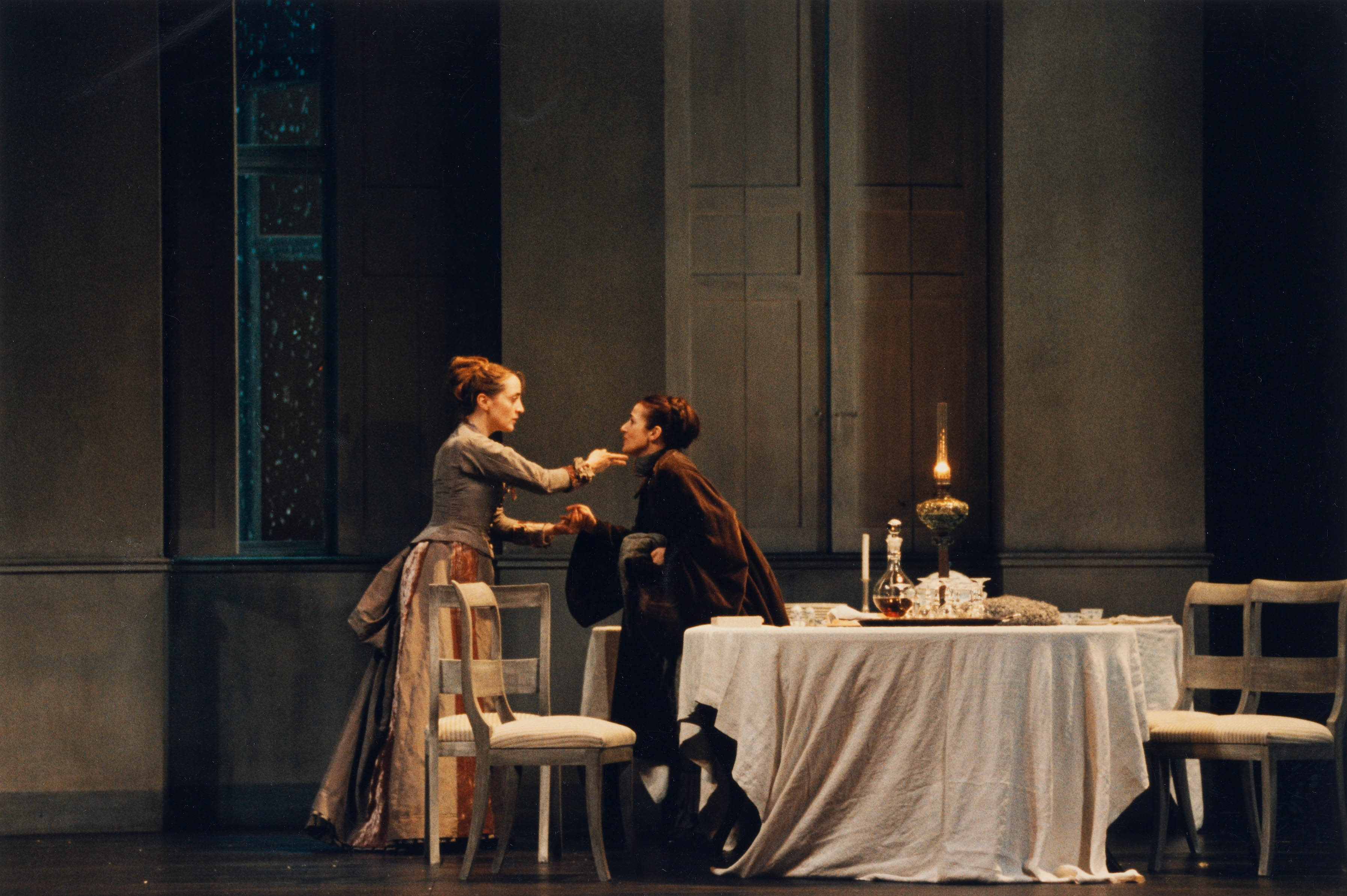
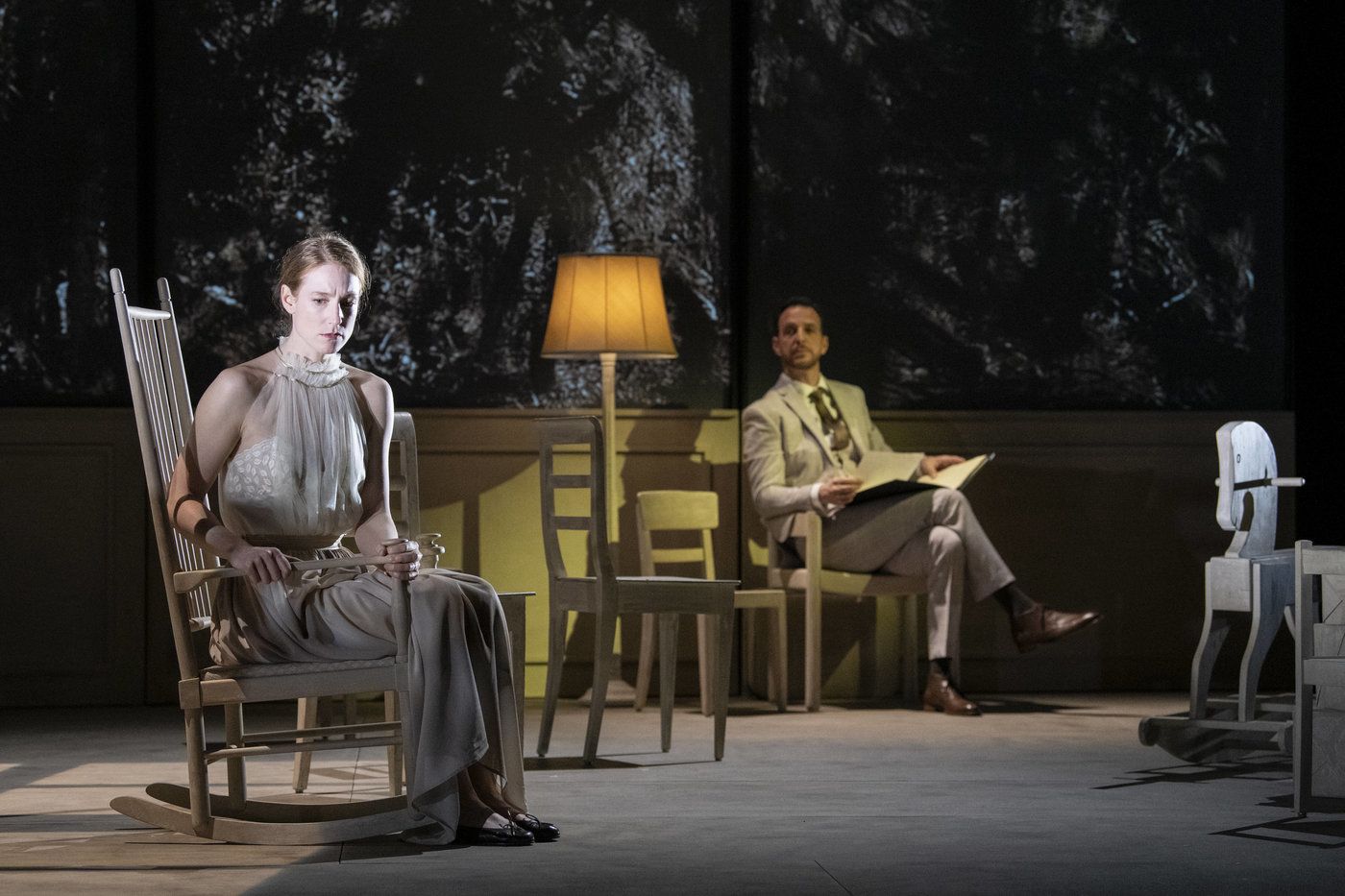
Ah, La Maison de Poupée! Even the name sounds chic, doesn't it? But behind the frills and faux domesticity lies a play that shook the foundations of 19th-century society. Forget Bridgerton; this is period drama with a serious sting. Ready to unravel the mysteries of Nora Helmer and her dollhouse existence? Allez, on y va!
Nora's World: More Than Just Lace and Tea Parties
Henrik Ibsen’s masterpiece, first performed in 1879, isn't just a quaint little drama about marital woes. It's a full-blown exploration of societal expectations, gender roles, and the quest for individual identity. Think of it as a proto-feminist manifesto disguised as a drawing-room drama. Ibsen cleverly uses the setting – a seemingly perfect, bourgeois household – to highlight the suffocating constraints placed upon women of the era.
The Plot in a Nutshell (Sans Noix, of Course!)
Nora, a seemingly happy housewife, is married to Torvald, a rising star at the bank. He treats her like a child, calling her pet names like “little squirrel” and “skylark.” But beneath the surface, Nora hides a secret: years ago, she forged her father's signature to obtain a loan to save Torvald's life. As Krogstad, the man who lent her the money, threatens to expose her, Nora's carefully constructed world begins to crumble. The play culminates in a dramatic finale where Nora finally realizes she's been living a lie and chooses to leave her husband and children to discover herself.
Why La Maison de Poupée Still Resonates Today
Even though the play is set in the 19th century, its themes are incredibly relevant in the 21st. We're still grappling with questions of gender equality, societal pressure, and the search for authenticity. Here’s why Nora’s story continues to spark conversations:
- The Illusion of Perfection: We live in an age of Instagram filters and carefully curated online personas. La Maison de Poupée reminds us to look beyond the facade and question what's really going on beneath the surface. Are we truly happy, or are we just playing a role?
- The Burden of Expectations: Whether it's pressure to succeed in your career, conform to beauty standards, or fulfill certain family expectations, we all face pressures that can feel suffocating. Nora's struggle to break free from these expectations is something many of us can relate to.
- Finding Your Voice: Nora's journey is about more than just leaving her husband; it's about finding her own voice and asserting her independence. It's a powerful reminder that it's never too late to reinvent yourself and pursue your own dreams.
Nora's Style: From Pretty Frocks to Powerful Statements
Let's talk fashion, shall we? Nora’s clothing is a reflection of her evolving mindset. At the beginning of the play, she's all about pretty dresses and delicate accessories – the perfect doll-like wife. But as the play progresses, her style becomes more assertive, culminating in her decision to leave in a simple, practical dress. Think of it as the ultimate sartorial rebellion!
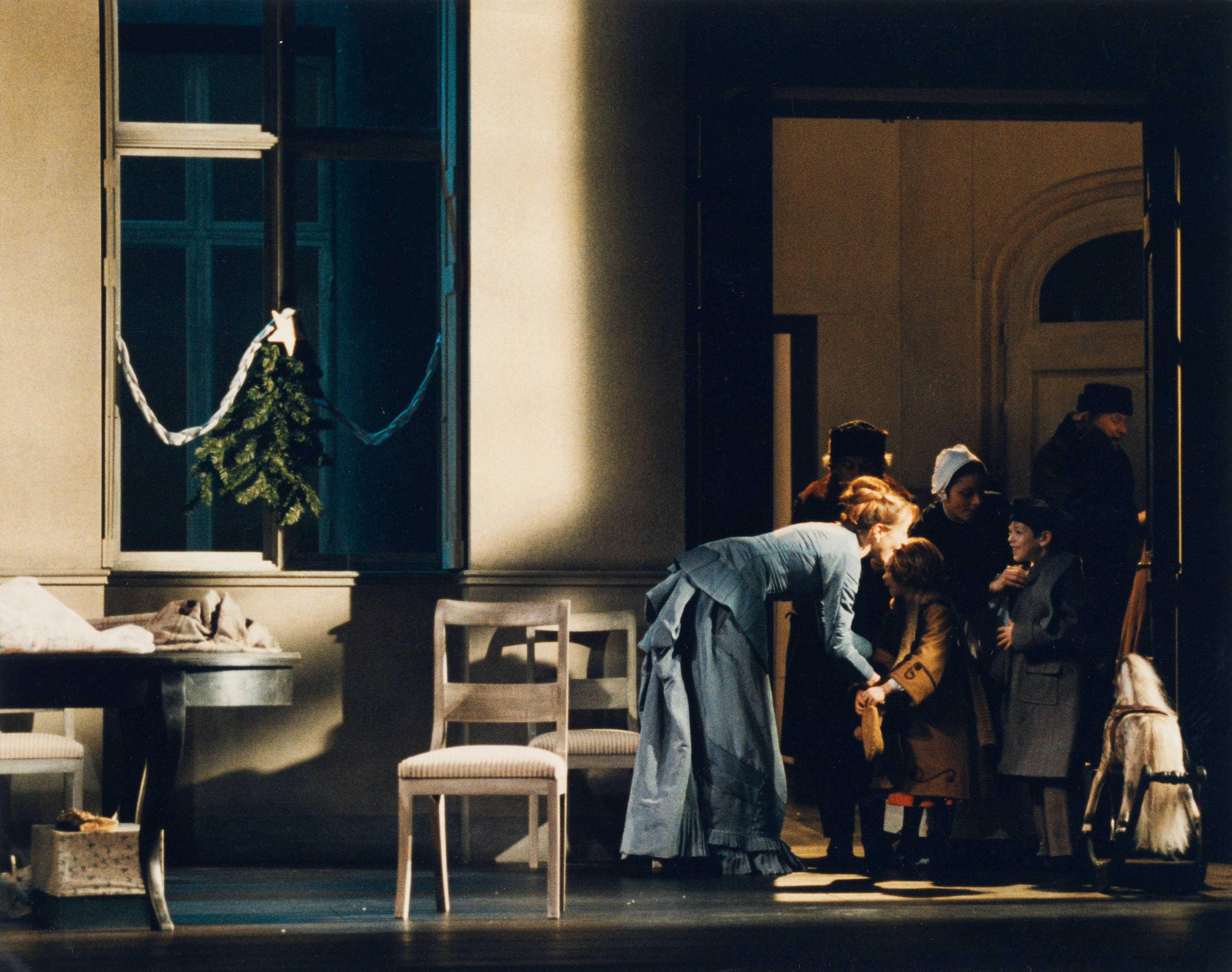
Tip Mode: Channel your inner Nora by embracing clothing that makes you feel confident and empowered, regardless of what others think. Forget trends; focus on timeless pieces that reflect your personality.
Fun Fact: The Shocking Ending
When La Maison de Poupée was first performed, the ending was considered so scandalous that some theaters refused to stage it. In Germany, Ibsen was even pressured to write an alternative ending where Nora stays with her husband and children. He reluctantly did so, calling it a "barbaric outrage." Imagine! The power of art to ignite controversy!

La Maison de Poupée and Modern Life: A Few Takeaways
So, what can we learn from Nora's experience that's applicable to our lives today? Here are a few points to ponder:
- Be Authentic: Don't try to be someone you're not to please others. Embrace your individuality and live your truth.
- Challenge Expectations: Question the roles and expectations that society places upon you. Are they serving you, or are they holding you back?
- Prioritize Self-Care: Nora's neglect of her own needs ultimately led to her breakdown. Remember to prioritize your mental and emotional well-being. Take time for yourself, pursue your passions, and surround yourself with supportive people.
- Communicate Openly: Miscommunication and unspoken resentments are at the heart of Nora and Torvald's problems. Honest and open communication is essential for healthy relationships.
Where to Get Your Ibsen Fix
Feeling inspired? Here are a few ways to delve deeper into the world of La Maison de Poupée:
- Read the play: You can find it online or at your local bookstore. There are many translations available, so choose one that resonates with you.
- Watch a performance: Keep an eye out for local theater productions or streaming versions. Seeing the play brought to life can be a powerful experience.
- Read scholarly articles and criticism: There's a wealth of academic writing on La Maison de Poupée that can provide deeper insights into the play's themes and significance.
- Discuss it with friends: Start a book club or simply chat with friends about your thoughts and feelings about the play. Sharing your perspectives can be incredibly enriching.
Reflecting on the Dollhouse: Beyond the Stage
La Maison de Poupée is more than just a play; it's a mirror reflecting our own societal structures and personal journeys. It reminds us that true fulfillment comes from living authentically and challenging the confines of our own "dollhouses," whether they're imposed by society, family, or even ourselves. Are you living in your own version of a dollhouse? What steps can you take today to break free and create a life that truly reflects who you are? As Nora discovered, the journey may be challenging, but the reward – a life of purpose and authenticity – is well worth it. So, go forth, mes amis, and dismantle those dollhouses!