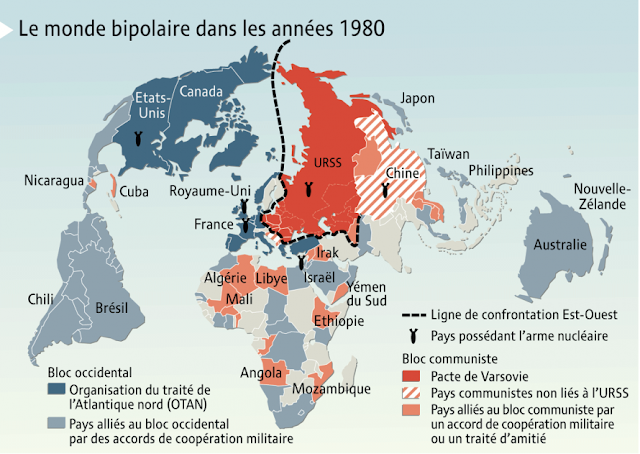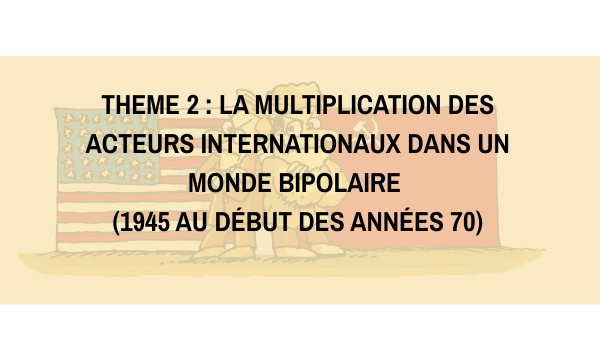
Remember that history class where everything seemed so… tidy? Like, USA versus USSR, good guys versus bad guys, Coke versus Pepsi (okay, maybe not that last one, but you get the picture). My teacher made it sound like the world stage was a boxing ring with only two contenders. I even drew a little comic strip about it once! How naive I was…
But then you start digging a little deeper, right? And you realize things were WAY more complicated. It wasn't just about those two superpowers flexing their muscles. There were other players – smaller countries, liberation movements, even shadowy groups – all vying for influence and carving out their own little niches in this so-called bipolar world. It’s like thinking your neighborhood rivalry is the only thing happening in the whole city! Which, let’s be honest, is kind of egocentric, right?
La Multiplication, Mais Pourquoi?
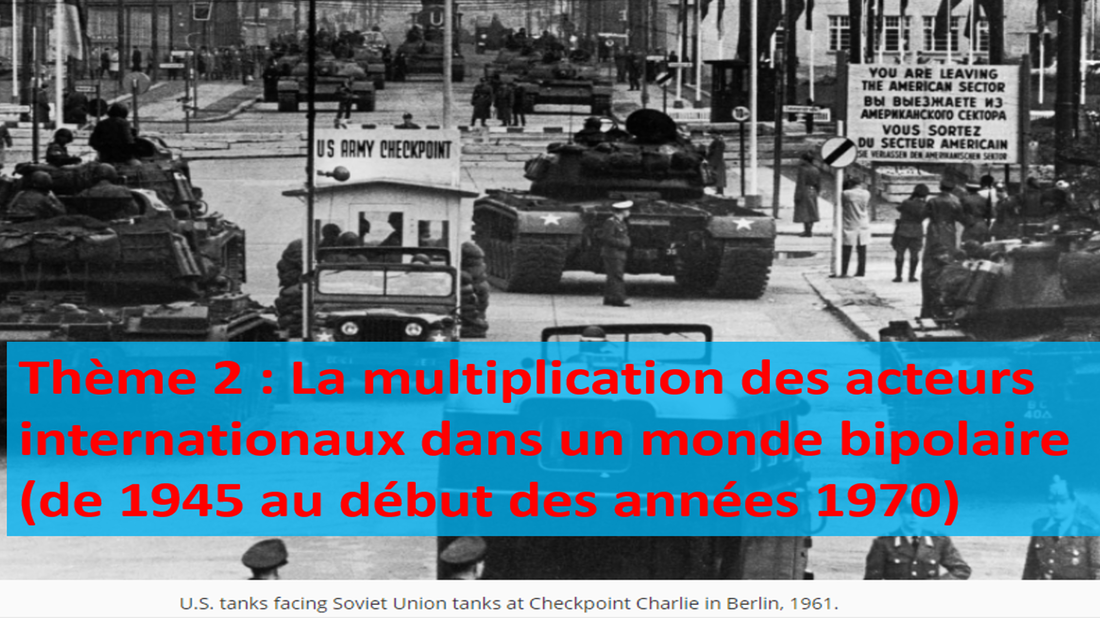
So, let's talk about this "multiplication of international actors." What exactly does it mean, and why did it happen even during the seemingly rigid Cold War era? Basically, it's about the emergence of players beyond the two superpowers (US and USSR) who began to significantly impact international relations. These weren't just passive bystanders; they were actively shaping events, sometimes even defying the dictates of Washington or Moscow. Think of it like a rebellious teenager challenging their parents – on a global scale!
Here's the kicker: the very structure of the bipolar world ironically created opportunities for these other actors. Why? Well:
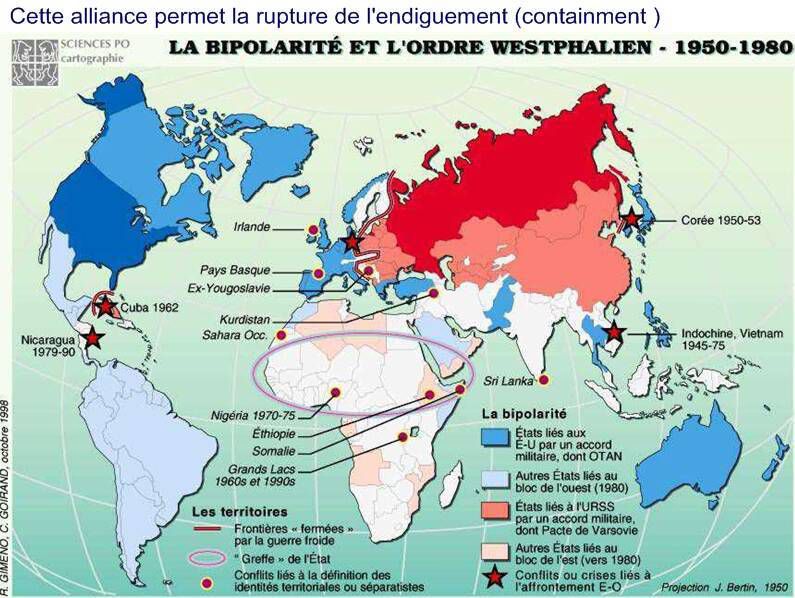
- Proxy Wars: The superpowers often avoided direct confrontation, preferring to wage war through proxies. This meant supporting different factions in countries around the world, giving those factions resources, training, and a platform to grow. Angola, Vietnam, Korea… the list goes on. It wasn't just about the US and USSR fighting; it was about their influence fueling internal conflicts, which in turn empowered local actors. Did anyone REALLY believe the Angolan Civil War was only about communism vs. capitalism?
- Non-Aligned Movement: Feeling squeezed between the two giants, many newly independent nations in Asia, Africa, and Latin America formed the Non-Aligned Movement (NAM). This was a big deal! They wanted to chart their own course, refusing to be pawns in the Cold War game. They used their collective voice to advocate for issues like decolonization, economic development, and disarmament. India's Jawaharlal Nehru, Yugoslavia's Josip Broz Tito, Egypt's Gamal Abdel Nasser - these guys were not messing around!
- International Organizations: Organizations like the United Nations (UN) provided a forum for smaller countries to voice their concerns and exert influence. Even though the US and USSR had veto power in the Security Council, the General Assembly offered a space for debate and the formation of coalitions. The UN provided platforms to discuss critical issues like human rights, development, and peacekeeping, putting pressure on even the most powerful nations.
- Economic Opportunities: The Cold War spurred economic competition between the two blocs, leading to aid programs and trade agreements that benefited some developing countries. This allowed them to gain leverage and diversify their relationships. Think about it: if you only have one buyer for your product, you're at their mercy. But if you have multiple buyers, you can negotiate better terms! Same principle applies to international relations.
Beyond Nation-States: A Whole New Ballgame
And it wasn't just about countries. The Cold War era also saw the rise of:

- Liberation Movements: Fighting for independence from colonial powers or for regime change, these movements often received support from either the US or the USSR (or both!). Think about the African National Congress (ANC) in South Africa, or the Viet Cong in Vietnam. These groups became major players in their respective regions, shaping the political landscape for decades to come.
- Terrorist Organizations: The Cold War provided fertile ground for the growth of terrorist groups. Some were supported by state sponsors, while others emerged from the chaos and instability of proxy wars. This is the part of history we often conveniently omit when talking about the "good old days," isn't it?
- Multinational Corporations (MNCs): Even back then, MNCs were wielding considerable economic power, influencing government policies and shaping global trade patterns. They weren't necessarily aligned with either superpower; their primary allegiance was to profit. And that, my friends, is a powerful force!
The Bipolar Paradox: Freedom Within Constraint?
So, the paradox is this: a seemingly rigid bipolar system, designed to limit choices and divide the world into two camps, actually created spaces for other actors to emerge and exert influence. Why? Because the superpowers couldn’t be everywhere all the time. They couldn't control every single aspect of global politics. And their competition created opportunities for others to play them off against each other. It was like a chess game, but with dozens of players each trying to make their own moves.
Think of it this way: if the US and USSR were two giant spotlights, illuminating everything in their path, there were still plenty of shadows where other actors could operate, plot, and maneuver. These actors, in turn, chipped away at the edges of the bipolar order, contributing to its eventual erosion. The world wasn’t just black and white; it was a complex tapestry of colors, shades, and textures.
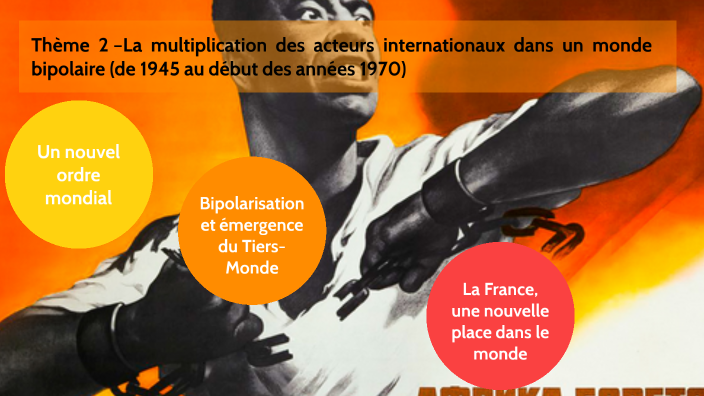
And what about the consequences? The proliferation of international actors has had a profound and lasting impact on the world. It's made international relations more complex, more unpredictable, and arguably, more interesting. It also means that solutions to global problems require the cooperation of a wider range of actors than ever before. Which, let’s be honest, is a huge challenge in today's world. The US and USSR might not be slugging it out anymore, but try getting everyone to agree on something as simple as climate change…
The next time you hear someone talking about the Cold War in simple terms, remember the multiplication of international actors. Remember the complexities, the contradictions, and the hidden stories. Because history is never as straightforward as it seems. And the world is always more complicated than a boxing ring.