Salut toi! Ever heard of Francis Ponge? No? Buckle up, 'cause we're about to dive into some delightfully weird French stuff. Think philosophy, but make it bread. Yes, you read that right. Bread.
Le Pain: Not Just a Carby Snack
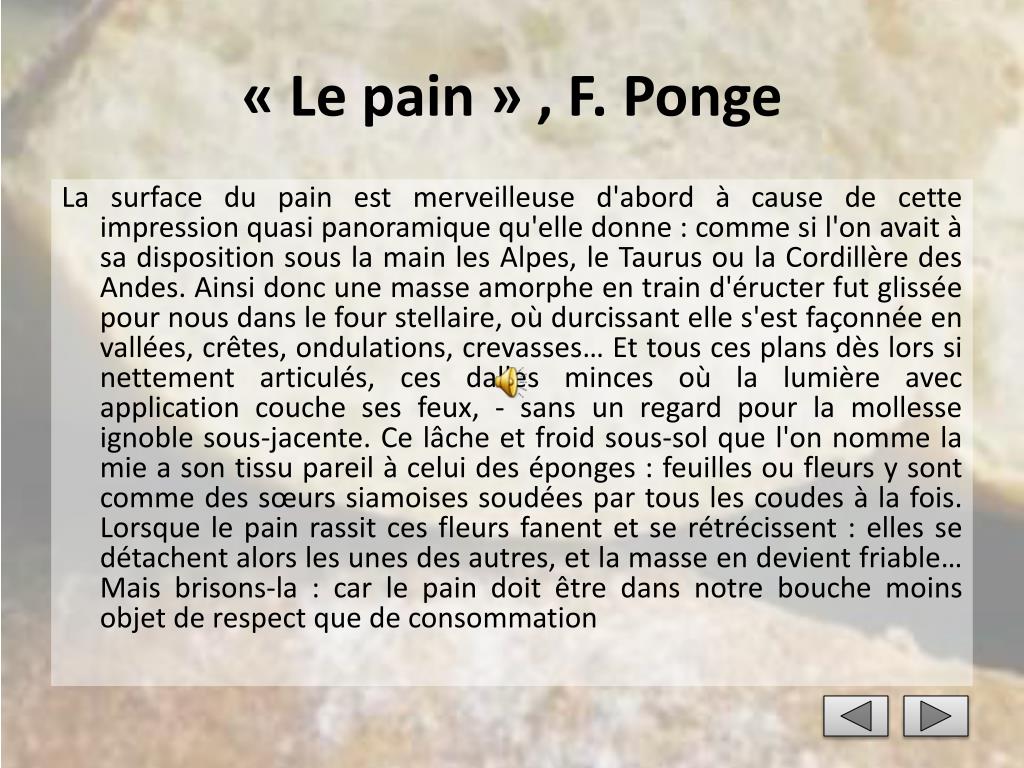
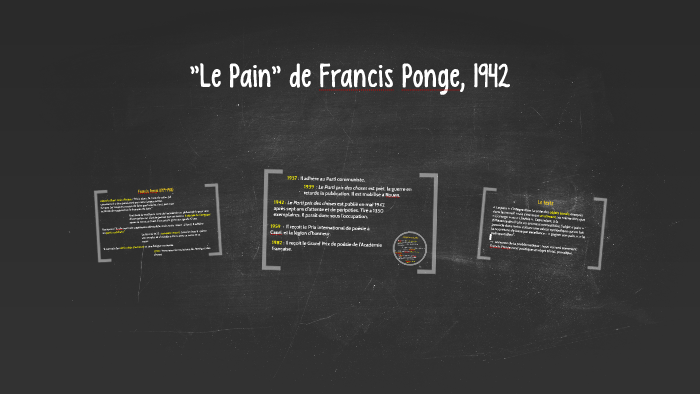
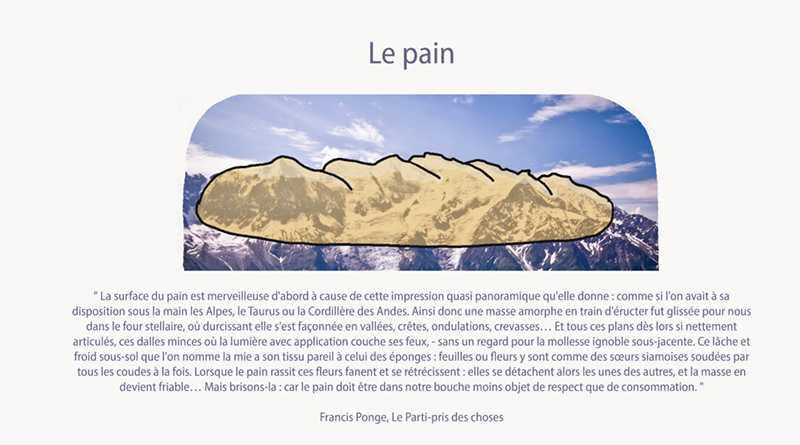
Ponge, that cheeky chap, wrote a whole prose poem called "Le Pain." Sounds simple, right? Wrong. It's like he took a magnifying glass to a baguette and found the meaning of life inside. He's not just describing bread; he's interrogating it. We're talking existential bread, my friend.
But Why Bread?
Good question! Ponge was all about the everyday. He thought we overlooked the beauty and complexity of ordinary objects. So, he picked bread – that staple of French life – and decided to dissect it with words. It's like saying, "Hey world, stop scrolling and look at this loaf!"
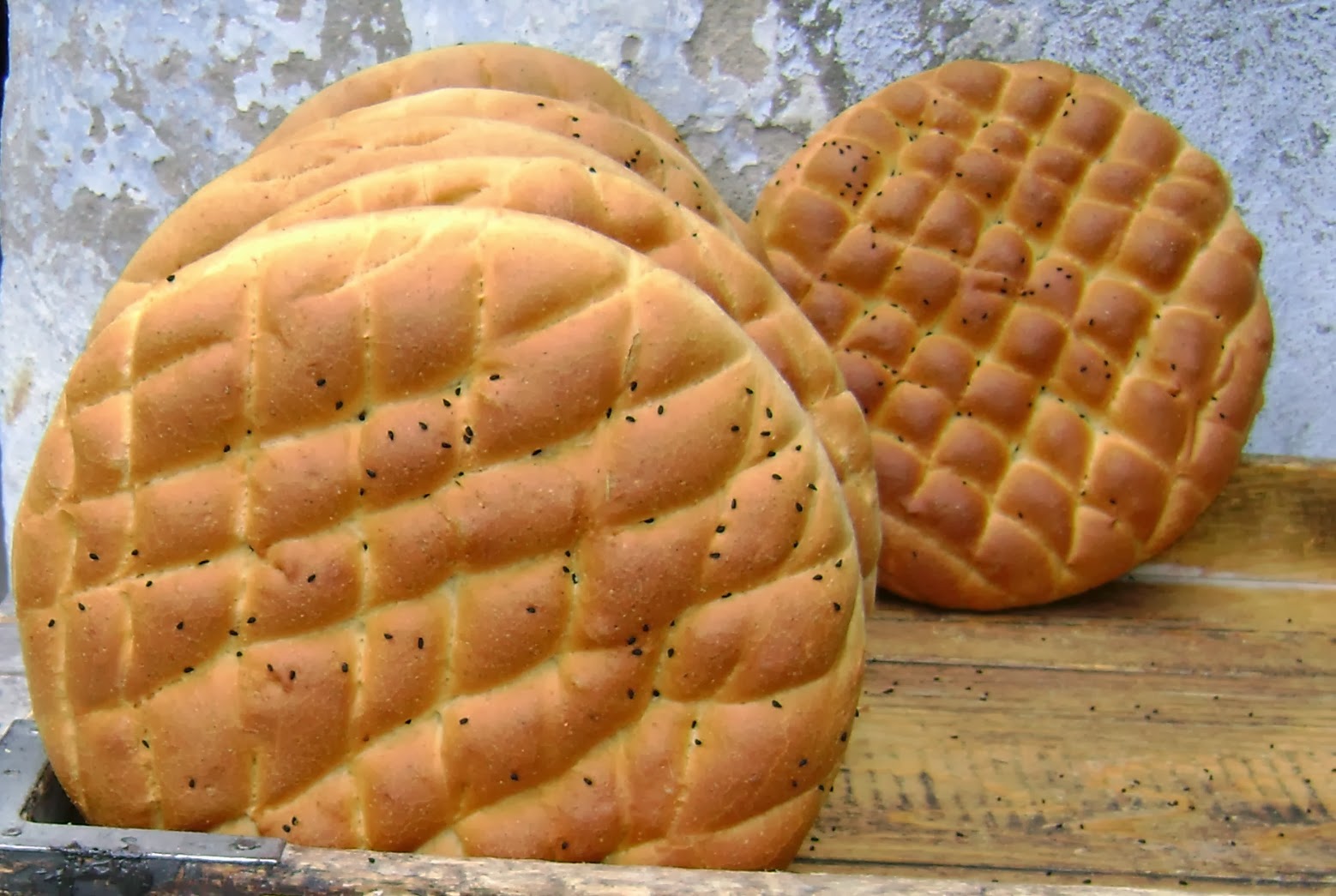
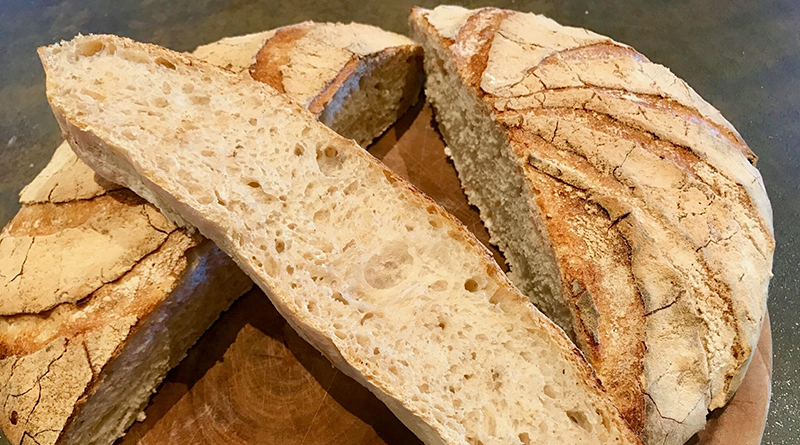
Imagine staring at a baguette for hours. You'd start seeing things, wouldn't you? Ponge did. He saw textures, colours, smells, and a whole universe of metaphors hiding inside. It's kind of bonkers, but also brilliant. It's literary performance art, really.
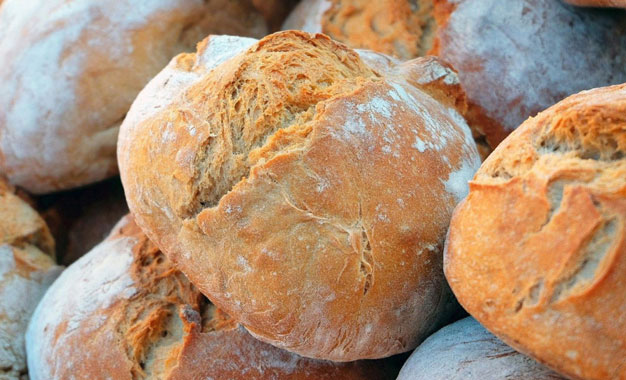
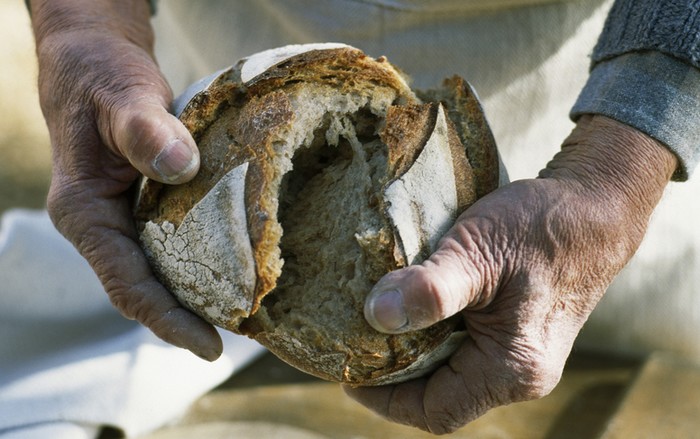
Think of it like this: You're about to bite into a crusty baguette. You expect the crunch, the chew, the yeasty flavour. Ponge wants you to think about that crunch. To analyze the sound, the texture, the very essence of "crunchiness." He's all about that sensory overload.
The Deep Dive: What's He Actually Saying?
Okay, so what are the big ideas hidden in this bread poem? It's not just about describing a pain au levain. There are layers, my friend, layers! Like a flaky croissant, we need to peel them back. Let's break it down:

Objectivity Obsession
Ponge wanted to write about the bread as objectively as possible. No emotions, no personal feelings – just the facts, ma'am! But… that's kind of impossible, isn't it? The very act of choosing words introduces subjectivity. Irony alert! He's trying to be a robot, but he's still a human.
Words as Things
He believed that words aren't just labels. They're things in themselves. They have weight, texture, and power. So, by carefully choosing his words to describe the bread, he's almost creating a new kind of bread – a verbal bread. It's meta, I know.
Think of each word as a tiny brick. Ponge is carefully laying those bricks to build a representation of the bread. And that representation, in his mind, is almost as real as the bread itself. It’s like a literary Frankenstein, but with a baguette.
The Poetry of the Mundane
This is the heart of Ponge's whole deal. He found poetry in the ordinary. In the things we take for granted. He's saying, "Look around you! Beauty is everywhere, even in your shopping list!" He forces us to reconsider the world around us.
Imagine someone writing a detailed poem about a paperclip. Or a dust bunny. It sounds ridiculous, but that's kind of the point. He's showing us that anything can be interesting if you look at it closely enough. He's the David Attenborough of everyday objects.
Why Should I Care? (The Fun Part!)
Okay, so you're not planning on writing a bread poem anytime soon. Fair enough. But Ponge's ideas are surprisingly relevant. He’s teaching us to be more mindful, to appreciate the small things, and to think critically about language.
Mindfulness for Foodies
Next time you're eating something delicious, try to channel your inner Ponge. Don't just wolf it down! Really taste it. Describe it to yourself. What are the textures? The aromas? The subtle flavors? It's like a mini-meditation session, but with food!

Word Play Power
Ponge also reminds us of the power of language. Words aren't just tools for communication. They shape our reality. By being more aware of the words we use, we can become more creative, more expressive, and more persuasive. Words are like tiny magic wands!
Embrace the Absurd
Let's be honest, "Le Pain" is a little bit absurd. But that's part of its charm. Ponge invites us to embrace the weirdness of life. To find humor in the unexpected. To not take ourselves too seriously. It's like a literary wink.
He's basically saying, "Hey, life's short. Write a poem about a radish! Why not?" He encourages us to break free from conventional thinking and to explore our own creativity. He’s the punk rocker of French literature.
Ponge-ing Around: Try it Yourself!
Want to get a taste of Ponge-ian thinking? Here's a fun exercise:
- Pick an object: A coffee mug, a houseplant, a spoon. Anything!
- Observe it closely: For at least 5 minutes, just look at it. Notice the details. The colors, the textures, the shadows.
- Write down your observations: Don't worry about being poetic. Just describe what you see, as objectively as possible.
- Now get creative!: Add metaphors, similes, and other literary devices. Let your imagination run wild!
You might be surprised at what you come up with. You might even discover the meaning of life in a paperclip. (Probably not, but you never know!).
So, there you have it: Francis Ponge and his existential bread. It's quirky, it's challenging, and it's surprisingly fun. Next time you're reaching for a baguette, remember Ponge and take a moment to appreciate the poetry of the everyday.
Now go forth and ponder the profoundness of pastries! Au revoir!