Salut, les amis! Let's dive into something that's surprisingly practical and utterly charming: le verbe "dire" au présent de l'impératif. It's not as scary as it sounds, promise! Think of it as your guide to being politely assertive, offering nuggets of wisdom, or even just bossing your friends around (with love, of course!).
Dire: The Basics
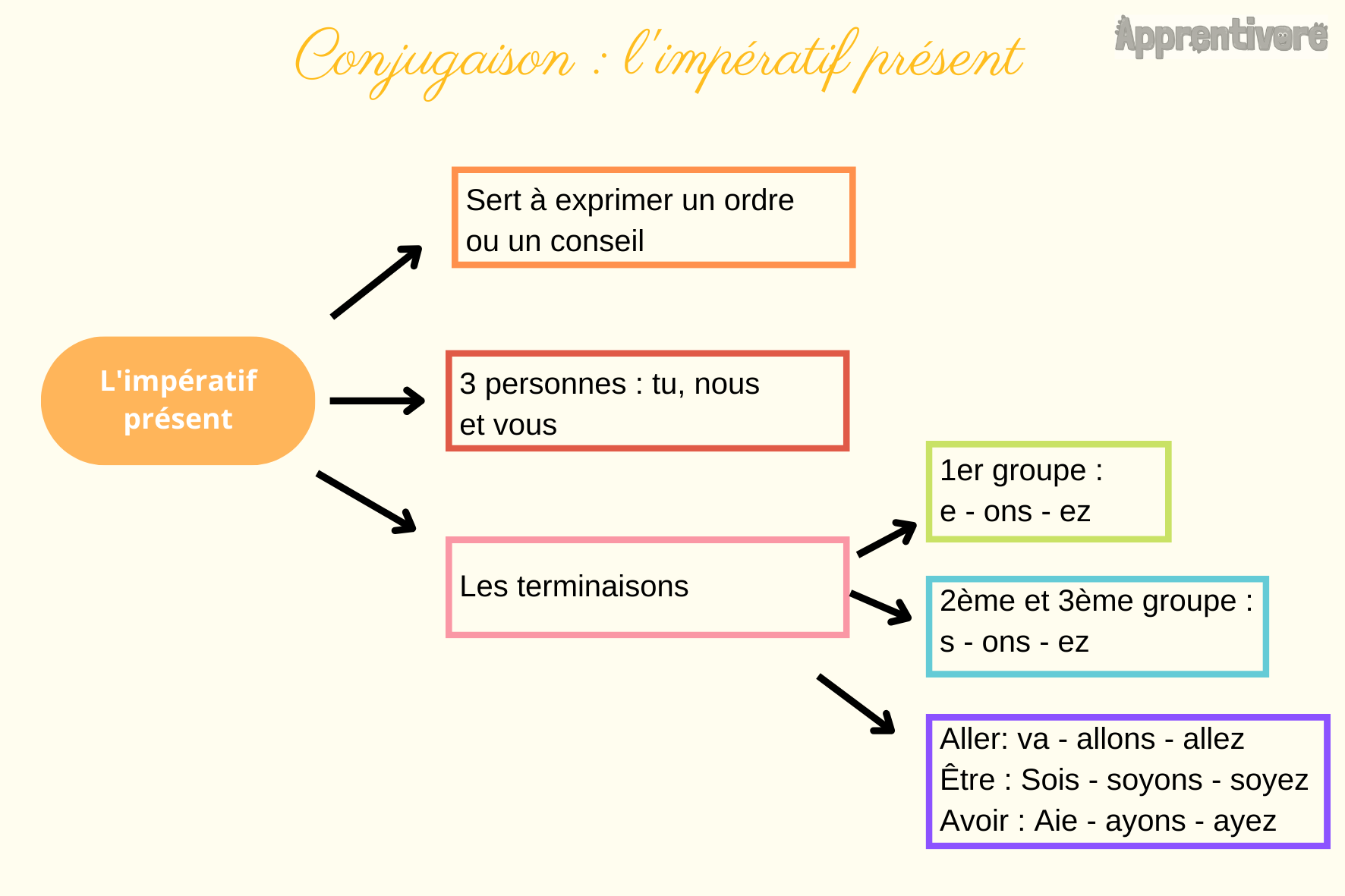
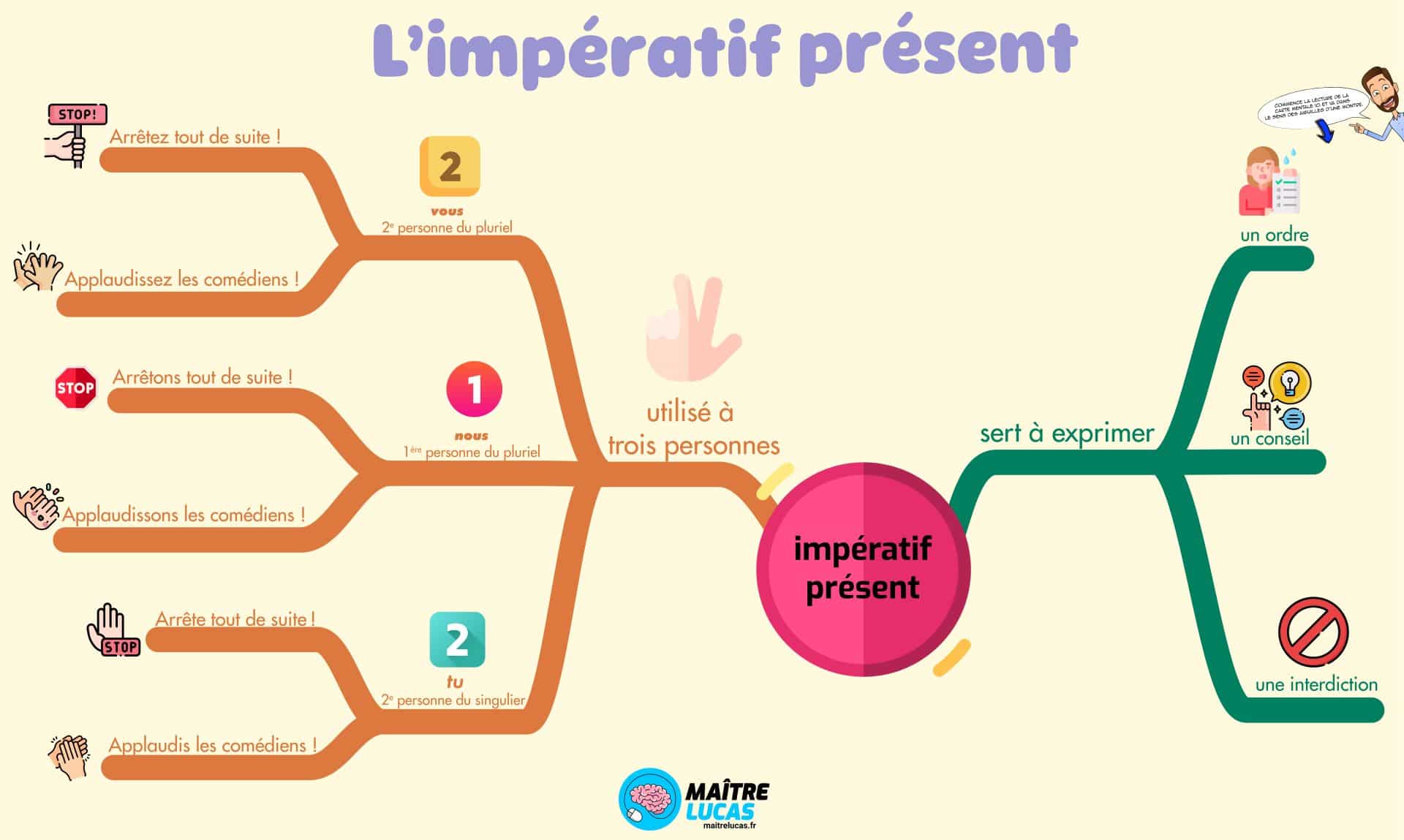
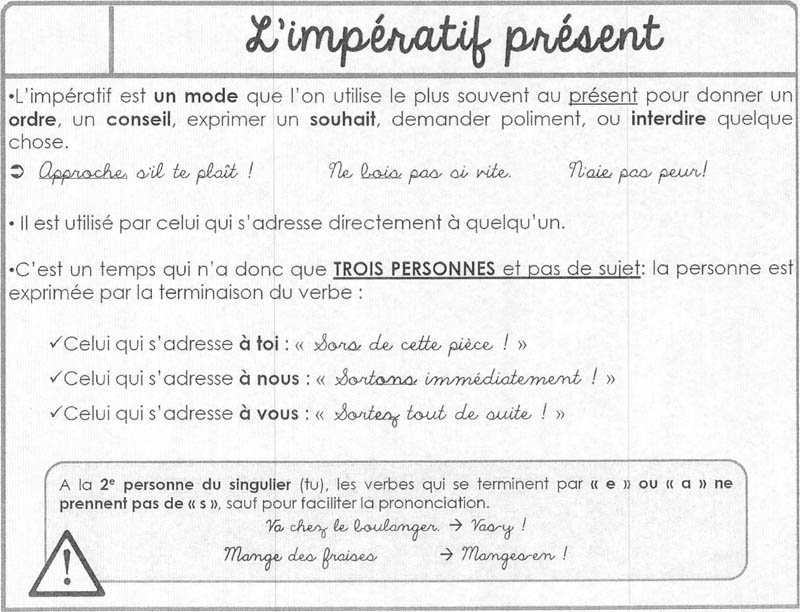
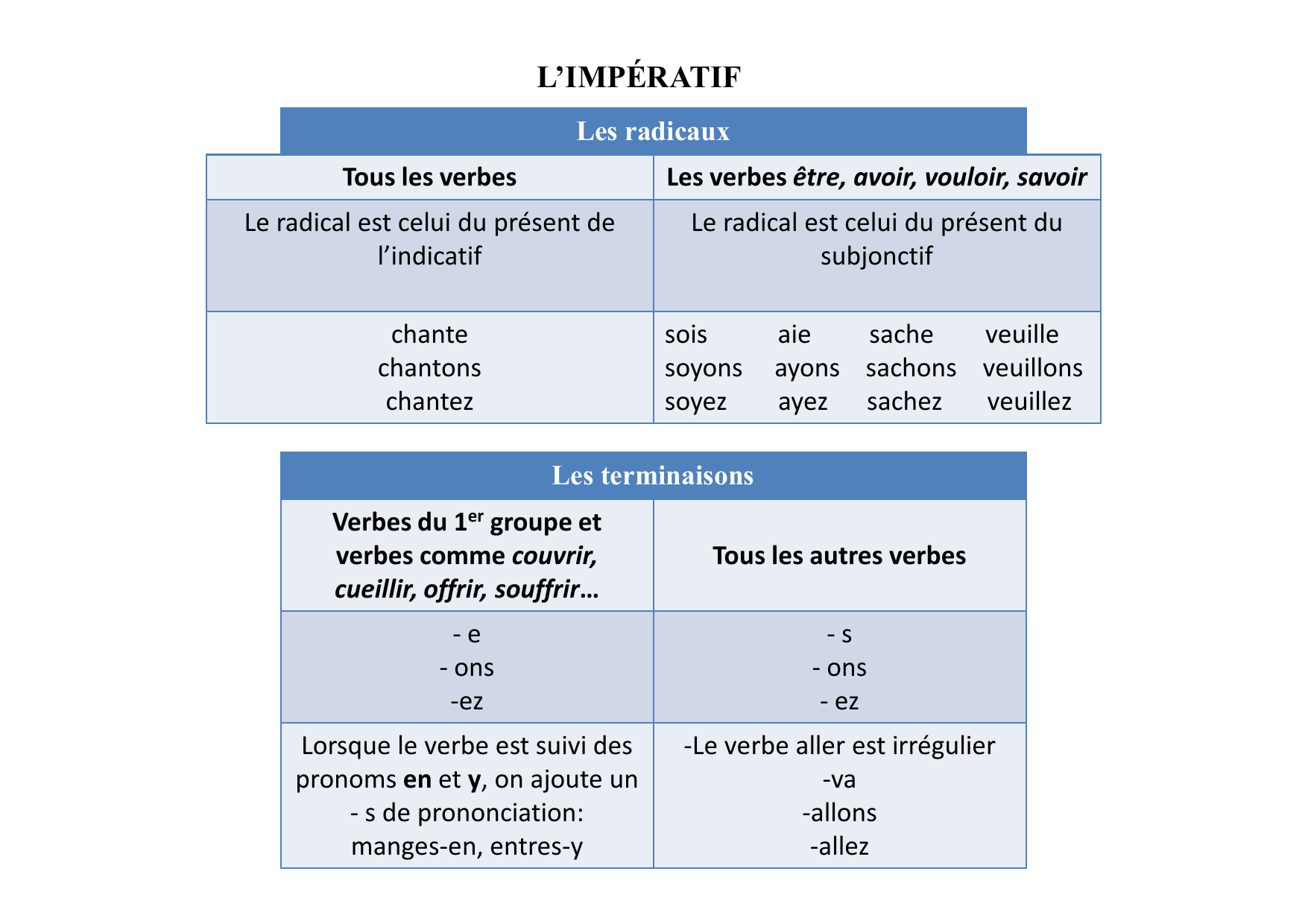
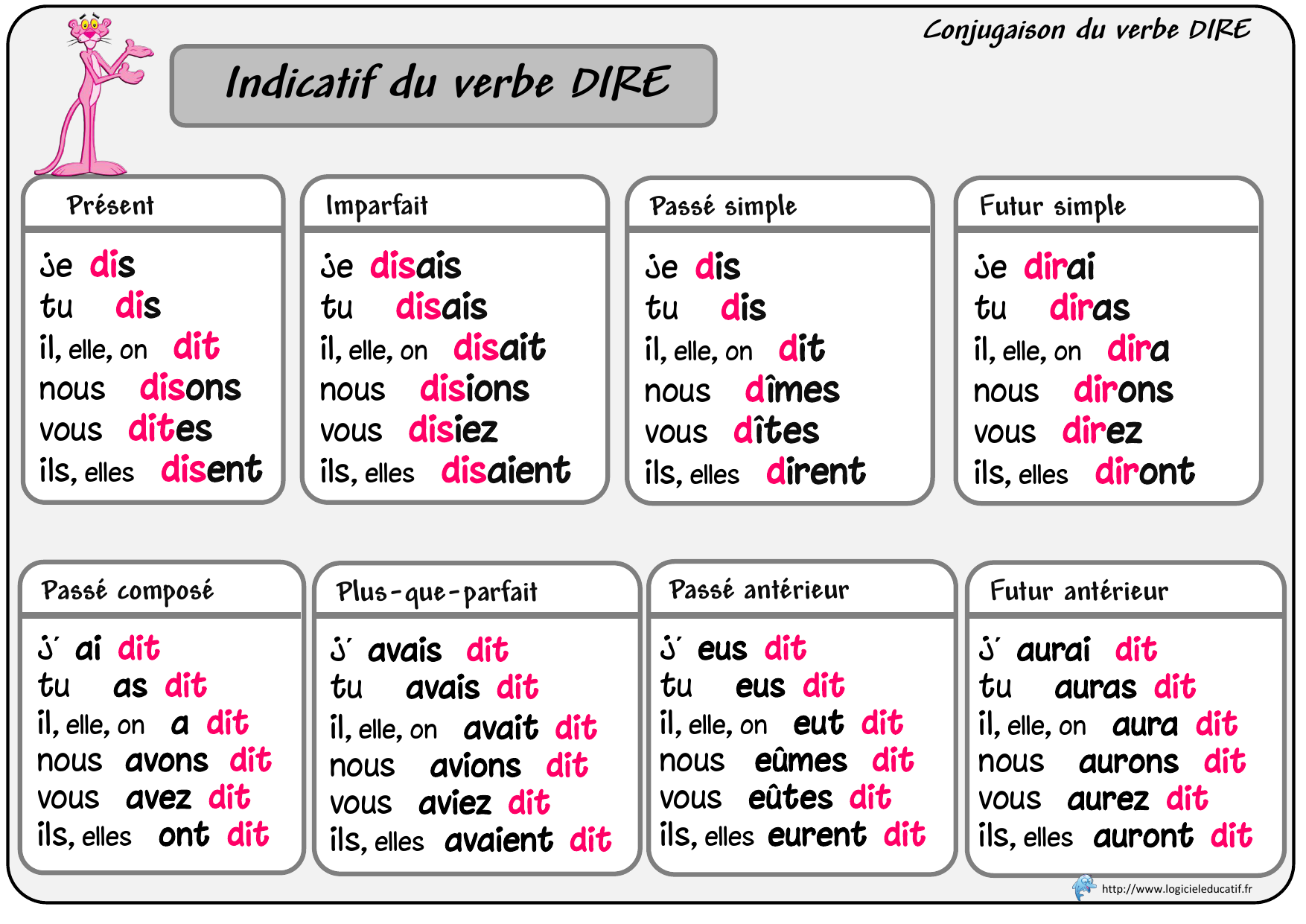
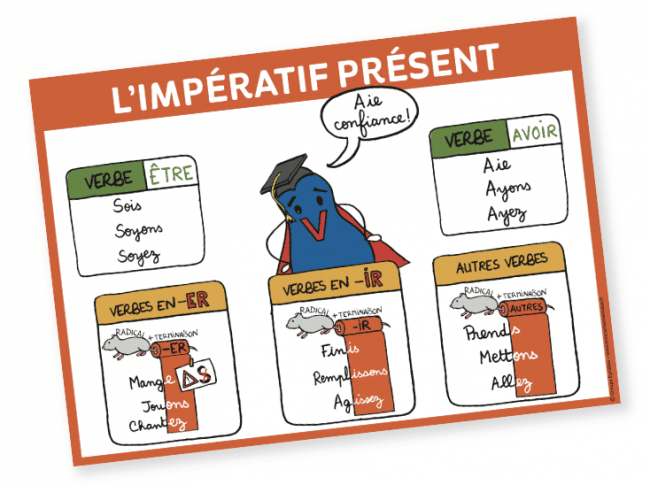
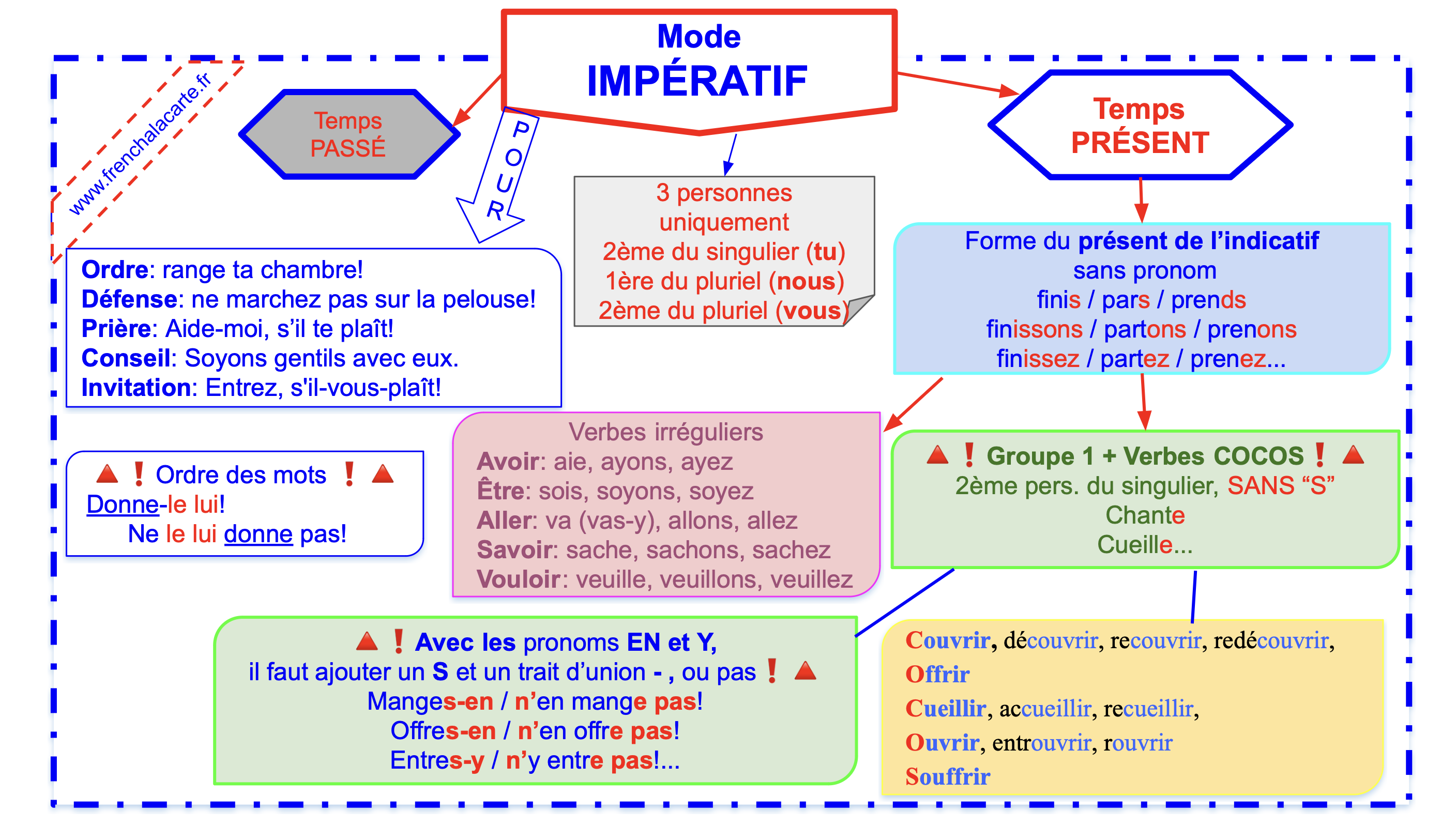
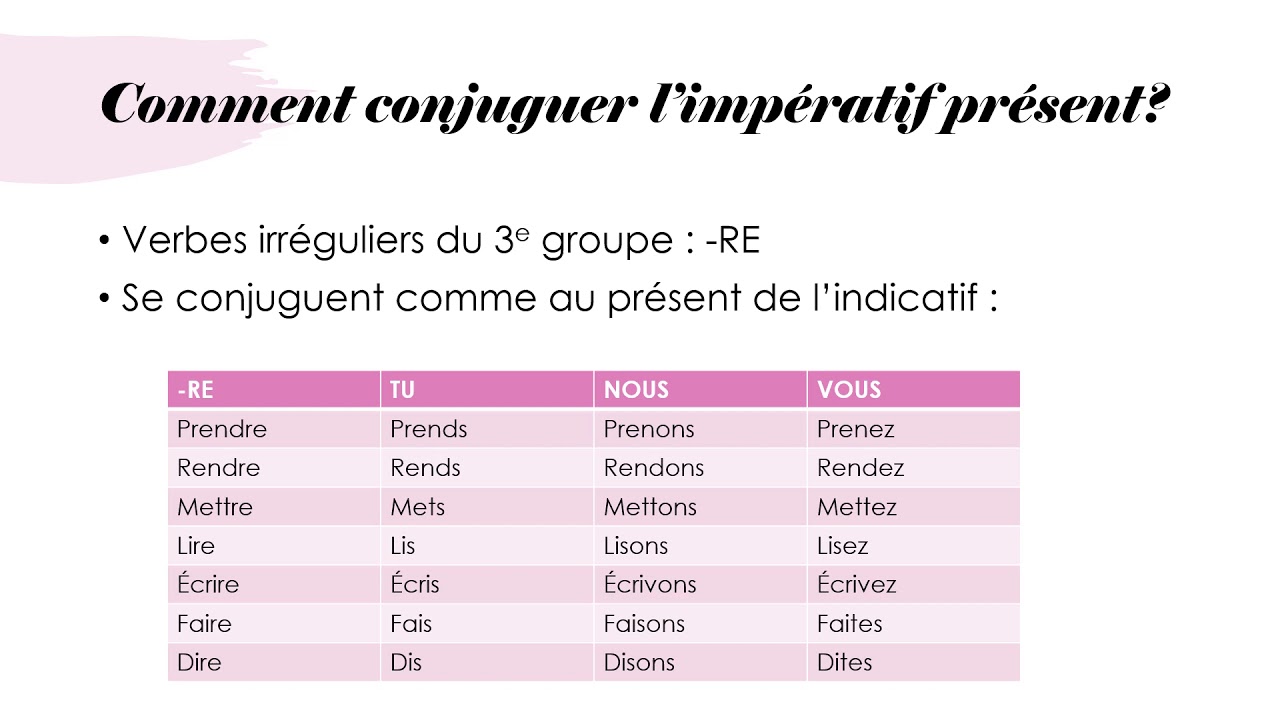
First, a quick recap. "Dire" means "to say" or "to tell" in French. We're focusing on the imperative form (l'impératif), which is used to give commands, instructions, or suggestions. The imperative form only has three persons: tu, nous, and vous.
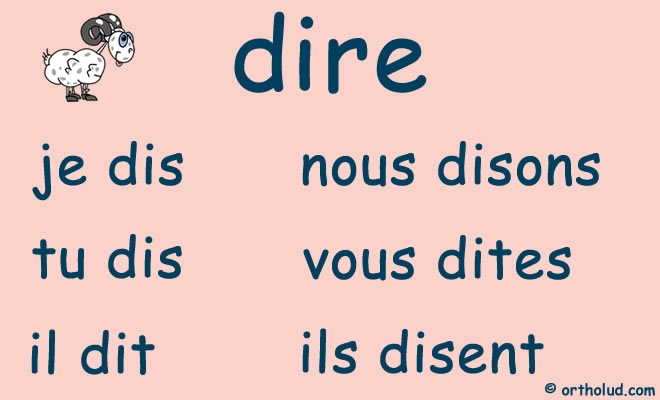
So, what does "dire" look like in the imperative? It's super simple:
- Dis (to one person you know well – tu form)
- Disons (let's say, let's tell – nous form)
- Dites (to a group or someone you address formally – vous form)
See? Nothing to be afraid of! It's shorter than even saying "bonjour."
Using "Dire" in Real Life
Okay, let's get practical. How can you actually use this in your everyday Parisian (or aspiring Parisian!) life?
Giving Advice:

"Dis-lui la vérité!" – Tell her/him the truth!
Imagine your friend is agonizing over a difficult situation. A firm but caring "Dis-lui la vérité!" could be exactly what they need to hear. It's direct, but with the right tone, it shows you care.
Making Suggestions:
"Disons que l'on prend un café?" – Let's say we grab a coffee?
This is your go-to phrase for casual invitations. It’s less forceful than a direct command and allows for a bit of wiggle room. Think of it as the French equivalent of "How about we...?"
Giving Instructions:
"Dites-moi ce que vous pensez!" – Tell me what you think!
Perfect for soliciting opinions at work, in a group project, or even just when you're trying to decide what to order for dinner. It's polite and inclusive.
Cultural Nuances
The French are known for being direct, but it’s all about the delivery. With the imperative, tone is key. A friendly "Dis!" can be encouraging, while a sharp "Dis!" can sound quite demanding. Pay attention to your body language and facial expressions too.
Did you know that the phrase "On dirait que..." (it seems that...) is a distant cousin of our imperative "dire"? It’s not a command, but it's another way the French express opinion and perception. French is all connected!
Adding a Little Flair
Let's spice things up! You can add adverbs to "dire" to soften or strengthen your message. For instance:
- "Dis franchement ce que tu penses." – Honestly say what you think.
- "Dis simplement la vérité." – Simply tell the truth.
You can also add "s'il te plaît" (please) or "s'il vous plaît" to soften the command, especially when speaking to someone you don't know well or someone older than you. "Dis-moi, s'il te plaît, où est la gare?" – Tell me, please, where is the train station?
Why This Matters
Mastering the imperative of "dire" isn't just about grammar; it's about communication. It's about being able to express yourself clearly and confidently, whether you're offering advice, making suggestions, or giving instructions. It’s also about understanding the nuances of French culture and how to navigate social situations with grace.
Take a moment to reflect on how you use language in your daily life. Are you assertive enough? Do you sometimes shy away from giving your opinion? Learning "dire" in the imperative form is a small step towards becoming a more confident and effective communicator, whether you're speaking French or any other language. So go ahead, dis what you need to say!