Okay, so picture this: me, last week, trying to explain the plot of some obscure French film to my friend Sarah. I'm waving my hands, attempting dramatic pauses, and saying things like, "Alors, il dit that he's not the killer, but... is he really not?" Sarah's giving me that glazed-over look, you know, the one that screams, "Please, tell me again why French cinema is superior." And it hit me: I was relying way too much on the verb "dire." Maybe, just maybe, a little refresher on le verbe dire au présent de l'indicatif was in order. (And maybe a less convoluted plot summary next time… just a thought.)
Dire: The Backbone of French Conversation (Probably)
Seriously though, "dire" is like, the Swiss Army knife of French verbs. It means "to say," "to tell," and honestly, you can probably get away with using it in most situations. Probably. But let's not just say you know it, let's actually know it, yeah?
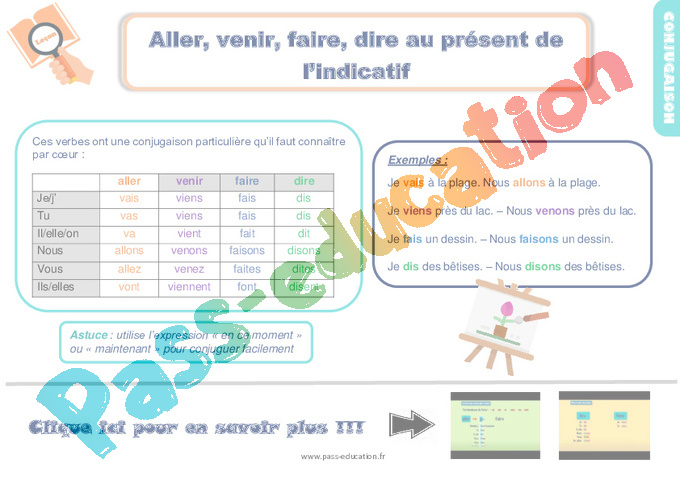
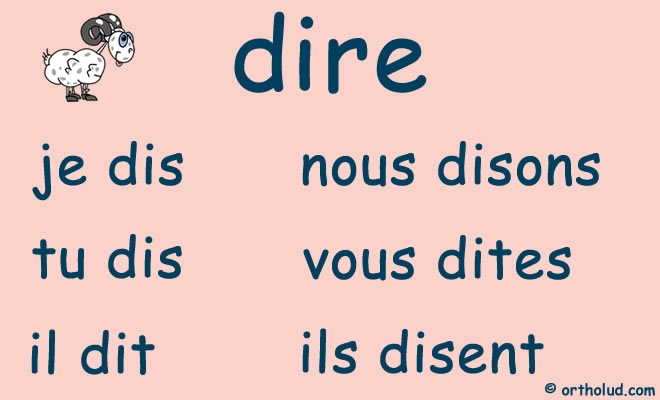
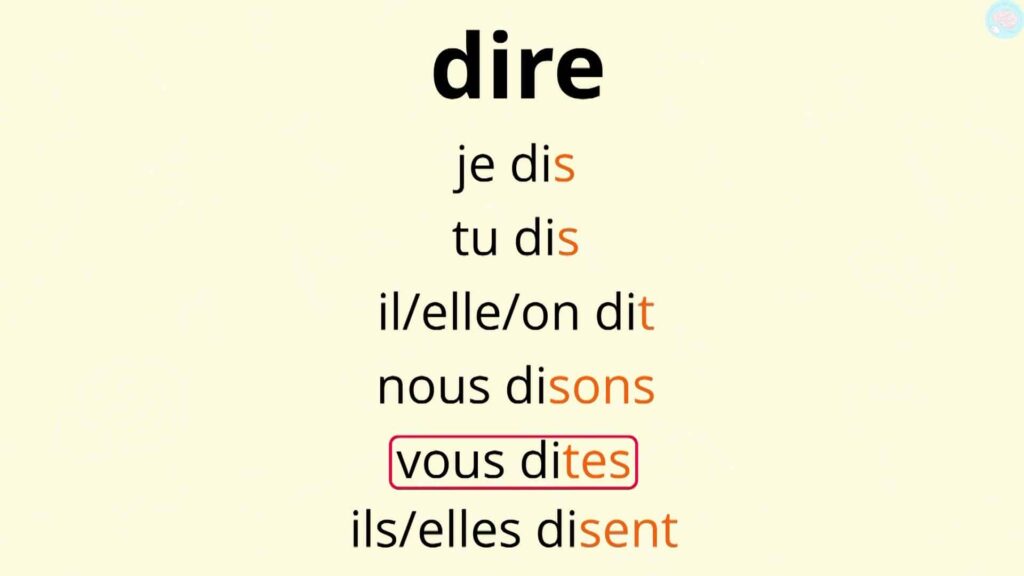
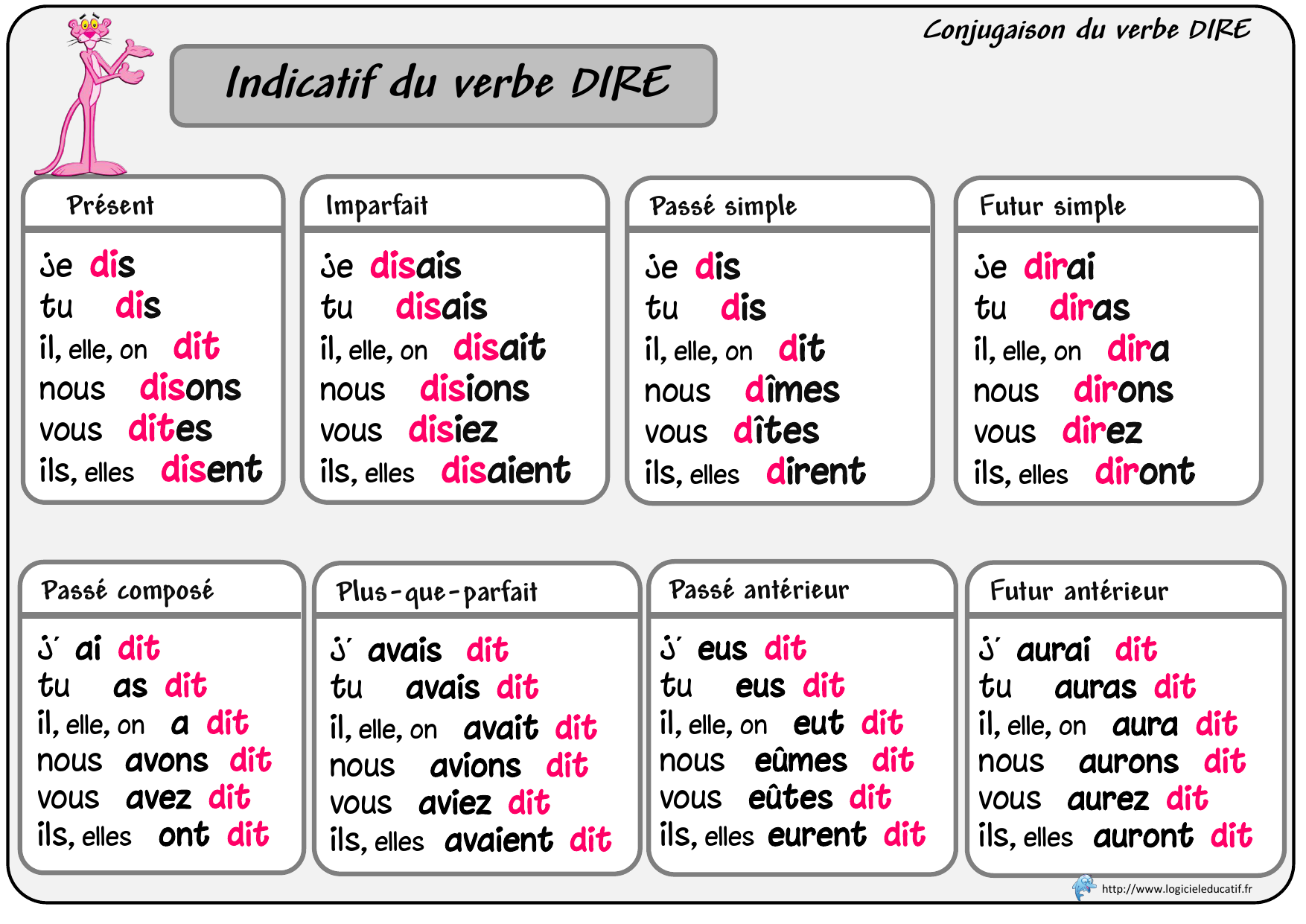
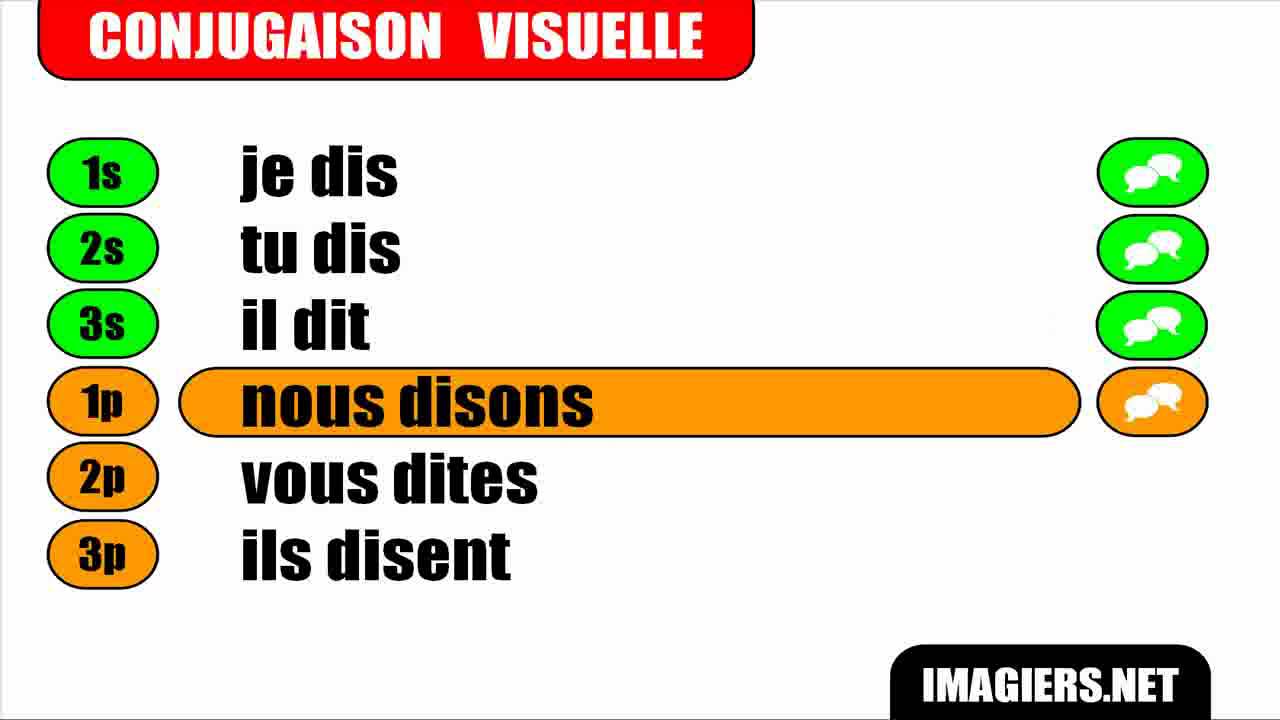
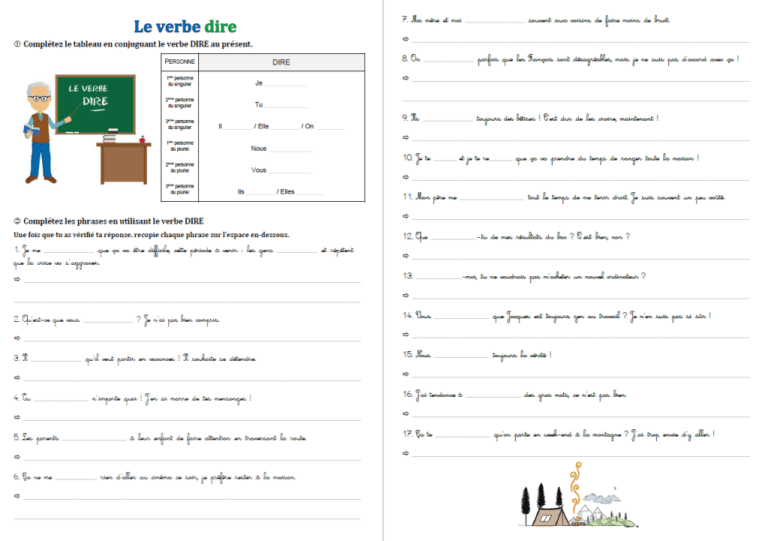
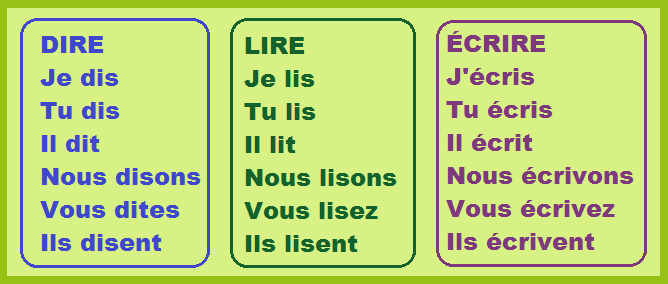
Here’s the breakdown in all its glorious, present indicative form:
- Je dis (I say/tell)
- Tu dis (You say/tell - informal)
- Il/Elle/On dit (He/She/One says/tells)
- Nous disons (We say/tell)
- Vous dites (You say/tell - formal/plural)
- Ils/Elles disent (They say/tell)
Notice anything... peculiar? (Don't worry, I’ll point it out.) Look at tu dis, je dis, il/elle/on dit and ils/elles disent. They all sound pretty much the same when you say them, don’t they? Welcome to the wonderful world of French pronunciation! Context, my friend, is your best friend.
Little Tricks and Tidbits to Keep in Mind
- "On dit que..." This literally translates to "One says that..." but it's more often used to mean "They say that..." or "It is said that..." For example: "On dit qu'il va pleuvoir demain." (They say it's going to rain tomorrow.)
- "Dis donc!" This is a fun little expression. It's like saying "Hey!" or "Listen!" or sometimes even a surprised "Wow!" You can use it to get someone's attention or to express surprise. Dis donc, t'as vu cette voiture? (Hey, did you see that car?)
- "Qu'est-ce que tu dis?" Careful with this one! It can mean "What are you saying?" but it can also mean "Excuse me?" if you didn't hear someone properly. Tone is everything, as always.
Speaking of tone, remember that "dire" is just the beginning! There are tons of other ways to express yourself in French. Think about all the nuances you could be using! But hey, mastering the present indicative of "dire" is a solid foundation, so give yourself a pat on the back.

Practice Makes Perfect (and Less Awkward Movie Plot Explanations)
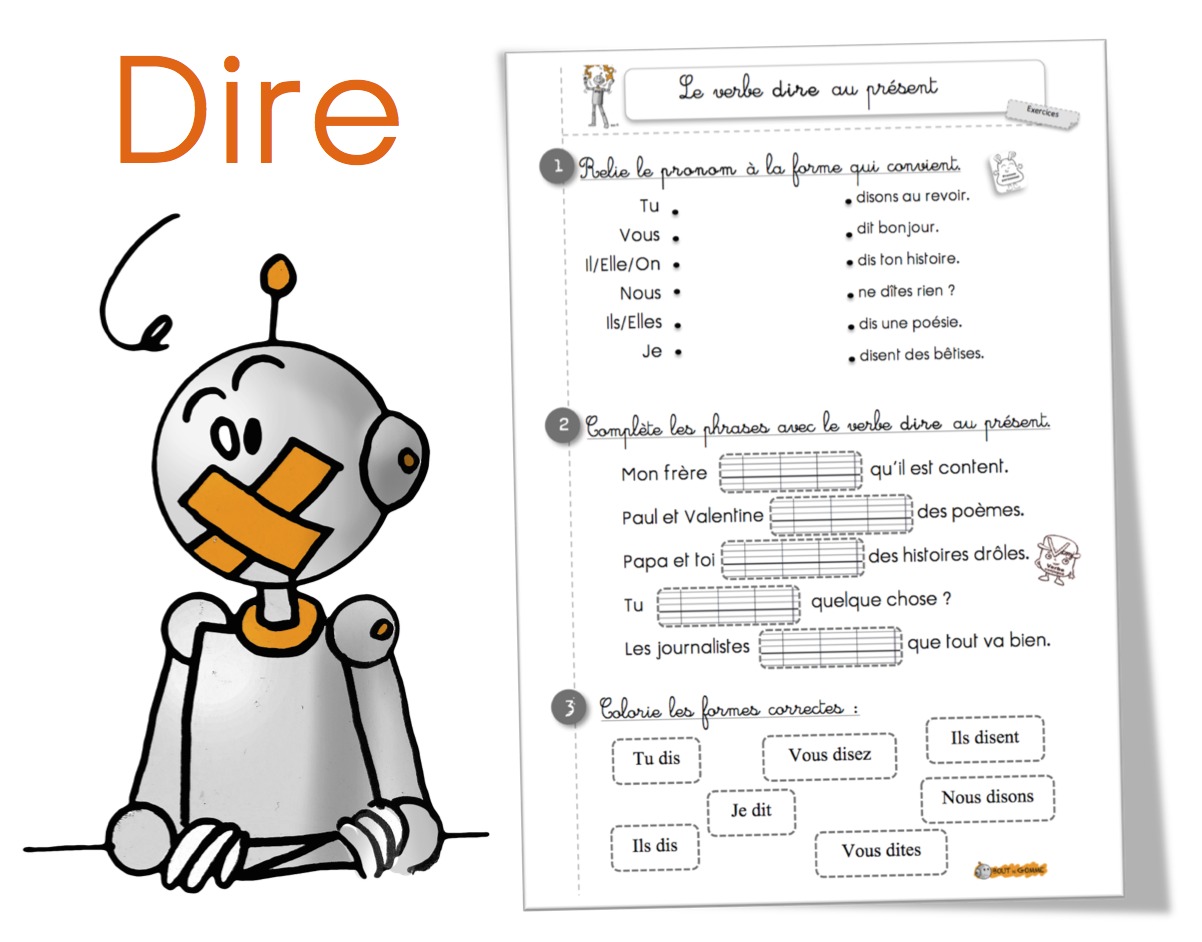
So, there you have it. Le verbe dire au présent de l'indicatif, demystified. Now go forth and dire things! Tell your friends about your favorite croissant, tell your cat you love him (even if he doesn't understand a word you're saying), just practice! The more you use it, the more natural it will become. And who knows, maybe you'll even be able to explain a French film plot without making your friends want to run for the hills.
And remember: don't just dire, comprendre! (Okay, I'll stop with the bad puns now… maybe.)




![[HD] Conjugaison visuelle - Dire - Indicatif Présent - YouTube](https://i.ytimg.com/vi/8_lzboyFRwE/maxresdefault.jpg)




![Le français à l'école: Verbe DIRE [6º]](https://1.bp.blogspot.com/-Wm9SoFA34I0/XoHpRi32WwI/AAAAAAAAGvE/HzBxYnOC3HwF5suEkAJ8ZnD5EEKu-zpKQCLcBGAsYHQ/s1600/007507262_1-6857c186ba101cee3c8513e561f53b83.png)