Salut les amis! Ever wondered about bossing people around in French... in a nice way, of course? Today, we're diving into the impératif, specifically with the verb "faire." Why "faire?" Well, because it's everywhere! It's like the Swiss Army knife of French verbs. Ready to get started?
What's the Impératif, Anyway?
Think of the impératif as the "command mode" of French verbs. It's how you tell someone to do something, make a suggestion, or give advice. It's not about yelling (unless you want to!). It's about direct instructions. We're talking about phrases like "Do your homework!" or "Make some coffee!" (Yes, please!).
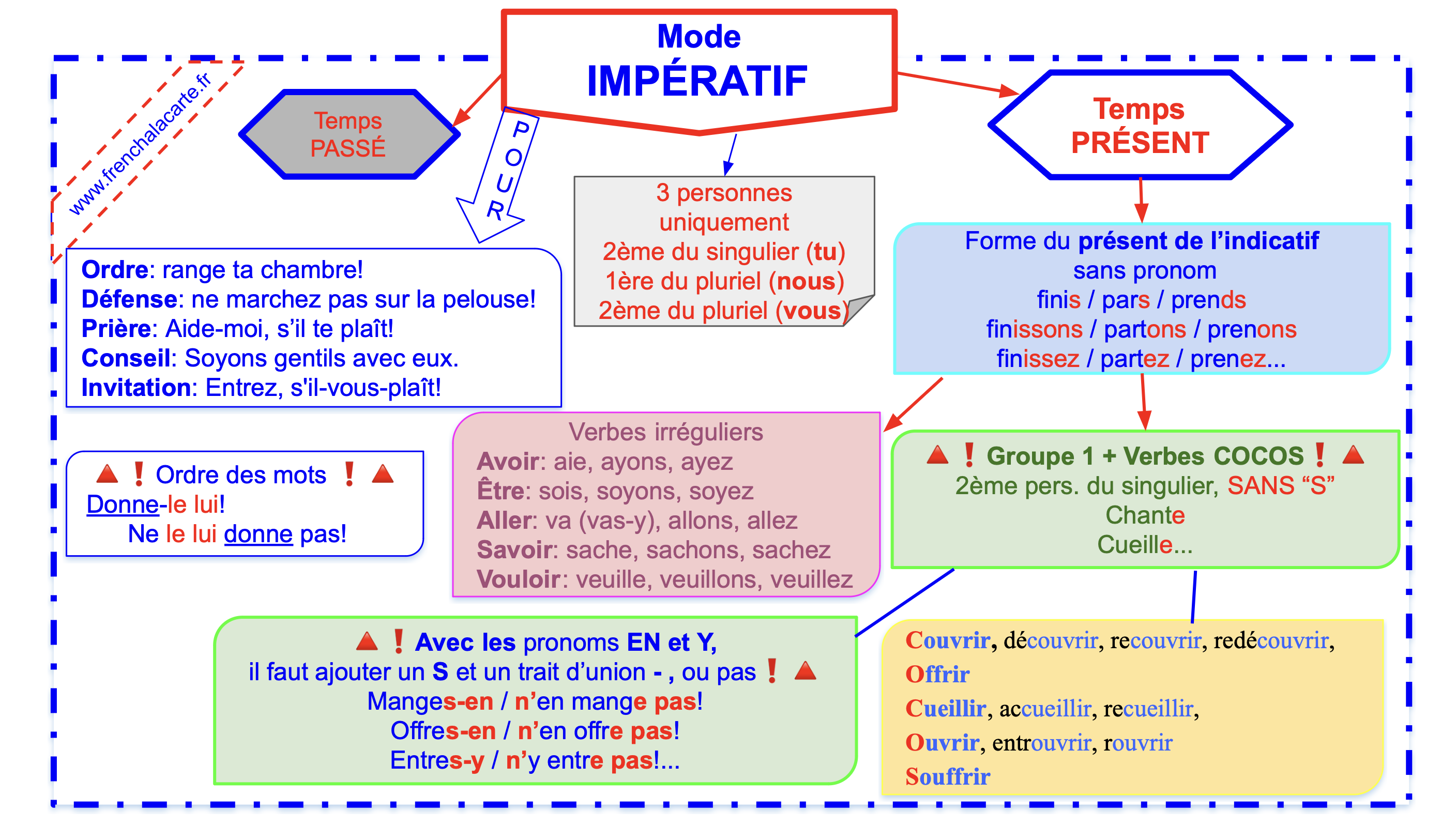
Unlike other verb conjugations, the impératif is super simple. You only need to worry about three forms:
- Tu (you - informal, singular)
- Nous (we - let's)
- Vous (you - formal/plural)
No "je," "il," "elle," or "ils/elles." See? Less to memorize! It's like French decided to take a day off.
"Faire" in the Impératif: The Magic Words
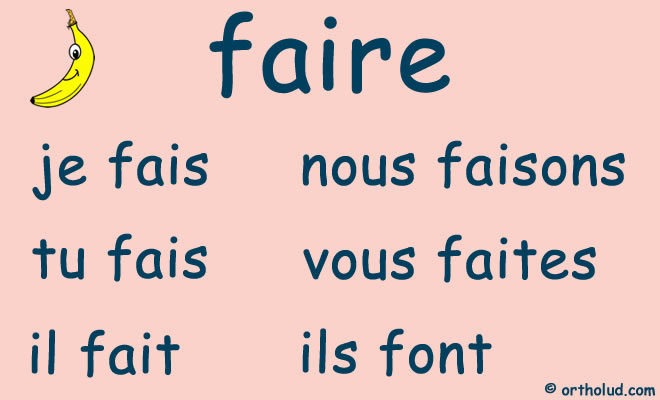
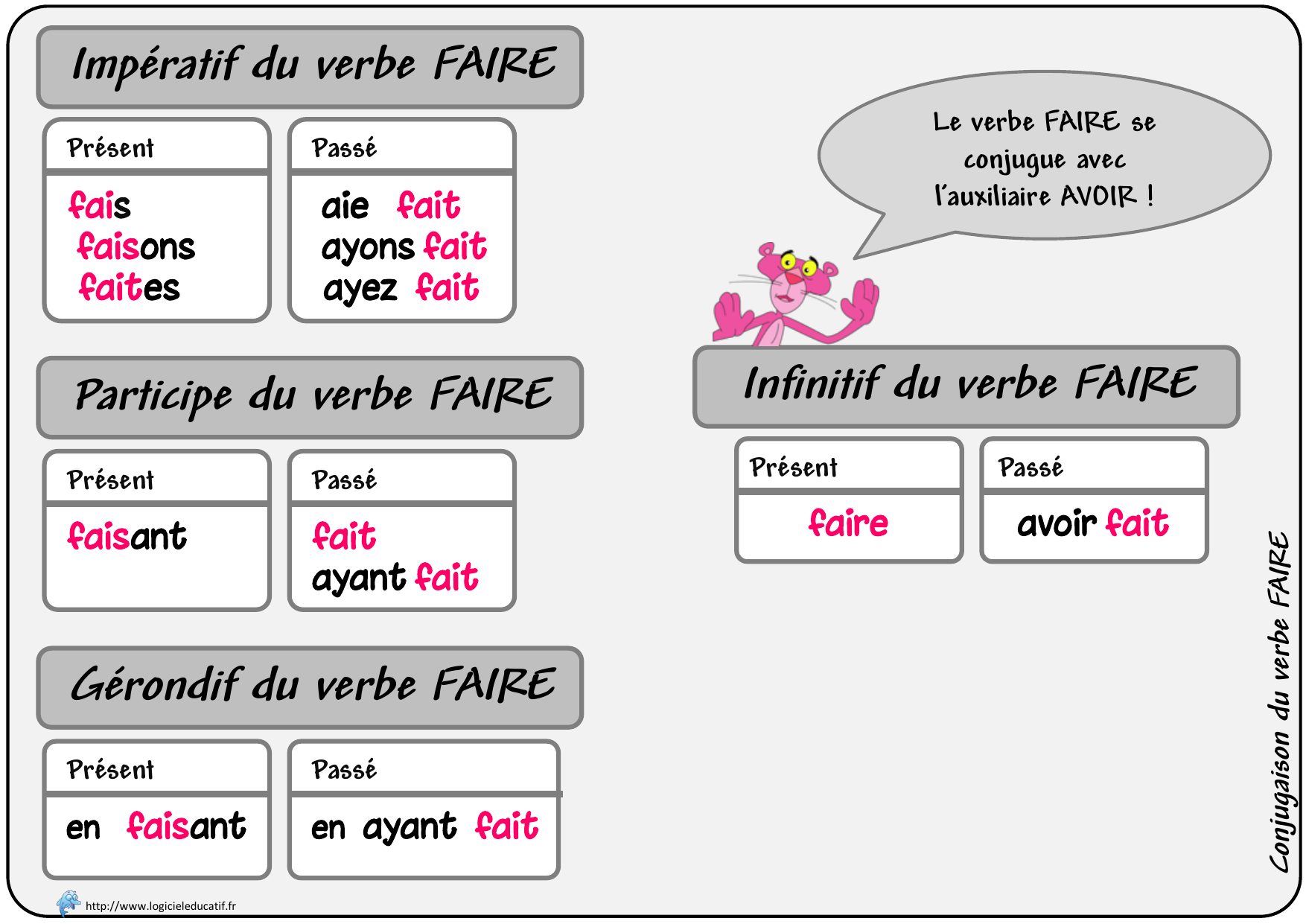
Okay, drumroll please... Here's how "faire" transforms in the impératif:
- Fais! (Do! / Make!) - for tu
- Faisons! (Let's do! / Let's make!) - for nous
- Faites! (Do! / Make!) - for vous
Short, sweet, and to the point. "Fais," "Faisons," "Faites." That's it! But how do you use them?
Using "Fais": Getting Things Done (Informally)
You'd use "Fais" with friends, family members, or anyone you're on familiar terms with. Think of it as your go-to command for casual situations. Examples:

- Fais tes devoirs! (Do your homework!)
- Fais attention! (Be careful!)
- Fais de ton mieux! (Do your best!)
Notice how each command encourages action. It's all about getting things done!
Using "Faisons": Let's Get Together!
"Faisons" is all about collective action. It's the "Let's..." of the impératif. It's perfect for making suggestions or encouraging group activities. Think of it as the "we should" button.
- Faisons une promenade! (Let's take a walk!)
- Faisons la vaisselle! (Let's do the dishes!)
- Faisons un effort! (Let's make an effort!)
Want to rally the troops? "Faisons" is your secret weapon!
Using "Faites": Respect and Authority (Formally)
"Faites" is your formal command, reserved for situations where respect is key. Use it with strangers, bosses, or anyone you want to address politely. It’s also used for the plural "you."
- Faites attention, monsieur/madame! (Be careful, sir/madam!)
- Faites de votre mieux! (Do your best!) - To a group or someone you address formally.
- Faites vos jeux! (Place your bets!)
Think of "Faites" as the sophisticated cousin of "Fais." It’s all about showing respect while still getting your point across.
![[HD] Conjugaison : Faire - Indicatif Imparfait - YouTube](https://i.ytimg.com/vi/DnrbF9JKO3c/maxresdefault.jpg)
"Faire" with Pronouns: Things Get Interesting!
Now, here's where things get a little more interesting... When you combine "faire" in the impératif with reflexive pronouns (like "te," "nous," and "vous"), you need to make a few adjustments.
Important! In the impératif, reflexive pronouns go after the verb and are connected with a hyphen.
- Fais-toi plaisir! (Treat yourself!) - "Te" becomes "toi."
- Faisons-nous comprendre! (Let's make ourselves understood!)
- Faites-vous connaître! (Make yourself known!)
Notice the hyphen? It's crucial! It's like the glue that holds the command together. And for "tu" form, the final "s" in "fais" is kept for pronunciation reasons. Without it, "Fais-toi" would sound like "Fe-toi."
"Ne...Fais Pas!": Saying "Don't!"
Of course, sometimes you need to tell people not to do things. To negate the impératif, simply add "ne" before the verb and "pas" after it.

- Ne fais pas ça! (Don't do that!)
- Ne faisons pas d'erreur! (Let's not make a mistake!)
- Ne faites pas de bruit! (Don't make noise!)
Easy peasy, right? Negating the impératif is as simple as adding "ne...pas."
Why "Faire" is So Cool
Why should you bother learning the impératif of "faire?" Because it's incredibly versatile! You can use it in countless situations, from giving instructions to making suggestions. It's like having a superpower of communication.
- It adds authority to your requests.
- It helps you connect with others.
- It makes your French sound more natural and fluent.
Plus, mastering the impératif of "faire" opens the door to understanding other verbs in the impératif. It's a foundational skill that will boost your French confidence. Think of it as leveling up in your French language game!
"Faire" vs. Other Verbs: A Quick Comparison
Okay, let's compare "faire" to a few other common verbs in the impératif just to solidify our understanding:
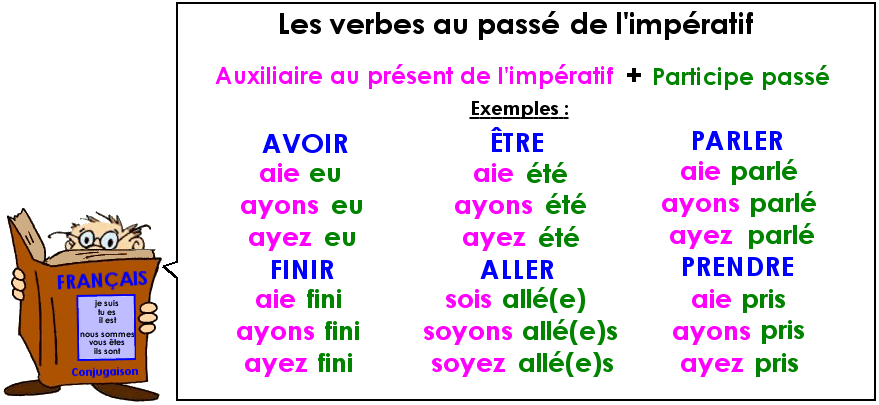
* "Être" (to be): Sois! Soyons! Soyez! (Be!) * "Avoir" (to have): Aie! Ayons! Ayez! (Have!) * "Aller" (to go): Va! Allons! Allez! (Go!) * "Prendre" (to take): Prends! Prenons! Prenez! (Take!)See the pattern? Each verb has its own unique form in the impératif, but the underlying principle is the same: direct, concise instructions.
Fun Facts and Quirky Uses
Did you know that the phrase "Faites vos jeux!" is often heard in casinos? It literally means "Make your games!" but it translates to "Place your bets!" It's a great example of how the impératif can be used in specific contexts.
Also, the phrase "Fais gaffe!" (Be careful!) is a very common and informal way to warn someone. It's a bit slangy, but it's definitely worth knowing!
Practice Makes Perfect
The best way to master the impératif of "faire" is to practice! Try creating your own sentences using "Fais," "Faisons," and "Faites." Challenge yourself to use them in different situations. The more you practice, the more natural it will become.
Here are a few prompts to get you started:
- Give a friend advice on how to improve their French.
- Suggest an activity to do with your family.
- Tell a stranger to be careful when crossing the street.
Conclusion: "Fais de Ton Mieux!"
So, there you have it! The impératif of "faire" is a powerful tool for expressing commands, suggestions, and advice in French. It's versatile, essential, and surprisingly easy to learn. "Fais de ton mieux" to master it and you'll be well on your way to becoming a French communication pro! Faisons un effort pour pratiquer régulièrement, et faites attention à toutes les opportunités d'utiliser ce que vous avez appris. À bientôt!

![Faire Conjugation In The Imparfait [+6 Examples] | Language Atlas](https://languageatlas.com/wp-content/uploads/2020/08/Faire-conjugation-in-the-imparfait-1024x449.png)