Ah, l'imparfait... This tense. Like a faded photograph, it captures a moment that used to be, a habit etched in the routines of yesteryear. Today, we’re not just dusting off grammar textbooks; we're diving into the mellifluous sound of "plier" – to fold – as it unfolds in the imparfait. Think of it as the grammatical equivalent of a comfy, well-worn sweater. Ready to get cozy?
Le Verbe "Plier" à l'Imparfait: A Grammatical Embrace
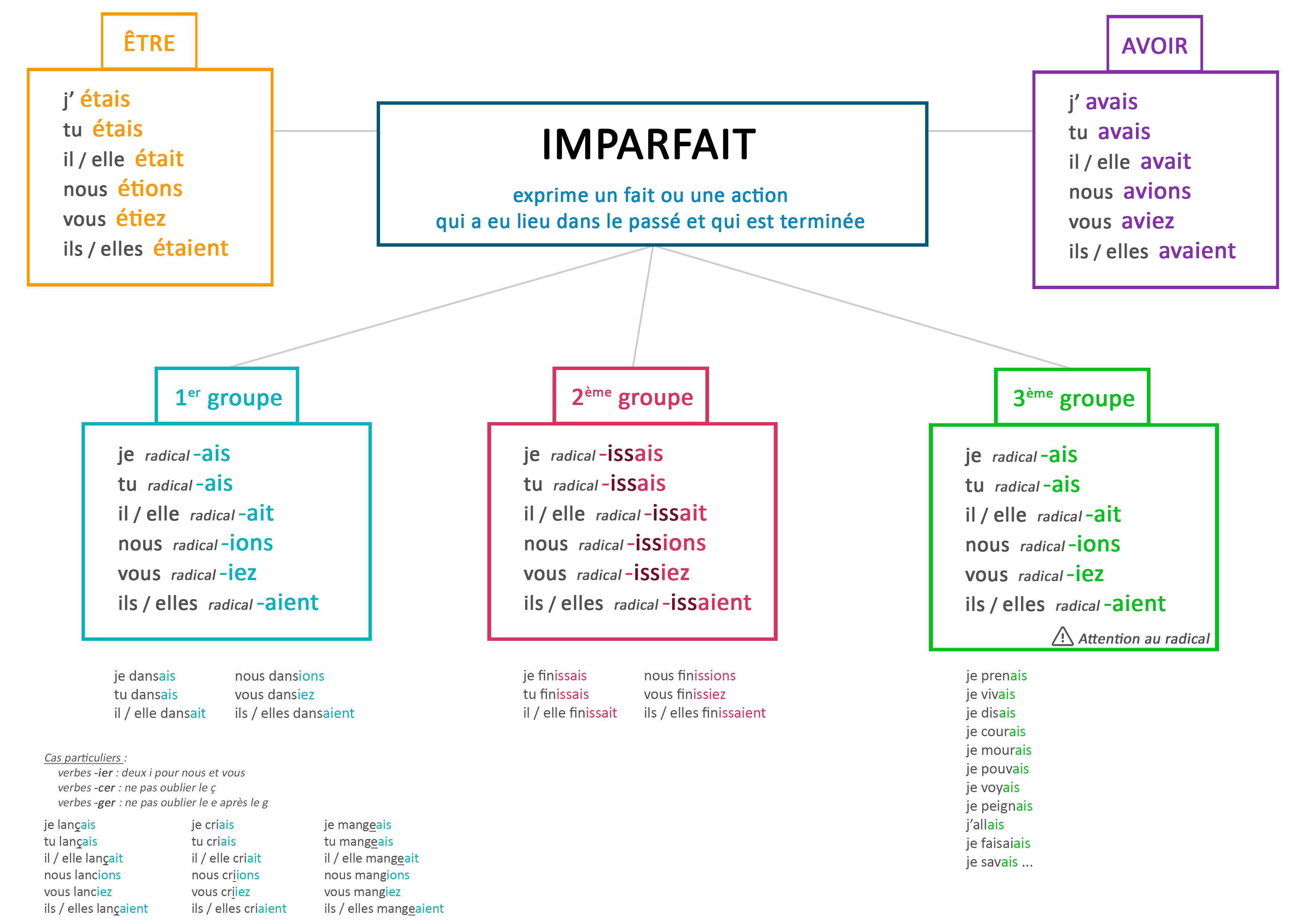
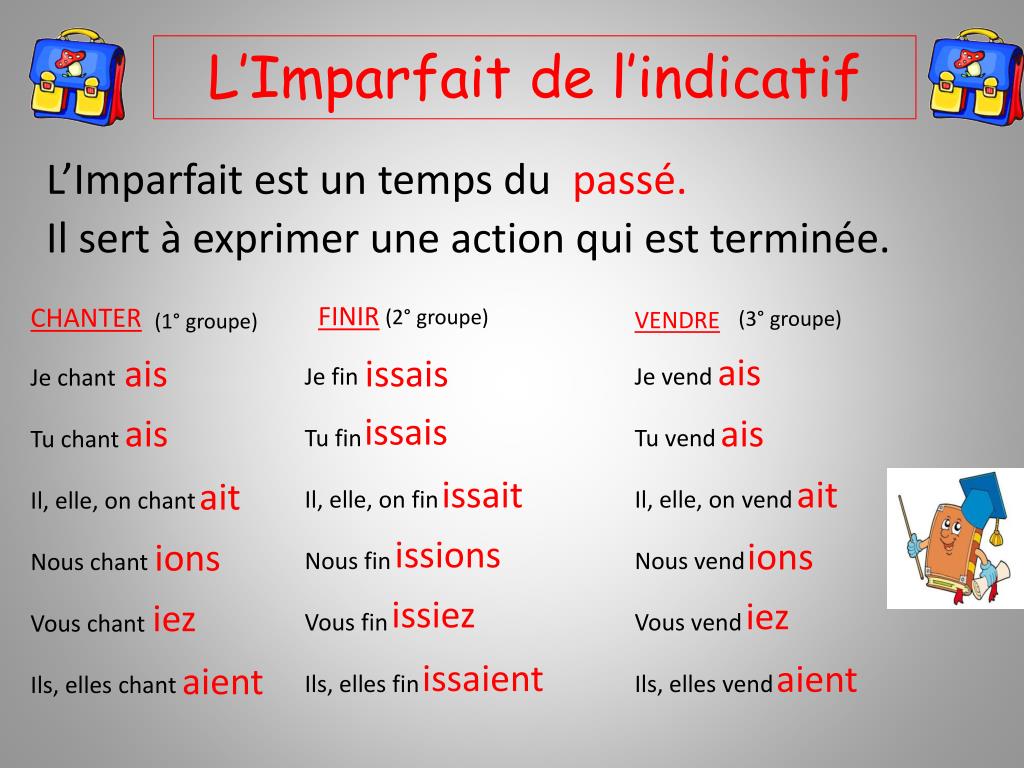
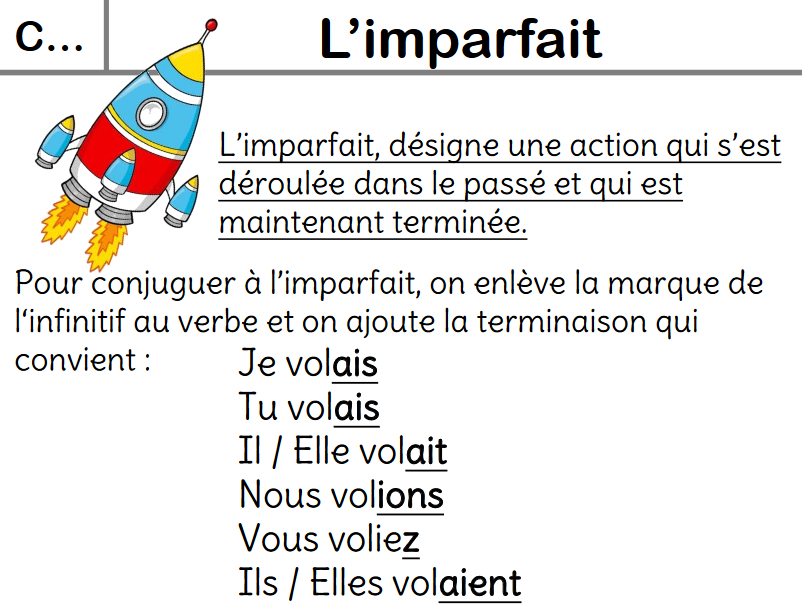
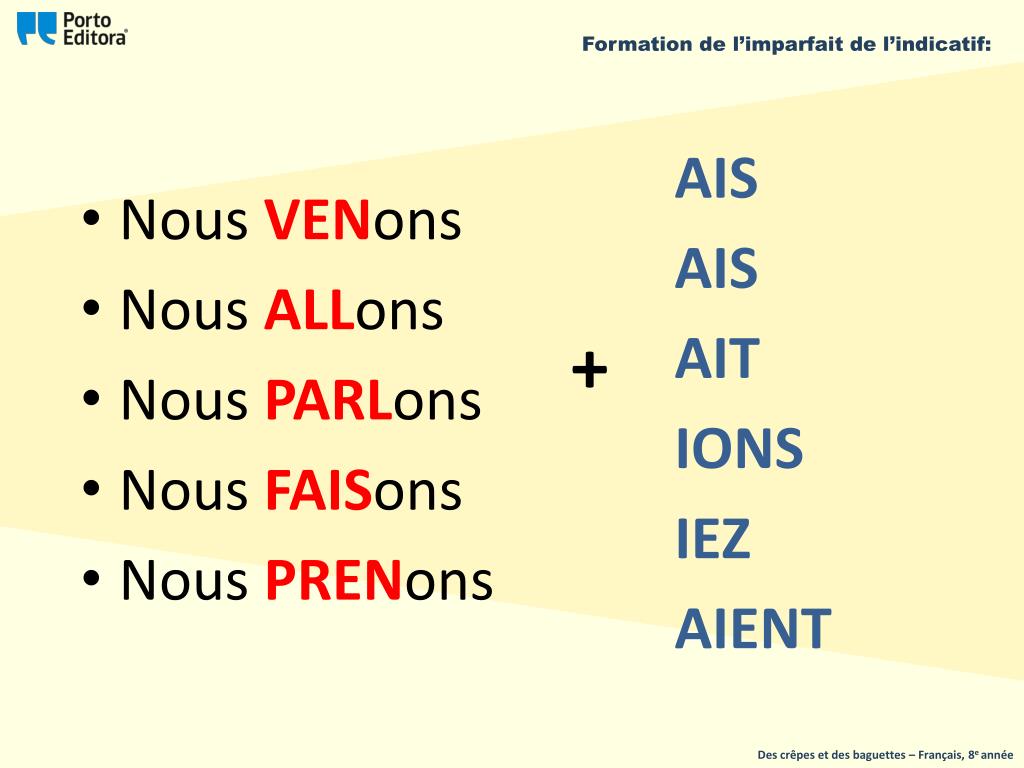
First things first, let's get the conjugation down. No need to fear, it's gentler than it sounds. Remember, the imparfait describes repeated actions, habitual occurrences, or states of being in the past. Think of it as the background music to your life story.
The Conjugation: Folding Time
Here's how "plier" conjugates in the imparfait:
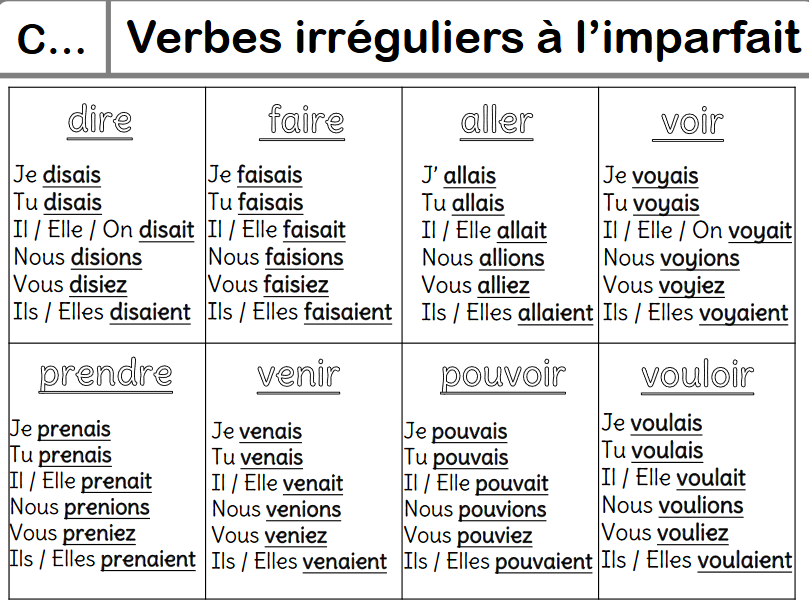
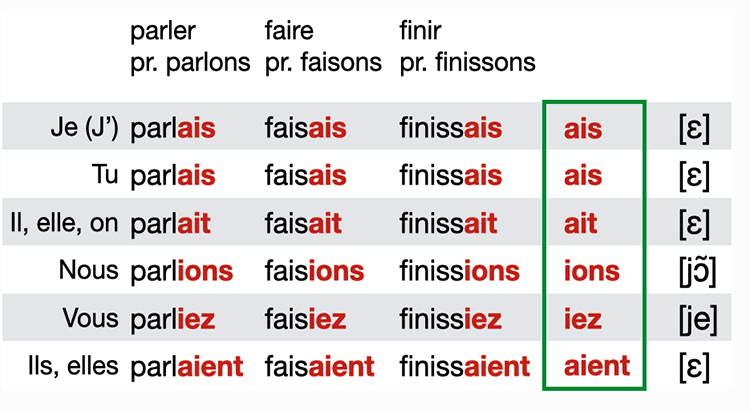
- Je pliais
- Tu pliais
- Il/Elle/On pliait
- Nous pliions
- Vous pliiez
- Ils/Elles pliaient
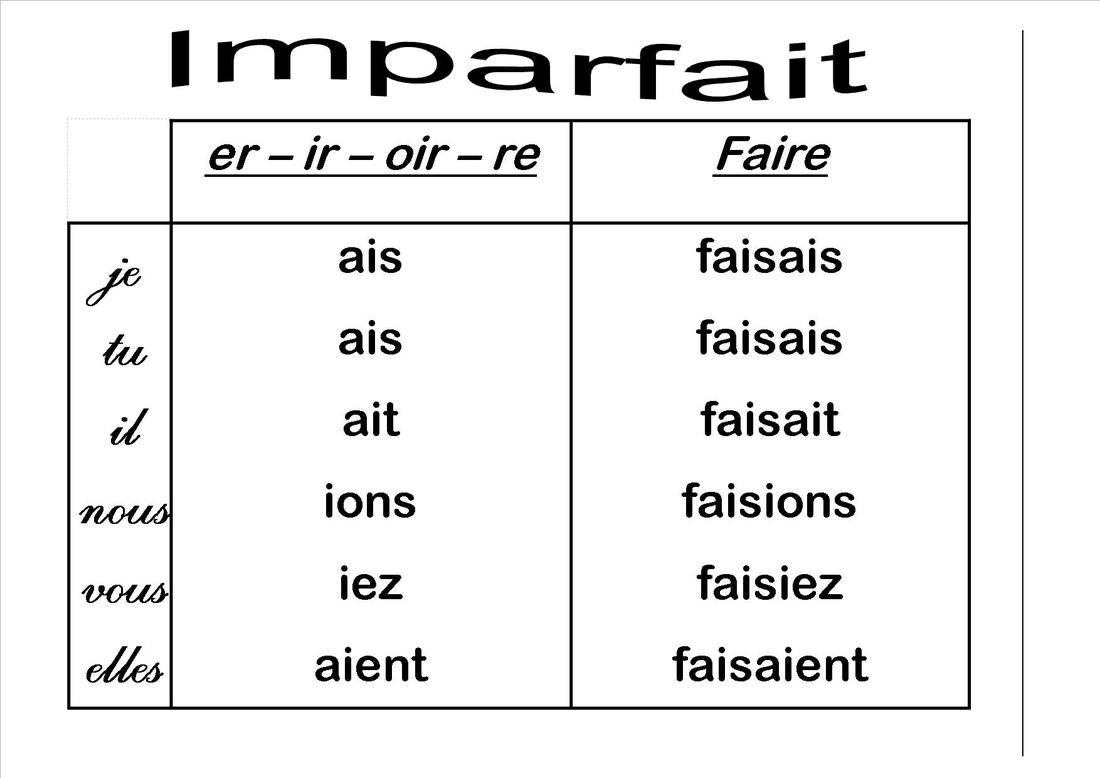
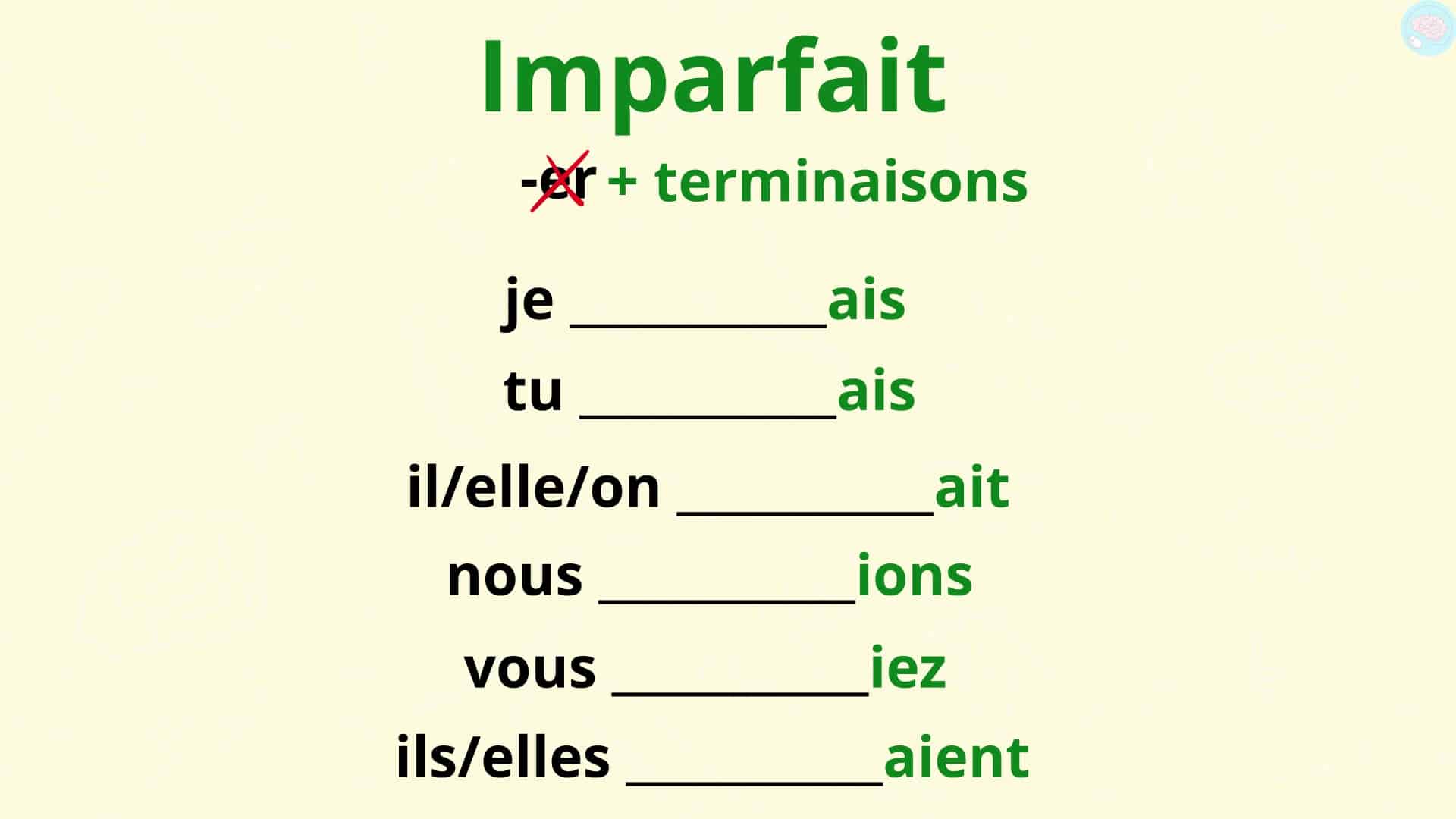
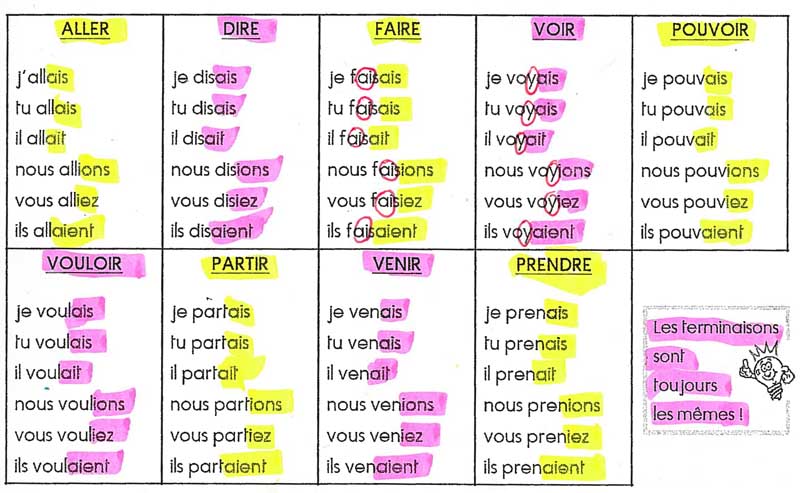
See? Not so intimidating! The key is the "-ais", "-ait", "-ions", "-iez", "-aient" endings. Once you've grasped the pattern, it's like riding a (grammatical) bicycle. You might wobble at first, but you'll soon find your balance.
Putting "Plier" into Practice: Real-Life Examples
Okay, let's move from theory to practice. How do we use "plier" in real sentences? Imagine scenes from a simpler time, captured through the lens of the imparfait.

- "Quand j'étais petit, je pliais des avions en papier et je les lançais par la fenêtre." (When I was little, I used to fold paper airplanes and throw them out the window.)
- "Chaque matin, elle pliait soigneusement ses vêtements avant d'aller à l'école." (Every morning, she would carefully fold her clothes before going to school.)
- "Nous pliions toujours nos serviettes de table en forme de cygne pour impressionner les invités." (We always used to fold our napkins into swan shapes to impress the guests.)
Notice the subtle nuances? The imparfait paints a picture of actions that happened repeatedly or habitually. It's not a single event, but a recurring theme in the past. The beauty is in the repetition, the gentle rhythm of days gone by.
Beyond the Laundry Basket: "Plier" in Figurative Speech
"Plier" isn't just about folding clothes or paper. It also carries a figurative meaning, suggesting submission, yielding, or giving in. Think of a reed bending in the wind.
- "Face à la pression, il pliait sans jamais se rompre." (Faced with the pressure, he would bend without ever breaking.) This conveys the idea that someone was resilient.
- "Elle pliait souvent aux exigences de son patron, mais elle gardait sa dignité." (She often yielded to the demands of her boss, but she kept her dignity.) This highlights a balance between compliance and self-respect.
This figurative usage adds depth and richness to the verb. It’s about understanding the subtleties of the language and appreciating its capacity for nuanced expression.
Imparfait vs. Passé Composé: When to Fold and When to Sew
One of the biggest challenges for French learners is distinguishing between the imparfait and the passé composé. The key lies in understanding the context.
The imparfait describes:
- Habitual actions in the past
- Descriptions of states of being in the past (weather, emotions, physical descriptions)
- Background information in a story
The passé composé describes:
- Completed actions in the past
- Specific events that happened at a particular time
- Actions that advanced the plot of a story
Think of it this way: the imparfait is the background, the canvas; the passé composé is the brushstroke, the detail. For example:
- "Il faisait beau (imparfait) quand soudain il a commencé à pleuvoir (passé composé)." (The weather was nice when suddenly it started to rain.)
The imparfait sets the scene (the weather was nice), while the passé composé describes a specific event (the rain started). Understanding this distinction is crucial for mastering French verb tenses.
Cultural Connections: Folding Traditions
The act of folding is deeply ingrained in many cultures. Think of origami in Japan, the meticulous art of folding paper into intricate shapes. Or the way certain cultures fold linens as part of their traditions. These actions aren't just practical; they’re imbued with meaning and symbolism.
In France, even something as simple as folding a napkin at the table can be seen as a small act of elegance. It's about paying attention to detail and creating a sense of order and refinement.
Tips for Mastering "Plier" à l'Imparfait
- Practice, practice, practice! The more you use the imparfait, the more natural it will become. Write sentences, tell stories, imagine past scenarios.
- Read French literature and watch French films. Pay attention to how the imparfait is used in different contexts.
- Use flashcards or online resources to memorize the conjugations. Repetition is key!
- Don't be afraid to make mistakes! Everyone makes mistakes when learning a new language. The important thing is to learn from them.
- Find a language partner or tutor to practice with. Speaking with someone is a great way to improve your fluency and confidence.
Folding into Everyday Life
Reflecting on the imparfait of "plier," we realize it’s not just about grammar. It's a reminder of the rhythms that shape our lives – the daily routines, the repeated actions, the habits that define us. Just as we meticulously fold our clothes or carefully fold a letter, we can also strive to bring a sense of order and intention to our daily lives.
So, the next time you find yourself folding something, remember "plier" à l'imparfait. Think of the past, appreciate the present, and look forward to the future. Voilà!