Okay, so picture this: I'm in Paris, obviously, trying to look all effortlessly chic while simultaneously attempting to decipher a menu that’s entirely in French. A waiter, with the kind of withering gaze that only Parisian waiters can perfect, approaches. He says something, probably involving the daily specials. My brain short-circuits. Instead of a smooth, flowing response, all I manage is a mumbled, “Je… je… regardais le menu.” I was looking at the menu. Past tense. Imperfect tense, to be precise. The menu, I might add, I'd been staring at blankly for a solid five minutes. The waiter, unimpressed, sighs dramatically. The story ends with me ordering a croque monsieur (safe choice!) and vowing to finally, finally, master the imparfait.
Sound familiar? We've all been there, haven't we? Stumbling over verb conjugations, especially those pesky past tenses. But fear not, mes amis! Today, we're diving into the lovely, and sometimes confusing, world of the verbe "regarder" à l'imparfait. And trust me, it's less daunting than ordering in a fancy Parisian restaurant. Promise!
What Exactly Is the Imparfait?
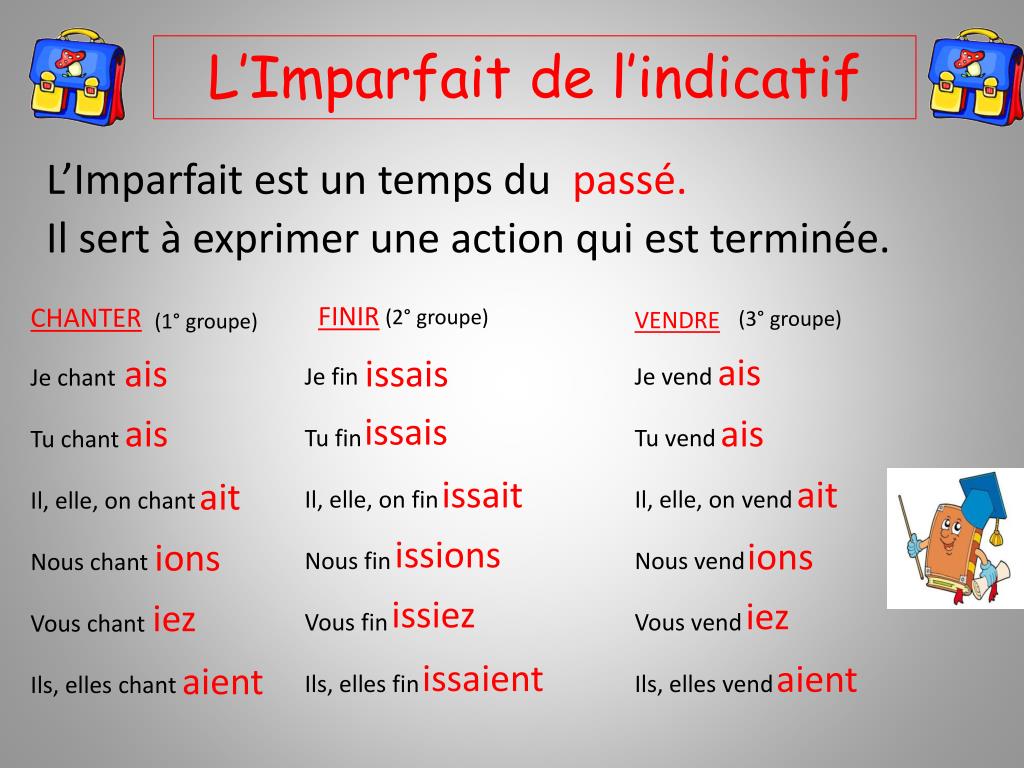
Think of the imparfait as the "once upon a time" of French verb tenses. It describes actions that were ongoing, habitual, or descriptive in the past. It’s not about a specific event with a clear beginning and end, like the passé composé (that’s a story for another day!). Instead, it paints a picture of what used to be.
It's the tense you use when you want to talk about what you used to do, what was happening, or what things were like. It's all about the ambiance, the context, the feeling of the past.
Fun fact: The imparfait is often used alongside the passé composé to provide background information. Imagine setting the scene for a story: "Il pleuvait (it was raining) quand je l'ai vu (I saw him)." The rain sets the stage; seeing him is the specific event.
Conjugating "Regarder" à L'Imparfait: Let's Get to It!
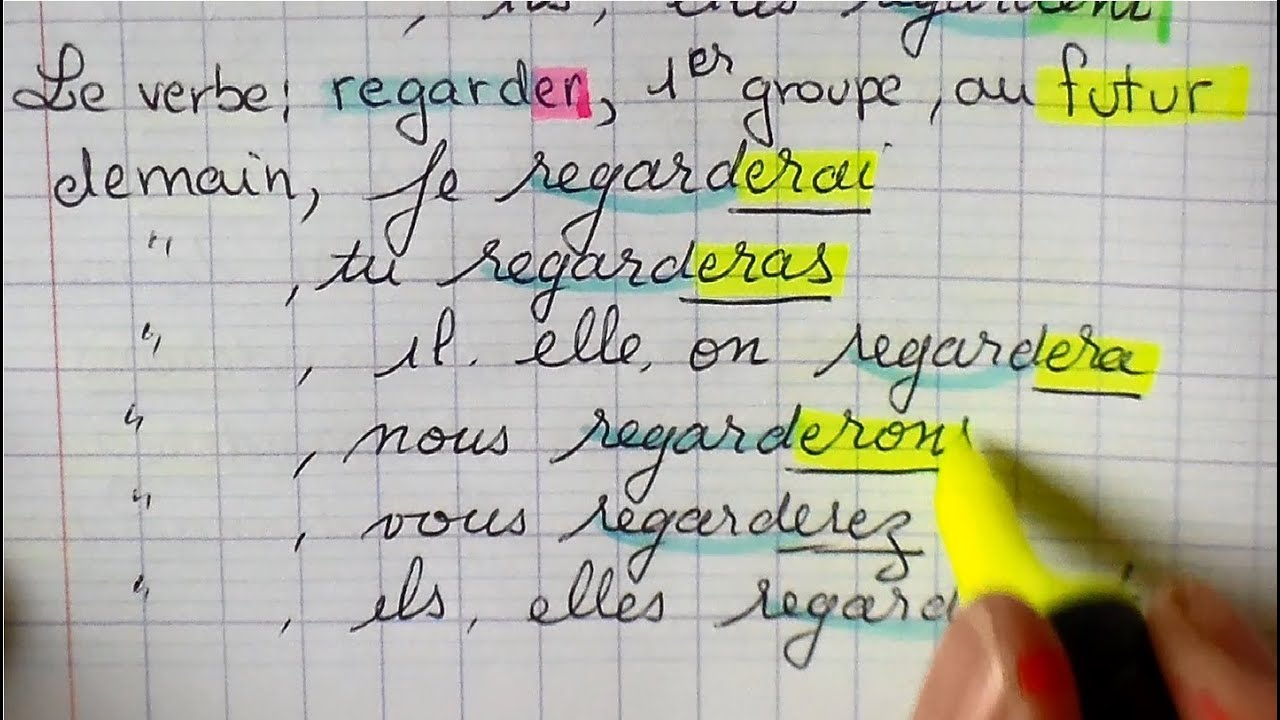
Okay, time for the nitty-gritty. Here’s how you conjugate "regarder" (to look at/watch) in the imparfait:
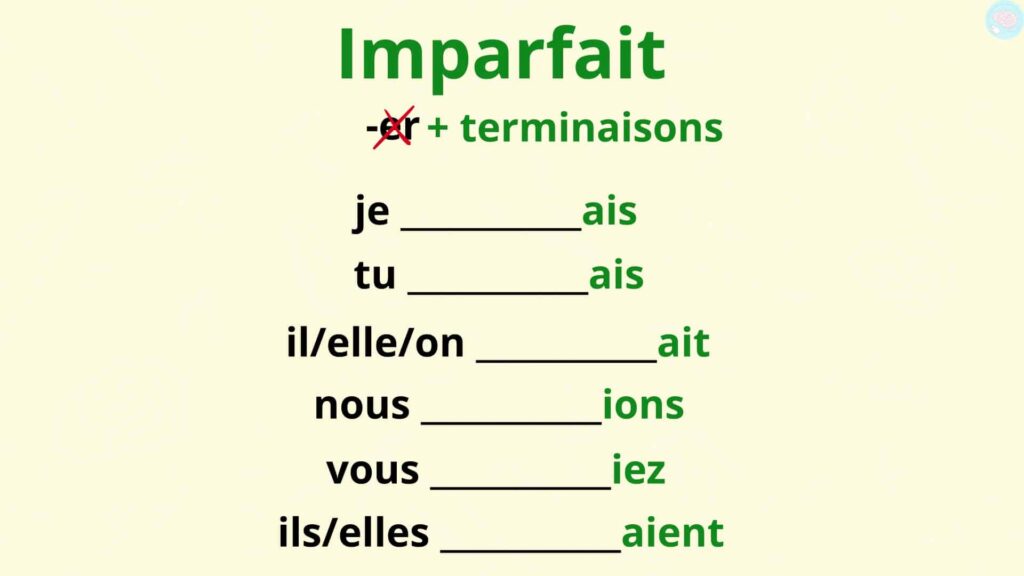
- Je regardais (I was looking at / I used to look at)
- Tu regardais (You were looking at / You used to look at)
- Il/Elle/On regardait (He/She/One was looking at / He/She/One used to look at)
- Nous regardions (We were looking at / We used to look at)
- Vous regardiez (You were looking at / You used to look at)
- Ils/Elles regardaient (They were looking at / They used to look at)
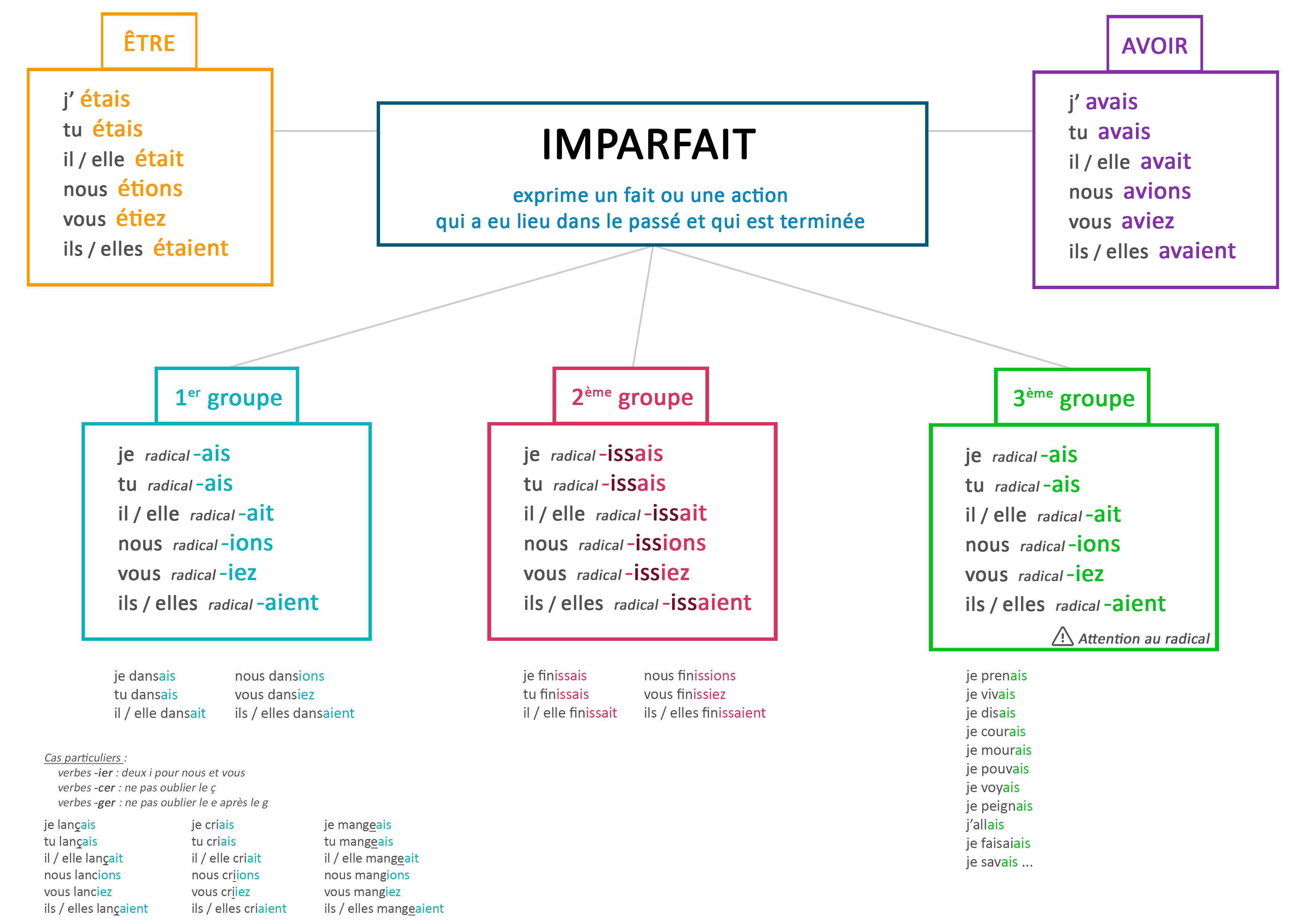
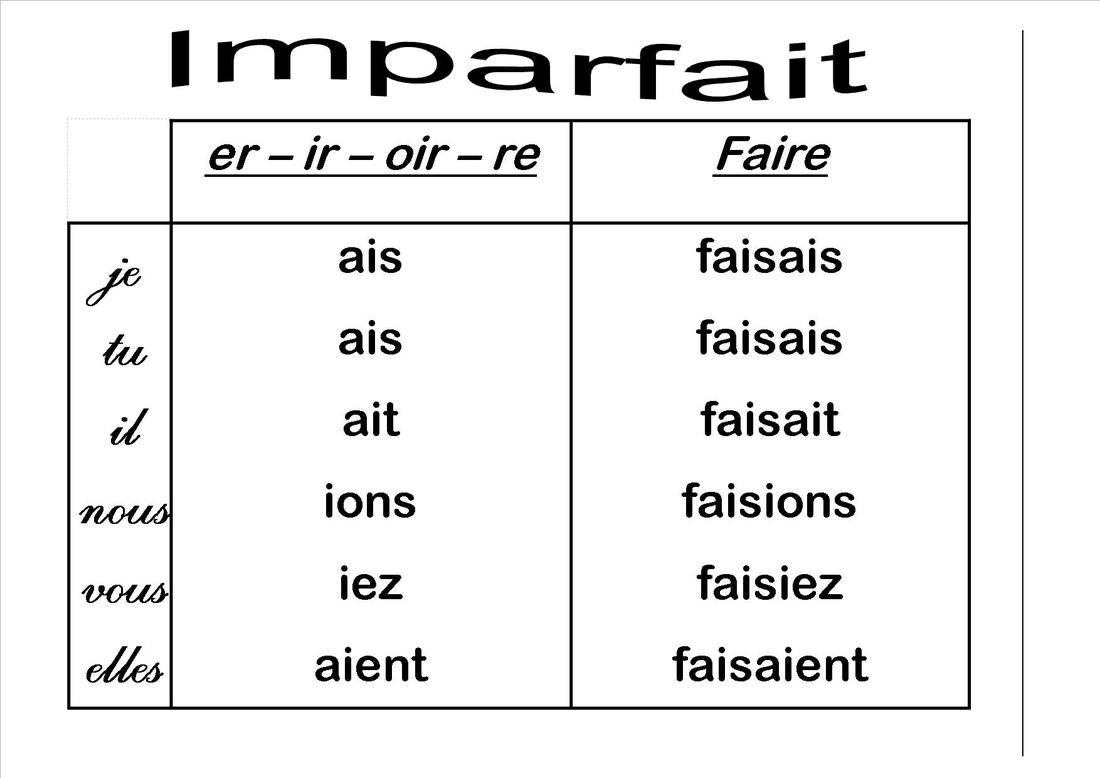
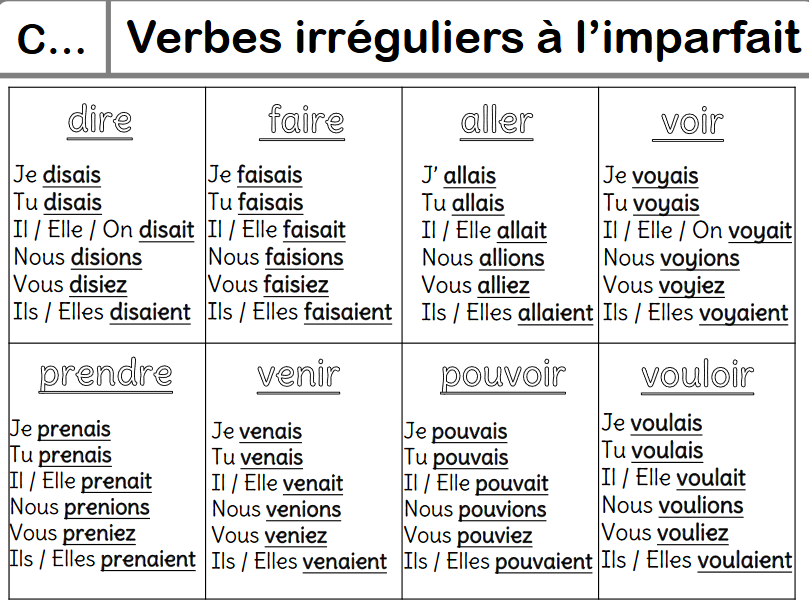
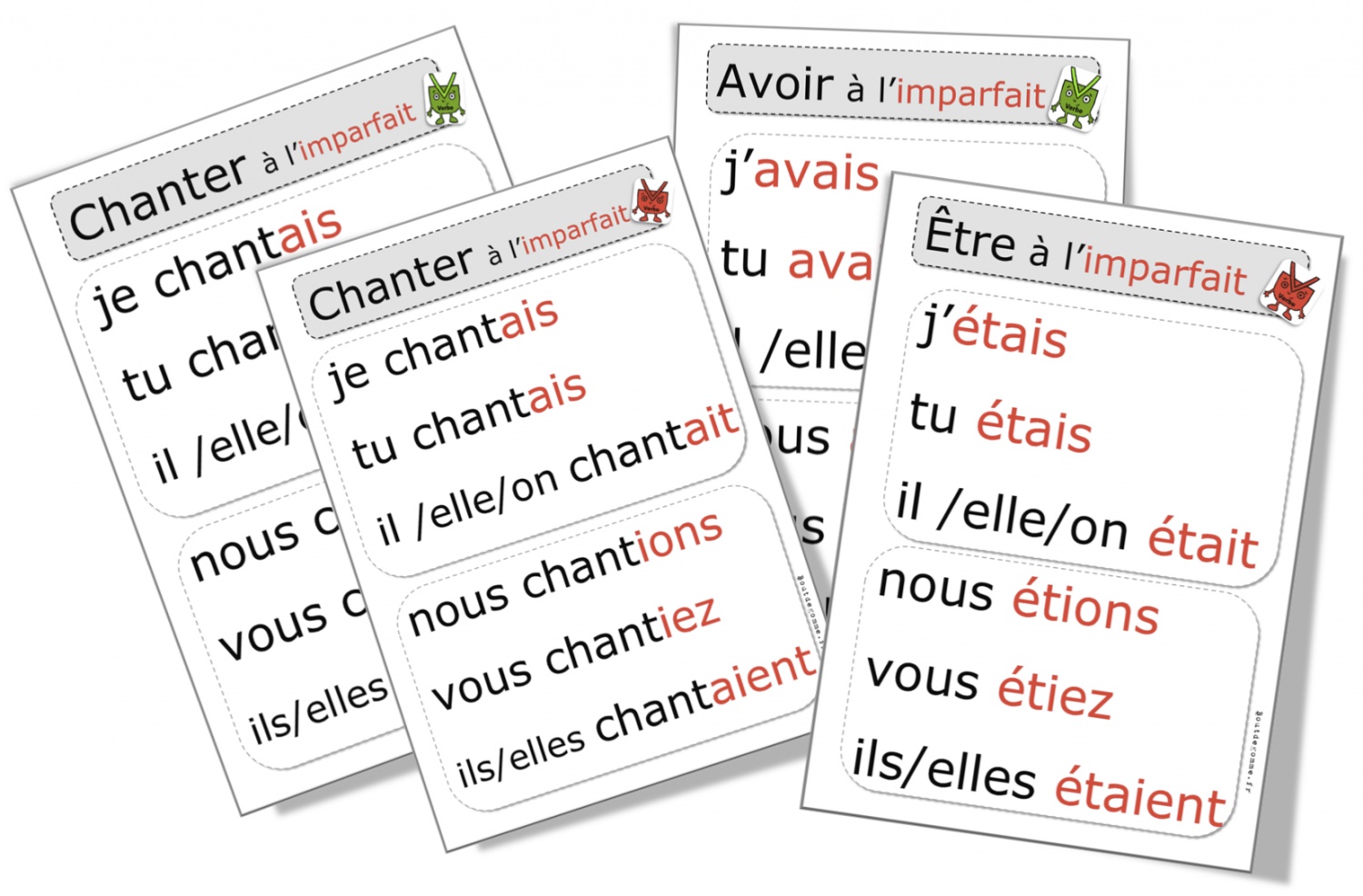
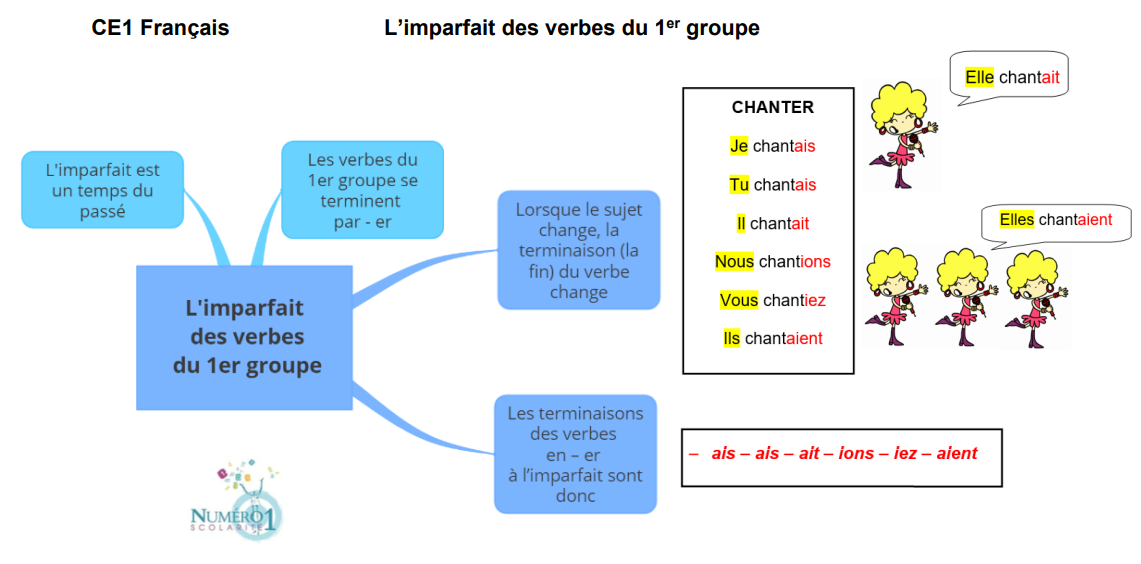
Notice a pattern? Most regular verbs in the imparfait follow a similar formula. You take the nous form of the verb in the present tense (for "regarder," that's "nous regardons"), drop the "-ons," and add the imparfait endings: -ais, -ais, -ait, -ions, -iez, -aient.

Side note: The "nous" and "vous" forms are easily confused at first. Pay extra attention to the "i" before the endings. "Nous regardions" vs. "Vous regardiez." Got it?
When to Use "Regarder" à L'imparfait: Practical Examples
Now that we know how to conjugate it, let’s explore when to use "regarder" in the imparfait.
- Describing a past state or condition:
“Quand j’étais enfant, je regardais toujours les étoiles.” (When I was a child, I always used to look at the stars.) This describes a habitual action in the past.
“Elle regardait le paysage avec tristesse.” (She was looking at the landscape with sadness.) This describes her state while looking.
- Describing habitual actions in the past:
“Tous les soirs, nous regardions un film ensemble.” (Every evening, we used to watch a movie together.) This highlights a recurring activity.

Verbe Regarder/ French verb conjugation for regarder regarder verb in “Il regardait souvent par la fenêtre, rêvant de voyages.” (He often looked out the window, dreaming of travels.) Notice the word "souvent" (often), indicating a habit.
- Describing what was happening when something else occurred:
“Je regardais la télévision quand le téléphone a sonné.” (I was watching television when the telephone rang.) The imparfait sets the scene, while the passé composé marks the interrupting action.
“Pendant qu’elle regardait son téléphone, elle a trébuché.” (While she was looking at her phone, she tripped.) Again, simultaneous actions with one interrupting the other.
- Giving descriptions in the past:
“La maison regardait vers la mer.” (The house faced the sea.) This is descriptive, almost like saying the house "was looking" at the sea, giving a sense of direction.
See how the imparfait adds nuance and context? It's not just about saying something happened; it's about setting the stage and giving a sense of what things were like at a particular moment in the past.

Common Mistakes to Avoid (and How to Fix Them!)
Everyone makes mistakes, especially when learning a new language! Here are a few common errors to watch out for when using "regarder" à l'imparfait:
- Confusing it with the passé composé: Remember, the passé composé is for completed actions, while the imparfait is for ongoing, habitual, or descriptive actions. Don't say "J'ai regardé" (I watched - finished action) when you mean "Je regardais" (I was watching/used to watch).
- Forgetting the "i" in "nous" and "vous": As mentioned before, "nous regardions" and "vous regardiez" can be tricky. Practice saying them out loud to solidify the difference.
- Using the imparfait when a specific event is being described: If you want to say "I saw the Eiffel Tower yesterday," use the passé composé: "J'ai regardé la Tour Eiffel hier." The imparfait wouldn't be appropriate here.
Pro-tip: When in doubt, ask yourself: Is this action completed, or is it describing a state, a habit, or something that was ongoing? That’s your key to choosing between the passé composé and the imparfait.
Practice Makes Perfect (or at Least Progress!)
Okay, enough theory! Let's put your newfound knowledge to the test. Try translating these sentences into French, using "regarder" à l'imparfait:
- When I was little, I used to watch cartoons every Saturday morning.
- She was looking out the window when she heard a noise.
- They used to watch the sunset from their balcony.
- We were watching a movie when the power went out.
- You (formal) were looking at me with a strange expression.
(Answers at the end, don’t peek!)
Beyond "Regarder": A Little Extra
While we've focused on "regarder," remember that the imparfait pattern applies to many other regular verbs in French. Once you've mastered the endings, you can conjugate verbs like "parler" (to speak), "manger" (to eat), "aimer" (to like), and many more! It's like unlocking a whole new level of French fluency!
Seriously, this is a game-changer. Learning the imparfait opens up so many possibilities for expressing yourself in the past. You can describe your childhood memories, recount old stories, and paint vivid pictures with your words.
Conclusion: "Regarder" à L'imparfait - You've Got This!
So, there you have it! The verbe "regarder" à l'imparfait, demystified! It might seem a little complicated at first, but with practice and a little bit of patience, you'll be conjugating it like a pro. And who knows, maybe next time I'm in Paris, I'll be able to order from the menu with confidence, without resorting to panicked "Je regardais…" moments.
Keep practicing, keep exploring, and keep having fun with the French language. Bonne chance! And remember, even if you stumble, just keep looking... regardez! (But in the present this time, eh?) 😉
Answers to the practice questions:
- Quand j’étais petit(e), je regardais des dessins animés tous les samedis matin.
- Elle regardait par la fenêtre quand elle a entendu un bruit.
- Ils/Elles regardaient le coucher de soleil depuis leur balcon.
- Nous regardions un film quand le courant a été coupé.
- Vous regardiez moi avec une expression bizarre.