Salut, mes amis! Let's dive into something fundamental to French conversation: the verb savoir in the present indicative. Think of it as unlocking another level in your French speaking abilities. It’s not about grand pronouncements or philosophical treatises, but about the everyday, the practical, and even the delightful little moments where knowing something makes all the difference.
What Does "Savoir" Really Mean?
Savoir translates to "to know" in English, but with a specific nuance. It’s about knowing facts, information, or how to do something. Think of it as the "know-how" or "know-that" kind of knowing. Unlike connaître (another French verb for "to know," which deals with familiarity), savoir is about possessing concrete knowledge. For instance, you savez que Paris est la capitale de la France (you know that Paris is the capital of France), but you connaissez Paris (you are familiar with Paris).
Conjugation Crash Course: Savoir au Présent
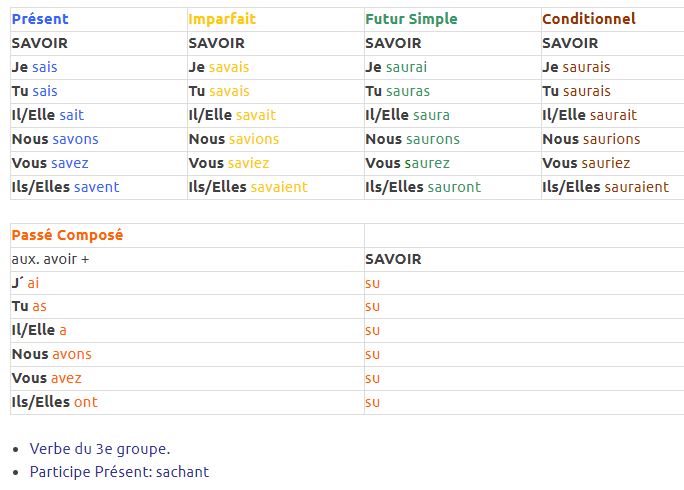
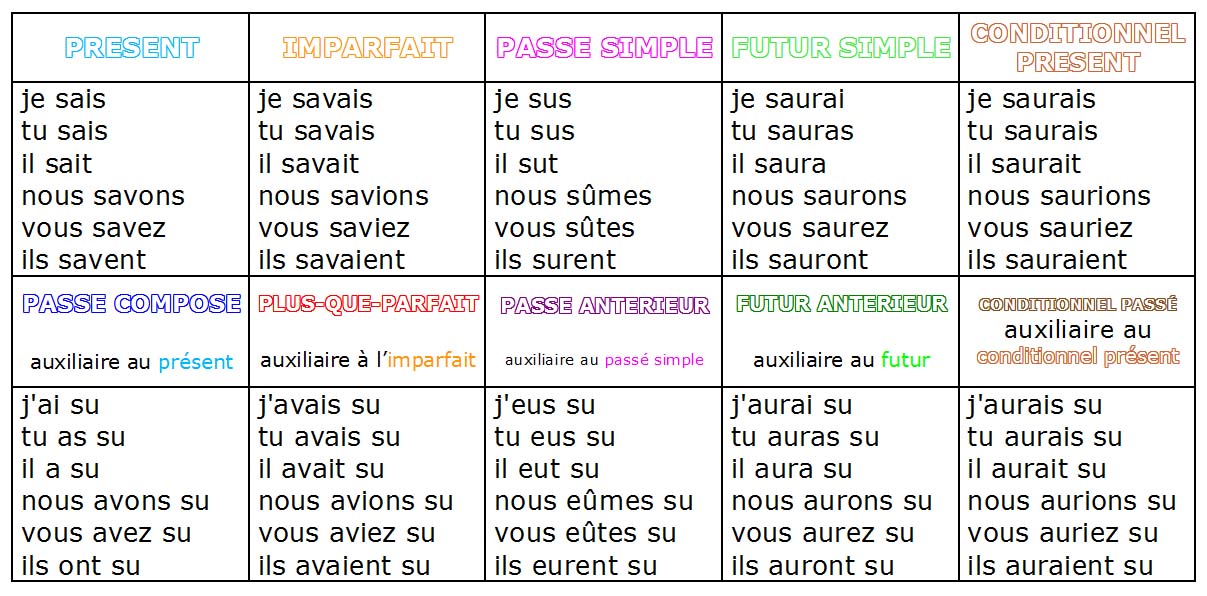
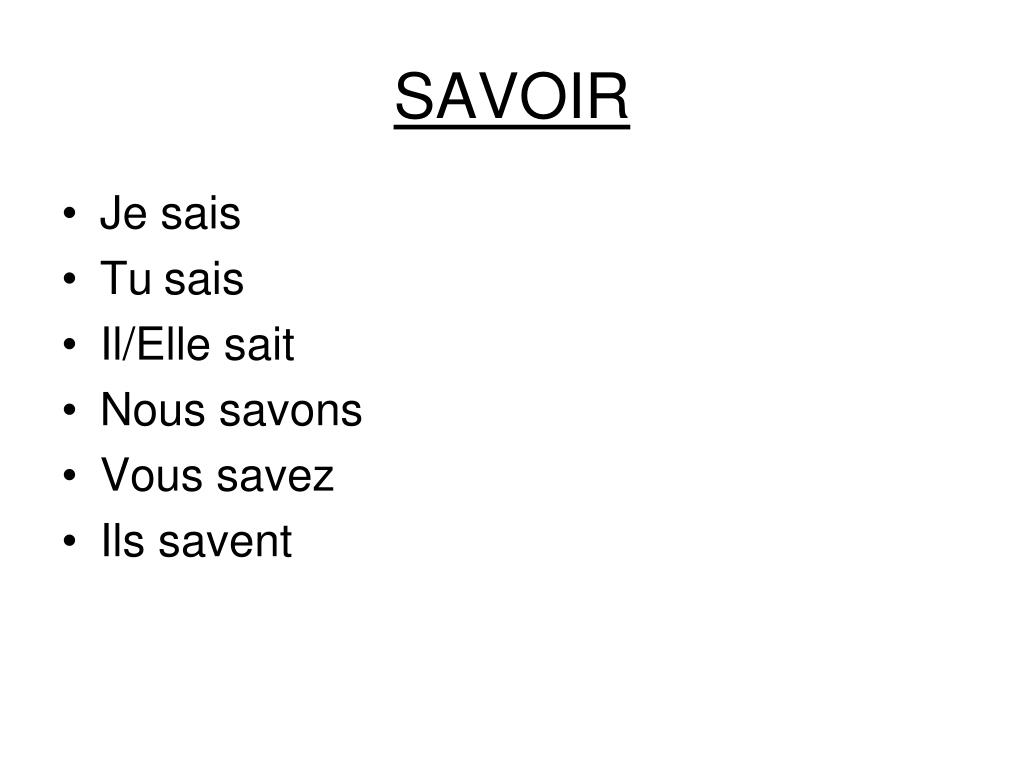
Alright, let's get down to the nitty-gritty. Here’s how savoir is conjugated in the present indicative:
- Je sais (I know)
- Tu sais (You know - informal)
- Il/Elle/On sait (He/She/One knows)
- Nous savons (We know)
- Vous savez (You know - formal/plural)
- Ils/Elles savent (They know)
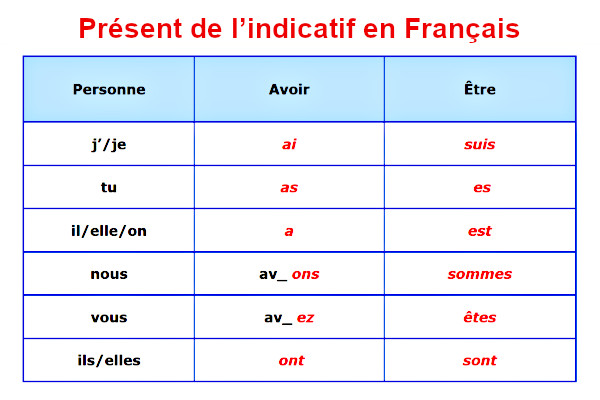
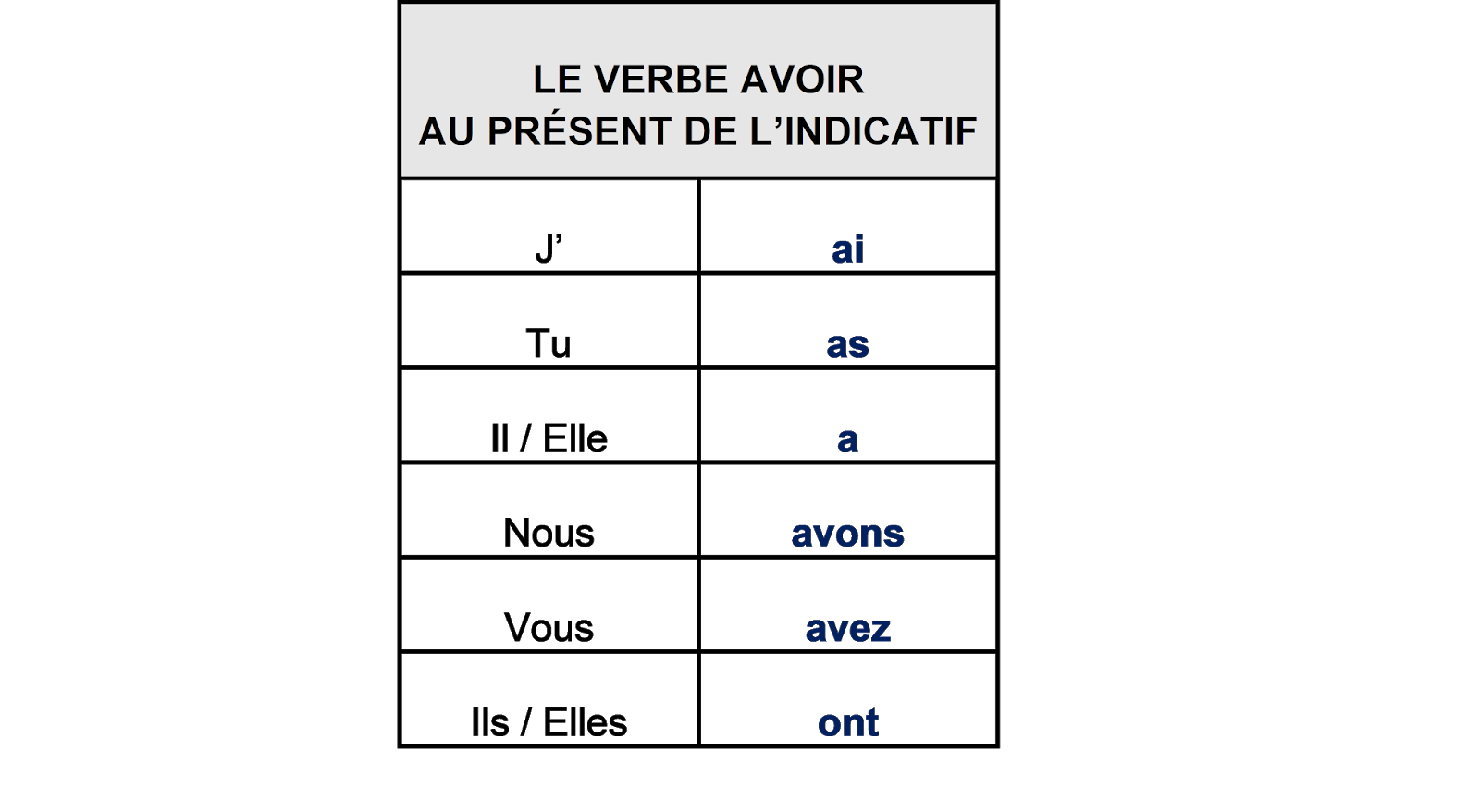
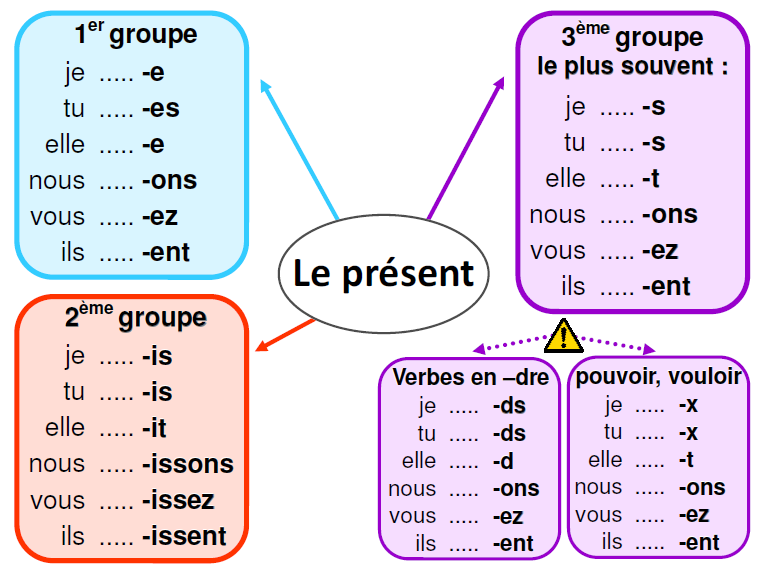
Notice anything interesting? It's an irregular verb, so it doesn't quite follow the normal -er, -ir, or -re verb ending patterns. That’s why it’s worth memorizing. Trust me, it'll become second nature soon enough.
Savoir in Action: Real-Life Examples
Okay, let's put this verb to work! Here are a few practical examples:

- Je sais faire du vélo. (I know how to ride a bike.)
- Tu sais où est la boulangerie? (Do you know where the bakery is?)
- Elle sait parler français. (She knows how to speak French.)
- Nous savons que c'est important. (We know that it is important.)
- Vous savez l'heure? (Do you know the time?)
- Ils savent la vérité. (They know the truth.)
See how versatile it is? From knowing a skill to knowing information, savoir is a workhorse of the French language.
Tips and Tricks for Mastering Savoir
Want to really cement savoir into your brain? Here are a few ideas:
- Flashcards: Old-school, but effective. Write the conjugation on one side and the English translation on the other.
- Sentence Building: Create your own sentences using savoir in different contexts. The more you practice, the better!
- Immersion: Watch French movies or TV shows and pay attention to how savoir is used. (Bonus points if you actively listen for it!)
- Think in French: Challenge yourself to think about things you savoir in French. For example, "Je sais que le ciel est bleu." (I know that the sky is blue.)
- Use it! Don’t be afraid to use it in conversation. Even if you make mistakes, that’s how you learn.
Cultural Connection: Je Ne Sais Quoi
You've probably heard the expression "je ne sais quoi." It literally translates to "I don't know what." However, it's often used to describe an intangible quality, something that makes a person or thing particularly attractive or appealing, but difficult to define. Think of that effortless chicness that some French women seem to possess – that’s often described as je ne sais quoi. It highlights the beauty and mystery that exists even in what we don't know.
A Final Thought: Knowledge is Power (and Chic)
Mastering savoir, even in its present tense form, opens up a whole new world of communication. It's not just about knowing facts, but about connecting with people, expressing yourself, and navigating the world around you with confidence. So, embrace the power of savoir, and don’t be afraid to use it! And remember, even if you don’t savoir everything, the journey of learning is just as important – and infinitely rewarding. Maintenant, à vous de jouer! (Now it’s your turn!)