Okay, imagine this. You're in a theater. It's dark. Then, BAM! A play starts. But not just any play. This one… it feels wrong. Characters are saying the quiet parts out loud. They're being deliberately offensive. You squirm. You laugh nervously. You wonder if you should leave. That, my friends, is a taste of what it's like to experience Les Paravents (The Screens) by Jean Genet.
And trust me, that squirming feeling? It's exactly what Genet wanted. But before diving deeper, let's address the elephant in the room, or should I say, the screen in the room?
What Are "Les Paravents" Anyway?
The title, Les Paravents, translates to "The Screens." Think of them as both literal and metaphorical screens. Literal screens on stage, plain painted flats that are moved around to suggest different locations, different realities, even different levels of existence (heaven, hell… you name it). But more importantly, they are screens of illusion, delusion, and hypocrisy. Screens behind which people hide their true selves, their true motives, their ugliness.
Genet uses these screens to rip apart the accepted narratives, especially concerning colonialism and war. He forces us to confront the uncomfortable truths we'd rather keep hidden. (Yeah, it's not exactly feel-good theater.)
Consider these elements within the play:
- Algeria under French rule: The play is set during the Algerian War of Independence. It's a brutal depiction of the conflict, showing the violence and exploitation on both sides.
- Saïd: Our main character, Saïd, is a poor Algerian who is considered a failure by almost everyone. He becomes a symbol of the colonized, caught between two worlds and rejected by both.
- Colonialism’s Harsh Reality: Genet doesn't sugarcoat the brutality and injustice inflicted by the French colonizers. He exposes their racism, their greed, and their moral bankruptcy.
- Collaboration and Betrayal: He also shows the complexities of the situation, including the Algerians who collaborated with the French for their own gain. No one escapes unscathed.
Basically, Genet's using the play to hold up a mirror to society, and what reflects back isn't pretty.

Why Was It So Controversial? (Spoiler: Everything!)
Okay, picture this: it's 1966. France is still reeling from the Algerian War, which officially ended only four years prior. Wounds are still fresh. And then Les Paravents premieres at the Théâtre de l'Odéon in Paris. Chaos ensues.
Why? Oh, let me count the ways:
- Offensive Stereotypes: Genet deliberately employs stereotypes, but not to reinforce them. Instead, he exaggerates them to the point of absurdity, exposing the ridiculousness and inherent prejudice within those stereotypes. This offended a lot of people, understandably. (But that's the point, right? To make you think, to make you uncomfortable.)
- Mockery of National Pride: The play relentlessly satirizes French nationalism, the military, and even the idea of heroism. It basically skewers everything the French held dear. (Imagine if someone made a play that mocked all your country's sacred cows. Yeah, it would cause a stir.)
- Sympathetic Portrayal of "Enemies": Genet dared to humanize the Algerians fighting for independence, portraying them as complex individuals with their own motivations and struggles. This was seen as a betrayal by many in France, who still viewed the Algerians as the enemy.
- Graphic Violence and Sexual Content: The play contains scenes of graphic violence and sexual content, which further shocked and outraged audiences. (Genet never shied away from pushing boundaries.)
The premiere was a disaster. There were protests, walkouts, and even threats of violence. Critics were divided. Some hailed Genet as a genius, while others condemned him as a traitor. Les Paravents became a symbol of the deep divisions within French society over the legacy of colonialism.

Side note: It's worth remembering that Genet himself had a pretty colorful past. He was a thief, a vagabond, and a convicted criminal. He knew the margins of society intimately, and that perspective informed his work. He wasn't afraid to challenge authority and question the status quo. He saw hypocrisy and oppression everywhere, and he used his art to expose it.
Beyond the Controversy: What Makes It So Powerful?
So, why are we still talking about Les Paravents decades later? Because despite (or perhaps because of) its controversial nature, it's a powerful and important work of art.
Here's what makes it resonate:
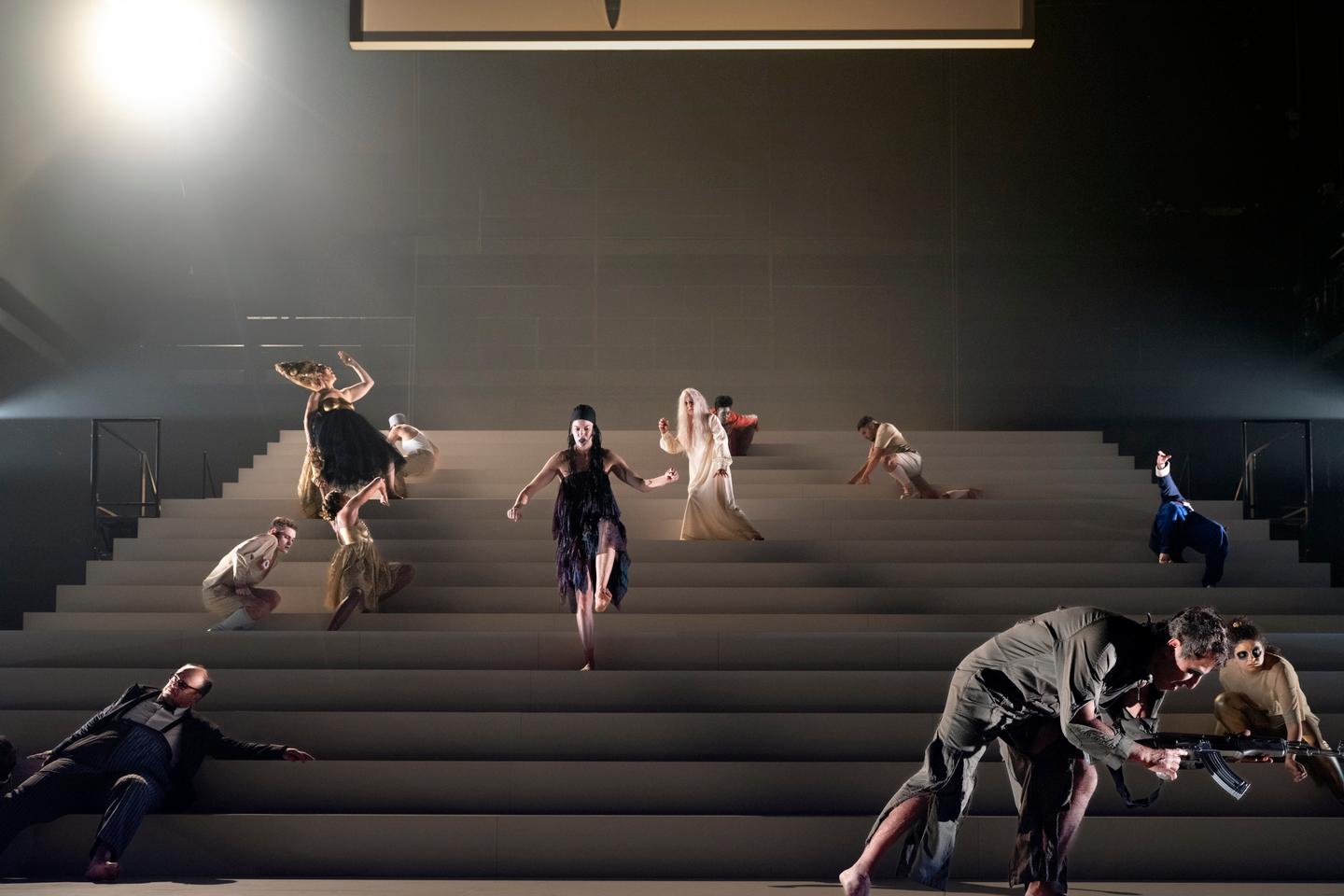
![Les Paravents [ The Screens] by Jean Genet at l’Odeon – Théâtre de l](https://damienjalet.com/wp-content/uploads/2024/06/Les-paravents-2-1024x768.jpeg)
A Deeper Look at Colonialism
Genet goes beyond the simple narrative of oppressor and oppressed. He shows the psychological damage that colonialism inflicts on both the colonizers and the colonized. He explores the complex relationships between individuals caught in the crossfire.
The Power of Language
Genet's language is both poetic and brutal. He uses it to expose the lies and distortions of power. He shows how language can be used to manipulate, to control, and to dehumanize. (Think of how politicians use language to spin narratives. Genet was all over that.)
The Theatricality of It All
Les Paravents is incredibly theatrical. It's not meant to be realistic. It's stylized, exaggerated, and often absurd. The screens themselves are a constant reminder that we are watching a performance, that we are being asked to question what we see and hear. The play uses Brechtian techniques, breaking the fourth wall and addressing the audience directly, forcing them to confront their own complicity.
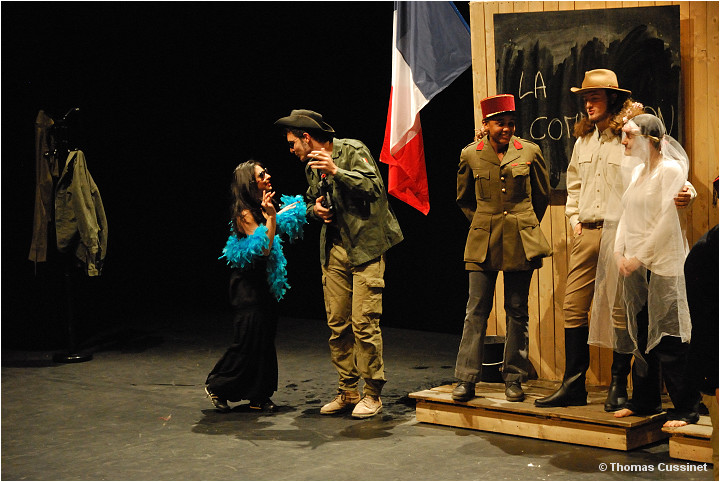
![Les Paravents [ The Screens] by Jean Genet at l’Odeon – Théâtre de l](https://damienjalet.com/wp-content/uploads/2024/06/Le-paravents-1.jpeg)
Universal Themes
While the play is set in Algeria during the Algerian War, its themes are universal. It deals with issues of power, oppression, identity, and the search for meaning in a world that often seems meaningless. It's about the human condition, in all its ugliness and beauty. (And trust me, there's a lot of ugliness.)
To sum up, Les Paravents is a challenging and disturbing play. It's not easy to watch or read. But it's also a profoundly rewarding experience. It forces us to confront uncomfortable truths about ourselves and our world. And that, ultimately, is what makes it so important.
Final Thoughts
Les Paravents isn't just a play; it's a statement. A scream. A challenge to the status quo. It's a reminder that art should make us think, question, and sometimes even squirm. It's a play that demands to be discussed, debated, and reinterpreted for generations to come.
So, if you ever get the chance to see Les Paravents (or even just read it), take it. Be prepared to be challenged. Be prepared to be offended. But most importantly, be prepared to think. Parce que, au fond, c'est ça le but, non? (Because, in the end, that's the goal, right?)