Okay, picture this: I'm at a café, eavesdropping (as one does, nudge nudge) on a conversation. Two students are debating whether the President of France can just, like, decide to dissolve the National Assembly on a whim. One says "Nah, that's crazy talk!" The other insists, "Totally! It's in the Constitution!" And me? I'm sipping my café au lait, thinking, "Guys, you're both kinda right, kinda wrong. It's complicated!" That’s the beauty (and sometimes the headache) of the pouvoirs propres of the President.
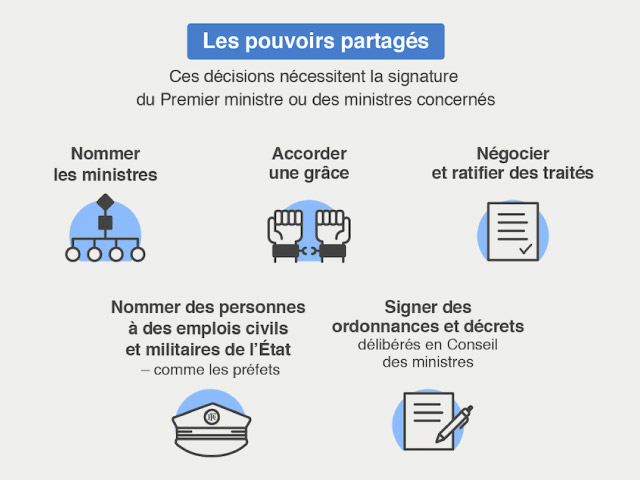
So, what are these "pouvoirs propres" anyway? Literally, it translates to "own powers" or "inherent powers." Basically, they’re powers the President can exercise without needing the Prime Minister or anyone else's signature (counter-signature). Think of them as the President's personal toolbox, reserved for specific situations deemed important enough to warrant direct presidential action. Sounds powerful, right? And it is! But there are limits, trust me.
The Core of the Matter: What are the Pouvoirs Propres?
Let's break down the heavy hitters. This is where we dive into the nitty-gritty. Don't worry, I'll keep it (relatively) painless.
Article 8: Appointing the Prime Minister
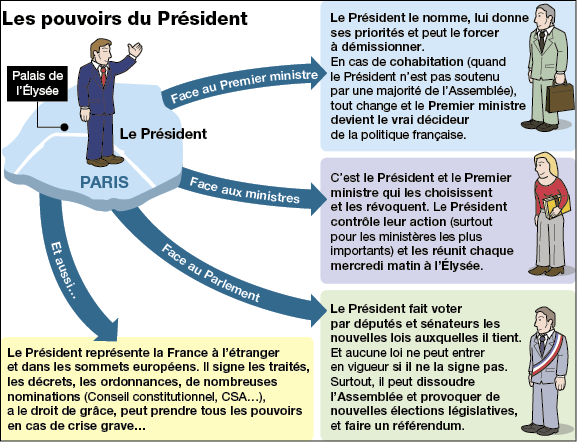
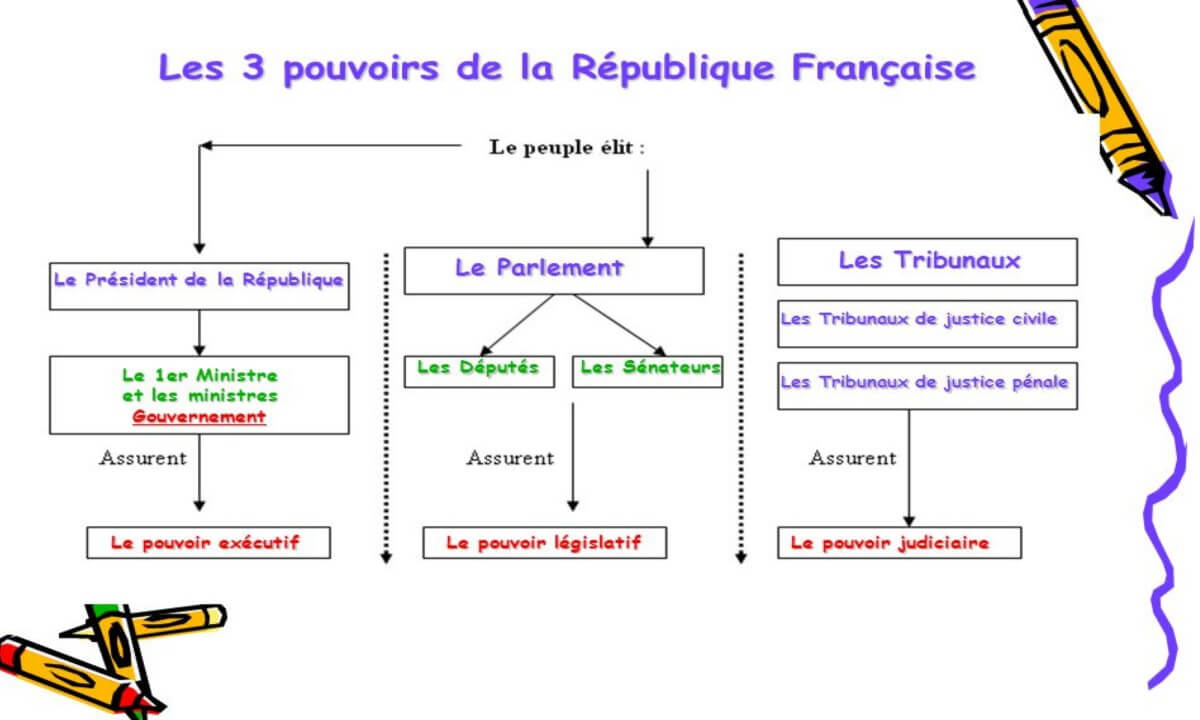
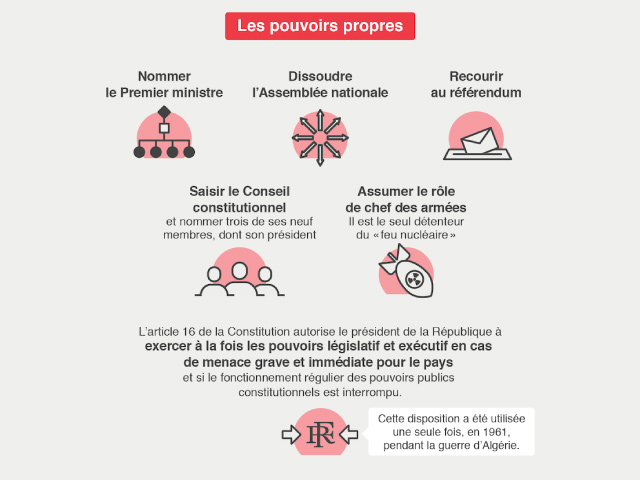
This is arguably the most well-known. The President chooses the Prime Minister. Now, here's the catch: convention (and a healthy dose of political reality) dictates that the President usually picks someone who can command a majority in the National Assembly. If the President's party holds a majority, easy peasy! They pick someone from their own side. But, and this is a big BUT, if there's a "cohabitation" (where the President and the majority in the Assembly are from opposing sides), things get spicy. The President has to choose someone acceptable to the Assembly. So, while it's technically a pouvoir propre, it's often heavily influenced by the political landscape. See? Complicated!
Article 11: Referendum on Certain Bills
The President can submit certain types of bills to a referendum (a direct vote by the people). These bills typically relate to the organization of public authorities, treaties that might affect how institutions work, or policies concerning social or economic reform. However, there are limitations. The government has to be on board, or Parliament needs to support it. It's not like the President can just launch a referendum on absolutely anything that pops into their head! Imagine the chaos! (Although, sometimes I think a bit of chaos might be…interesting…just saying! wink)

Article 12: Dissolving the National Assembly
Ah, the big one! This is what my café companions were arguing about. The President can dissolve the National Assembly and call for new elections. This is a powerful tool, often used to break a political deadlock or to seek a fresh mandate. But, there are rules. The President can't dissolve the Assembly in the year following a previous dissolution. And the President has to consult with the Prime Minister and the Presidents of both houses of Parliament (the National Assembly and the Senate) before making the decision. It's a consultation, not a veto, mind you, but it's still a check on presidential power. Also, dissolving the Assembly is a political gamble. It could backfire spectacularly if the new elections don't go the President's way!
Article 16: Emergency Powers
This is the "break glass in case of emergency" power. If the institutions of the Republic, the independence of the nation, the integrity of its territory, or the fulfillment of its international commitments are under serious and immediate threat, and the regular functioning of the constitutional authorities is interrupted, the President can take "the measures required by these circumstances." This is a HUGE power, and it's only been used once (by de Gaulle during the Algerian War). Think of it as the President becoming a temporary dictator, but with the goal of restoring normal democratic functioning. There are safeguards, of course. The Constitutional Council has to be consulted, and Parliament continues to function (unless that's physically impossible, I suppose). But still, it’s a serious power and not to be taken lightly. It’s a legal grey area some would debate as it can be seen as undemocratic.
Article 18: Communicating with Parliament
The President can address Parliament. This might seem innocuous, but it's a way for the President to set the political agenda and exert influence. It’s not just chit-chat, you know! It's about setting the tone and steering the ship of state. It’s about showing power and setting agenda for the next years to come, according to the plan.
Other Minor Powers
There are a few other, less dramatic, pouvoirs propres, like the power to submit a bill to the Constitutional Council before it becomes law to check its constitutionality. It's like a preemptive strike against unconstitutional laws! Smart, right?
Why are these Powers "Propres"?
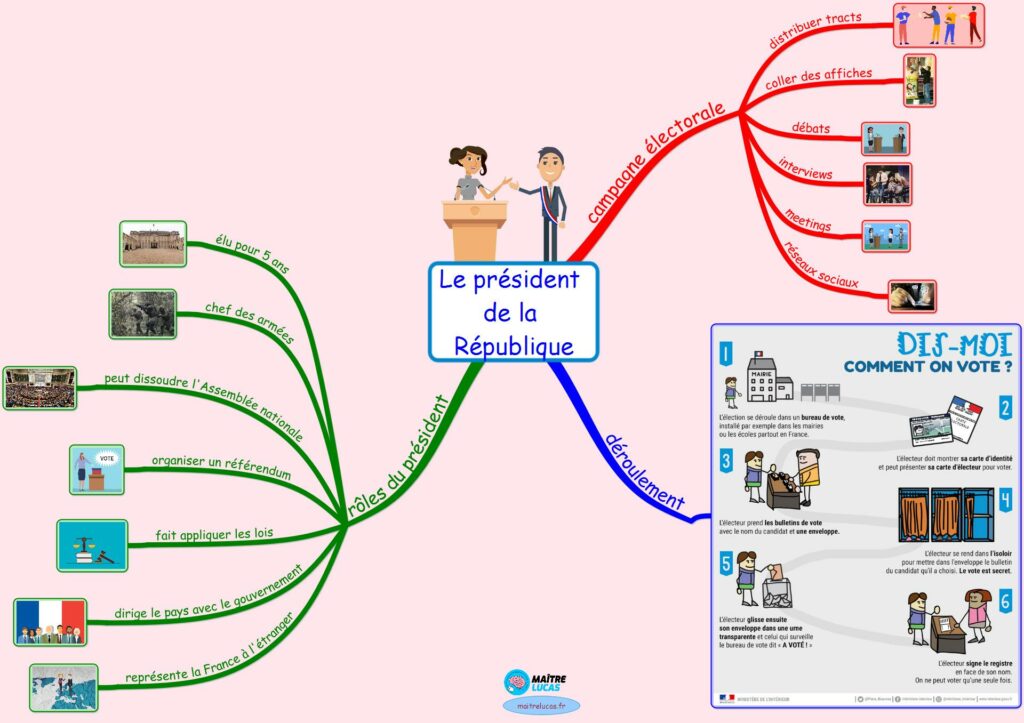
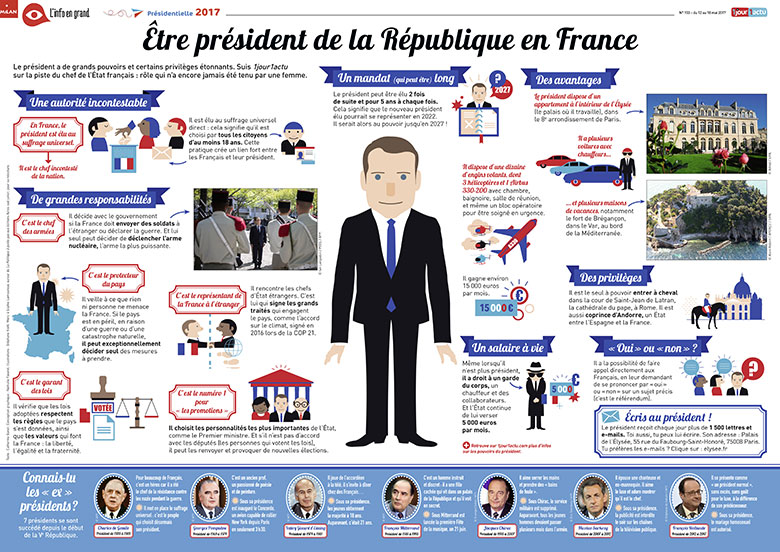
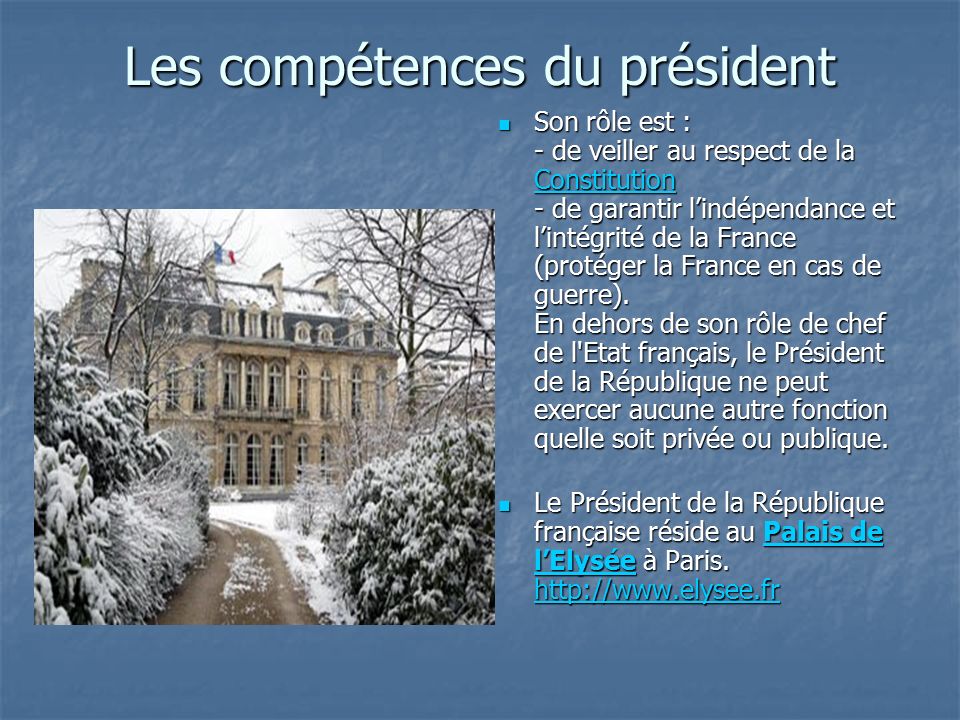
Good question! The idea behind these pouvoirs propres is to give the President the ability to act decisively in specific situations, even if the government or Parliament is divided or indecisive. The goal is to ensure the stability and continuity of the state. It’s a way to override the other political powers that may interfere to the process of acting. But, and this is a big but (again!), they’re also meant to be a check on the power of the government and Parliament. The President is supposed to be a guardian of the Constitution and the national interest, not just a figurehead.

The Debate and the Limits
The pouvoirs propres are always a topic of debate. Some argue that they give the President too much power, making the office almost monarchical. Others argue that they are essential for effective governance and that the President needs to be able to act quickly and decisively in a crisis. The truth, as always, is somewhere in between.
- Limits: It's important to remember that even the pouvoirs propres are subject to limitations. They can be challenged in court, and they are always constrained by the political context. A President who abuses these powers risks alienating the public and triggering a political crisis.
- Checks and Balances: The French system of government is designed to have checks and balances. The pouvoirs propres are one part of that system, but they are not the whole story. Parliament, the Constitutional Council, and the public all play a role in holding the President accountable.
Pouvoirs Propres: A Balancing Act
Ultimately, the pouvoirs propres of the President of the Republic are a complex and fascinating aspect of French constitutional law. They reflect the tension between the need for strong leadership and the importance of democratic accountability. They are a tool to be used wisely, not abused. And they are a constant source of debate and discussion. As I said, complicated! But hopefully, a little less mysterious now. So next time you're at a café and you hear someone debating the President's powers, you can jump in and impress them with your newfound knowledge! And maybe buy me a café au lait while you're at it? wink wink
They are a balancing act that requires understanding the French’s historical roots, and also, the way they see their own President. It's a symbol for the whole nation.