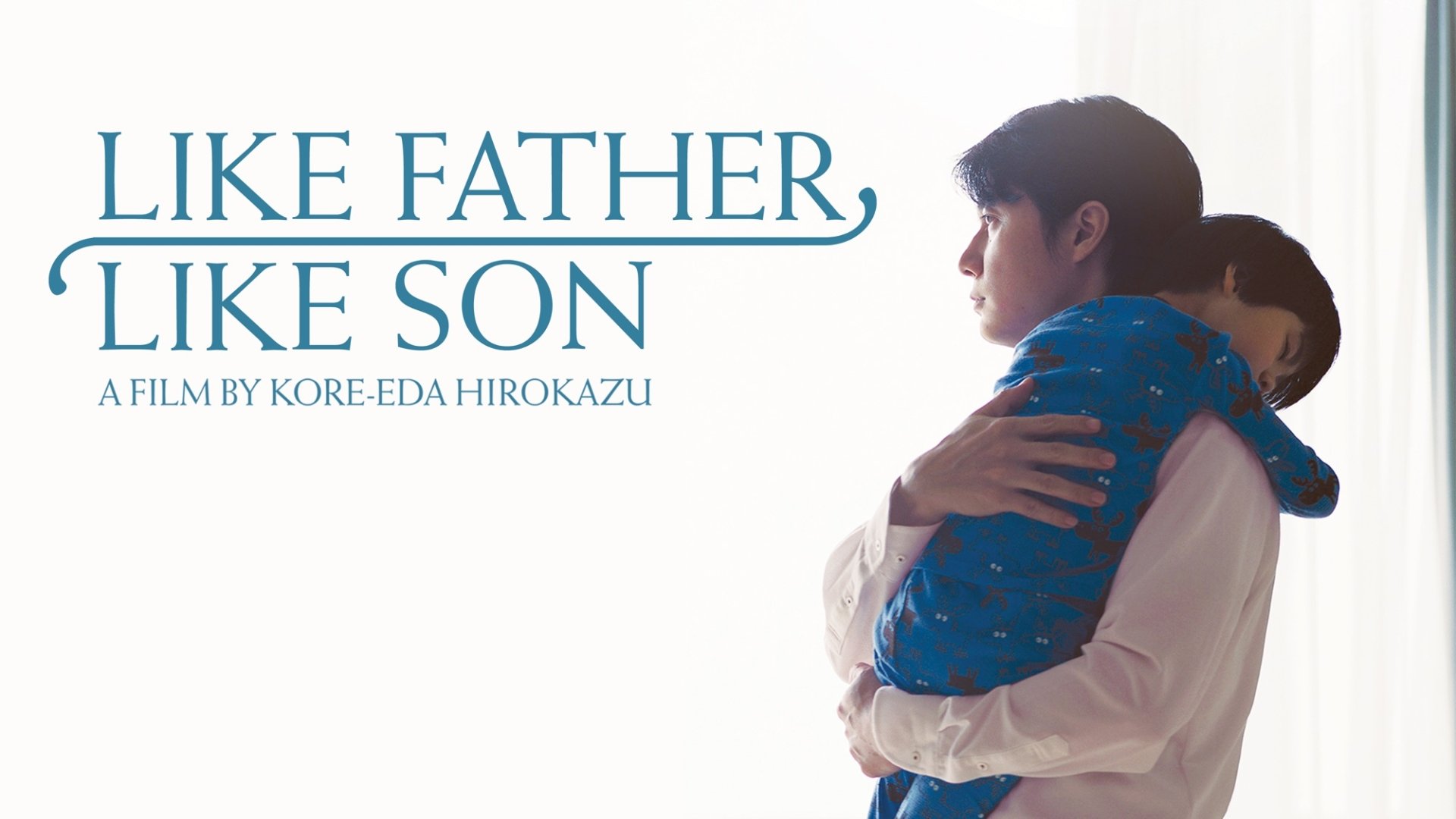
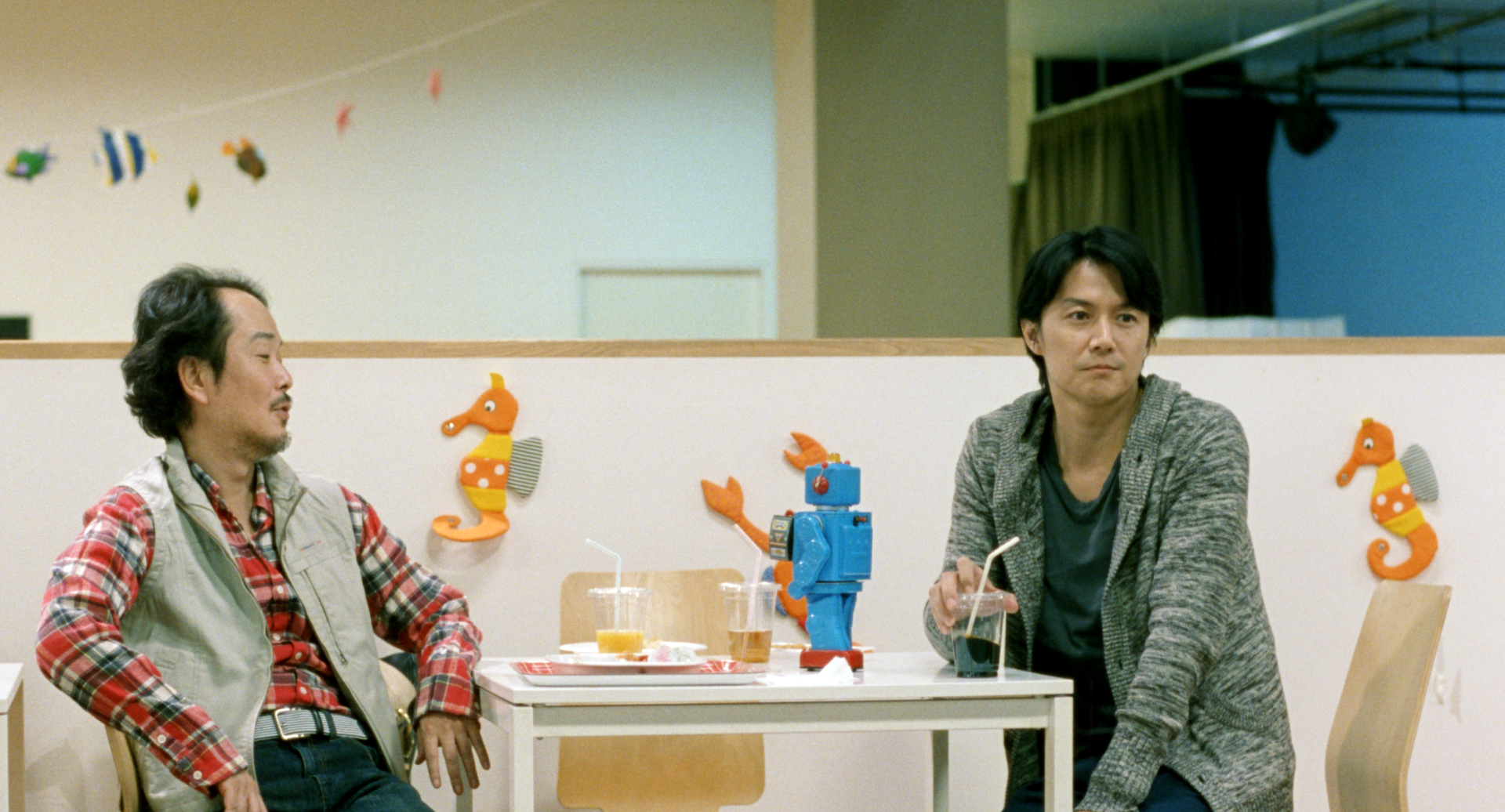
Bonjour mes amis! Ever feel like you’re just a carbon copy of your dad? Or maybe you see your mini-me running around, exhibiting traits you swore they couldn't have possibly learned? Well, the beautiful and heart-wrenching Japanese film, Like Father, Like Son (Soshite chichi ni naru) explores precisely that. Get ready for a box of tissues – you’ve been warned!
Directed by the masterful Hirokazu Kore-eda, this isn't your typical melodramatic sob-fest. It’s a subtly powerful examination of family, societal expectations, and what really makes someone a parent. Forget screaming matches and over-the-top confessions; Kore-eda's strength lies in his quiet observation of human connection. Think of it as a Japanese version of a Ken Loach film, but with better lighting and less rain (probably!).
The Setup: A Parental Curveball
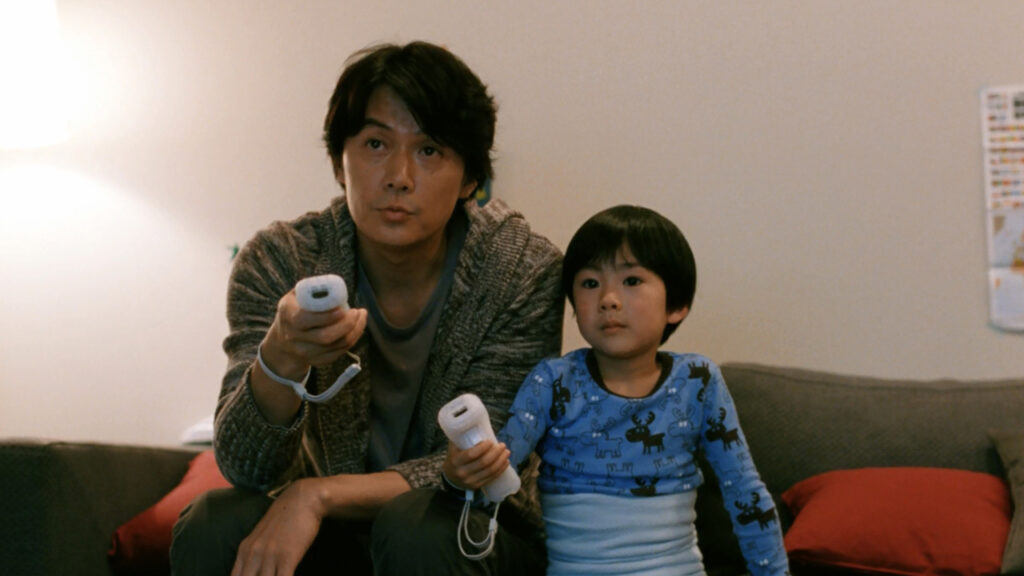
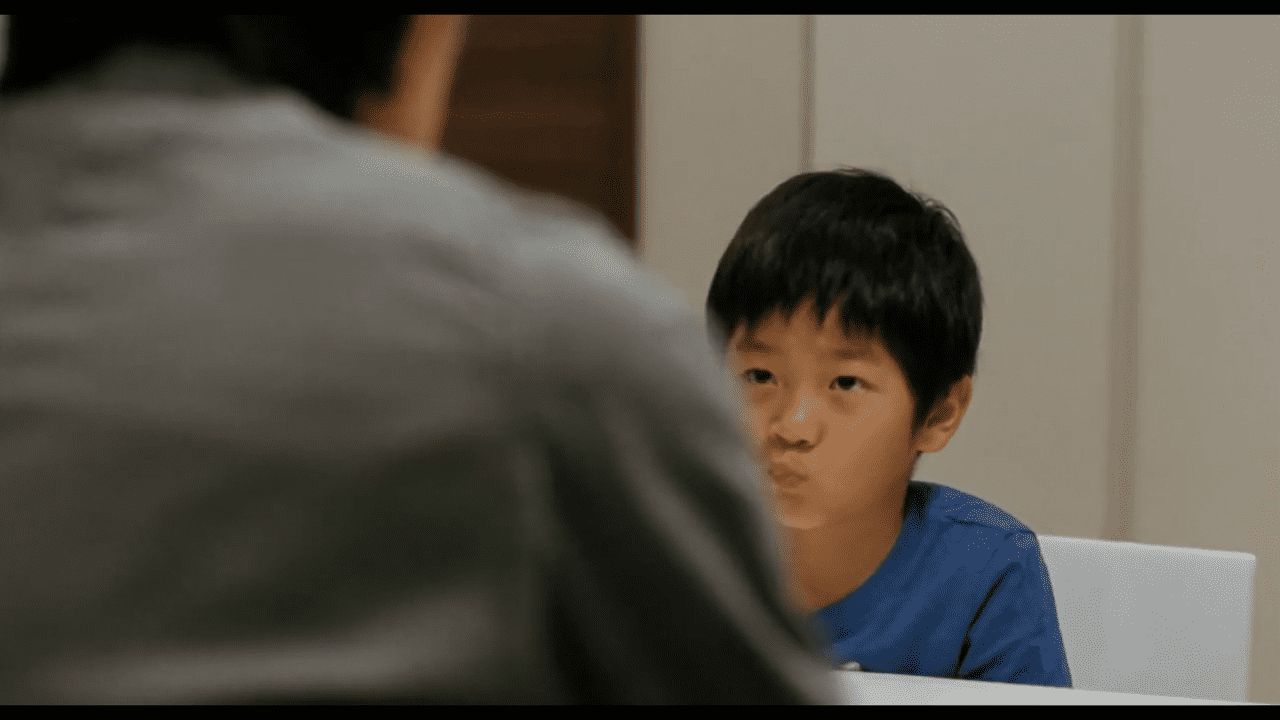
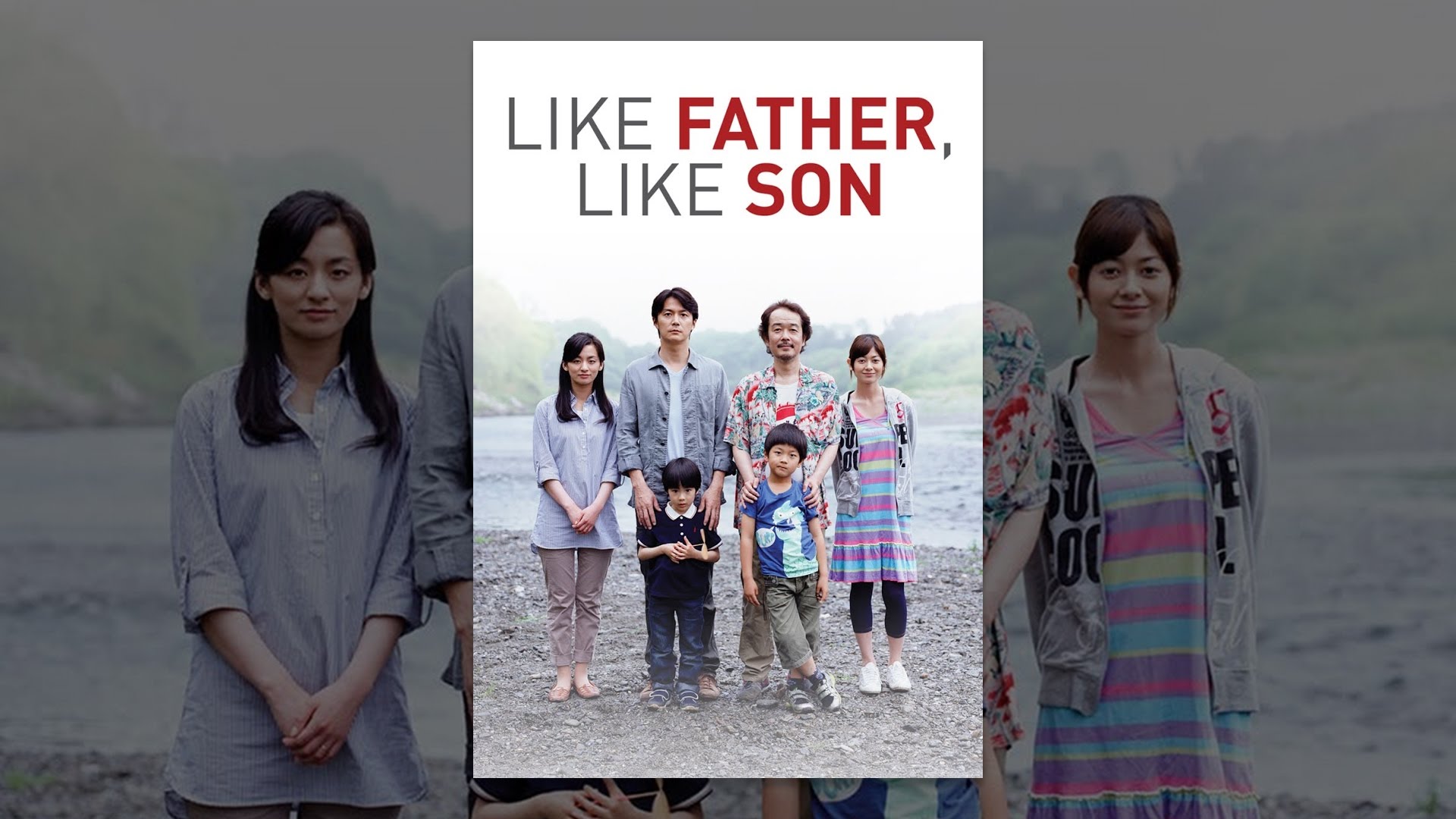
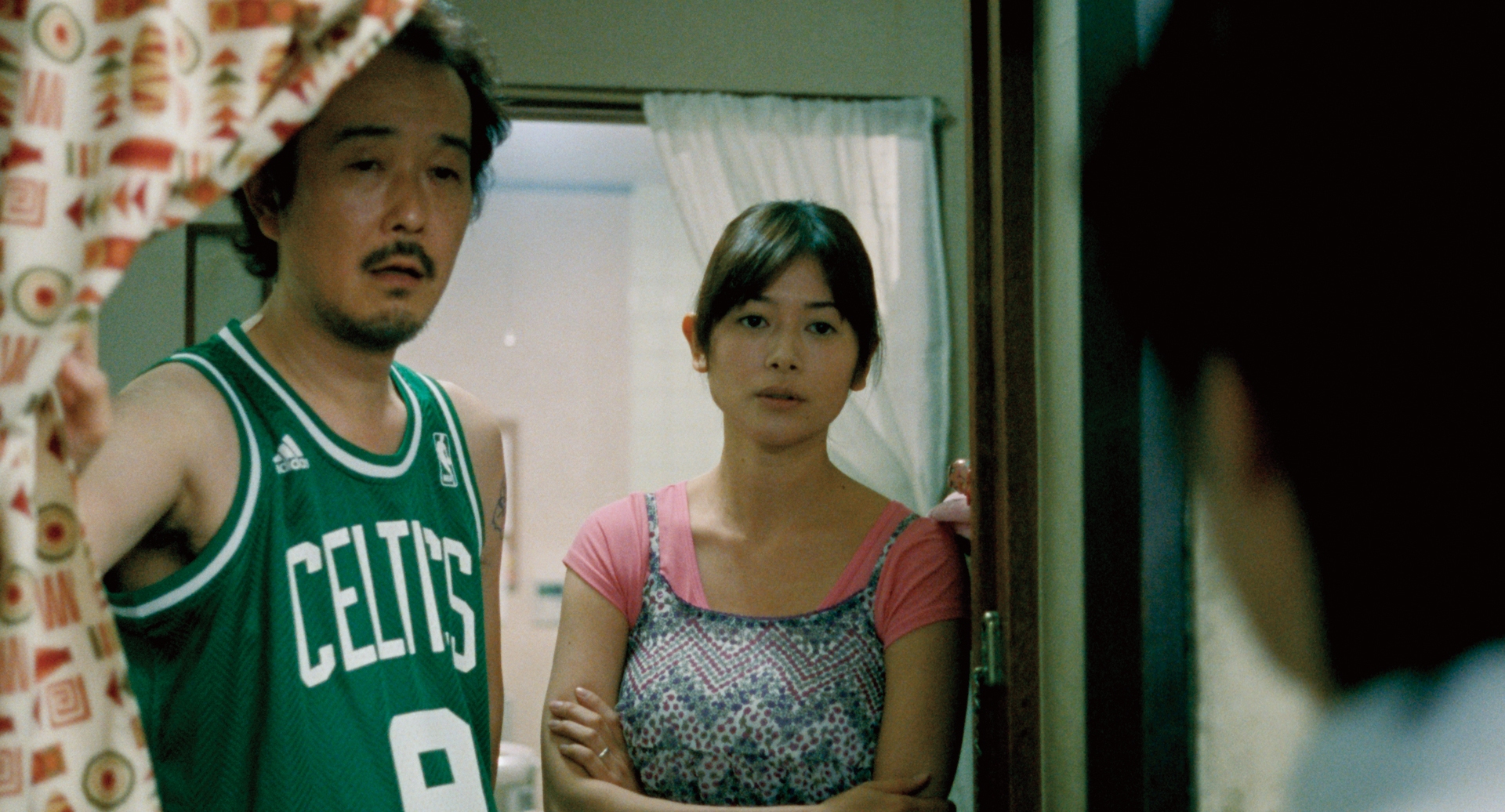
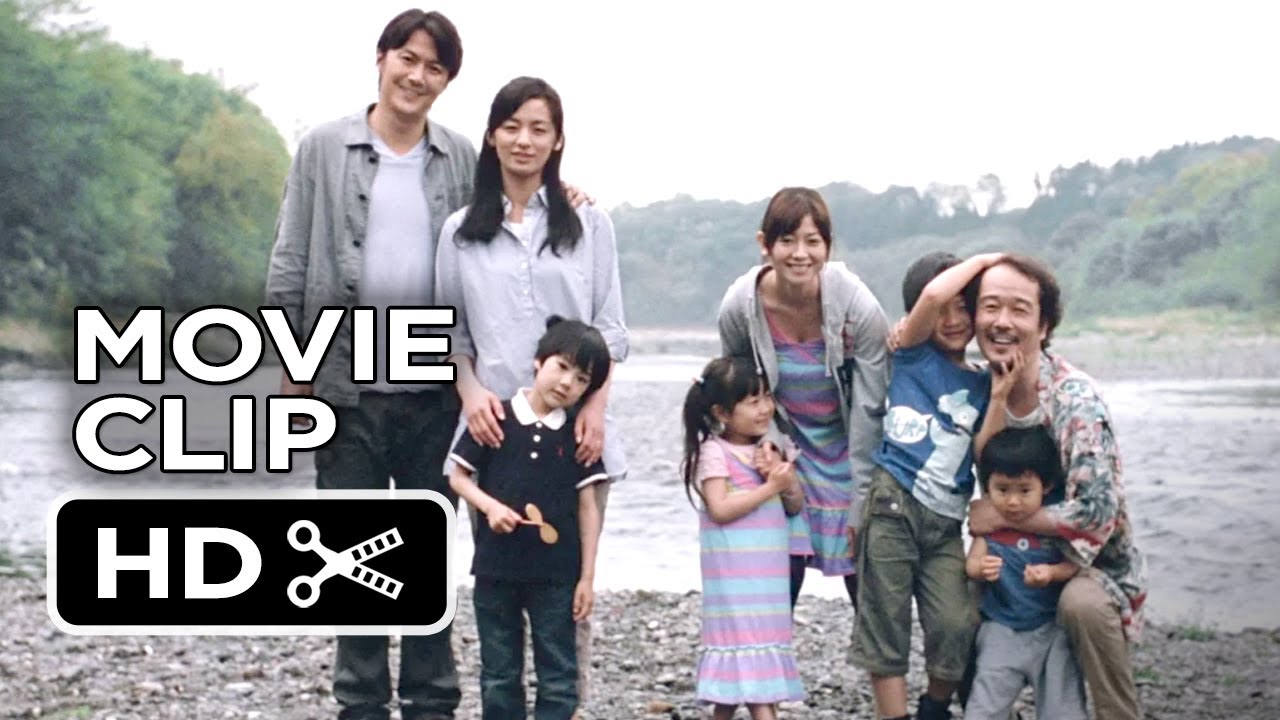
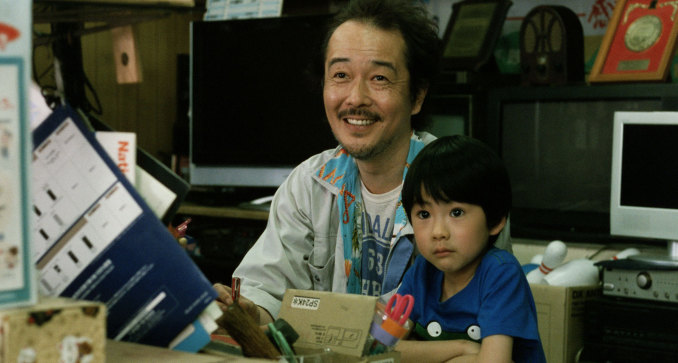
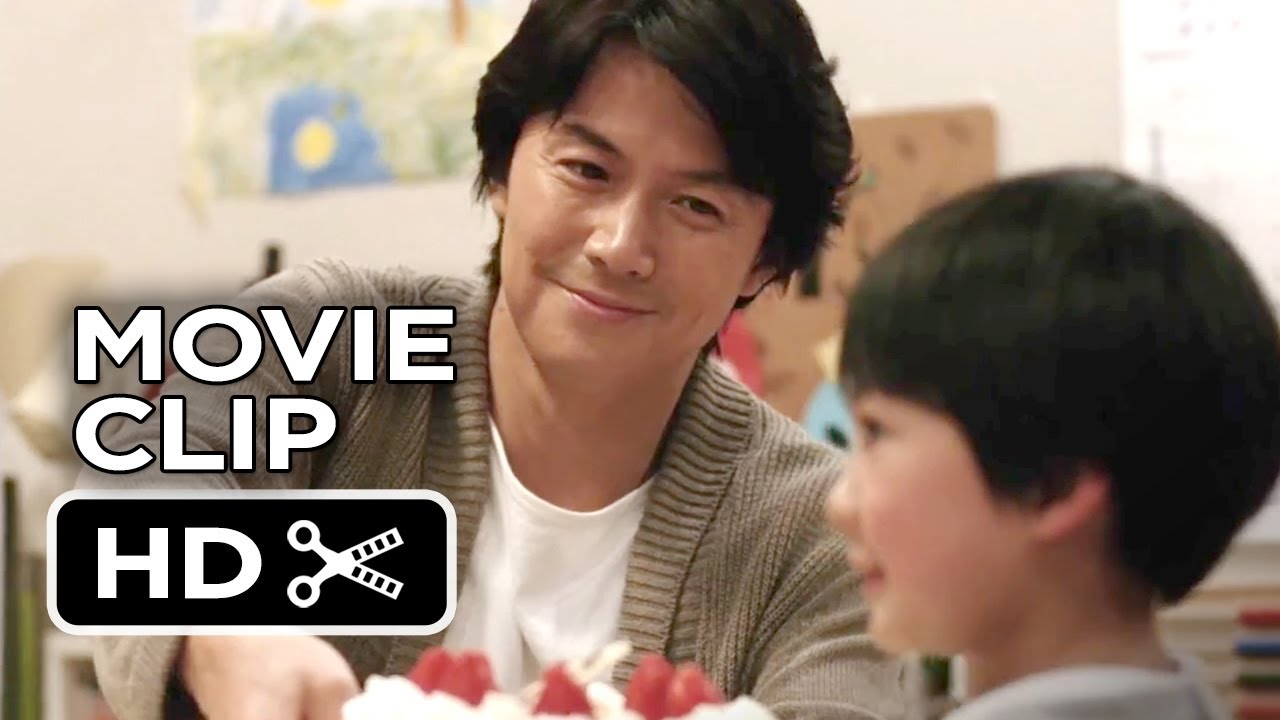
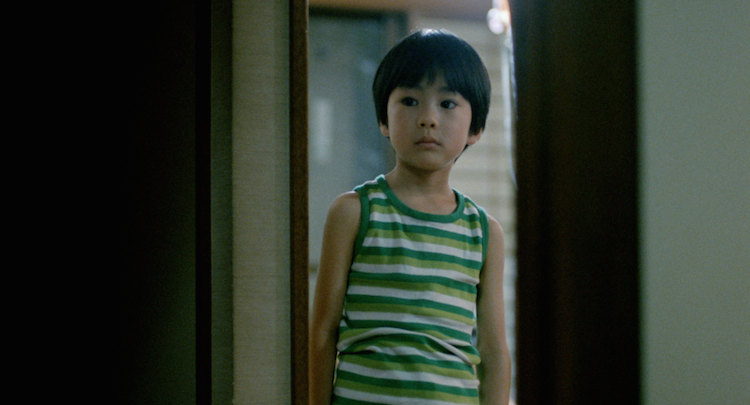
The story revolves around two families. Ryota Nonomiya is a successful, somewhat aloof architect, obsessed with perfection. His wife, Midori, is gentle and devoted. They have a seemingly perfect son, Keita. Then, a phone call throws their world into disarray. Six years prior, at birth, Keita was switched at the hospital with another boy, Ryusei.
Suddenly, everything is upended. Ryota and Midori must grapple with an impossible question: Do they reclaim their biological son, Ryusei, who has been raised by a more working-class family, the Saikis? Or do they keep Keita, the boy they’ve raised and loved for six years? C'est une question difficile, n'est-ce pas?
Cultural Nuances: Beyond the Western Gaze
This film is steeped in Japanese culture. Concepts like amae (indulgent love and dependence) and the importance of bloodlines are subtly explored. While Western cultures often emphasize individual achievement, Japanese society places a strong emphasis on family obligation and societal harmony.
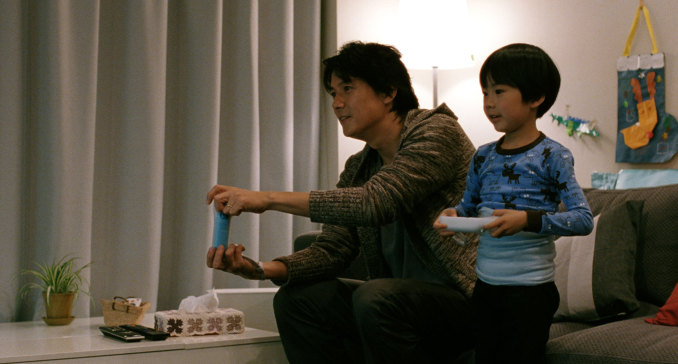
Fun Fact: In Japan, the father figure often takes on a more formal and reserved role, particularly in upper-middle-class families. Ryota's stoicism is a reflection of this, making his internal struggle all the more poignant. Consider this if you're ever interacting with a Japanese family; direct emotional expression might be less common than what you're used to.
More Than Just Genetics: Nature vs. Nurture
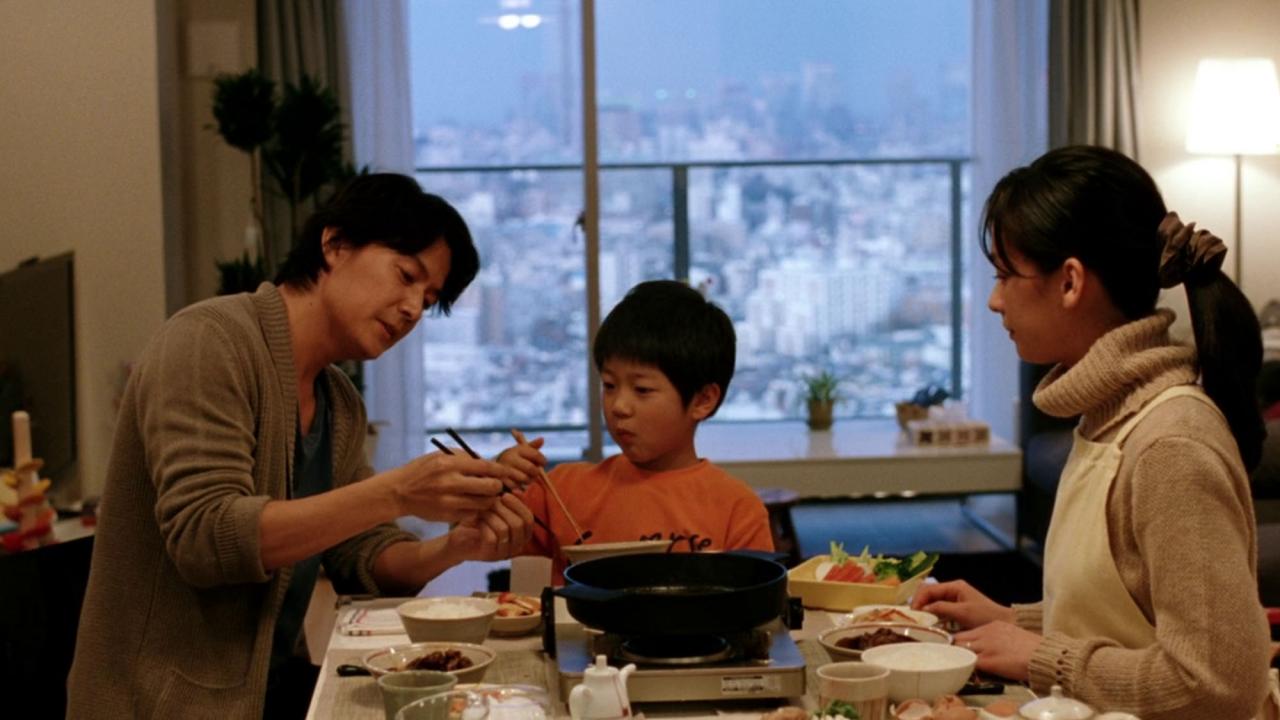
Like Father, Like Son cleverly avoids a simple "nature vs. nurture" debate. It's more about the choices we make as parents and the impact those choices have on our children. Ryota initially prioritizes blood ties, seeing Keita as less “his” because of the switch. But as he spends time with Ryusei and observes the Saikis' more relaxed and playful parenting style, he begins to question his own values.

Practical Tip: The film underscores the importance of presence. Putting down your phone, actively engaging with your kids – these seemingly small acts create lasting bonds. It’s not about lavish gifts; it’s about being there.
Why You Should Watch It (Even If You Don't Have Kids!)
Even if you’re not a parent, this film resonates. It prompts us to think about our own relationships with our families, the expectations placed upon us, and the choices that shape our identities. The performances are superb, the cinematography is stunning (think beautiful, minimalist Japanese aesthetics), and the soundtrack is perfectly understated. C'est magnifique!
Bonus recommendation: Pair your viewing with some authentic Japanese snacks! Think onigiri (rice balls) or some delicious mochi. Bon appétit!
A Moment of Reflection
Ultimately, Like Father, Like Son reminds us that family isn’t just about blood. It's about the shared experiences, the sacrifices, and the unwavering love that binds us together. It makes you appreciate the messy, imperfect, and utterly precious relationships in your own life. So, call your dad, call your kids, or just call someone you love. Tell them you appreciate them. Because as this film so beautifully illustrates, time is precious, and family is everything.




![[REVIEW] Like Father, Like Son](https://cdn.idntimes.com/content-images/community/2023/07/like-father-04-afe3b9957861d6b8da1d2ab738493a12-fe81703987941072cb54a67a841a4d45.jpg)