/Norman-Rockwell-The-Problem-We-All-Live-With-1964-56a03c313df78cafdaa099ee.jpg)
Ah, Norman Rockwell. Just the name evokes images of Thanksgiving dinners, rosy-cheeked kids, and a certain idealized vision of American life. But did you know he wasn't just about feel-good Americana? Let's dive into one of his most powerful and impactful pieces: The Problem We All Live With, painted in 1964. C'est parti!
Rockwell, Beyond the Cozy
Okay, first things first. Forget the apple pie for a minute. Rockwell was a masterful storyteller, and sometimes the stories he told were tough, really tough. He captured America's hopes and dreams, sure, but he also held a mirror up to its flaws. He wasn’t afraid to tackle sensitive topics. He was a visual journalist in his way, documenting the changing landscape of American culture with both beauty and a raw honesty.
Quick Rockwell Facts:
- He painted over 300 covers for The Saturday Evening Post. That's a lot of magazine covers!
- He was known for his incredible attention to detail. He used real people as models.
- He originally wanted to be a cartoonist. (Imagine!)
The Problem We All Live With: More Than Just a Painting
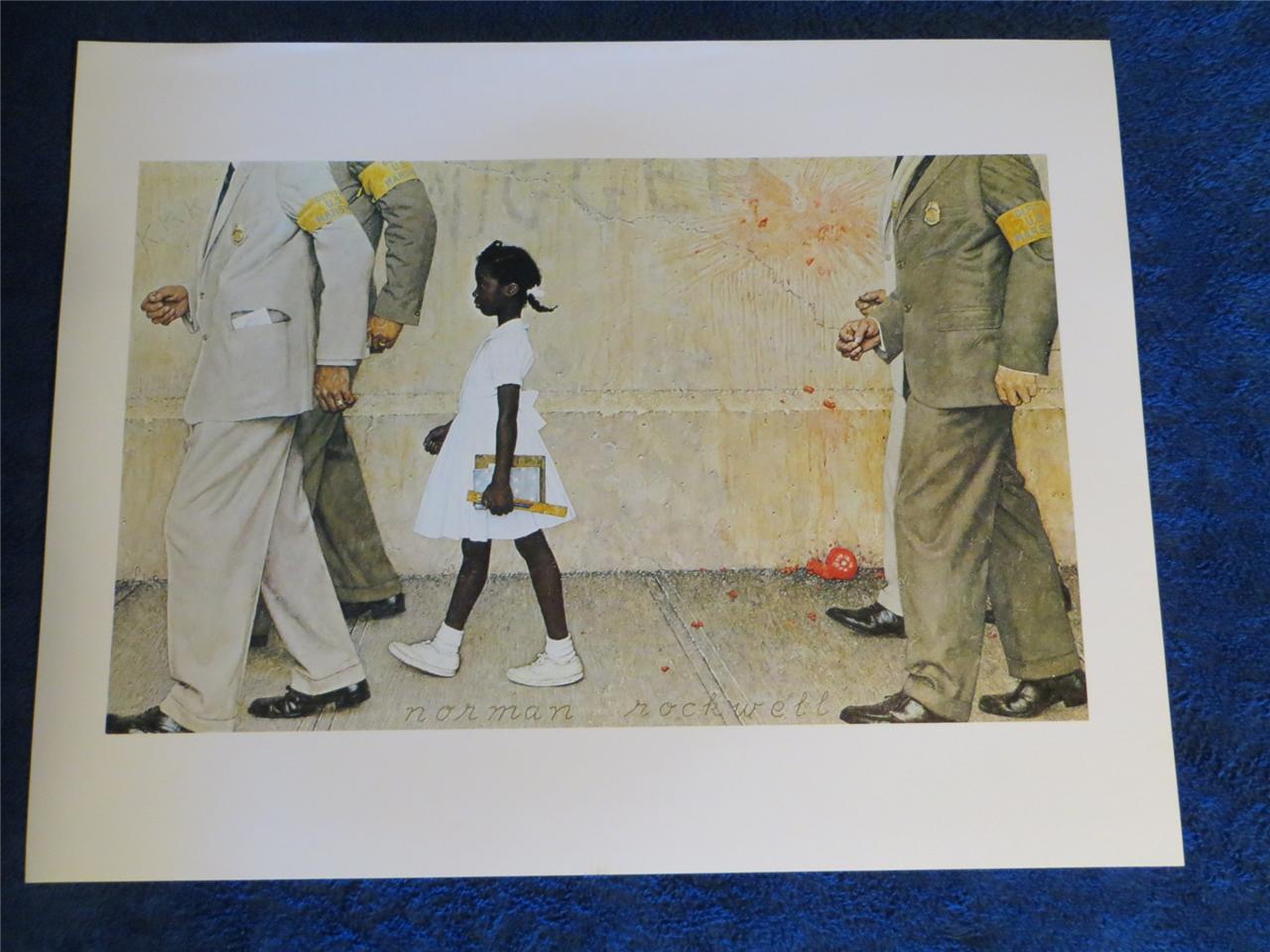
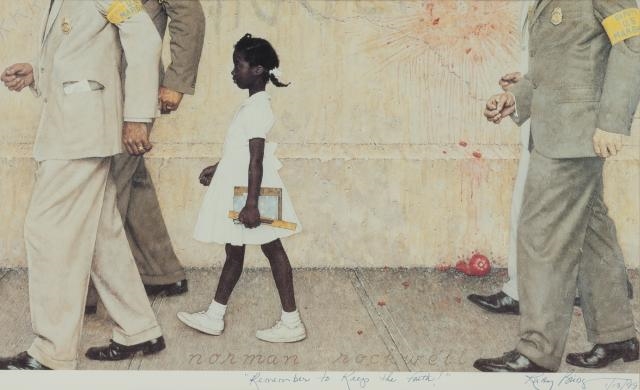
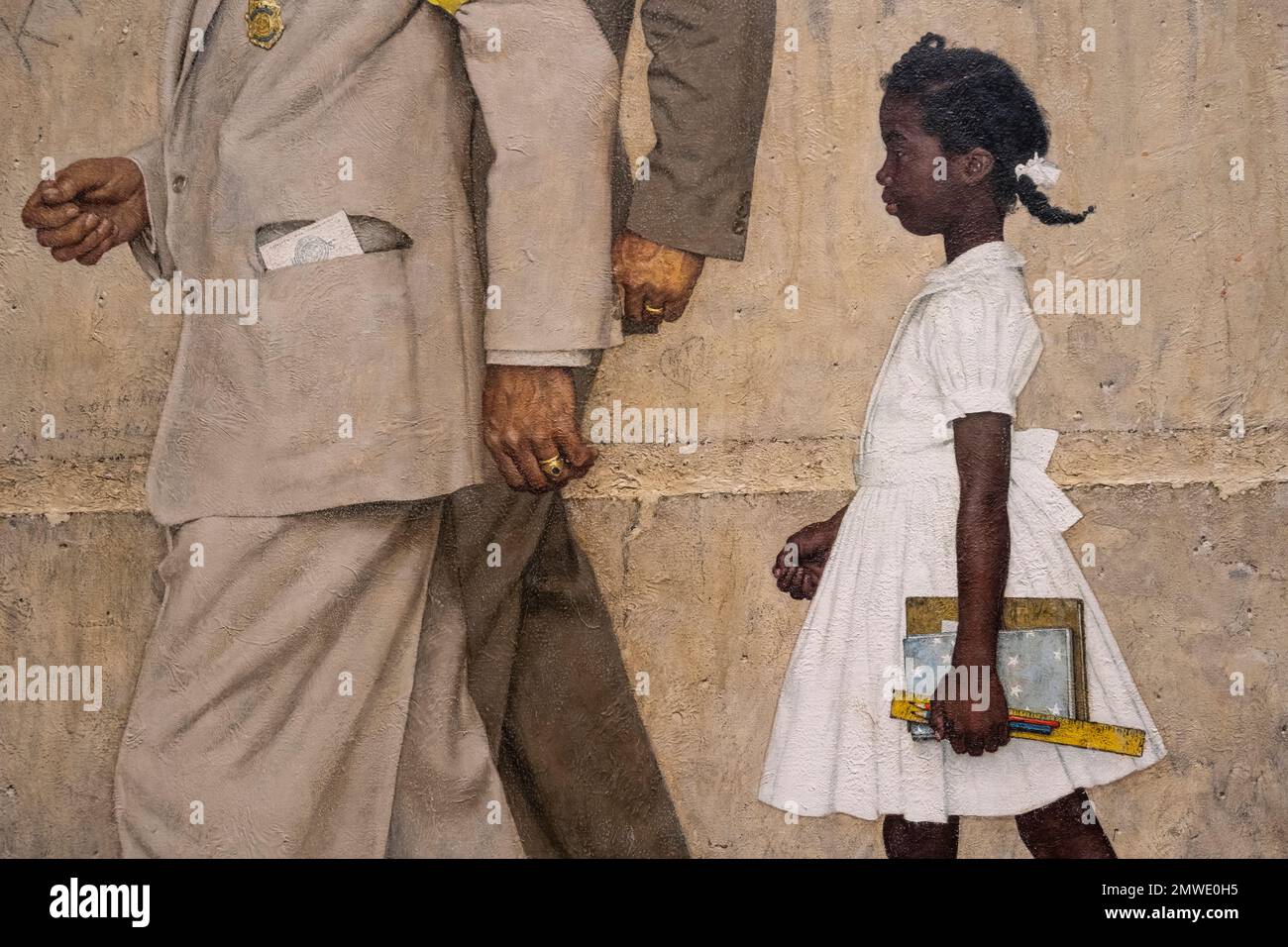
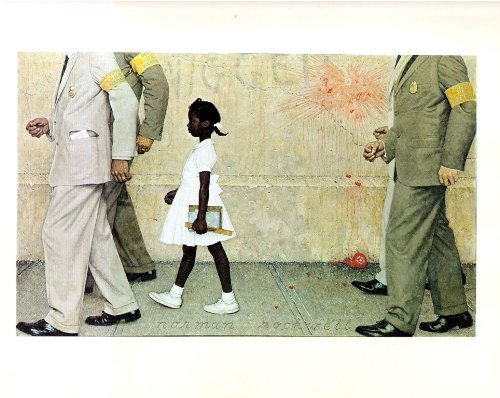
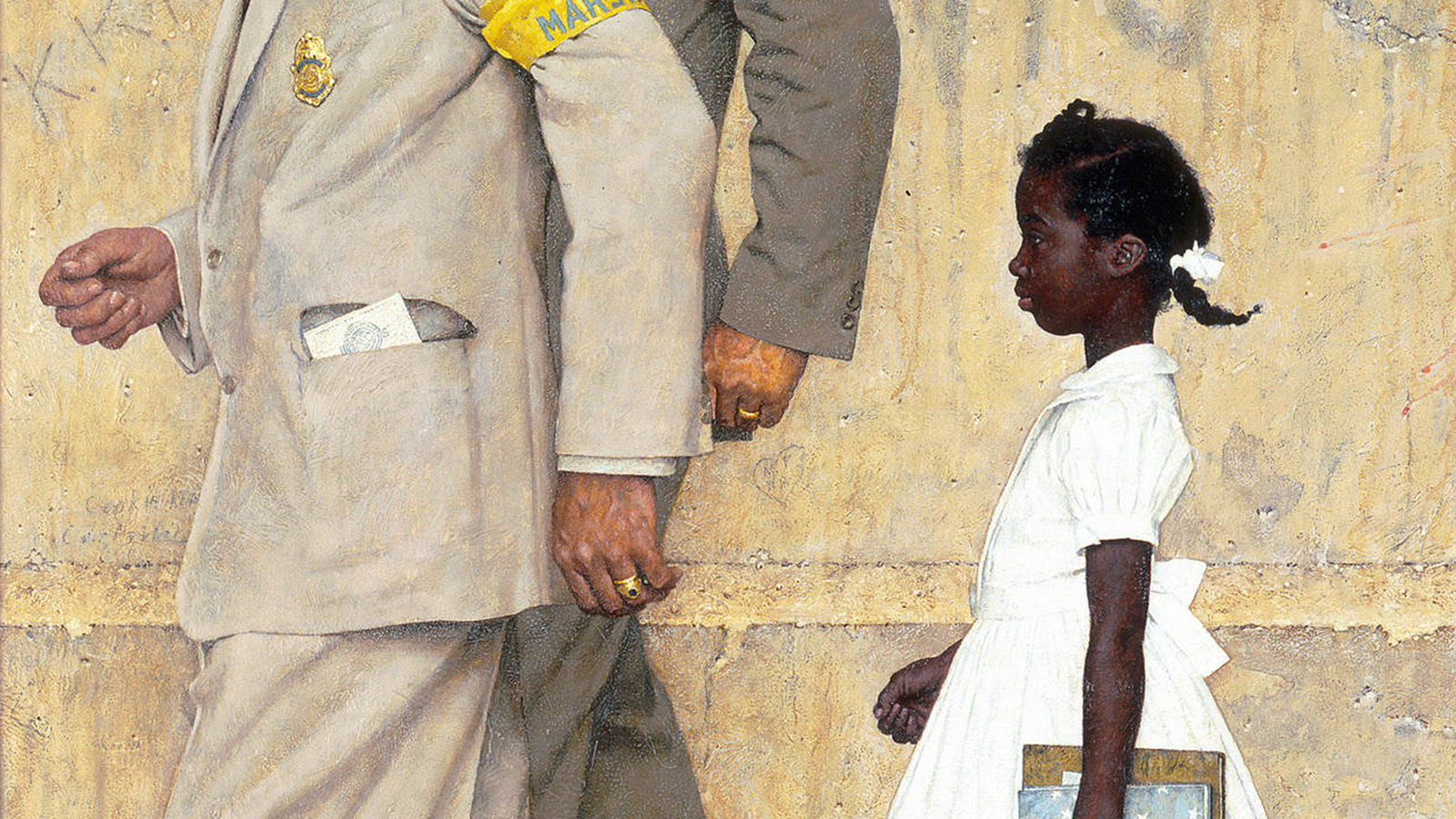
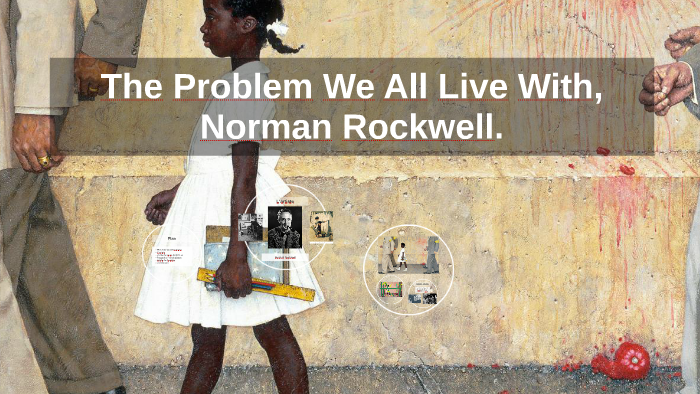
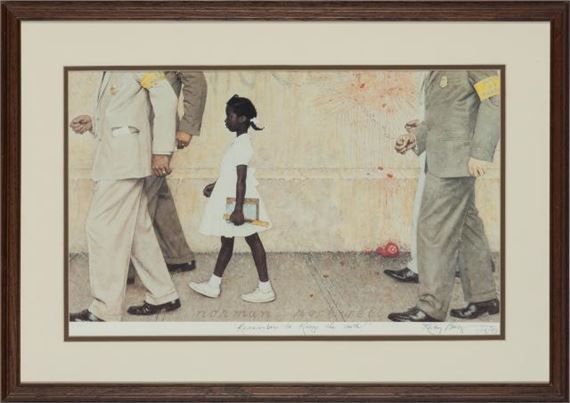
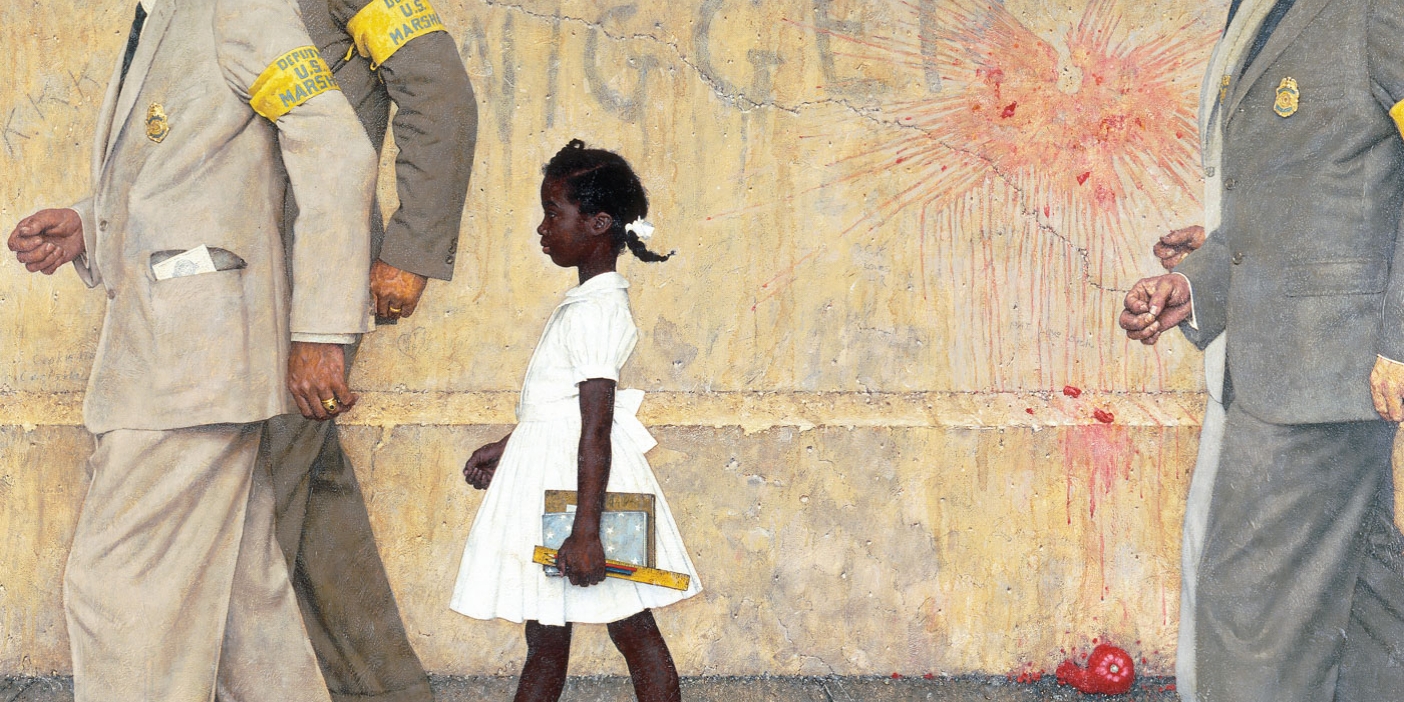
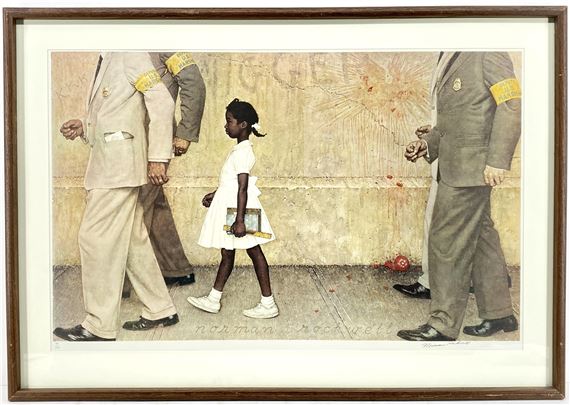
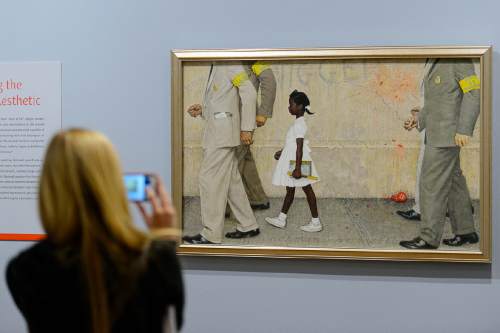
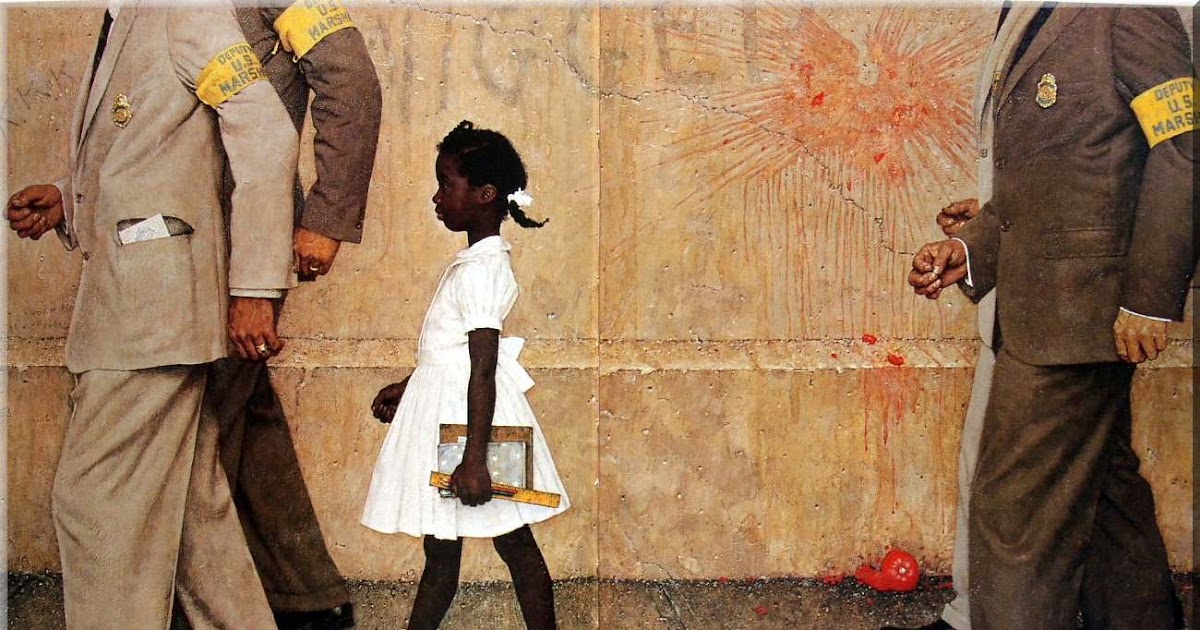
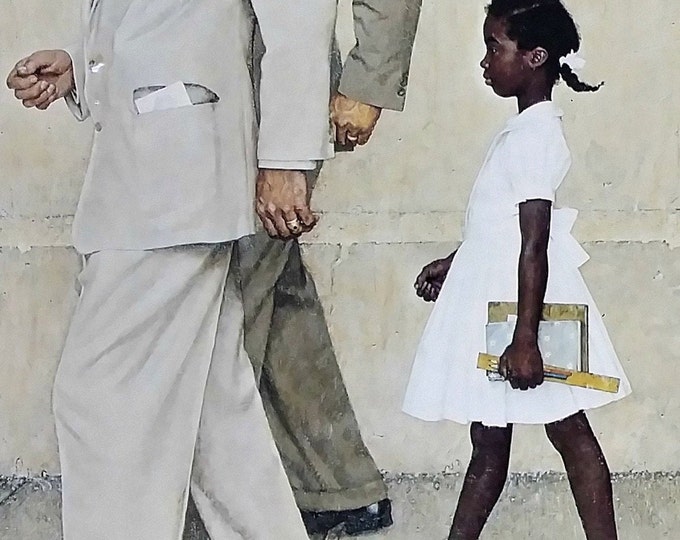
So, what makes this painting so striking? It's not exactly a scene from "Leave It to Beaver." It depicts a young African American girl, Ruby Bridges, escorted by four U.S. Marshals as she walks to school. She's surrounded by graffiti. Tomato splatter stains the wall behind her. It's a powerful image of courage in the face of virulent racism.
This wasn’t just some random artistic choice. This painting was Rockwell's response to the desegregation crisis. In 1960, six-year-old Ruby Bridges became one of the first African American children to integrate into an all-white elementary school in New Orleans. She faced daily harassment and threats. Her bravery, and the bravery of her family, inspired Rockwell.
Breaking Down the Visual Language:
- The White Space: The stark white wall behind Ruby, splattered with tomatoes and racial slurs, emphasizes the isolation and hostility she faced.
- The U.S. Marshals: These imposing figures, deliberately faceless, represent the authority and protection necessary to ensure Ruby’s safety. They are the shield between her and the hatred.
- Ruby's Demeanor: Despite the chaos around her, Ruby walks with a quiet dignity. Her crisp, clean dress contrasts sharply with the grime and ugliness of the scene. It shows her innocence.
- The Graffiti: The racial slurs scrawled on the wall are a brutal reminder of the pervasive racism of the time. They are not subtle; they are meant to shock and disgust.
Cultural Impact and Relevance Today
When The Problem We All Live With was first published in Look magazine (Rockwell had moved away from The Saturday Evening Post due to its hesitancy to publish politically charged artwork), it sparked immediate conversation and controversy. It forced people to confront the realities of segregation. It challenged the comfortable narrative of a unified and harmonious America.
And here's the thing: it's still relevant today. While we've made progress, the issues of racism and inequality are far from resolved. The painting serves as a powerful reminder of the struggles of the past and the ongoing work that needs to be done.
Why This Painting Still Matters:
- It's a Conversation Starter: It’s a powerful visual tool for discussing race, equality, and social justice with kids and adults alike.
- It's a Reminder of History: It helps us remember the past and learn from it. We can't afford to forget the struggles of those who came before us.
- It's a Call to Action: It inspires us to work towards a more just and equitable society.
Beyond the Canvas: Taking Action
Okay, so you've contemplated Rockwell’s masterpiece. You've reflected on its historical context and its continued relevance. But what can you do? Here are a few ideas:
- Educate Yourself: Read books, watch documentaries, and listen to podcasts about the history of racism and the Civil Rights Movement. Start with books like "The Warmth of Other Suns" by Isabel Wilkerson or documentaries like "Eyes on the Prize."
- Have Difficult Conversations: Talk to your friends, family, and colleagues about race and inequality. Don't be afraid to ask questions and listen to different perspectives. It is important to learn from different point of views.
- Support Organizations: Donate to or volunteer with organizations that are working to promote racial justice and equality. There are countless organizations doing incredible work. Find one that resonates with you.
- Speak Up: If you see or hear something racist, don't be afraid to speak up. It takes courage to challenge prejudice, but it's essential.
- Be an Ally: Support people of color and advocate for their rights. Learn how to be an effective ally.
Think about incorporating these actions in your daily life. Just like a painter needs the right materials, each of us needs to gather the resources and skills necessary to contribute positively to our community.
Art and Activism: A Perfect Pairing
Rockwell didn't just paint pretty pictures. He used his art to engage with the world, to challenge injustice, and to inspire change. The Problem We All Live With is a testament to the power of art to do just that. It’s a reminder that even the most idyllic-seeming artist can have a fire burning within, ready to tackle the toughest issues of the day.

Fun Fact:
The model for Ruby Bridges in the painting was actually a local girl named Lynda Gunn. She wasn't even aware of the significance of the painting until years later.
A Final Thought: Rockwell's Legacy
So, the next time you see a Norman Rockwell painting, take a closer look. Don't just admire the technique and the nostalgia. Think about the story it's telling, the values it represents, and the message it's sending. And remember that art, like life, is rarely black and white. The Problem We All Live With is a reminder that even the most beloved artists can confront uncomfortable truths, and that those truths are often the most important ones to tell. He truly captured a very specific point in time and offered it to the masses, even if it made them feel uncomfortable.
How does this painting connect to your daily life? Maybe it's a reminder to be more aware of your own biases, or to speak out against injustice when you see it. Perhaps it inspires you to learn more about the history of the Civil Rights Movement, or to get involved in your community. Whatever it is, let The Problem We All Live With be a catalyst for reflection and action. Let it inspire you to be a better citizen, a more compassionate human being. Après tout, we are all in this together. Be bold. Be kind. Be brave.