Imagine this: you're at a fancy Parisian salon, 1791. The revolution is happening, everyone's talking about liberty, equality, fraternity! You lean over to your friend, Marie, and whisper, "So, uh, does 'everyone' actually include us, you know, the women?" Marie rolls her eyes. "Chérie, please. They're talking about men." And then, boom! Olympe de Gouges walks in, a pamphlet clutched in her hand, and declares, "Non! Mesdames, listen up! I've got something to say about that!"
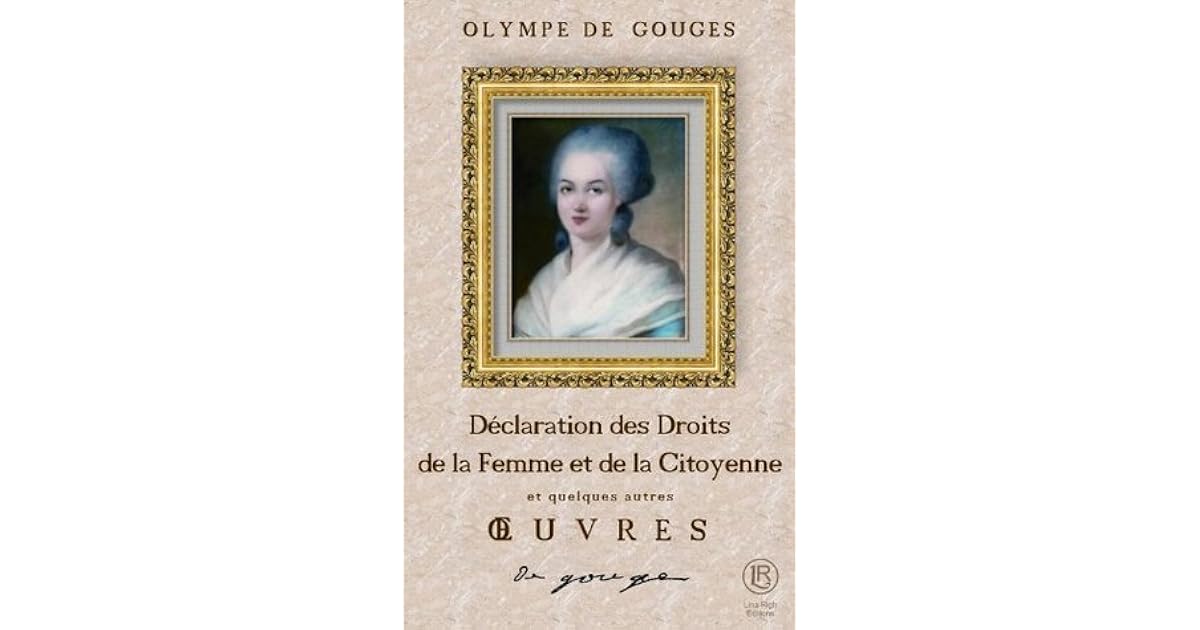
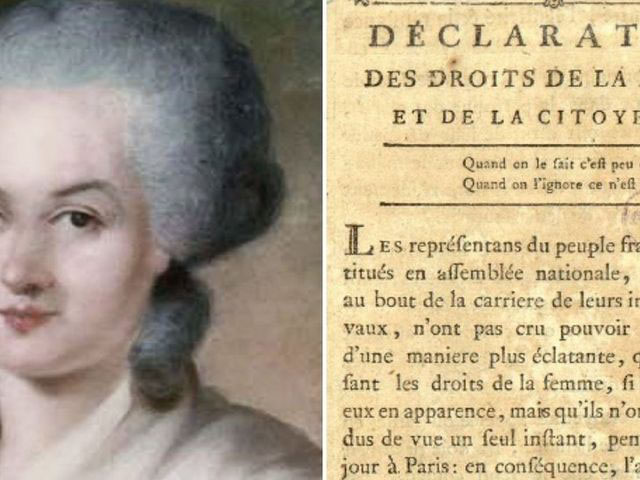
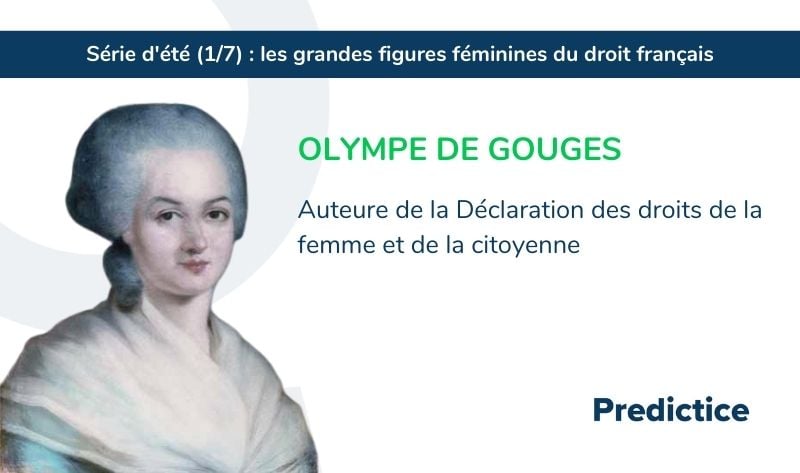
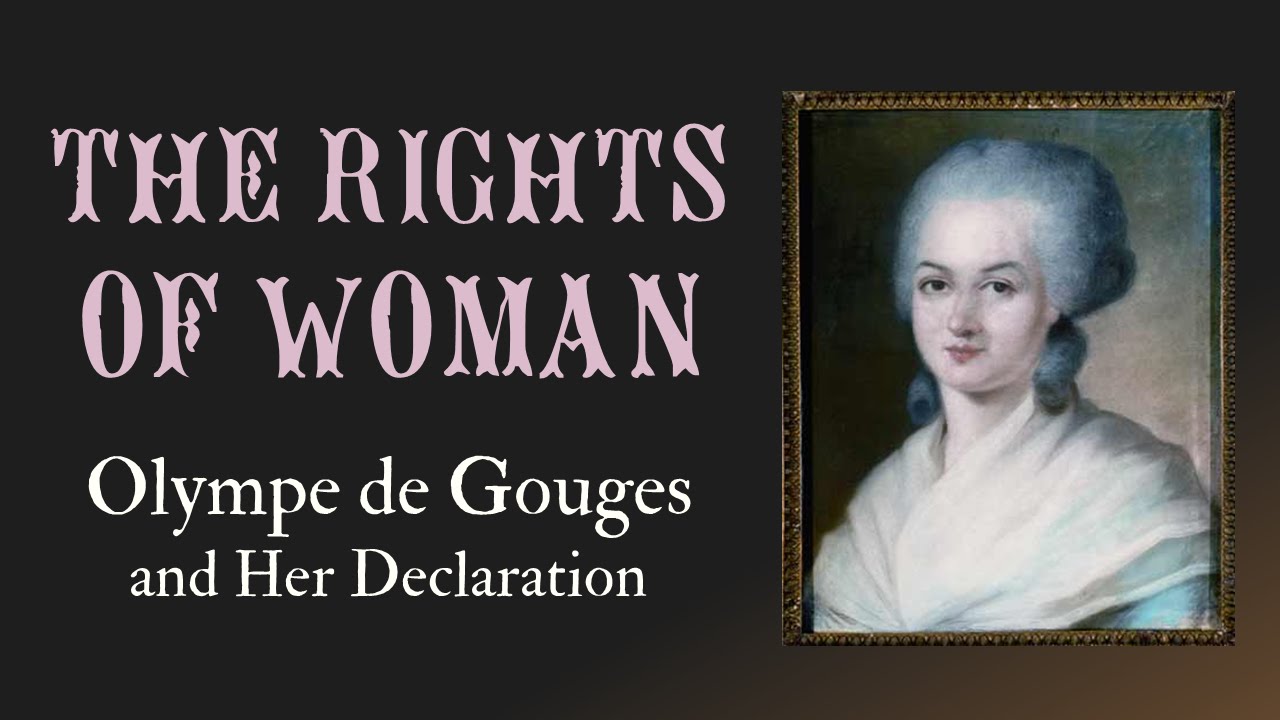
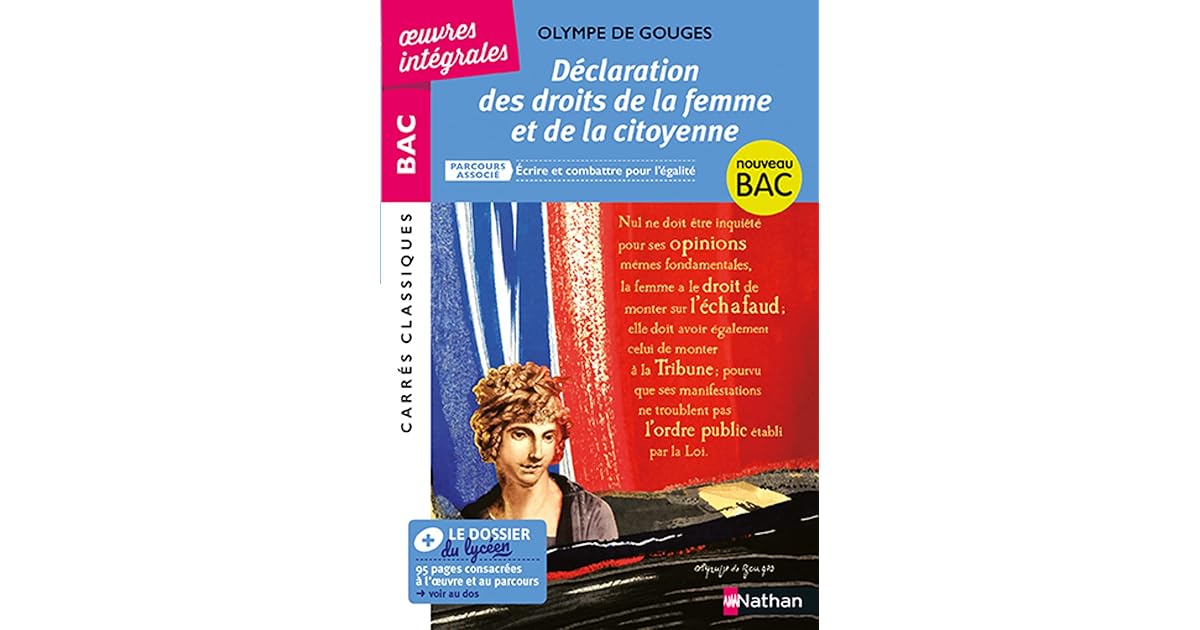
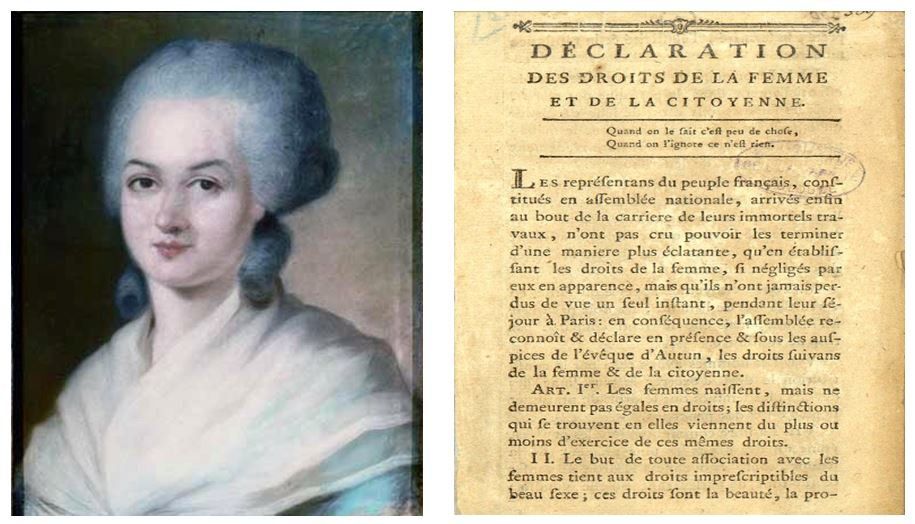
That, my friends, is basically the spirit of Olympe de Gouges and her Déclaration des Droits de la Femme et de la Citoyenne (Declaration of the Rights of Woman and of the Female Citizen). It's not just a historical document; it's a mic drop moment for feminism.
Olympe: More Than Just a Pretty Name
First things first, let's talk about Olympe herself. Born Marie Gouze (she later adopted the more theatrical "Olympe de Gouges"), she was a self-taught writer, playwright, and all-around badass. She wasn't born into privilege, which probably gave her a keen eye for injustice. Think of her as the Beyoncé of the French Revolution, but instead of singing about Single Ladies, she was writing about the rights of women and enslaved people.
She didn't shy away from controversy, either. She wrote plays that challenged the monarchy, advocated for divorce (scandalous!), and even proposed a national theater run by women. Basically, she was not afraid to stir the pot. Now that's a historical figure I can get behind!
La Déclaration: A Point-by-Point Takedown
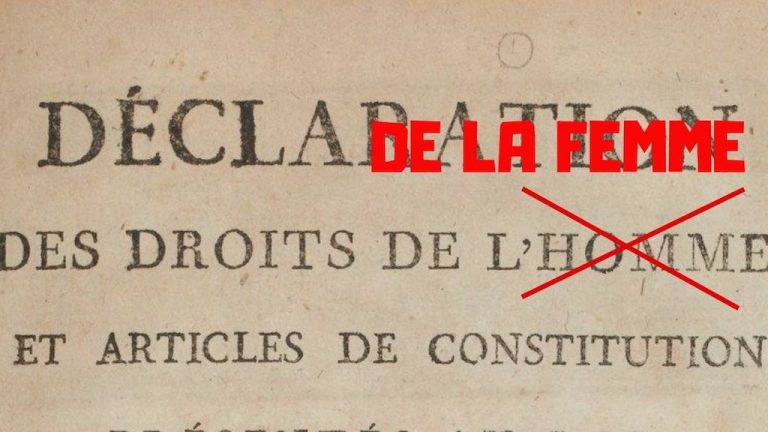
So, what's so special about this Déclaration? Well, it's essentially a direct response to the Déclaration des Droits de l'Homme et du Citoyen (Declaration of the Rights of Man and of the Citizen), the foundational document of the French Revolution. Olympe took that document, read it carefully, and then said, "Hold up... where are we in all this?"

She essentially rewrote it, replacing "man" with "woman" or "man and woman" throughout, and adding specific articles that addressed women's rights. Think of it as a remix, but with a much more important message.
Let's break down some of the key points:
- Article 1: "Woman is born free and remains equal to man in rights." BOOM. Straight to the point. No messing around.
- Article 2: Affirms that the purpose of all political association is the preservation of the natural and imprescriptible rights of both Woman and Man. (I'm adding emphasis, because they're important). These rights are liberty, property, security, and especially resistance to oppression.
- Article 6: "All citizens, female as well as male, being equal in its eyes, shall be equally admissible to all public dignities, offices and employments, according to their ability, and with no other distinction than that of their virtues and talents." Equality in employment? In the 18th century?! Groundbreaking.
- Marriage and Property: Olympe argued for equal rights within marriage, including the right to own property and control one's own finances. She even proposed a social contract for marriage, ensuring protection for women and children, particularly in cases of divorce or illegitimate birth.
- Motherhood and Illegitimate Children: She advocated for the recognition of illegitimate children and their right to inherit from their fathers. This was huge, as women were often ostracized for having children out of wedlock, and the children were denied any rights.
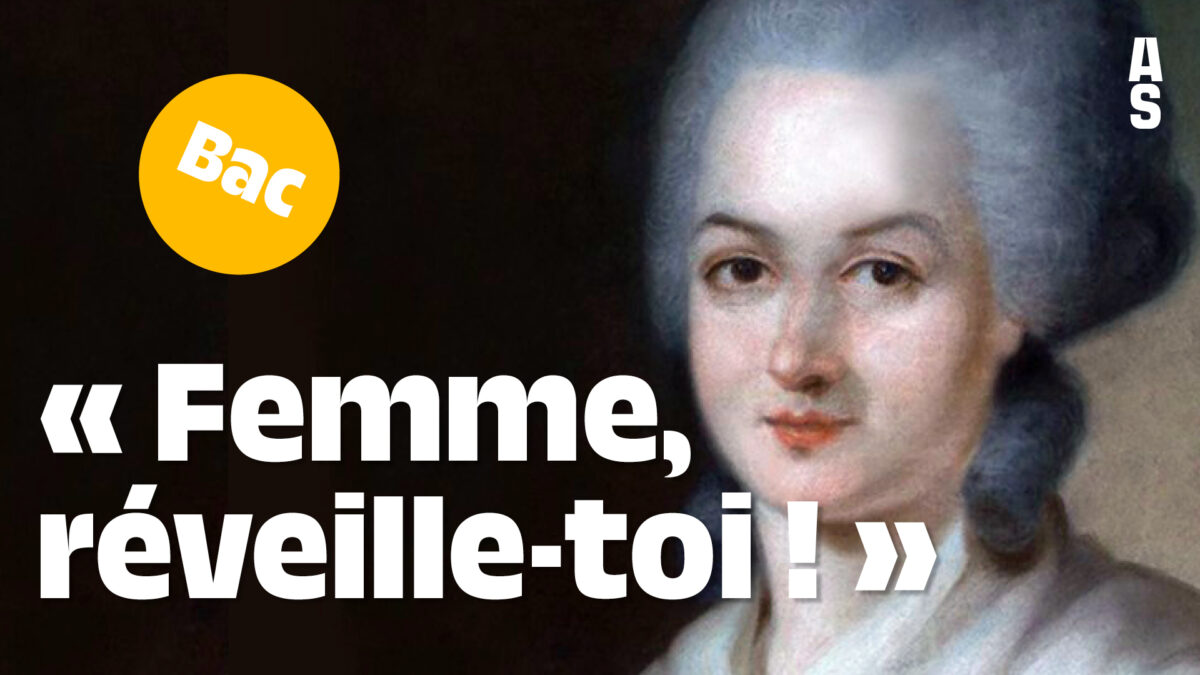
The declaration even ends with a "Postambule" and a "Form for a Social Contract between Man and Woman" – basically, Olympe wasn't just pointing out the problem; she was offering solutions. She even asks women to, and I quote, "Wake up; the tocsin of reason sounds throughout the universe; recognize your rights." This is not subtle, folks. She's calling women to action!

Why It Still Matters Today
Okay, so it's a cool historical document, but why should we care about this in the 21st century? Because, sadly, many of the issues Olympe de Gouges raised are still relevant today. We're still fighting for equal pay, equal representation in government, and an end to gender-based violence.
Think about it: are women still fairly represented in positions of power? Do women have the same economic opportunities as men? Is gender equality fully achieved anywhere in the world? The answer, sadly, is no. So, Olympe's words are still ringing true, even centuries later.
Side Note: It's important to remember that Olympe's ideas were radical for her time. She was challenging the very foundation of society, and that came at a price.

The Price of Speaking Up
Spoiler alert: Olympe's story doesn't have a happy ending. During the Reign of Terror, she was accused of sedition and counter-revolutionary activities (basically, disagreeing with Robespierre, which was a very bad idea).
She defended herself valiantly, arguing for her right to express her opinions. But, alas, it wasn't enough. In 1793, she was guillotined. Her last words were reportedly, "Children of the fatherland, you will avenge my death." A dramatic exit, to say the least.
Her execution is a stark reminder of the dangers of speaking truth to power, especially when that power is threatened. But, her death also cemented her legacy as a champion of women's rights. She may have been silenced, but her words continue to inspire.

Olympe's Legacy: A Call to Action
So, what can we learn from Olympe de Gouges? A lot, actually.
- Speak Up: Don't be afraid to challenge the status quo. Even if your voice shakes, speak your mind. Olympe did.
- Demand Equality: Don't settle for less than you deserve. Fight for equal rights in all areas of life. Olympe would want you to.
- Remember History: Learn about the women who paved the way for us. Their struggles and sacrifices should not be forgotten. Olympe deserves to be remembered.
Olympe de Gouges' Déclaration des Droits de la Femme et de la Citoyenne is more than just a historical document; it's a blueprint for a more just and equitable world. It's a reminder that the fight for equality is far from over, and that we all have a role to play in making Olympe's vision a reality.
Next time you hear someone talking about the French Revolution, remember Olympe de Gouges. Remember her courage, her passion, and her unwavering belief in the rights of women. And remember that her work is not done until equality is achieved for all. After all, wouldn't she want you to think about all this?