Salut, les amis! Ever feel like French pronunciation is playing a little trick on you? Like it’s hiding a secret rule that everyone except you seems to know? Well, today we’re diving into one of those little quirks that can make a HUGE difference: the diérèse! And trust me, once you understand it, you’ll feel like you've unlocked a secret level in the French language game. Ready? Allons-y!
What on Earth is a Diérèse?
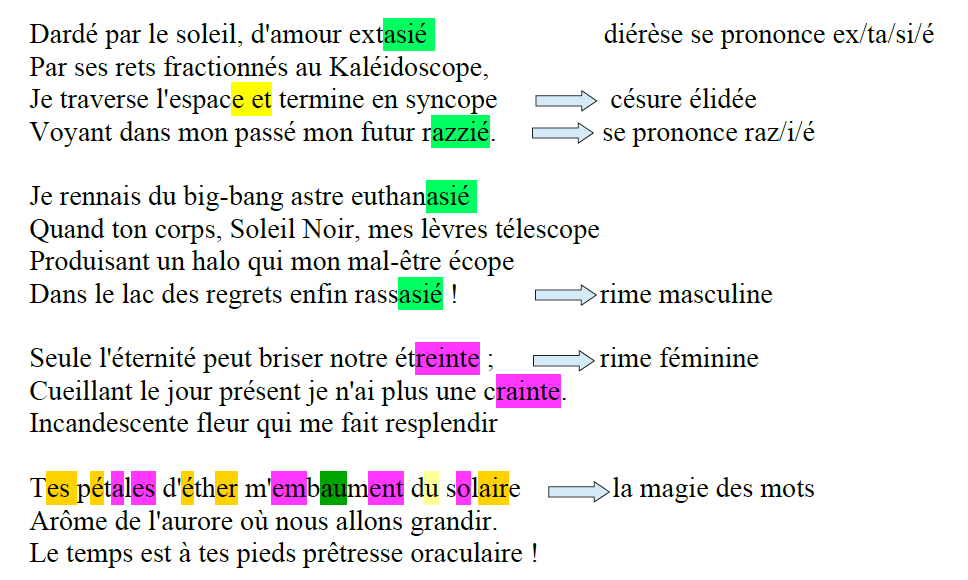
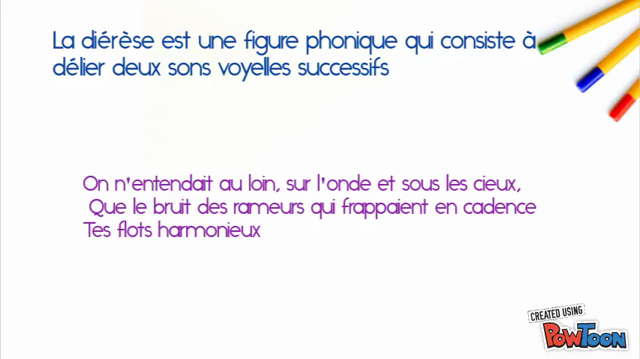
Okay, the word itself might sound a bit intimidating, right? Diérèse. But don’t let that scare you! In simplest terms, a diérèse (pronounced dee-air-ez) is when two vowels that would normally be pronounced as a single syllable are instead pronounced as two separate syllables. That's it! Simple, non? Think of it as splitting a sound apart. We are going to learn how and why!
Now, you might be thinking, "But why would I want to do that?" Great question! And the answer boils down to rhythm, poetry, and sometimes, just plain old making the word sound right. Think of it as adding a little extra flair, a little bit of je ne sais quoi, to your pronunciation.
The Why Behind the What: When Do We Use a Diérèse?
Alright, so we know what a diérèse is, but when do we actually use it? This is where it gets a little more nuanced, but I promise, it's not brain surgery! (Unless you're a brain surgeon learning French… then maybe it is brain surgery!).
1. Poetry! (and sometimes singing!) This is probably the most common reason you'll encounter a diérèse. Poets often use diérèse to maintain a certain meter or rhythm in their verses. Think of it as a poet's secret weapon for creating beautiful, flowing language. Singers do the same to elongate sounds and fit into the song's rhythm, so it is not strictly for poetry.
For example, take the word “lion”. Usually, it’s pronounced as one syllable. But in poetry (or if you’re trying to sound dramatic!), you might pronounce it as two: “li-on”.
2. Clarity & Avoiding Confusion: Sometimes, a diérèse is used to avoid ambiguity or to make a word sound more distinct. You do not want people mishearing what you are saying. It ensures the word is understood in the way it was meant to be understood.

3. Some words always use a diérèse! Certain words, due to their etymology (fancy word for word origin!) or established pronunciation, always have a diérèse. These are the ones you just need to learn and memorize. And don't worry, there aren't too many of them!
Spotting the Signs: How to Recognize a Diérèse
Okay, so how do you know when a diérèse is lurking, ready to pounce on your pronunciation? Here are a few clues to watch out for.
1. The Tréma: Your Best Friend! The tréma (¨) is your biggest clue. This little double dot appears over a vowel (usually e, i, or u) and tells you to pronounce that vowel separately from the one before it. It’s like a little flag waving, saying, “Hey! Pay attention! This is a diérèse!” This is especially helpful to know! The word Noël is a clear example.
For instance, in the word "naïf" (naive), the tréma over the "ï" indicates that you should pronounce "na-if" instead of "nef" (which would mean "nave," as in a church!). See how important that little mark is? It changes the whole meaning and pronunciation!
2. The "i" Sound: The letter "i" when followed by another vowel (a, e, o, u) is a common suspect. Listen carefully to how native speakers pronounce words with "ia," "ie," "io," and "iu." Especially in less common verbs. You may note the separate sound of i from the vowel that follows it.
3. Context is King (or Queen!): Sometimes, there's no tréma to guide you, and you have to rely on context. Is it poetry? Is the word sounding a bit muddled without it? Trust your instincts (and your growing knowledge of French!).
Examples, Examples, Everywhere!
Let’s get practical! Here are some examples of words where you might encounter a diérèse.
- Maïs (corn): Pronounced "ma-is" not "meh."
- Noël (Christmas): Pronounced "no-el" not "nol."
- Héroïque (heroic): Pronounced "hé-ro-ique" not "hé-ro-ik."
- Aiguë (acute, sharp): Pronounced "a-i-güe" not "egg."
- ambiguïté (ambiguity): Pronounced "am-bi-gü-i-té" not "am-bi-gui-té".
Practice Tip: Record yourself saying these words both with and without the diérèse. Which sounds more natural? Which is easier to understand? Experiment! Play around with the sounds! This is how you learn.
Why Bother? The Joy of Mastering Pronunciation
Now, you might be thinking, "Okay, this is interesting, but why should I bother learning about diérèse? Is it really that important?" And the answer is a resounding: Oui!

1. Improved Comprehension: By understanding diérèse, you'll be able to better understand spoken French, especially in poetry, songs, and more formal settings. You'll catch those little nuances that you might have missed before.
2. Enhanced Pronunciation: Mastering diérèse will make your own French pronunciation sound more polished and natural. You'll impress native speakers (and yourself!) with your attention to detail.
3. A Deeper Appreciation of the Language: Learning about diérèse is like uncovering a hidden layer of the French language. It shows you how the language is flexible, musical, and full of surprises. Also, you can really annoy all of your friends by going around correcting their French all the time!
4. It's Actually Fun! Seriously! Once you start noticing diérèse in everyday French, you'll feel like a linguistic detective, solving little pronunciation mysteries. Think of it as a puzzle to be solved! Learning about diérèse is fun and you'll never forget about it.

Un Petit Secret: The Synérèse (The Opposite!)
Just to keep things interesting (and slightly confusing!), there’s also something called a synérèse. It's the opposite of a diérèse! It's when two vowels that could be pronounced separately are instead combined into one syllable. But do not worry about this for now. Keep practicing that sweet diérèse and master French first. It is not necessary for conversation, but it can enhance what you hear, read, and say.
Go Forth and Diérèse!
So there you have it! The diérèse, demystified! It might seem a bit daunting at first, but with a little practice and attention, you'll be spotting those little trémas and pronouncing those extra syllables like a pro.
Don't be afraid to experiment, to listen closely, and to ask questions. Learning a language is a journey, not a destination. And every new concept you master, like the diérèse, brings you one step closer to fluency and a deeper appreciation of the beautiful French language.
Now, go out there and start listening for diérèse in everything you hear. Watch French films, listen to French music, read French poetry. You will be able to hear it more now than you could before. And most of all, have fun!
Bon courage, and happy learning!