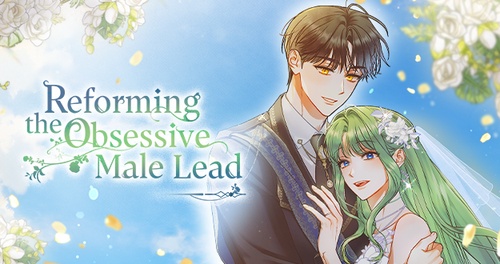
Bonjour, mes amis! Settle in, grab a croissant. Let’s talk about something fun, something a little… spicy. Ever dipped into the world of romance novels, particularly the Asian-inspired ones? You know, the ones where the male lead is, shall we say, a tad… intense?
We've all seen them. The cold CEOs, the powerful emperors, the mysterious martial artists. They’re rich, handsome, and utterly obsessed with the female lead. They’re ready to burn the world for her! Sounds romantic? Sometimes. But often… it's a little bit much, non?
Obsession: Romance or Red Flag?
Here’s the thing. The “obsessed male lead” trope is wildly popular. But it can easily cross the line into unhealthy territory. Possessiveness? Stalking? Controlling behavior masked as "love"? Pas si bon, as we say.
So, what happens when a writer decides to rehabilitate one of these problematic characters? What if we get to see them grow, to confront their flaws, to truly learn what healthy love means?
That, mes amis, is where the magic happens!

The Art of the Reformation
Think about it. The writer has a challenge. They need to keep the core appeal of the character – the intensity, the devotion – but dial down the toxicity. How do they do it?
Often, it starts with self-awareness. The male lead needs to recognize that his actions are, in fact, not okay. Maybe he needs therapy (yes, even fictional characters benefit from therapy!). Maybe he needs to hear some tough love from a friend. The key is for him to understand the impact of his behavior.
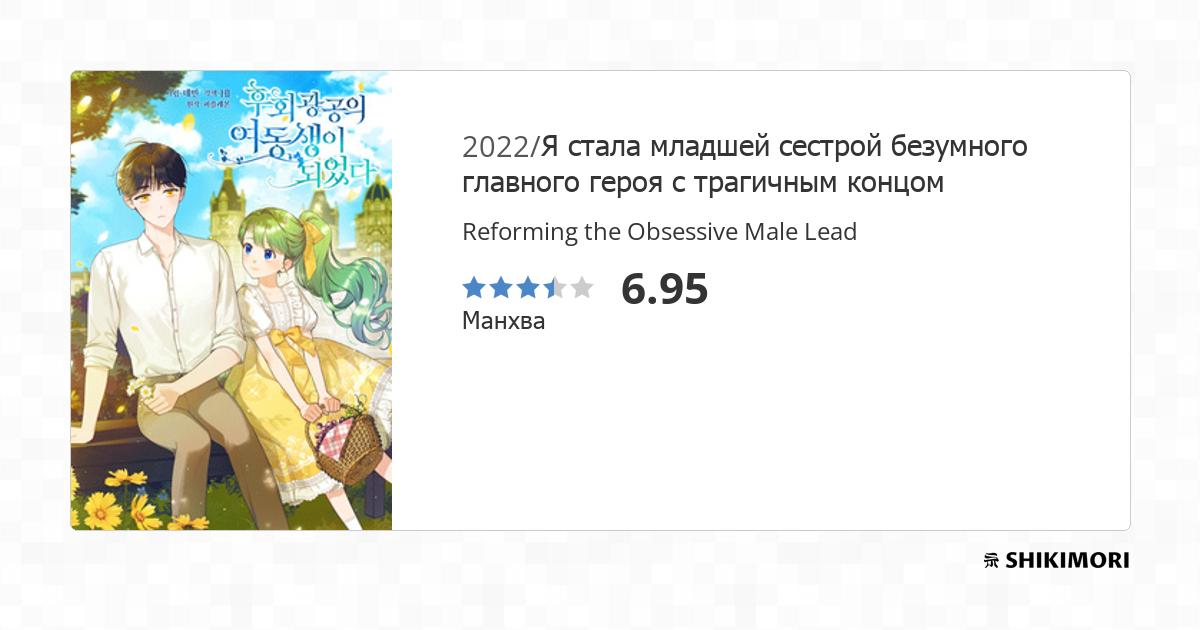
And then comes the work. Changing habits, especially deeply ingrained ones, is hard. The writer might show us the male lead actively trying to control his possessive urges. He might stumble, he might make mistakes, but the important thing is that he's trying.
But it doesn’t end there! We need to see him develop healthy coping mechanisms. We need to see him respecting the female lead's boundaries. We need to see him understanding that love isn't about control; it’s about support and trust.
Consider this: Instead of kidnapping the female lead to keep her safe (a common trope!), maybe he learns self-defense and offers to teach her. Instead of isolating her from her friends, he makes an effort to get to know them. See the difference?

Why We Love a Good Reformation
Why does this trope resonate so much with readers? Because it offers hope. It shows that even the most flawed individuals are capable of change. It reminds us that people aren't defined by their mistakes, but by their willingness to learn from them.
And let’s be honest, there's something undeniably satisfying about watching a powerful character humbled, growing, and becoming a better version of themselves for the sake of love. It’s not just about the romance; it's about the personal journey.
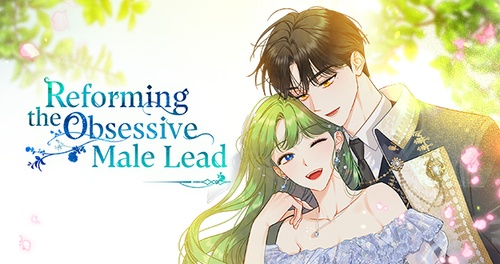
Besides, who doesn’t love a good redemption arc?
So, the next time you encounter an “obsessed male lead” in a novel, pay attention. Is the writer simply glorifying unhealthy behavior, or are they actively working to reform the character? It can make all the difference in the world.
And remember, true love shouldn't make you feel trapped. It should make you feel free.








![Read Épisode 18 - I'm Engaged to an Obsessive Male Lead [FR] | Tappytoon](https://d1ed0vta5mrb00.cloudfront.net/comics/10442/thumbnails/e972b3f4-b778-47ad-bf88-14a7f10c9cee.jpg)