Bonjour mes amis! Come, sit down, have a café. Let's chat about something that touches all our lives, whether we realize it or not: La Taxe à la Valeur Ajoutée, or as you might know it, TVA! Sounds intimidating, doesn't it? But trust me, it's not as scary as it sounds.
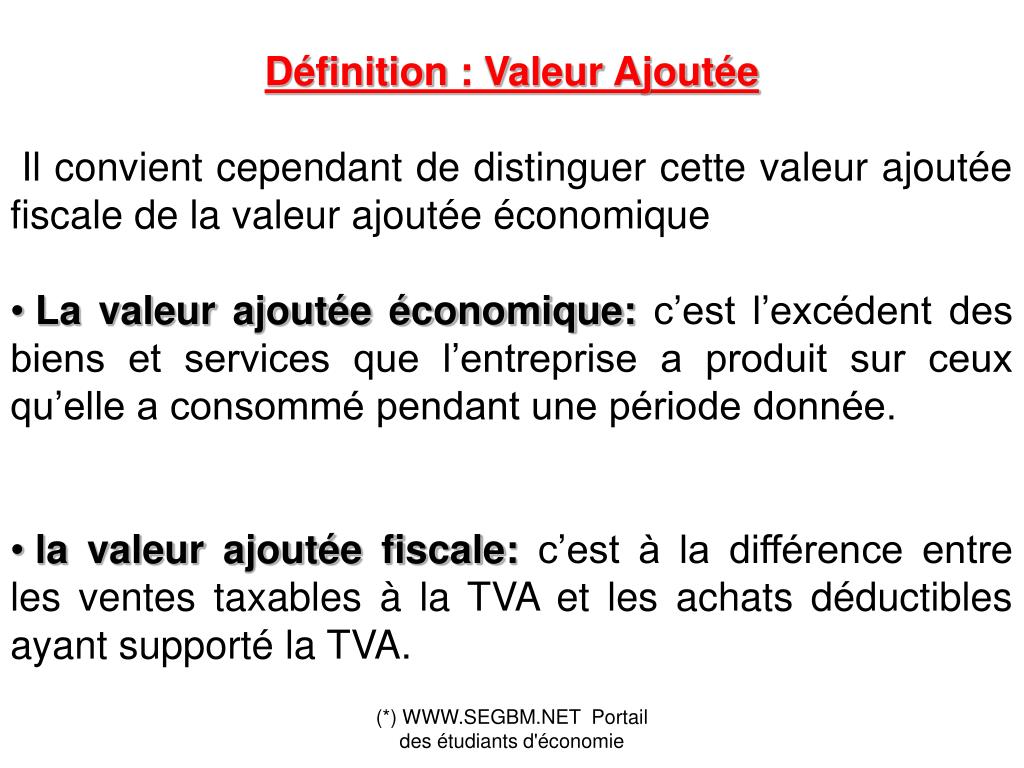
Think of it as a shared responsibility. We all contribute, in small ways, to keep things running smoothly. But what is TVA, exactly? Well, it's a value-added tax. Fancy, right? In simpler terms, it's a tax on the increase in value at each stage of production of a good or service.
Imagine a baguette, fresh from the boulangerie. That baguette didn't just appear, did it? First, someone grew the wheat. Then, someone milled it into flour. Then, our boulanger bought the flour, added his magic, and baked the baguette. TVA is applied at each of those stages, but only on the value added by each person.
How Does it Work?
Let's break it down even further. Remember that wheat farmer? He sells his wheat to the miller. He charges TVA on the sale price. The miller pays that TVA, but he can reclaim it from the government. Why? Because he's going to charge TVA again when he sells the flour! It's like a clever accounting game.
Then the miller sells the flour to the boulanger, adding his own TVA charge. Again, the boulanger pays the TVA, but he also gets to reclaim the TVA he paid on the flour he bought! Are you following me? It's a little like a relay race of taxes, but everyone (except the final consumer) gets to pass the baton (or the TVA bill!) back to the government for a refund.
Finally, you, the hungry consumer, stroll into the boulangerie and buy that delicious baguette. You pay the price, which includes TVA. And you are the one who ultimately bears the burden of the TVA. Sorry! But look on the bright side – you get a delicious baguette!

Different Rates for Different Folks (and Goods!)
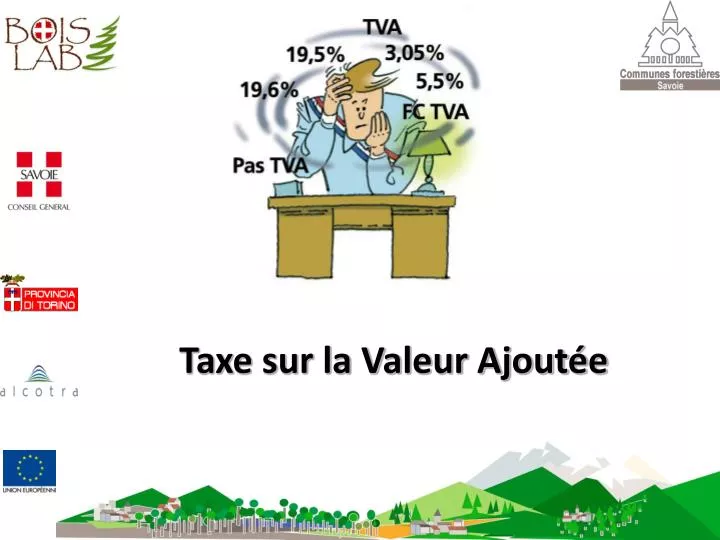
Now, here's something interesting. The TVA isn't a one-size-fits-all kind of tax. There are different TVA rates. Think of it like different sizes of coffee. A café allongé is bigger and costs more than an espresso. Similarly, some things have a higher TVA rate than others.
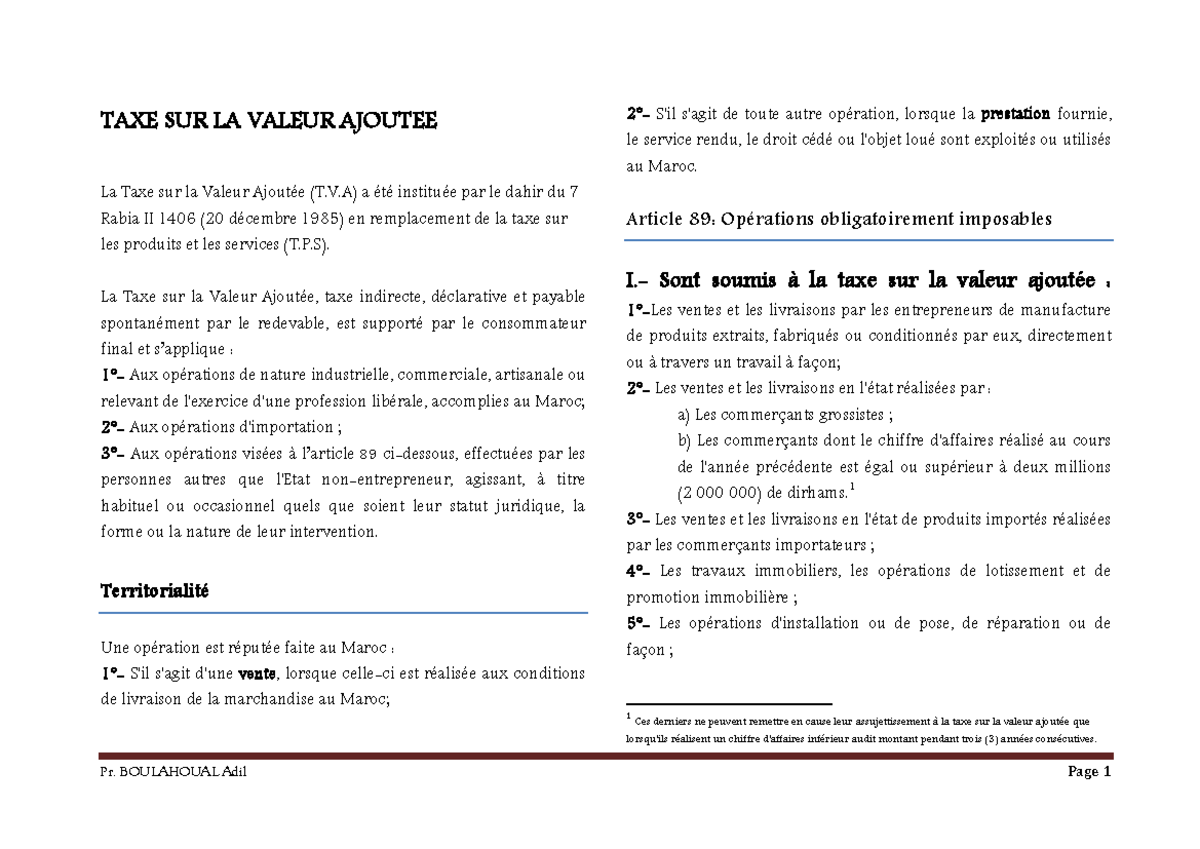
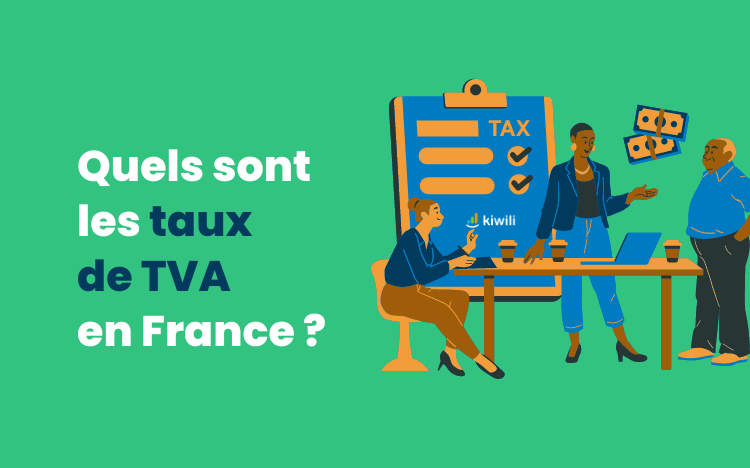
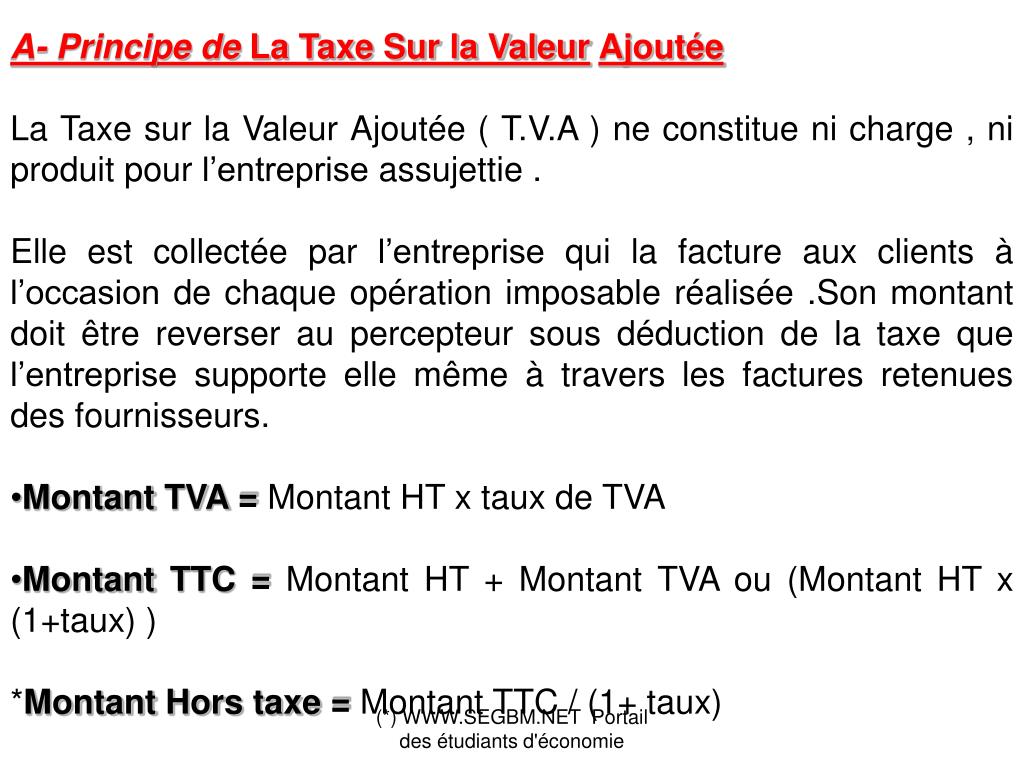
In France, you generally find these rates: a standard rate, a reduced rate, and sometimes even a super-reduced rate! The standard rate applies to most goods and services. The reduced rate applies to things like food, books, and passenger transport. And the super-reduced rate? Well, that applies to a very small number of items, usually considered essential.
Why different rates? It's all about priorities. Governments use TVA rates to encourage or discourage certain behaviors. They might lower the rate on essential goods to make them more affordable, or raise it on luxury items. It's a way to influence the economy, subtly, through our wallets. C'est intelligent, non?
For example, books often have a lower TVA rate than, say, a new car. The government wants to encourage reading, and discourage excessive consumption. C’est logique!
Why Do We Need TVA Anyway?
Good question! Why all this tax fuss? Well, TVA is a major source of revenue for the government. Think of all the things the government pays for: schools, hospitals, roads, police… it all costs money! And TVA helps to foot the bill. It's a way for all of us to contribute to the common good.
Some argue that TVA is a regressive tax, meaning it disproportionately affects lower-income households. Why? Because everyone pays the same percentage of tax, regardless of their income. So, for someone earning a small amount, TVA represents a larger chunk of their income than for someone who is very wealthy.
But others argue that TVA is a efficient tax because it's difficult to avoid. Every transaction is taxed, so it's hard to hide income from the tax authorities. And because businesses can reclaim the TVA they pay on their inputs, it encourages them to keep accurate records.
+est+un+impôt+indirect+qui+est.+payé+sur+les+achats+facturés%2C.jpg)
C'est un débat sans fin! But one thing is certain: TVA is a significant part of the economic landscape in France (and many other countries). It's something we all need to understand, even if we don't necessarily love it.
TVA and You: A Few Practical Thoughts
So, what does all this mean for you, day-to-day? Well, you're probably paying TVA every time you buy something. Look closely at your receipts. Often, the TVA amount is listed separately. You might be surprised at how much it adds up to!
If you're a business owner, understanding TVA is crucial. You need to know how to collect it, how to report it, and how to reclaim the TVA you've paid. There are lots of resources available to help you, including accountants, tax advisors, and online guides. Don't be afraid to ask for help!
And if you're planning a trip to France, remember that you may be able to claim a refund on the TVA you paid on certain goods. This is particularly relevant if you're a non-EU resident. Look for the "Tax Free Shopping" signs in stores, and ask about the procedures for claiming a refund. It can save you a significant amount of money!
Navigating the intricacies of the TVA system can be a bit complex, especially at first. It may feel like you're lost in a bureaucratic maze. Don't worry, you're not alone! Many people find it confusing. But with a bit of patience and research, you can get the hang of it.
Alors, there you have it! A little chat about TVA. It might not be the most exciting topic in the world, but it's an important one. And hey, now you can impress your friends with your knowledge of French tax law!
Remember, understanding TVA is all about understanding how our society works, how we all contribute, and how we can all benefit. And isn't that a nice thought to leave you with? Now, au revoir, and enjoy the rest of your day! Perhaps another café, soon?





.jpg)