Salut les amis! Ever dreamt of effortlessly chatting in Spanish, ordering tapas like a pro, or simply understanding your favorite reggaeton song? Well, knowing the verb "tener" (to have) in the present indicative tense is your golden ticket. Consider it your linguistic Swiss Army knife – super versatile and essential for everyday conversation. Alors, on y va!
Tener: Your Spanish "To Have"
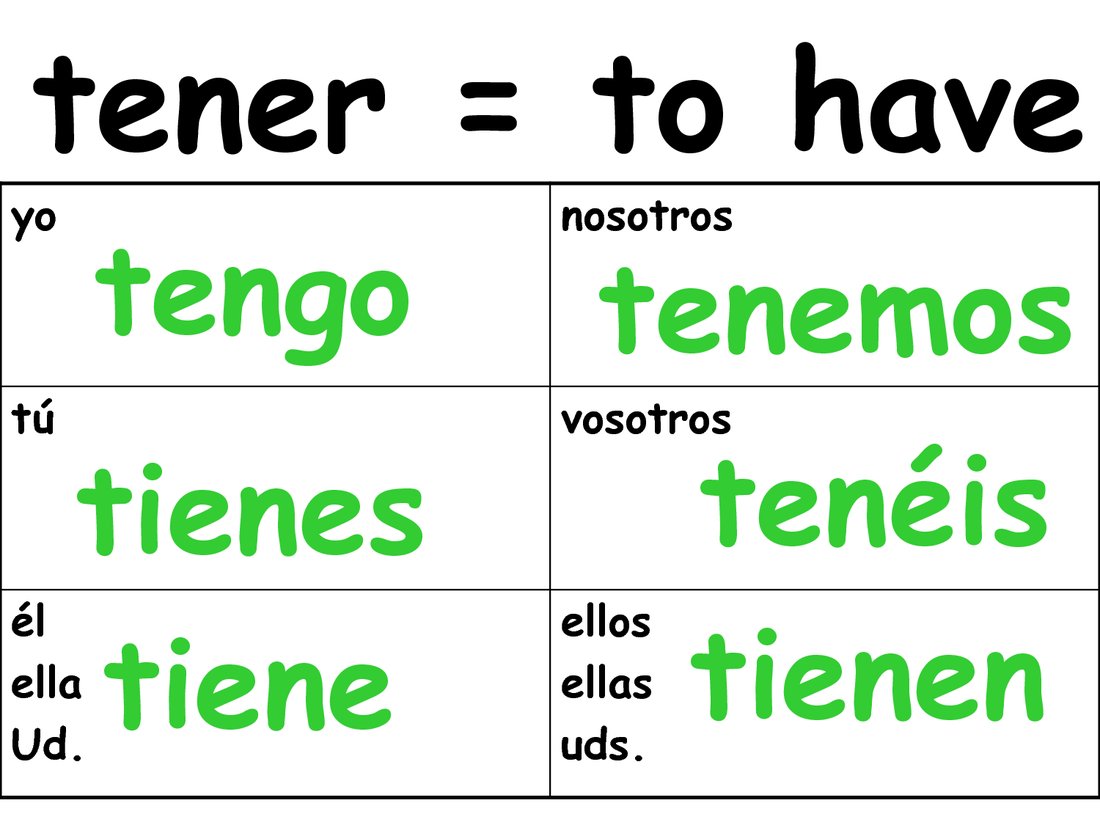
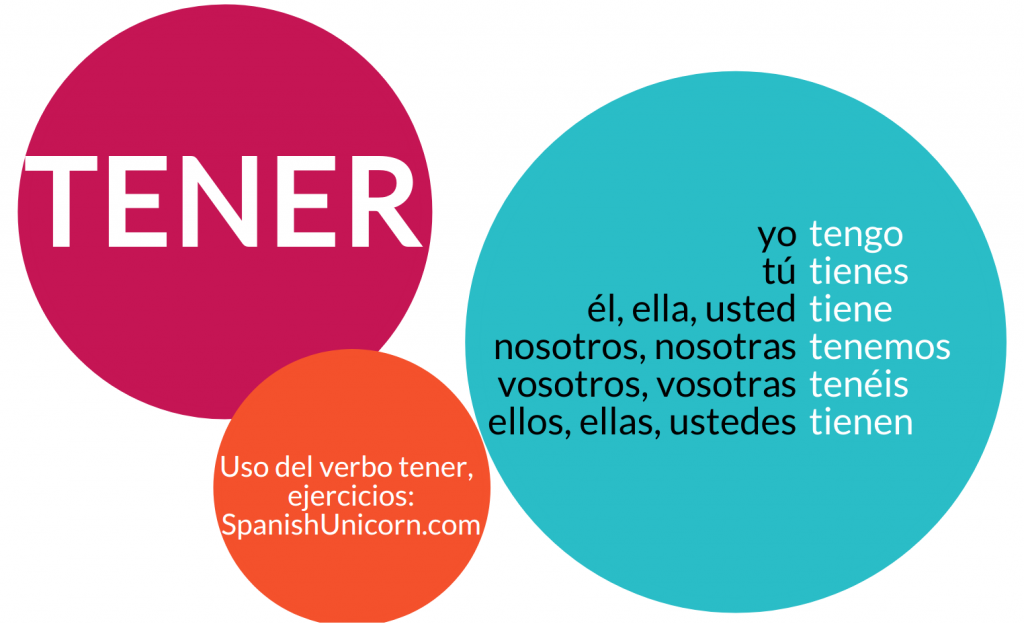
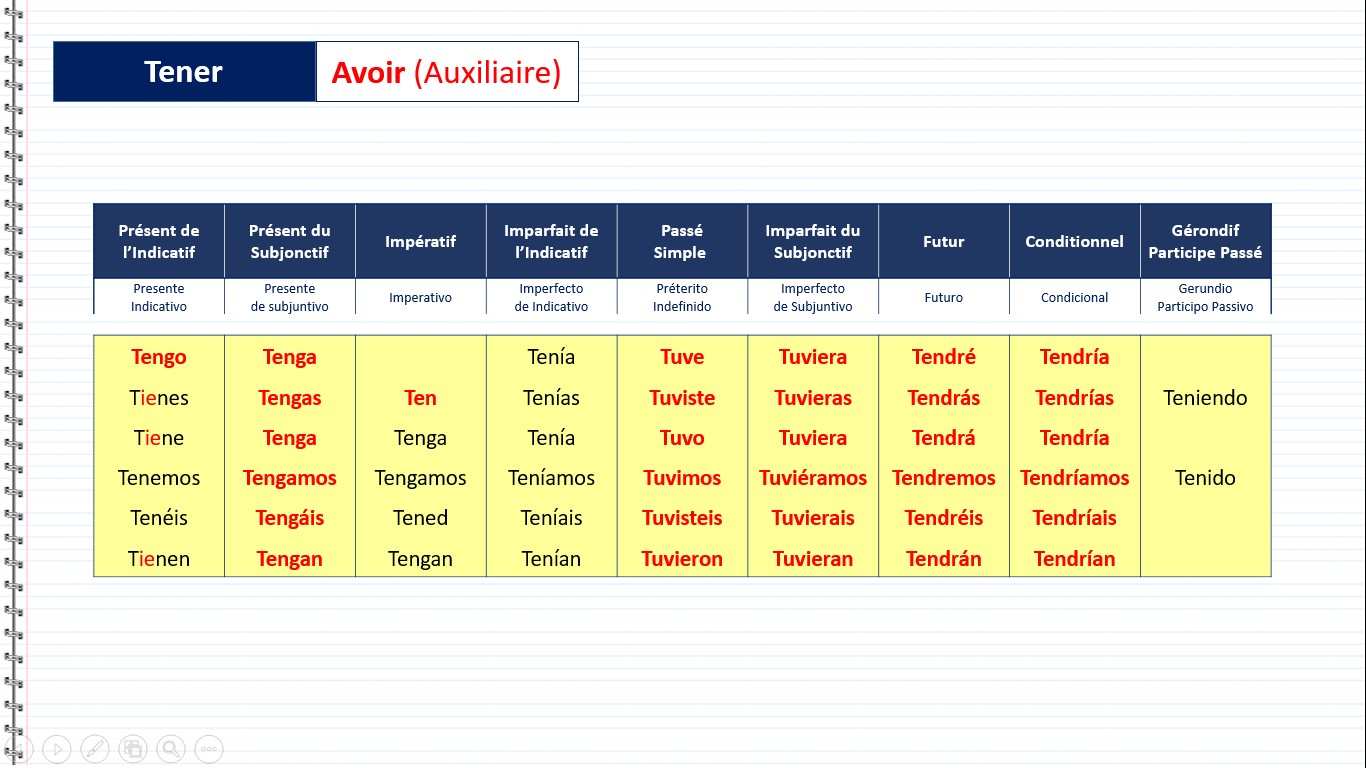
Think of "tener" as the Spanish equivalent of "to have" in English. It expresses possession, age, feelings, and even certain obligations. Mastering its present tense conjugation is fundamental. Here's the breakdown:
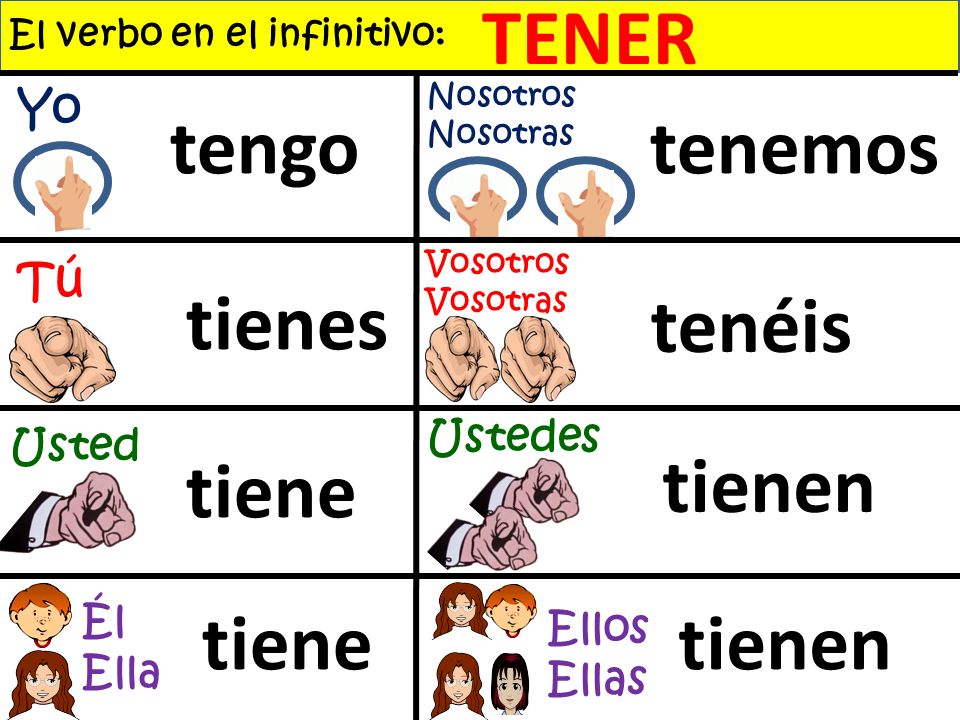
- Yo tengo – I have
- Tú tienes – You have (informal)
- Él/Ella/Usted tiene – He/She/You (formal) have
- Nosotros/Nosotras tenemos – We have
- Vosotros/Vosotras tenéis – You have (informal, plural, mainly used in Spain)
- Ellos/Ellas/Ustedes tienen – They/You (formal, plural) have
Easy peasy, right? Now, let's see it in action. Imagine you're at a bustling tapas bar in Madrid:
"Yo tengo mucha hambre!" (I'm very hungry!) You exclaim, eyeing those delicious patatas bravas.
"¿Tú tienes sed?" (Are you thirsty?) Your friend asks, gesturing towards the refreshing sangria.
Beyond Possession: Tener's Many Talents
Tener isn't just about possessing objects. It's a true chameleon verb, adapting to various situations. Here are a few key uses:
Age
Unlike English where we "are" a certain age, in Spanish, we "have" years. So, to say "I am 25 years old," you'd say: "Yo tengo veinticinco años."

Feelings and Sensations
Tener expresses many feelings and sensations, often in conjunction with a noun:
- Tener miedo – To be afraid
- Tener calor – To be hot
- Tener frío – To be cold
- Tener sueño – To be sleepy
- Tener razón – To be right
Picture this: You're walking along a chilly Barcelona street in January. "¡Tengo mucho frío!" (I'm very cold!) you shiver, already dreaming of a warm churro con chocolate.
Obligations
Tener que + infinitive indicates obligation or necessity. It's like saying "have to" in English.
"Tengo que estudiar para el examen." (I have to study for the exam.) Ah, the joys of student life!

Tips and Tricks for Mastering Tener
- Practice, practice, practice! Use flashcards, language learning apps, or even just talk to yourself in Spanish (no judgment here!).
- Listen to native speakers. Watch Spanish movies, TV shows, or listen to podcasts. Pay attention to how they use tener in different contexts.
- Don't be afraid to make mistakes! Everyone messes up when learning a new language. The important thing is to keep practicing and learning from your errors.
- Immerse yourself in the culture. Travel to a Spanish-speaking country if you can. Even just trying Spanish food and listening to Spanish music can help you connect with the language.
A Little Cultural Touch
Did you know that in some Latin American countries, it's common to say "Tengo ganas de..." (I feel like...) when expressing a desire? For example, "Tengo ganas de bailar!" (I feel like dancing!) So, next time you're in a salsa club, unleash your inner dancer and declare your desire!
Also, you might hear native speakers say "No tengo ni idea" (I have no idea). It's a common and useful phrase to add to your repertoire.
Réflexion Finale
Learning tener is more than just memorizing conjugations; it's about unlocking a new way of expressing yourself. It's about connecting with a culture, understanding its nuances, and ultimately, building bridges with people from around the world. So, go forth, practice your tener, and embrace the beauty of the Spanish language. You'll be surprised how quickly you're able to communicate your needs, desires, and even your feelings of hunger after mastering this essential verb. ¡Buena suerte! And remember, even if you "tienes" a little doubt, keep practicing!