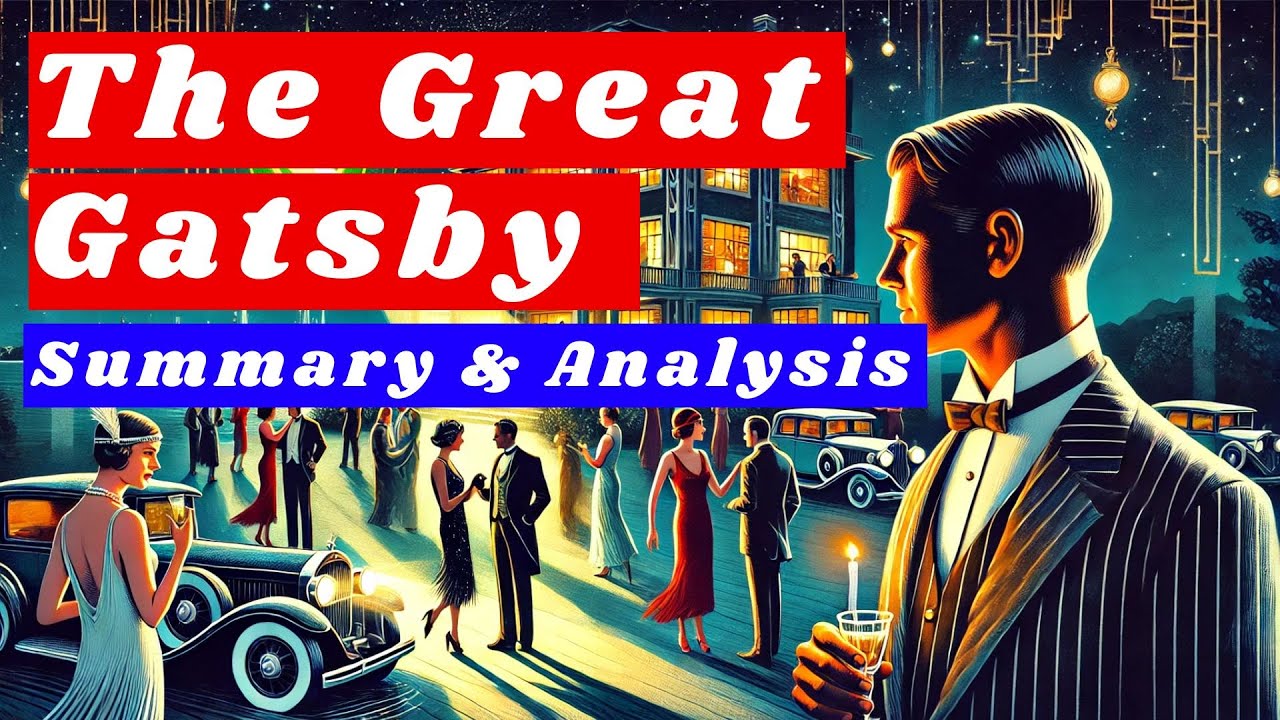
Okay, so imagine this: I was at this totally pretentious party last weekend, right? Everyone was dressed like they’d just stepped out of a catalog, the music was ridiculously loud, and everyone was talking about things I clearly couldn’t afford. I spent most of the night huddled in a corner, awkwardly sipping lukewarm champagne. It suddenly hit me – this felt strangely familiar. Like, Great Gatsby familiar. And that's when I thought, "Hey, maybe I should finally, really understand what that book was all about." You know, beyond the glitz and the glamour.
So, let’s dive into The Great Gatsby by F. Scott Fitzgerald. It’s more than just a roaring twenties party; it’s a story about the American Dream, love, loss, and the disillusionment that comes when you chase an illusion. Trust me, even if you haven't read it since high school, it's worth a revisit.
Who's Who and Where's Where
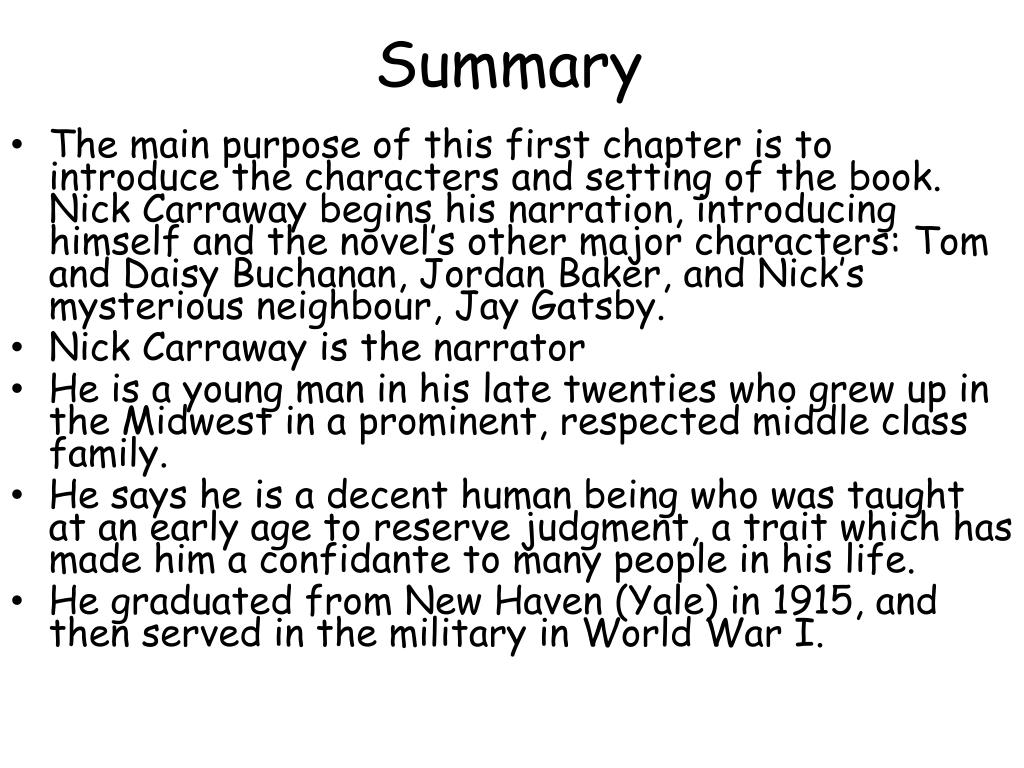
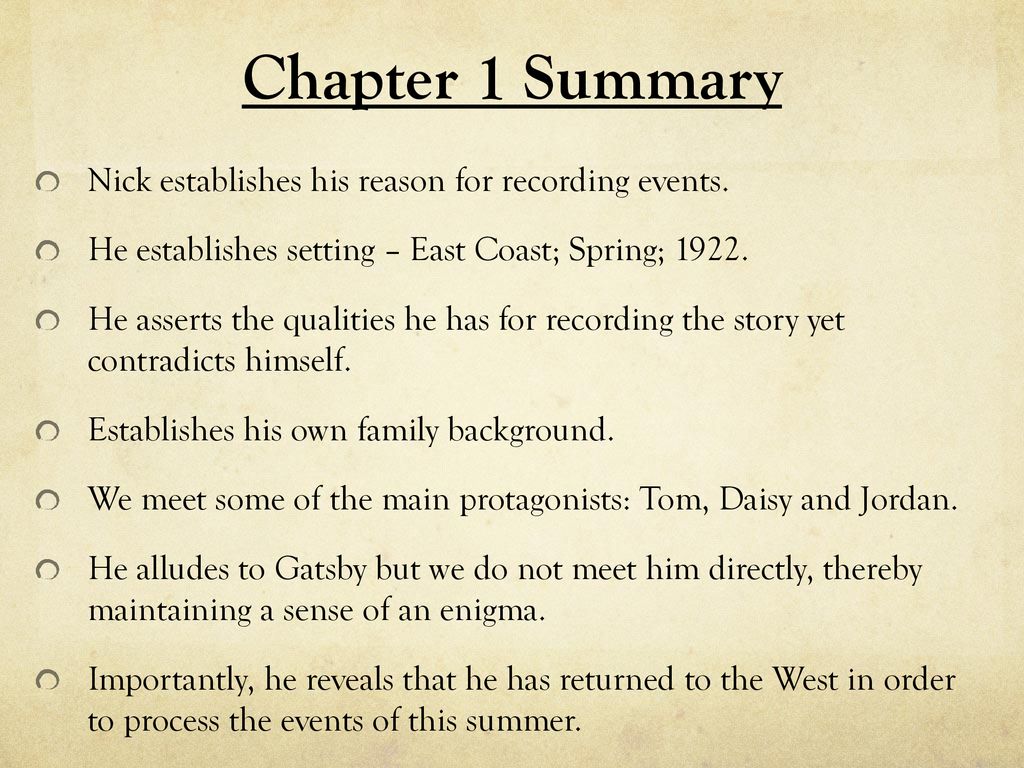
First, let’s get the basics straight. We’ve got a few key players:
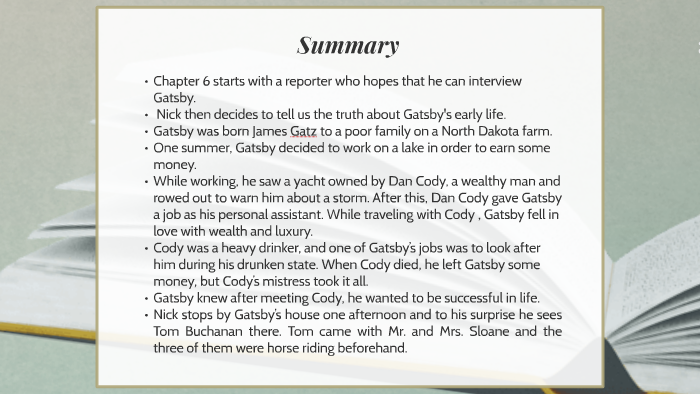
- Jay Gatsby: The mysterious millionaire hosting these extravagant parties. Spoiler alert (though, come on, it’s a classic!), he’s not just rich. He's rich for a reason.
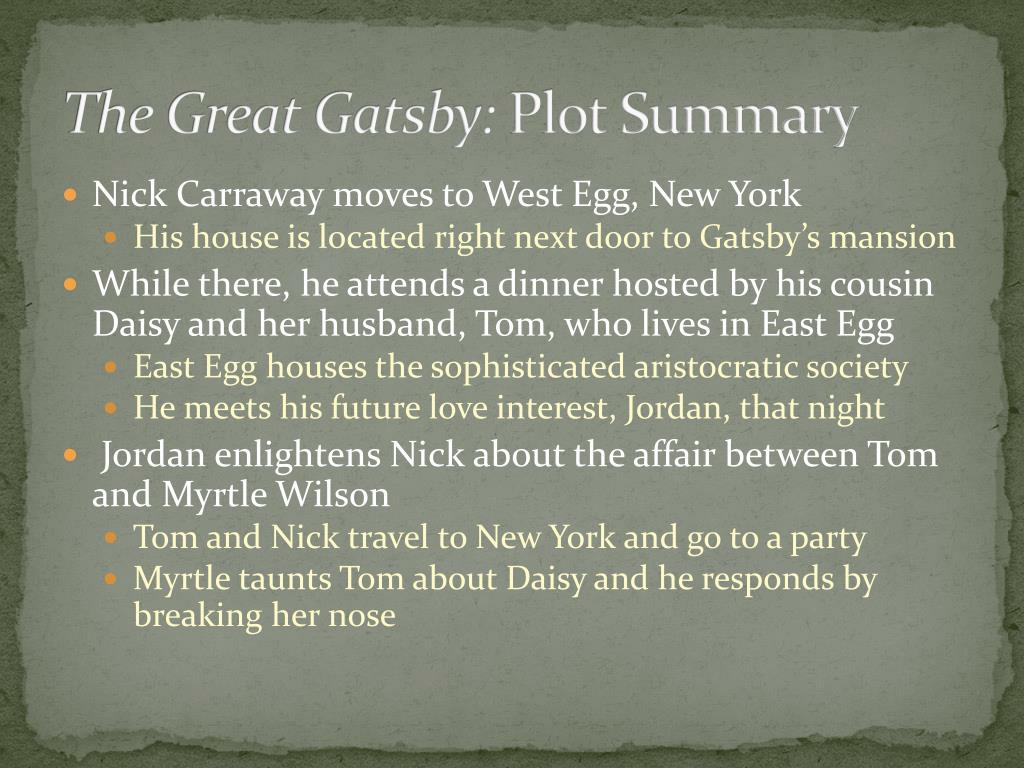
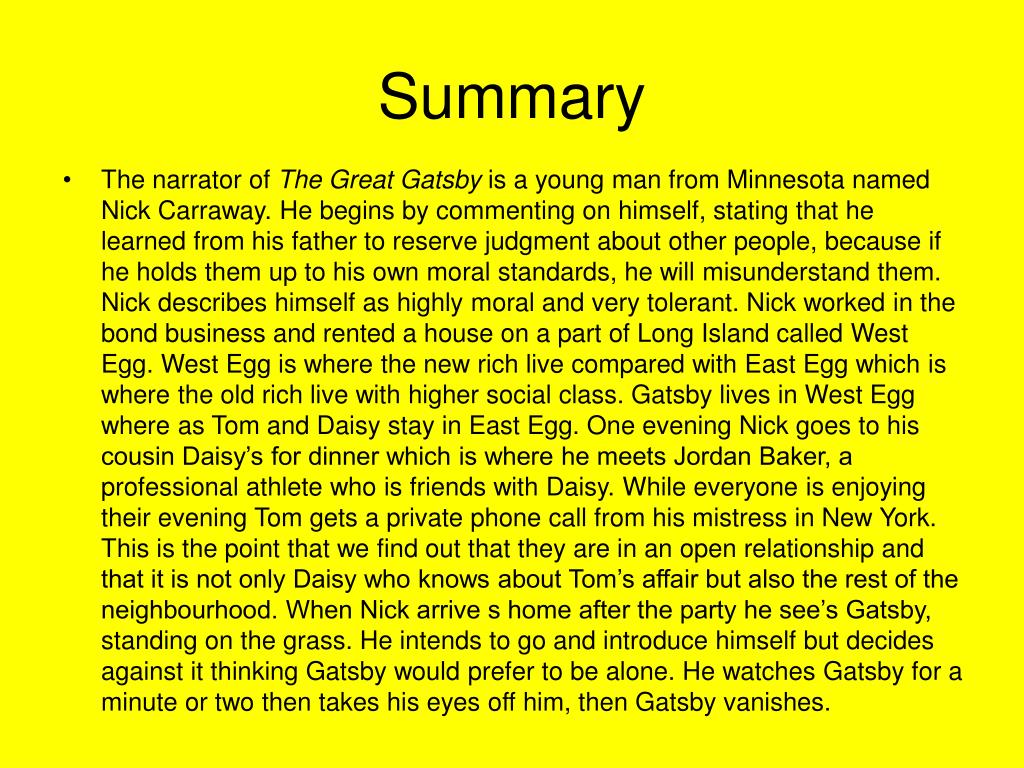
- Nick Carraway: Our narrator. He's Gatsby's neighbor and also Daisy's cousin. Think of him as the audience insert; he’s just trying to figure out what's going on, just like us. He's supposedly "morally sound," but, well, you decide.
- Daisy Buchanan: The object of Gatsby’s affection. She’s beautiful, charming, and… married. (Uh oh!)
- Tom Buchanan: Daisy’s incredibly wealthy and powerful husband. He’s also a cheater, a bully, and, frankly, a terrible human being. (You'll hate him. Almost guaranteed.)
- Jordan Baker: A professional golfer and Nick's… well, more than a friend. She’s cynical and a bit dishonest. Adding another layer of questionable morality, because why not?
- Myrtle Wilson: Tom’s mistress. She’s desperate to escape her life and climb the social ladder, which, predictably, doesn't end well.
- George Wilson: Myrtle's husband. A gas station owner whose despair and tragic end are central to the book's message.
And the setting? We’re in the summer of 1922 on Long Island, New York. Specifically:
- West Egg: Where Nick and Gatsby live. It's new money. Think flashy and trying too hard.
- East Egg: Where Daisy and Tom live. Old money. Think subtle, inherited wealth, and a sense of entitlement.
- The Valley of Ashes: A desolate wasteland between West Egg and New York City. Symbolically, it represents the moral and social decay hidden beneath the glittering surface of the Roaring Twenties. Basically, the reality behind the facade.
The Story Unfolds (Without Giving Everything Away)
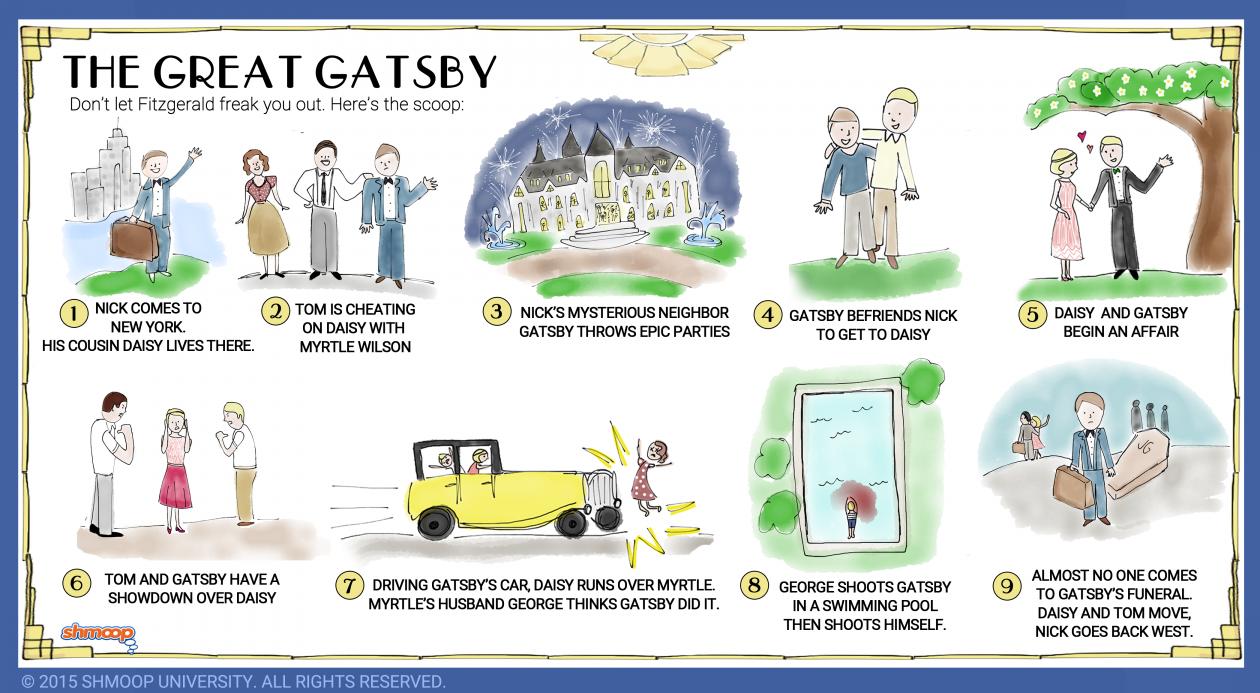
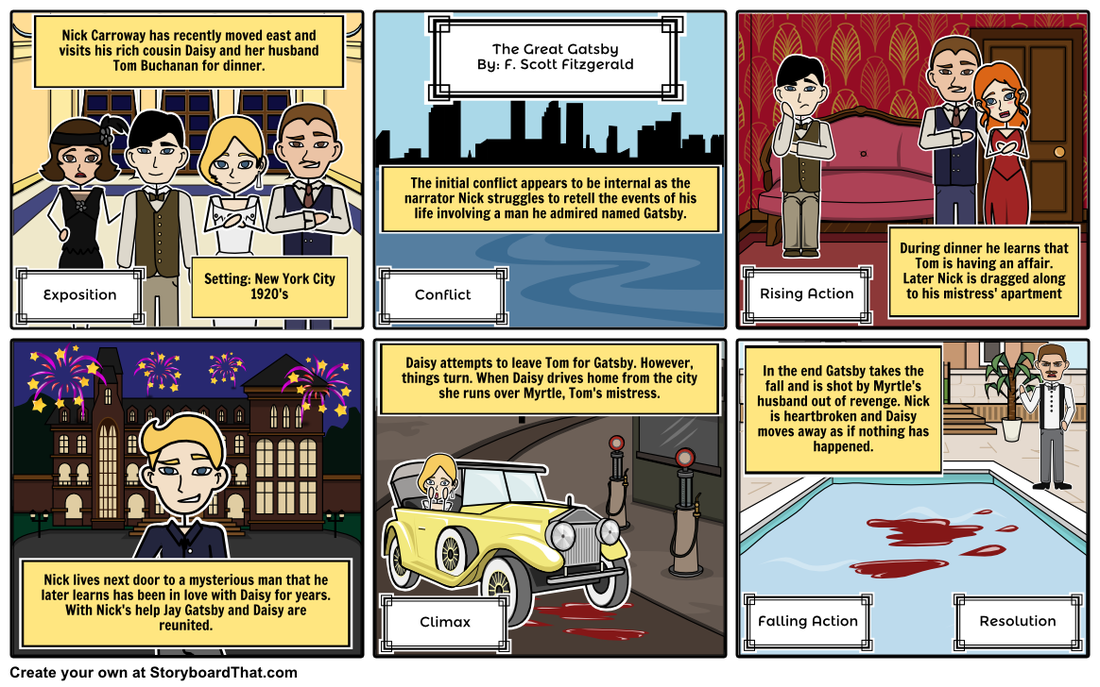
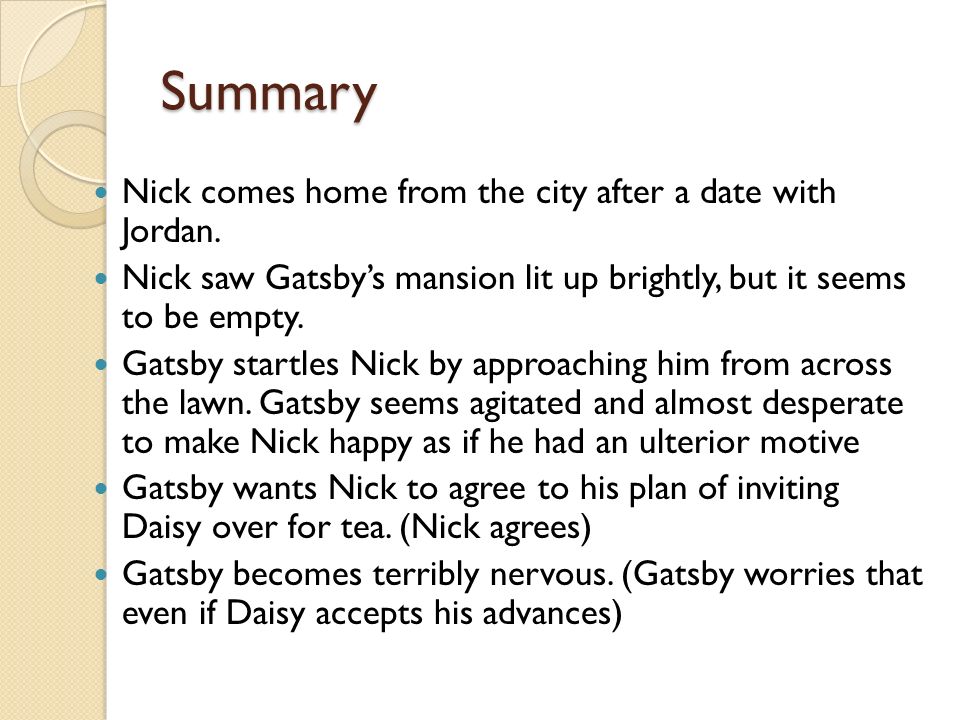
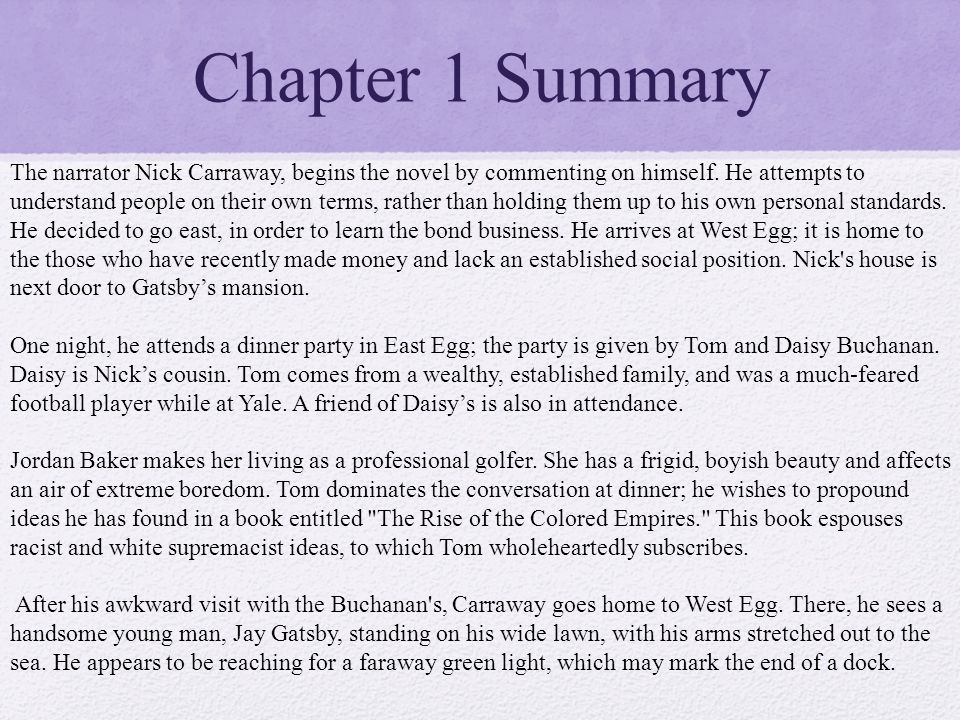
Okay, so Nick moves to West Egg and is immediately drawn to his mysterious neighbor, Gatsby. Gatsby throws these ridiculously lavish parties, but no one really knows him. He’s just… there, observing. Think of those influencer parties where everyone's taking pictures but nobody actually knows each other. Same vibe.
Eventually, Nick learns that Gatsby's entire life is centered around his obsession with Daisy. Years ago, they were in love, but Daisy chose to marry Tom for his money and social status. Now, Gatsby is trying to win her back. He's built his entire empire for her. Seriously, everything he's done, every single decision, has been about getting Daisy's attention.
Gatsby arranges a meeting with Daisy through Nick. (Awkward, right?) They reconnect, and it seems like maybe, just maybe, Gatsby has a chance. They start an affair (double uh oh!). Things get complicated, fast. Like, soap opera levels of complicated.
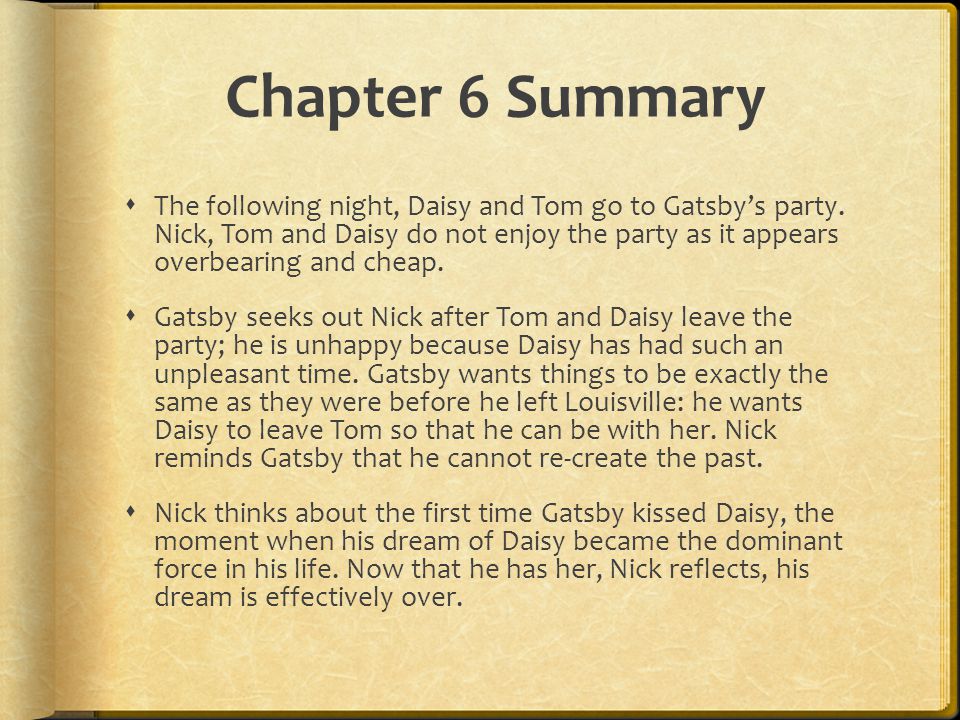
The tension builds to a boiling point during a trip to New York City. Tom, finally realizing that Daisy is slipping away, confronts Gatsby. He exposes Gatsby's "new money" roots and implies that Gatsby's wealth is tainted (which, let's be honest, it kind of is). Daisy, unable to break free from the security of her marriage and the power of Tom's social standing, chooses Tom. She basically throws Gatsby under the bus. And you just want to scream at her.
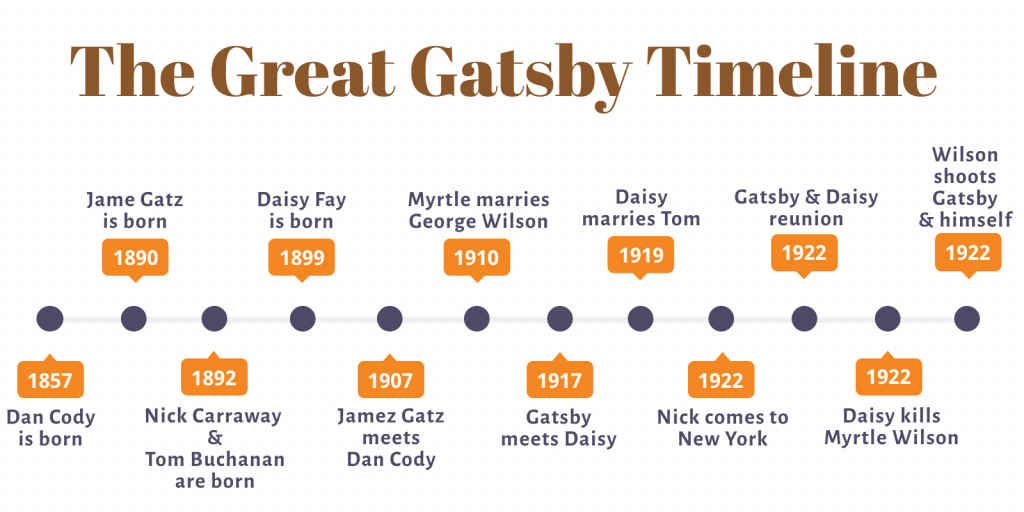
This is where things go really wrong. Myrtle, Tom's mistress, is accidentally hit and killed by Daisy while driving Gatsby's car. (Yeah, it’s a mess.) Gatsby takes the blame to protect Daisy. George, Myrtle’s grieving husband, believes Gatsby killed her and… well, you can probably guess where this is going. Tragic ending ahead. Prepare yourself.
The Themes and Why They Still Matter
So, what's the big deal? Why is The Great Gatsby still relevant after all these years? It all comes down to the themes:
The American Dream
This is the big one. Gatsby embodies the idea that anyone can achieve success through hard work and determination. He pulls himself up from nothing and becomes a millionaire. But the novel critiques this idea by showing that Gatsby's dream is ultimately based on an illusion. He believes he can recreate the past and win back Daisy, but the past is gone, and Daisy is not who he remembers her to be. The American Dream, Fitzgerald argues, can be corrupted by materialism and a relentless pursuit of social status. Think about those "overnight success" stories you see on social media - how much of it is real, and how much is manufactured?
Love and Illusion
Gatsby’s love for Daisy is not based on reality. He has created an idealized image of her in his mind, and he refuses to see her for who she truly is – flawed, selfish, and ultimately, unworthy of his devotion. He's basically in love with an idea, not a person. Sound familiar? We've all been there, haven't we? (Okay, maybe not to this extreme.) The book highlights the danger of romanticizing the past and clinging to illusions that prevent us from seeing the present clearly.
Social Class and the Corruption of Wealth
The novel sharply contrasts the "old money" of East Egg with the "new money" of West Egg. The "old money" elite, like Tom and Daisy, are portrayed as decadent, arrogant, and morally bankrupt. They are born into privilege and believe they are entitled to whatever they want. Gatsby, on the other hand, is trying to buy his way into their world, but he will never truly be accepted. He doesn’t understand the unspoken rules and subtle codes of the upper class. This exploration of social class exposes the hypocrisy and inequalities that lie beneath the surface of American society. It makes you wonder, what really defines success, and is it worth sacrificing your integrity to achieve it?
The Passage of Time and the Impossibility of Recreating the Past
Gatsby’s relentless pursuit of Daisy is an attempt to recapture the past. He believes that if he can just get Daisy back, he can erase the past five years and everything will be like it was before. But the past is irretrievable. People change, circumstances change, and you can’t simply rewind time. The novel suggests that clinging to the past can be destructive and prevent us from moving forward. Time marches on, people! Deal with it!

Why You Should Read (or Re-Read) It
The Great Gatsby is more than just a classic novel. It’s a powerful commentary on the American Dream, the corrupting influence of wealth, and the illusions we create for ourselves. It's a cautionary tale about the dangers of chasing an impossible dream and the importance of seeing reality for what it is. Plus, it's just a darn good story, full of drama, romance, and tragic irony.
So, next time you find yourself at a ridiculously opulent party surrounded by people trying to impress each other, remember Gatsby. Remember the green light across the bay. And remember that sometimes, the most glittering surfaces hide the deepest shadows. You know, food for thought!
And hey, if you do re-read it, let me know what you think! I'm always up for a good Gatsby discussion.


.webp)