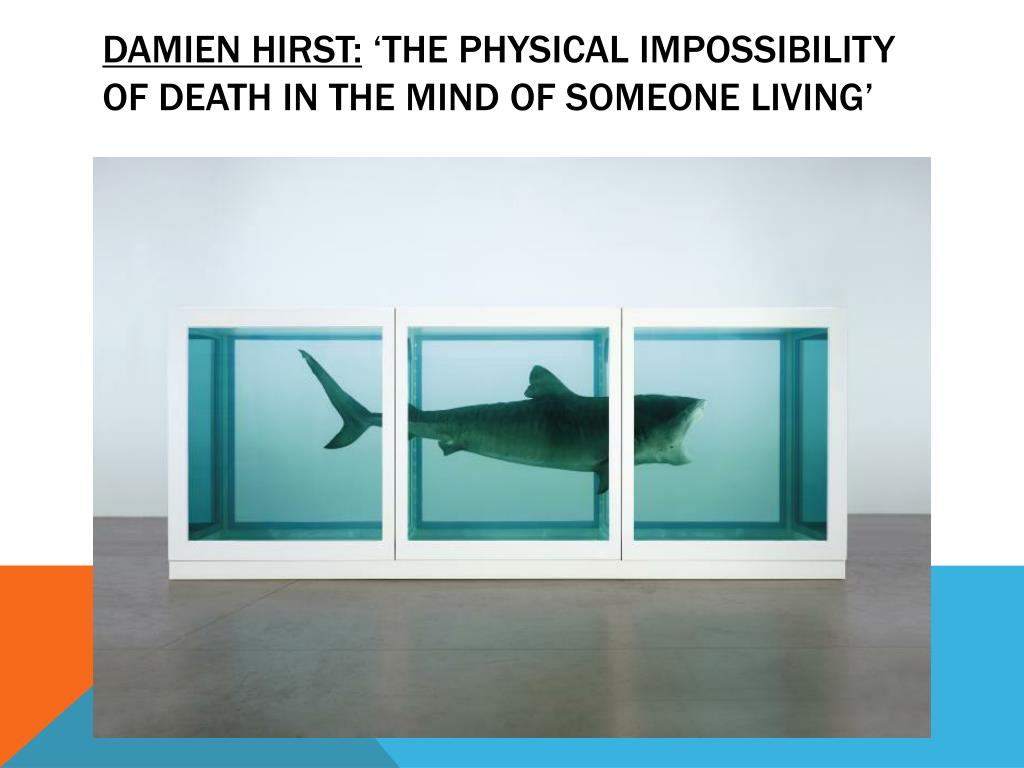
Salut toi ! Ever had that weird feeling? Like you’re watching a movie of your life, and you know it has to end someday, but that “someday” feels… distant? Like, really distant?
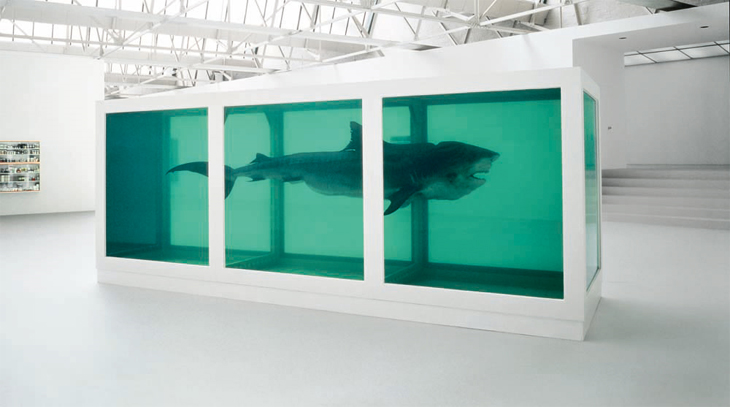
Well, you're not alone! Turns out, there's a whole philosophical concept floating around about how tricky it is for us to truly grasp our own mortality. It’s called, well, roughly translated, "The Impossibility of Death in the Mind of Someone Living." Fancy, right? Don't let the name scare you; it's actually super interesting and kind of… comforting. On va décortiquer ça ensemble!
Why Does Death Feel So… Unreal?
Think about it. Everything you experience, every thought, every laugh, every cringeworthy moment, is all happening within your consciousness. Your consciousness is, like, the ultimate movie screen, and you're the only one in the audience. So how can that movie screen imagine itself going blank? Difficile, non?
It's like trying to picture nothingness. You can try to imagine blackness, maybe even silence, but that's still something. True nothingness? Our brains just don't seem equipped to handle it. They're too busy being something!
Remember when you were a kid and your parents told you about "forever"? Did you really understand it? Probably not. It just sounded like a really, really, really long time. Death, in a way, is kind of like that "forever." It's a concept we can intellectually grasp, but our internal movie screen has a hard time projecting it.
Let’s say you're driving. You know accidents happen. You've seen the news. You buckle up, you drive carefully. But deep down, do you really believe it's going to happen to you, right now? Most likely not. There's that little voice in the back of your head saying, "Nah, not today. I'm a good driver. That happens to other people."

It's Not About Denial, But… Something Else
Now, this isn’t about being in denial. It’s not about pretending we're immortal (although wouldn't that be something?). It's about recognizing a fundamental limitation of our minds. Our brains are designed to survive, to plan, to experience. They're not really built to contemplate their own cessation.
Think of your favorite book. You love the characters, you get invested in their stories. You know the book has an ending, but you don't spend all your time worrying about the last page, do you? You're too busy enjoying the journey! It's similar with life. We know it ends, but our minds naturally focus on the "now," on the experiences we're having.
It's like trying to teach a fish about the concept of "dry land." The fish can understand the words, but it can't truly comprehend the experience. We're the fish, and death is dry land. We hear about it, we read about it, but we can't fully internalize it.

Why Bother Thinking About It?
Okay, so we've established it's hard to grasp. Why should we even bother trying? Because understanding this inherent limitation can actually make our lives richer and more meaningful! Here's why it matters:
1. It encourages us to appreciate the present. If the "end" feels distant and unreal, then the "now" becomes even more precious. That sunset? That conversation with a friend? That really good croissant? Savor it! Don't take it for granted!
2. It helps us prioritize what truly matters. If we know our time is finite (even if we can't fully grasp that finiteness), we're more likely to focus on the things that bring us joy, fulfillment, and connection. Less time doomscrolling, more time connecting with loved ones!
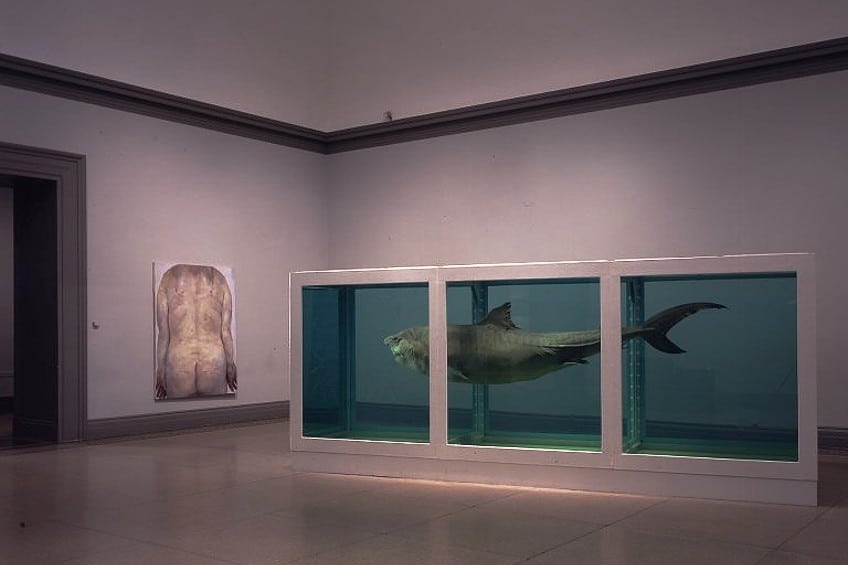
3. It can reduce anxiety about death. Paradoxically, acknowledging that our minds struggle to comprehend death can actually make us less afraid of it. It’s like saying, "Okay, brain, I know you're not good at this. That's okay. We'll just focus on living well, and let the future take care of itself."
4. It fosters empathy. Realizing that everyone else is also grappling with this inherent inability to truly grasp their own mortality can make us more understanding and compassionate towards others. We're all in this boat together, navigating this strange and wonderful thing called life!
Small Changes, Big Impact
You don't need to become a philosopher to apply this! Here are a few simple things you can do:
- Practice mindfulness. Pay attention to your senses. What do you see? What do you hear? What do you feel? The more present you are, the more you appreciate the moment.
- Express gratitude. Take a few minutes each day to think about the things you're grateful for. It's a simple way to shift your focus to the positive aspects of your life.
- Connect with loved ones. Spend time with the people who matter most to you. Tell them you love them. Listen to their stories.
- Do something that scares you (a little). Step outside your comfort zone. It's a reminder that you're alive and capable of growth.
Imagine you're baking a cake. You know you're going to eat it eventually, but you don't spend all your time thinking about the empty plate. You focus on the ingredients, the mixing, the baking, the delicious aroma filling your kitchen. Life is like that cake. Enjoy the process!
The Takeaway: Live Your Best Movie
So, the next time you feel that weird disconnect between your awareness and the idea of your own death, remember that you're not alone. It's a fundamental part of the human experience. Embrace the present, cherish your relationships, and live your life to the fullest. After all, you're the only one in the audience of your own movie. Make it a good one!
Et voilà! Hopefully, this has given you something to think about – and maybe even a little inspiration to live more fully. À bientôt!