
Okay, imagine this: you're invited to a ridiculously fancy party. The kind where everyone's wearing clothes that cost more than your car. You're feeling a bit out of place, maybe sipping some sparkling water nervously. Suddenly, BAM! Lightning strikes! A massive storm rolls in, scattering everyone like leaves in the wind. Total chaos. That, my friends, is basically the vibe of The Tempest, only replace the fancy party with a royal ship and the sparkling water with... well, probably wine. Definitely wine.
See, Shakespeare wasn't just writing pretty words (though he did that really well). He was also crafting stories packed with power struggles, revenge plots, magic spells, and, yes, even a bit of romance. And The Tempest? It's like a perfectly brewed potion of all that goodness. So, let's dive into the swirling waters of this play and try to make some sense of the shipwreck, the sorcery, and the surprisingly forgiving ending. Spoiler alert: there's a lot going on.
The Setup: Exile and a Stormy Revenge
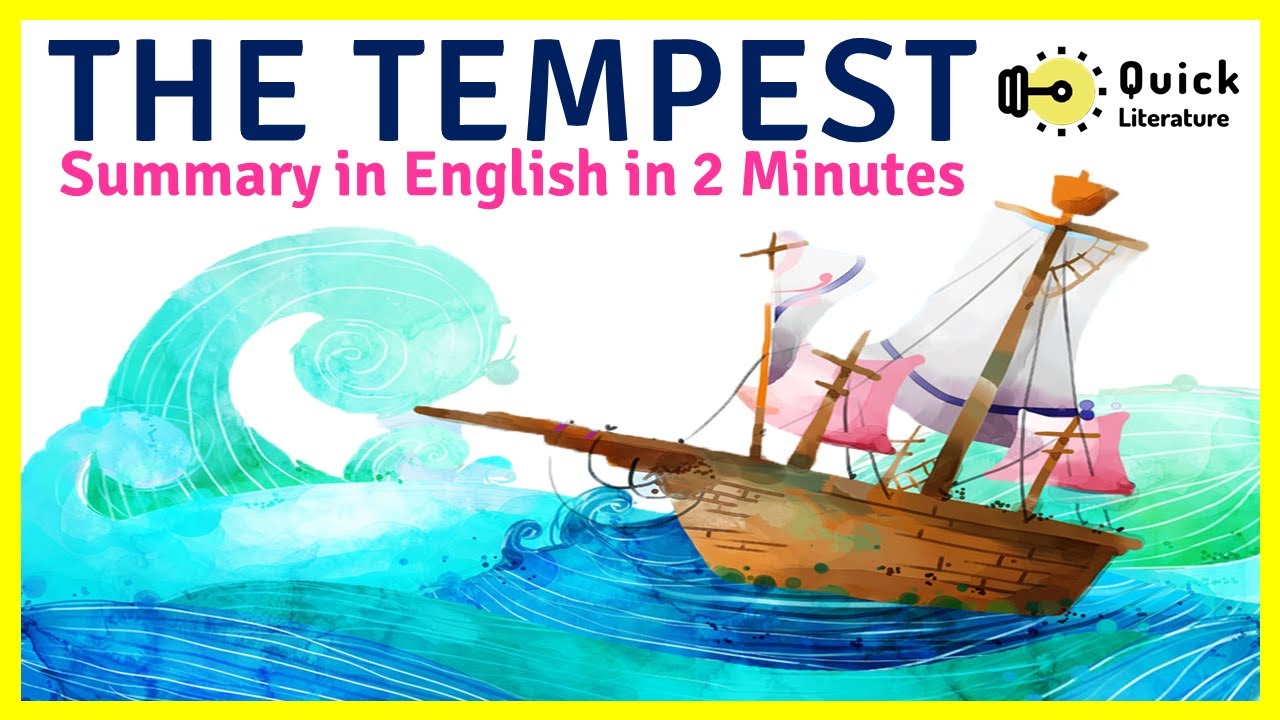
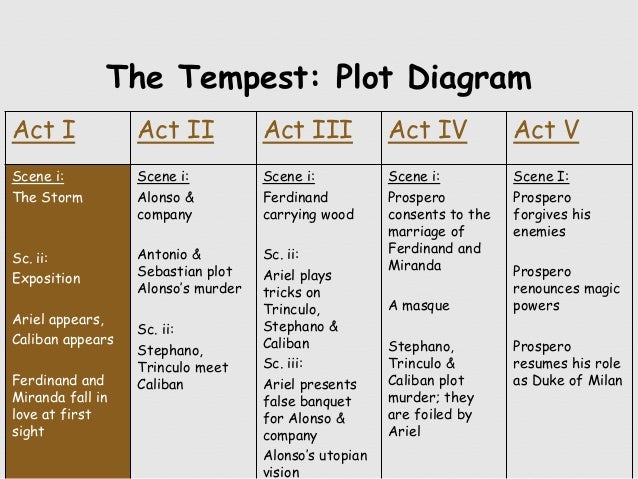
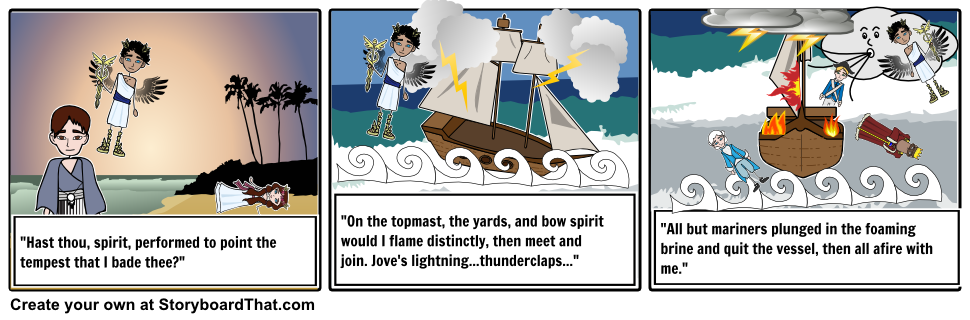
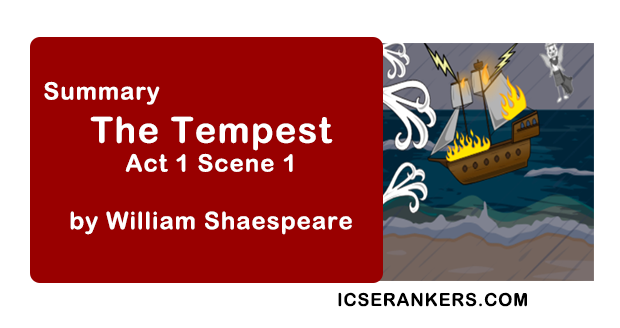
Right, so, our story begins not with a pleasant "once upon a time," but with a raging storm. Literally. This isn't just any old storm; it's a magically conjured tempest, orchestrated by none other than Prospero, the former Duke of Milan. You might be thinking, "Duke? What's a Duke doing playing weatherman?" Good question!
Here's the backstory: Prospero was overthrown by his ambitious brother, Antonio (classic brotherly betrayal, am I right?), and exiled to a remote island along with his young daughter, Miranda. Twelve years later, he's become a powerful sorcerer, thanks to all the books he managed to salvage (priorities, people!). He uses his magic to summon the tempest, targeting a ship carrying his treacherous brother and a bunch of other important folks, including the King of Naples, Alonso, and his son, Ferdinand. Talk about a dramatic entrance! (Pro-tip: Always read the fine print on your cruise tickets. You never know when a vengeful sorcerer might be involved.)
Characters Stranded: A Cast of Schemers and Dreamers
The storm wreaks havoc, scattering the ship's passengers across the island. Now, this island isn't exactly deserted. It's already inhabited by:
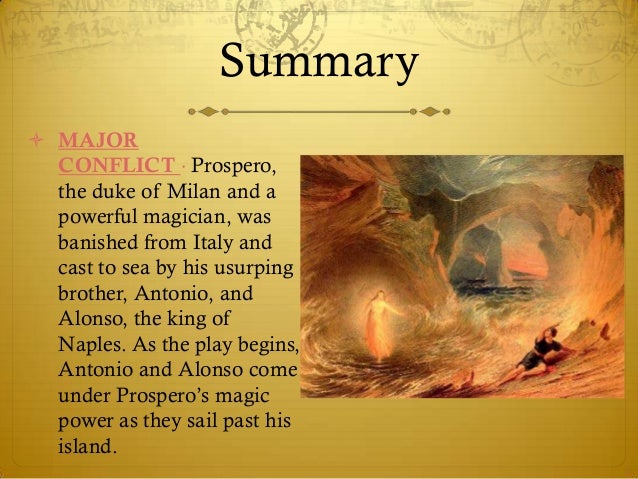
- Ariel: A spirit, bound to Prospero's service. He's the one who actually makes the storm happen, following Prospero's instructions with a mix of eagerness and resentment. Think of him as Prospero's magical intern, constantly wanting to break free. (Been there, Ariel, been there.)
- Caliban: A savage, native inhabitant of the island, and son of the witch Sycorax. Prospero has enslaved him, and Caliban absolutely hates it. He sees Prospero as a colonizer, stealing his land and his freedom. He's basically the angriest character in the play, and you can kind of see why.
And then you have the shipwrecked crew and nobility, who are now wandering around in smaller groups, each group experiencing their own mini-adventure. We've got:
- Alonso, King of Naples: He's grieving the apparent loss of his son, Ferdinand. He's also feeling guilty about his role in Prospero's exile.
- Ferdinand: Believes his father is dead and is captured by Prospero. However, he instantly falls in love with Miranda.
- Antonio and Sebastian: Antonio, still power-hungry, convinces Sebastian to plot to kill his own brother, Alonso, and seize the throne of Naples. These guys are not learning from past mistakes.
- Gonzalo: An honest and loyal counselor to Alonso. He's basically the only genuinely good guy in the royal party. He tries to keep everyone's spirits up, even though things are looking pretty bleak.
- Trinculo and Stephano: A jester and a drunken butler, respectively. They stumble upon Caliban and, fueled by alcohol, decide to overthrow Prospero and rule the island themselves. Hilarity (sort of) ensues.
Love, Plots, and Magic Shows: The Island Adventures
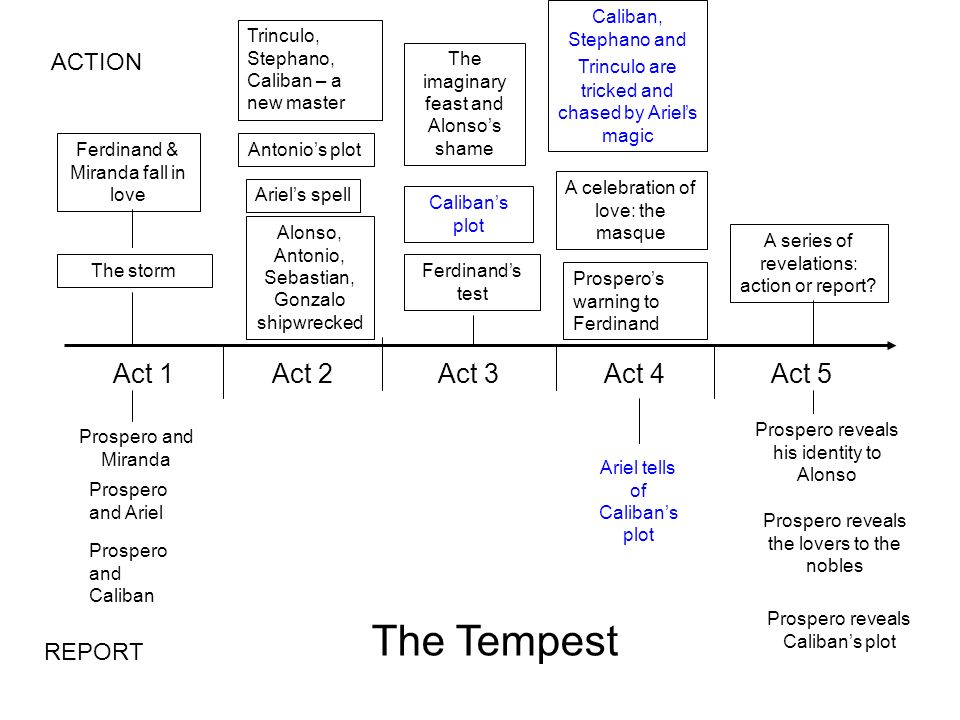
While the shipwrecked nobles are plotting and scheming, and the drunken servants are planning their ridiculous rebellion, there's also a budding romance brewing. Ferdinand and Miranda meet and instantly fall head over heels for each other. Prospero, while seemingly putting obstacles in their path (making Ferdinand do menial labor), is actually orchestrating their relationship. He wants Miranda to marry well and secure his family's future. It's all part of his grand plan. (Think of it as Shakespearean arranged marriage with a touch of magic.)
Meanwhile, Caliban, Trinculo, and Stephano are off causing chaos. Caliban, convinced that these drunken buffoons are his liberators, plots to kill Prospero. Their plan is predictably inept and leads to a series of comic mishaps. Shakespeare uses these characters to explore themes of colonialism and the exploitation of native populations, but also to poke fun at the absurdity of rebellion when it's fueled by nothing but booze and stupidity.
Prospero, being the master puppeteer, uses Ariel to manipulate events, creating illusions, playing music, and generally messing with everyone's heads. He puts on a elaborate masque (a fancy theatrical performance) for Ferdinand and Miranda, showcasing his power and foreshadowing the blessings of their marriage. He's basically putting on a one-man show to impress everyone and remind them who's in charge. (Shakespeare loved a good spectacle, and Prospero certainly delivers.)
The Climax: Forgiveness and Freedom
As the play progresses, Prospero's revenge plot reaches its climax. He has all his enemies within his grasp, vulnerable and repentant. However, he decides to do something unexpected: he chooses forgiveness. (Plot twist!). Ariel, who has been witnessing the suffering of the shipwrecked party, appeals to Prospero's humanity. Prospero, touched by Ariel's words, realizes that revenge is not the answer.
He releases Ariel from his service, giving the spirit his freedom. He confronts his brother, Antonio, and the King of Naples, Alonso, exposing their treachery but ultimately forgiving them. He even arranges for Ferdinand and Miranda to be reunited with Alonso, who is overjoyed to find his son alive. Caliban, realizing the error of his ways (sort of), promises to be more obedient. Finally, Prospero abjures his magic, setting aside his powers and returning to Milan. He's giving up his control, embracing a more peaceful future.
So, what's the point of all this? Why does Shakespeare end the play with forgiveness rather than vengeance?
Themes to Chew On
- The Power of Forgiveness: Prospero's decision to forgive his enemies is arguably the central theme of the play. It suggests that revenge is a destructive force and that forgiveness is essential for healing and reconciliation.
- Colonialism and Power: The Tempest raises complex questions about colonialism and the relationship between colonizer and colonized. Caliban's plight highlights the injustices and exploitation that often accompany colonial expansion.
- The Nature of Illusion: Prospero's magic creates illusions that manipulate and deceive the other characters. The play explores the power of illusion and the difficulty of distinguishing between appearance and reality.
- Freedom and Control: Many characters in The Tempest are seeking freedom, whether it's Ariel from his servitude to Prospero or Caliban from his enslavement. The play explores the tension between freedom and control, and the responsibilities that come with power.
In the end, The Tempest is a story about letting go: letting go of revenge, letting go of power, and letting go of the past. It's a reminder that even in the midst of storms and betrayals, there's always the possibility of redemption and reconciliation. And maybe, just maybe, it's a good idea to pack a raincoat when you're invited to a party hosted by a former Duke living on a remote island. You know, just in case.







:max_bytes(150000):strip_icc()/168199624-56a85e915f9b58b7d0f24f43.jpg)


