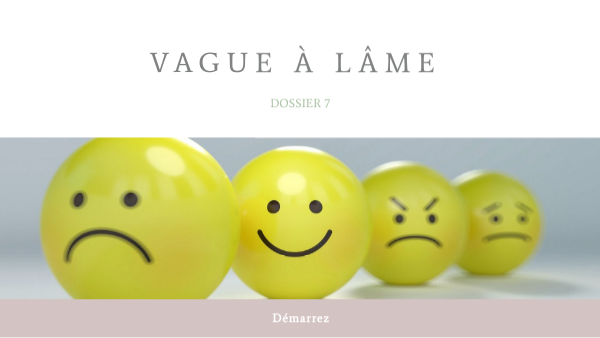
Ah, la vague à l'âme. Just hearing the phrase conjures images of rainy Parisian streets, philosophical musings over a glass of red wine, and a certain… je ne sais quoi. But what exactly is a vague à l'âme? It’s not quite sadness, not quite melancholy, but something altogether more nuanced and, dare I say, chic.
Let's dive in, shall we?
Définition: Beyond the English Equivalent
Directly translated, vague à l'âme means "wave to the soul." But a simple translation doesn’t quite capture its essence. Think of it as a gentle tide pulling at your inner self, a wistful feeling that’s both pleasant and a little bit poignant. It's more profound than just feeling "down"; it's a more atmospheric, almost artistic state of being.
While English speakers might use terms like "melancholy," "wistfulness," or even "a touch of ennui," none of them completely encapsulates the layered meaning of vague à l'âme. It's a uniquely French concept, deeply intertwined with their culture’s appreciation for introspection and emotional complexity.
Think of it like this: you're watching a beautiful sunset. It's breathtaking, but also reminds you of the fleeting nature of time. That subtle ache in your heart? That's a whisper of vague à l'âme.
Ingredients of a Perfect Vague à L'âme
What are the key components that contribute to this feeling? Here are a few essential elements:
- Reflection: Vague à l'âme often arises from deep thought about life, the universe, and everything in between. It's that moment when you're pondering your purpose, your past, or your future.
- Nostalgia: A longing for something lost, a memory that tugs at your heartstrings. Maybe it's a childhood home, a past love, or even just a simpler time.
- Appreciation of Beauty: Paradoxically, experiencing beauty can trigger vague à l'âme. A stunning piece of art, a moving piece of music, or a breathtaking landscape can all evoke this feeling.
- A Touch of Loneliness: Not necessarily isolation, but a sense of being alone with your thoughts, aware of your own existence in the vastness of the world.
- Existential Wonder: The big questions! Why are we here? What's the meaning of life? Contemplating these mysteries can definitely lead to a vague à l'âme.
Vague à L'âme in Art and Culture
French art, literature, and cinema are brimming with examples of vague à l'âme. Think of the films of Truffaut or Godard, with their introspective characters and bittersweet narratives. The music of Serge Gainsbourg, with its blend of sophistication and world-weariness, perfectly embodies this feeling.
Consider these examples:

- Literature: À la recherche du temps perdu by Marcel Proust – an entire novel dedicated to the exploration of memory and longing!
- Cinema: Les Quatre Cents Coups (The 400 Blows) by François Truffaut – a poignant coming-of-age story that captures the anxieties and uncertainties of youth.
- Music: The songs of Édith Piaf – her powerful voice and heartbreaking lyrics are a perfect expression of vague à l'âme. "Non, je ne regrette rien" might seem defiant, but listen closely, and you’ll hear the underlying melancholy.
Even the stereotypical image of a beret-clad Parisian artist sketching in a café hints at the solitary, reflective nature often associated with vague à l'âme.
How to Embrace Your Vague à L'âme (and Not Drown in It)
The key isn't to fight the feeling, but to acknowledge and appreciate it. Vague à l'âme can be a source of creativity, self-awareness, and even beauty. Here are some tips on how to navigate it:
- Engage with Art: Read poetry, listen to classical music, visit a museum. Immerse yourself in experiences that evoke emotion and contemplation.
- Spend Time in Nature: A walk in the woods, a sunset by the sea – connecting with nature can be incredibly grounding and inspiring.
- Journaling: Write down your thoughts and feelings. This can help you process your emotions and gain a deeper understanding of yourself.
- Embrace Solitude (in Moderation): Allow yourself some time alone to reflect and recharge. But don't isolate yourself completely.
- Practice Mindfulness: Be present in the moment. Focus on your senses and appreciate the beauty of the world around you.
- Don't Dwell Too Long: While it's important to acknowledge your feelings, don't let them consume you. Set a timer, allow yourself to feel, then gently redirect your focus. A little vague à l'âme is charming; a complete breakdown is not.
Think of it like savoring a dark chocolate. A small square can be incredibly satisfying, but eating the entire bar might lead to a stomachache.

Practical Applications: Vague à L'âme in Daily Life
So, how can you integrate this concept into your everyday life? It’s not about wallowing in sadness, but about finding beauty and meaning in the everyday moments. Here are a few ideas:
- Elevate Your Routine: Turn mundane tasks into mindful experiences. Light a candle while you do the dishes, listen to your favorite music while you commute, savor each bite of your lunch.
- Seek Out Connection: Engage in meaningful conversations with loved ones. Share your thoughts and feelings, and listen to theirs.
- Practice Gratitude: Take a moment each day to appreciate the good things in your life. This can help shift your focus from what's missing to what you already have.
- Embrace Imperfection: Recognize that life is messy and unpredictable. Don't strive for perfection; embrace the beauty of the flawed and imperfect.
- Cultivate Curiosity: Never stop learning and exploring. Read books, watch documentaries, travel to new places. Keep your mind open and engaged.
A Touch of Philosophical Flair
The French often embrace vague à l'âme as a sign of intelligence and sensitivity. It's a reminder that life is complex and that it's okay to feel a range of emotions. It's about being present in your own experience, even when it's bittersweet.
Remember the famous quote from Albert Camus: "In the depth of winter, I finally learned that within me there lay an invincible summer." Even in moments of sadness or longing, there's always hope and beauty to be found.

Final Thoughts: Embracing the Tides
Vague à l'âme is a reminder that it's okay to feel. It's a uniquely human experience that connects us to something larger than ourselves. By embracing this feeling, we can gain a deeper understanding of ourselves and the world around us.
So, the next time you feel that gentle tug at your soul, don't resist it. Allow yourself to feel, to reflect, and to appreciate the beauty and complexity of life. Embrace your vague à l'âme – it might just lead you to a deeper, richer understanding of yourself.
Maybe light a candle, put on some Debussy, and let the wave wash over you. Just don’t forget to buy a baguette on the way home.