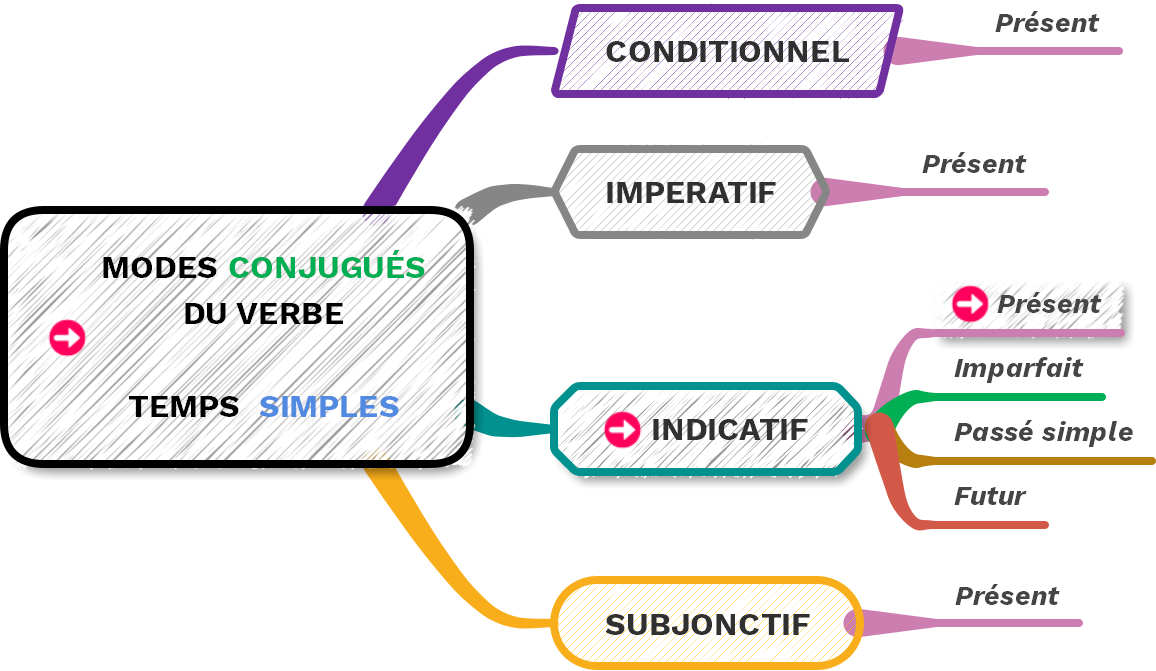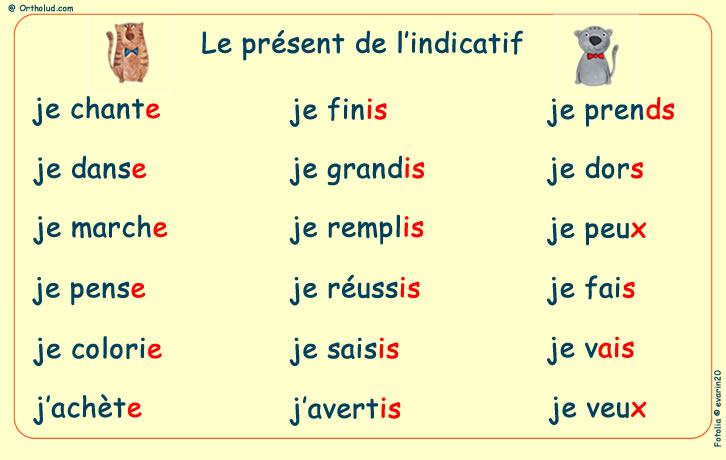
Ah, le français! Doesn't it sound like a song? And at the heart of every song, there are verbs. Today, let's cozy up with the present tense – the Présent de l'Indicatif. Think of it as the "now" of French verbs. What’s happening right now?
It’s the tense you use to describe what is, what is happening, and what you generally do. Simple, right? Well, mostly! Like a good baguette, it has its crusty bits, but the inside is soft and delicious.
Regular Verbs: The -er Family
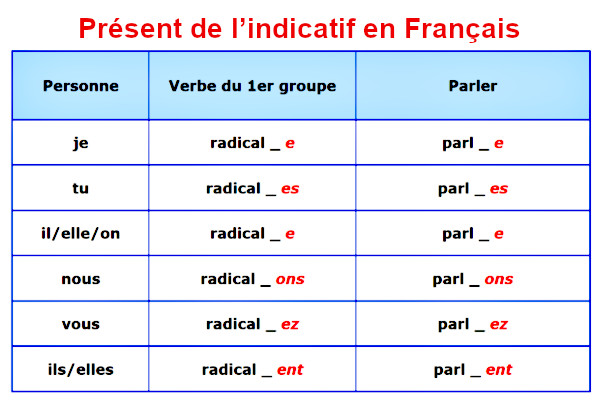
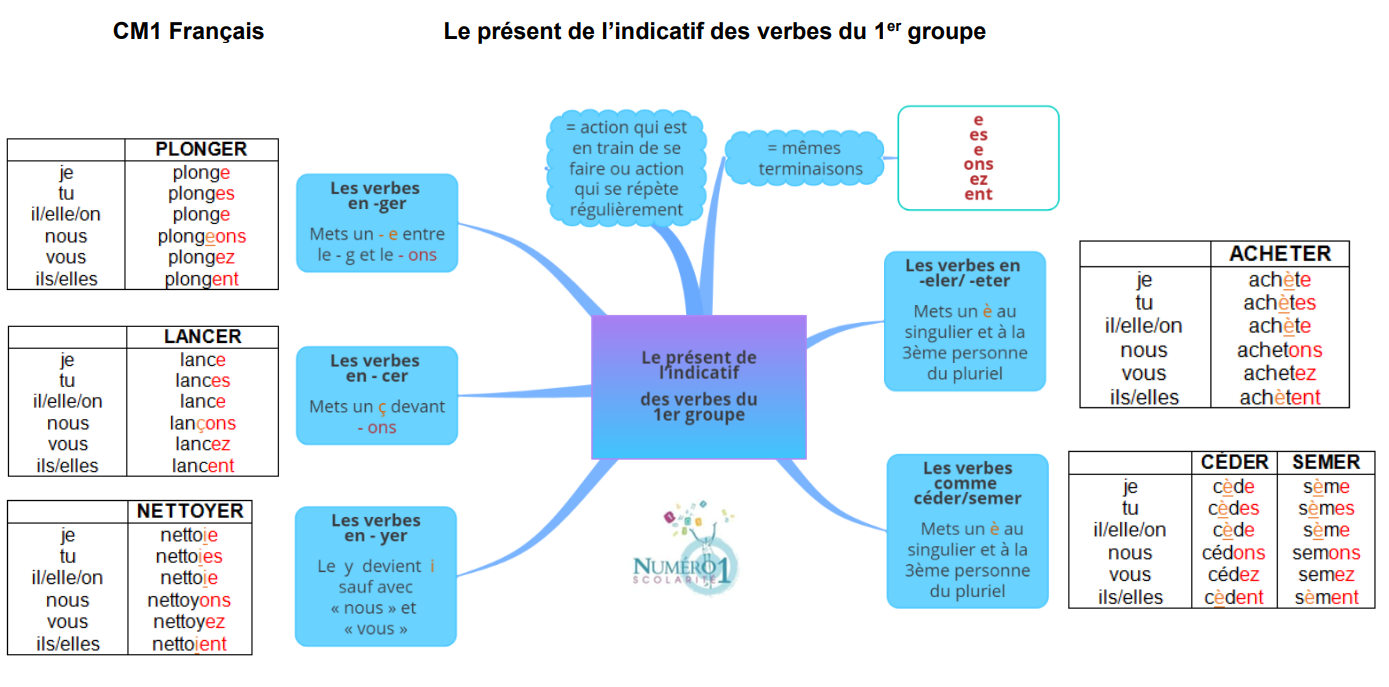
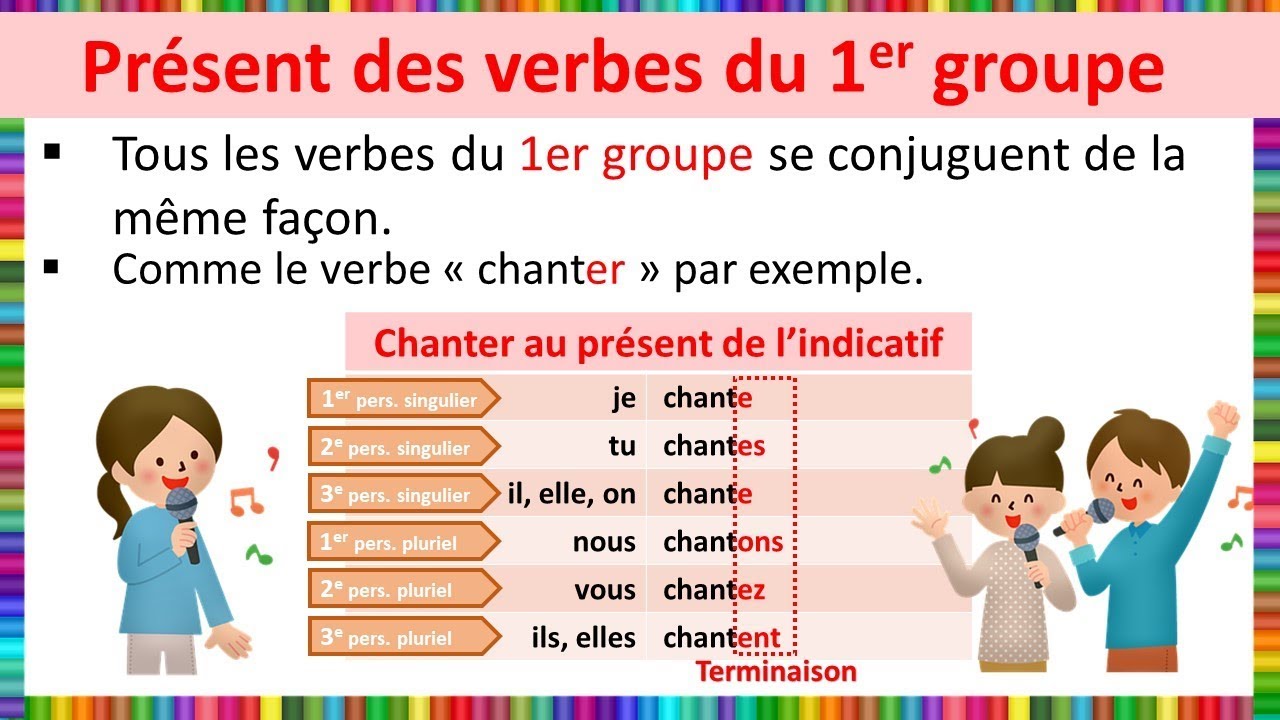
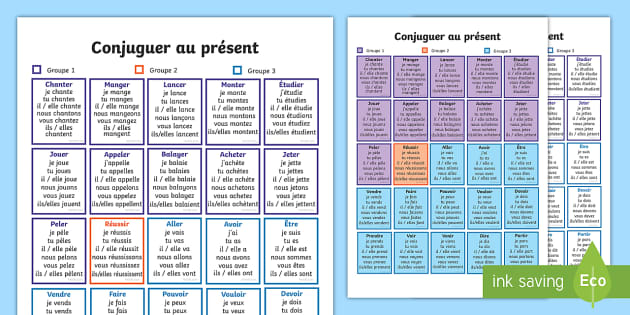
Let’s start with the most common verbs – the -er verbs. These are your "parler," "aimer," "manger" verbs. Think of "parler" (to speak). How do we make it happen in the present? Well, we chop off the "-er" and add some endings.
Ready for the secret code?
- Je parle (I speak)
- Tu parles (You speak – informal)
- Il/Elle/On parle (He/She/One speaks)
- Nous parlons (We speak)
- Vous parlez (You speak – formal/plural)
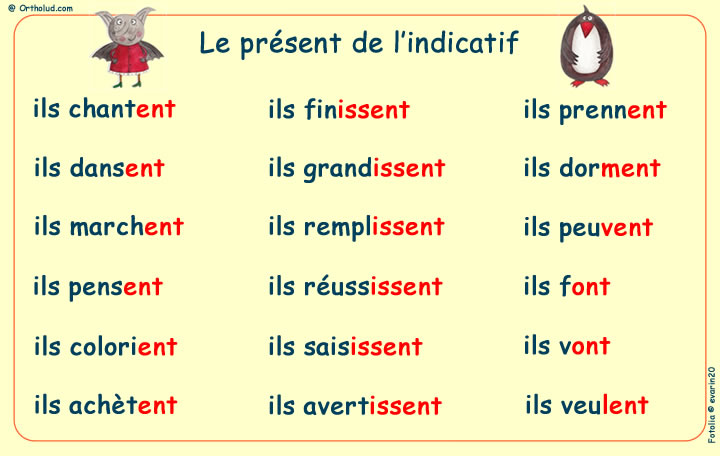
- Ils/Elles parlent (They speak)
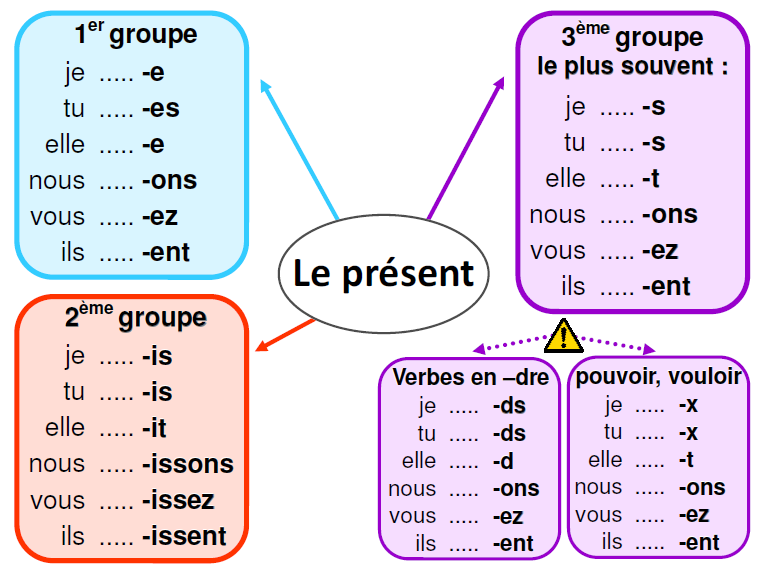
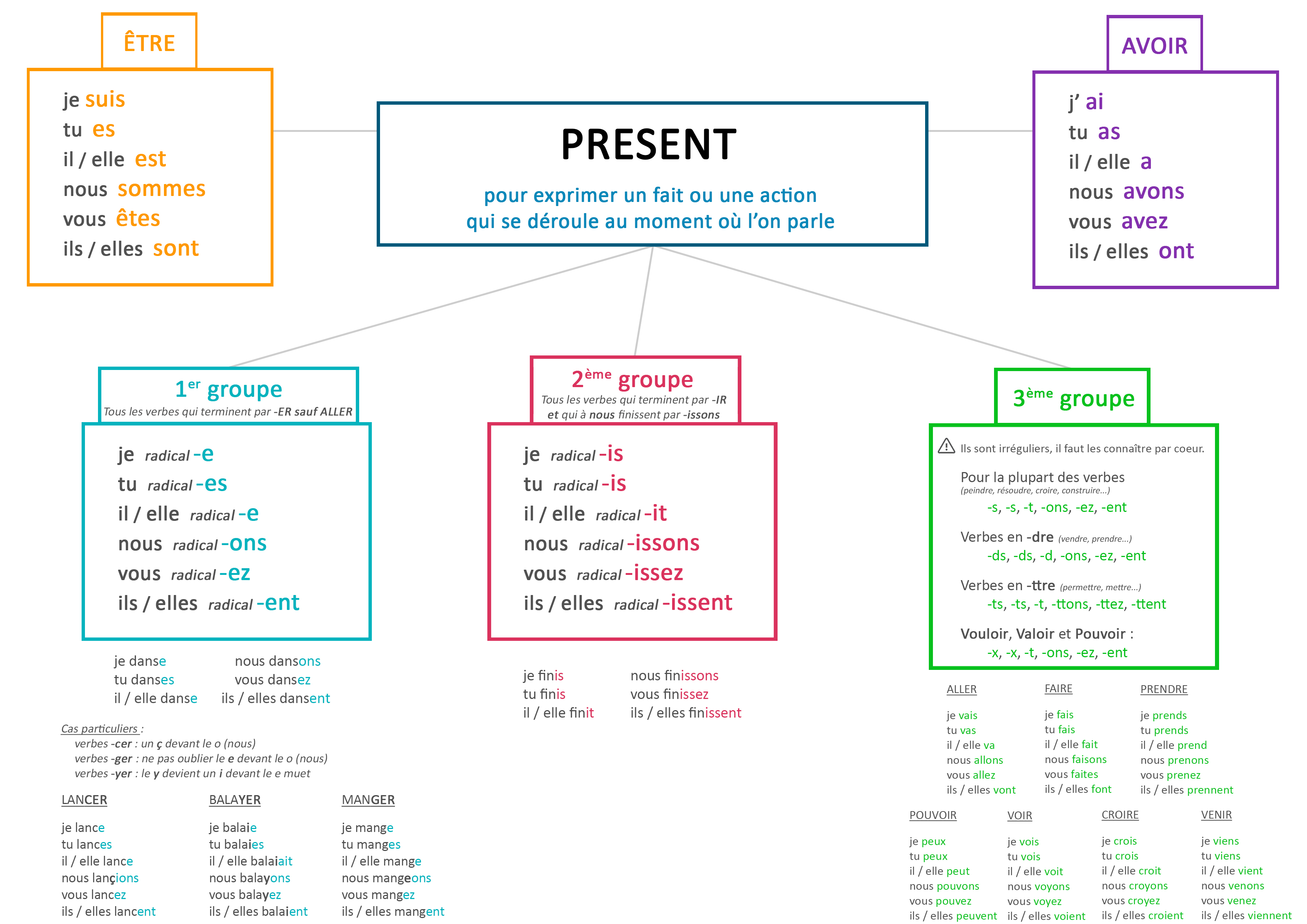
See the pattern? -e, -es, -e, -ons, -ez, -ent. Easy peasy, lemon squeezy! (Excuse my French-English mix!)
The -ir Group: A Little Different
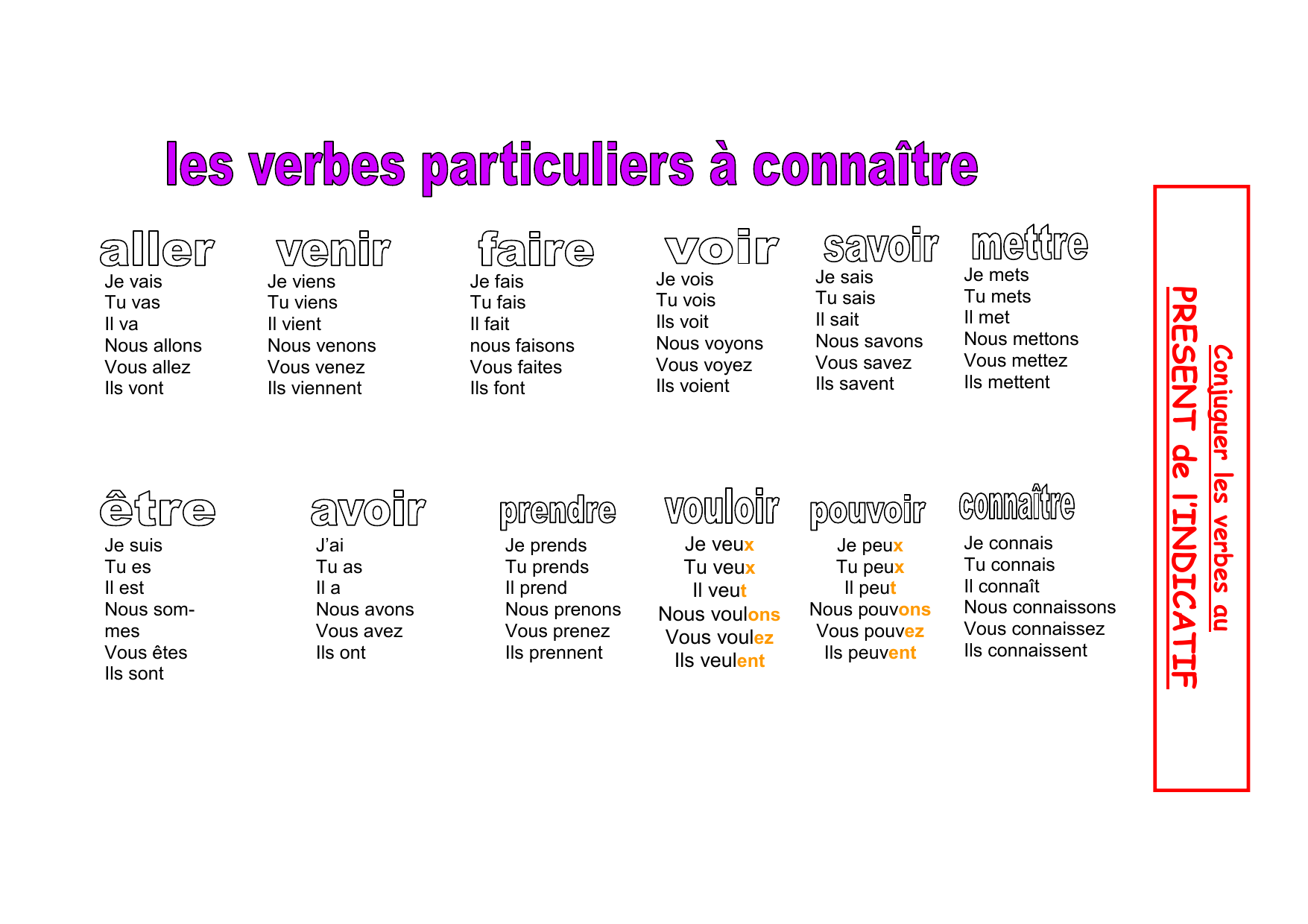
Now, let's meet the -ir verbs, like "finir" (to finish). They’re almost as regular as the -er family, but they have their own charm. Again, we chop off the "-ir," but this time the endings are a little different.
Here's the "finir" conjugation:
- Je finis (I finish)
- Tu finis (You finish)
- Il/Elle/On finit (He/She/One finishes)
- Nous finissons (We finish)
- Vous finissez (You finish)
- Ils/Elles finissent (They finish)
Did you notice? The endings are -is, -is, -it, -issons, -issez, -issent. Got it? Great!
And Then There's the -re Crew
Finally, we have the -re verbs, like "vendre" (to sell). This group is a bit smaller, and their endings are slightly different, too. Let’s conjugate "vendre":
- Je vends (I sell)
- Tu vends (You sell)
- Il/Elle/On vend (He/She/One sells)
- Nous vendons (We sell)
- Vous vendez (You sell)
- Ils/Elles vendent (They sell)
The endings here are: -s, -s, -(nothing), -ons, -ez, -ent. One less letter! Whoo-hoo!
Irregular Verbs: The Quirky Bunch
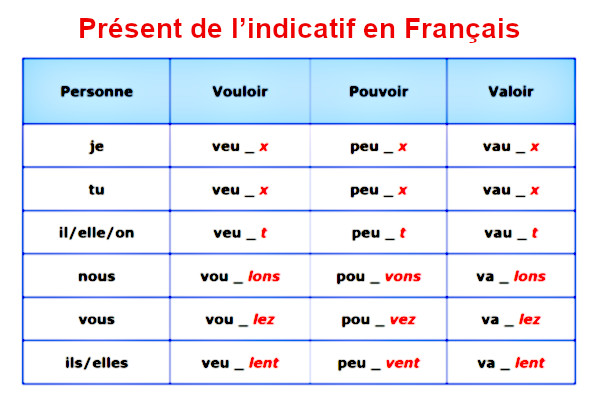
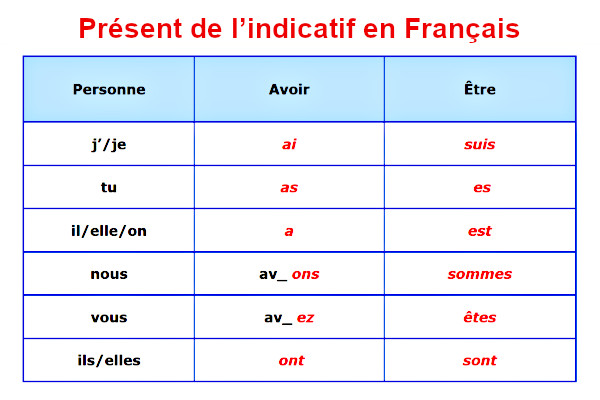
Okay, okay, I admit it. There are irregular verbs. These are the verbs that don't follow the rules. They’re the rebels! Verbs like "être" (to be), "avoir" (to have), "aller" (to go), and "faire" (to do/make). You just have to learn them by heart. It's like memorizing a favorite song – it takes a bit of practice, but soon you'll know all the words!
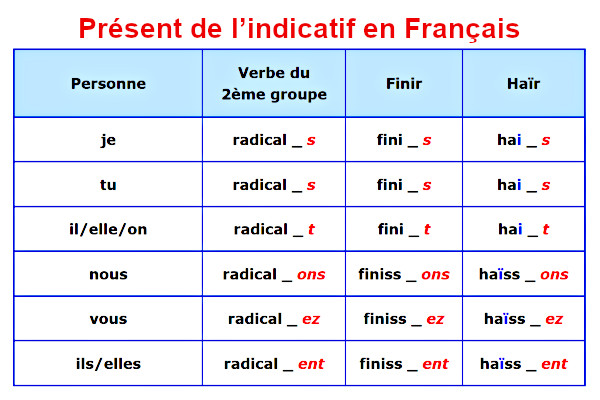
For example, "être" in the present tense is: Je suis, Tu es, Il/Elle/On est, Nous sommes, Vous êtes, Ils/Elles sont. See? Totally different! But that's what makes them special.
Think of these irregular verbs as the spices in your French language stew. They add flavor and depth.
Why Bother with the Présent?
Why is the Présent de l'Indicatif so important? Well, think about it! You use it to talk about your daily life: "Je mange une baguette" (I eat a baguette). You use it to describe habits: "Je bois du café tous les matins" (I drink coffee every morning). And you use it to state facts: "Paris est la capitale de la France" (Paris is the capital of France). It's the workhorse of French tenses!
Don't be intimidated! Take it one verb at a time. Practice with simple sentences. Listen to French music, watch French movies, and talk to French speakers. The more you immerse yourself, the easier it will become.
So, there you have it: a cozy introduction to the Présent de l'Indicatif. It might seem a little daunting at first, but with practice and a little bit of patience, you'll be conjugating verbs like a pro. Keep practicing, keep exploring, and remember to enjoy the journey! After all, learning a new language is an adventure!
Now, go forth and conjugate! You've got this! I believe in you!