Salut tout le monde! Ever feel like French grammar is this big, intimidating monster? Well, let's tackle a little piece of it today, and I promise, it's way less scary than it looks. We're diving into the passé composé of the verb faire. "Faire," as you probably know, means "to do" or "to make." So, why should we care about how to say "I did" or "I made" in the past? Simple: because you can't really tell stories or talk about your day without it!
Why the Passé Composé is Your New Best Friend
The passé composé is one of the most common past tenses in French. Think of it as the go-to tense for describing actions that are finished and completed. It’s like saying "I ate," "I saw," or "I went." You did it, and now it's done. Kaput! It's over!
Why is it so cool? Because it lets you recount your adventures, share your experiences, and basically prove that you're not just sitting around all day thinking about croissants (although, let's be honest, that's a perfectly valid activity too!).
Faire: Not Just "To Do," But So Much More!
Before we jump into the passé composé, let's remember how versatile faire is. It's not just about "doing" things. It can mean "to make," "to play" (sports or music), and even be used in expressions about the weather. It’s like the Swiss Army knife of French verbs!
Think about these examples:
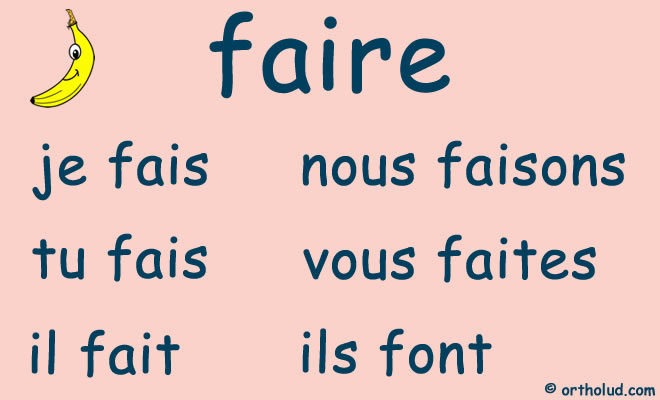
- Je fais du sport (I play sports)
- Il fait beau (It's nice weather)
- Elle fait un gâteau (She's making a cake)
See? Super handy! But how do we talk about doing all these things in the past?

Unlocking the Secrets: Faire in the Passé Composé
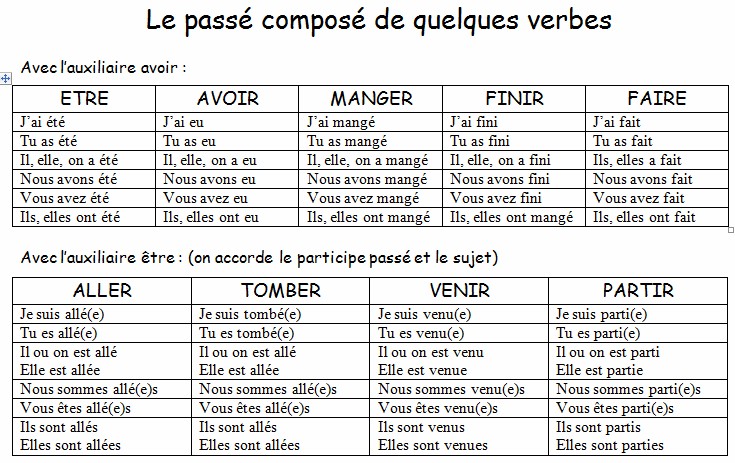
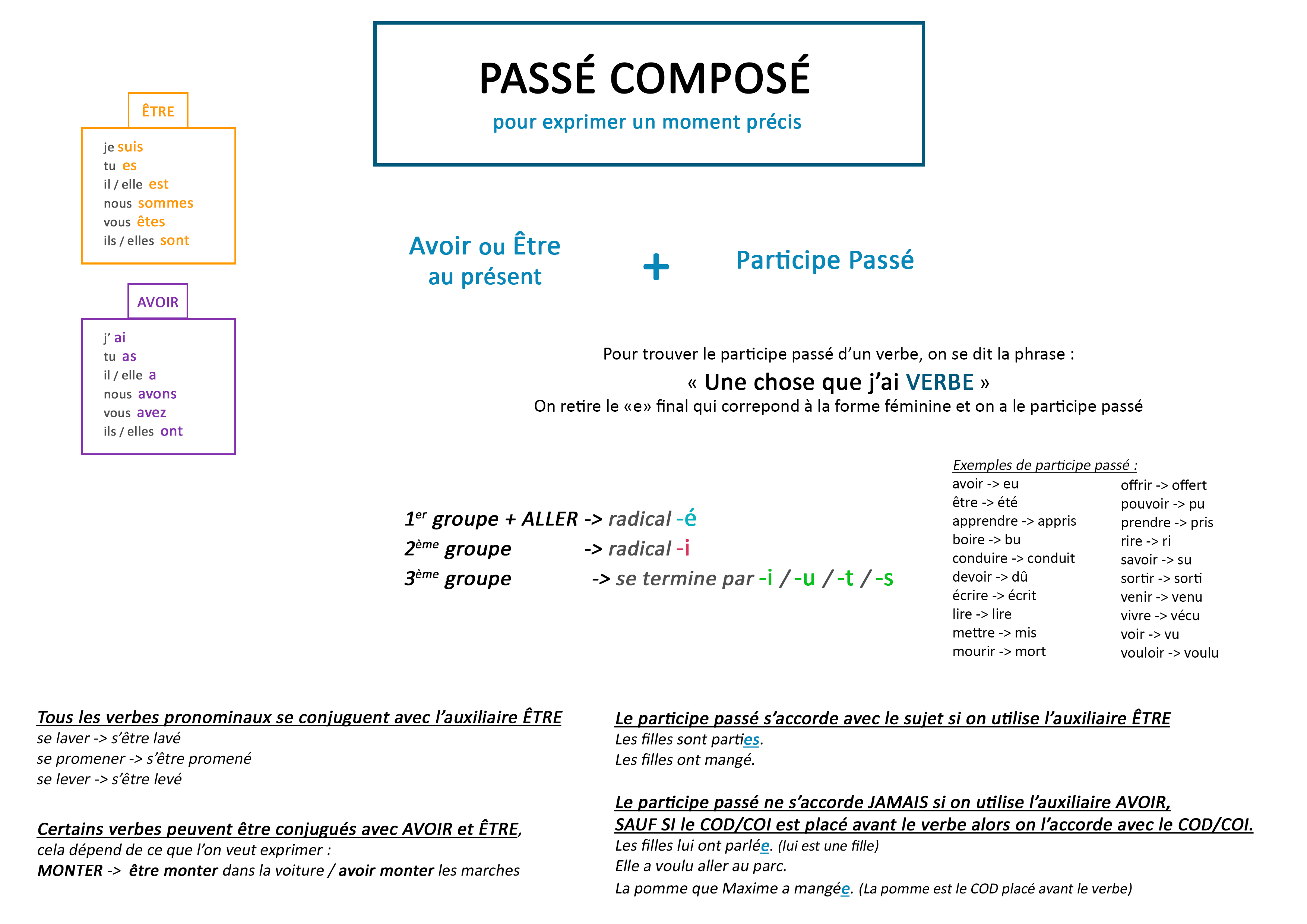
Okay, time to break it down. The passé composé is a compound tense, meaning it's made up of two parts:
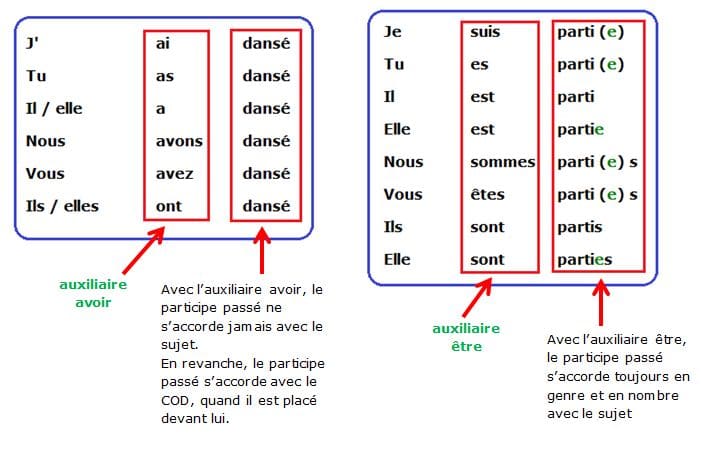
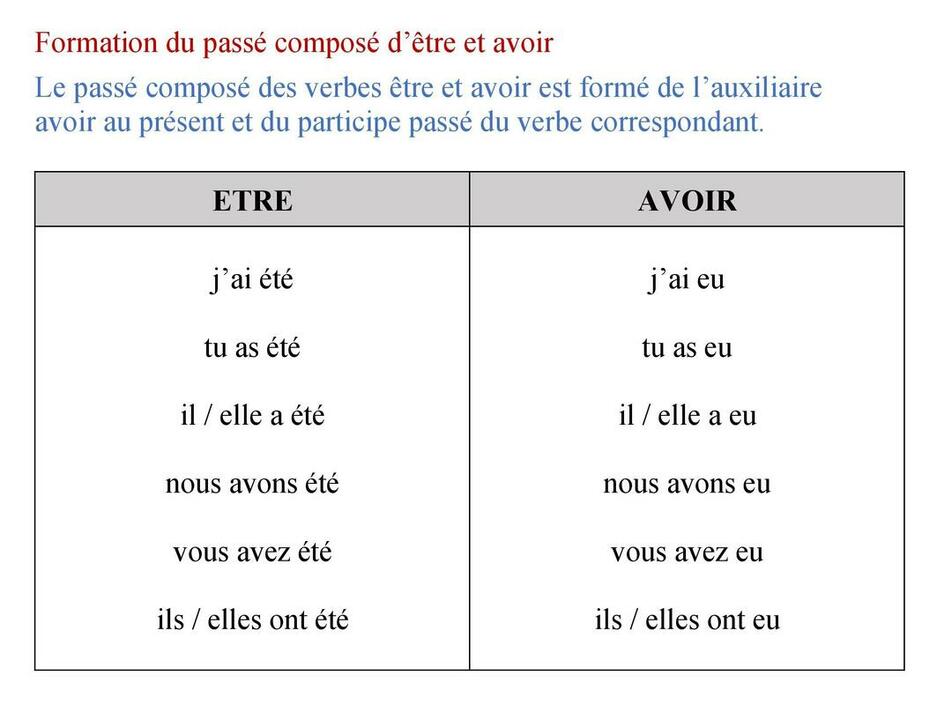
- An auxiliary verb (either avoir or être).
- The past participle of the main verb.
For faire, we use the auxiliary verb avoir. This is good news! Avoir is pretty straightforward. So, half the battle is already won!
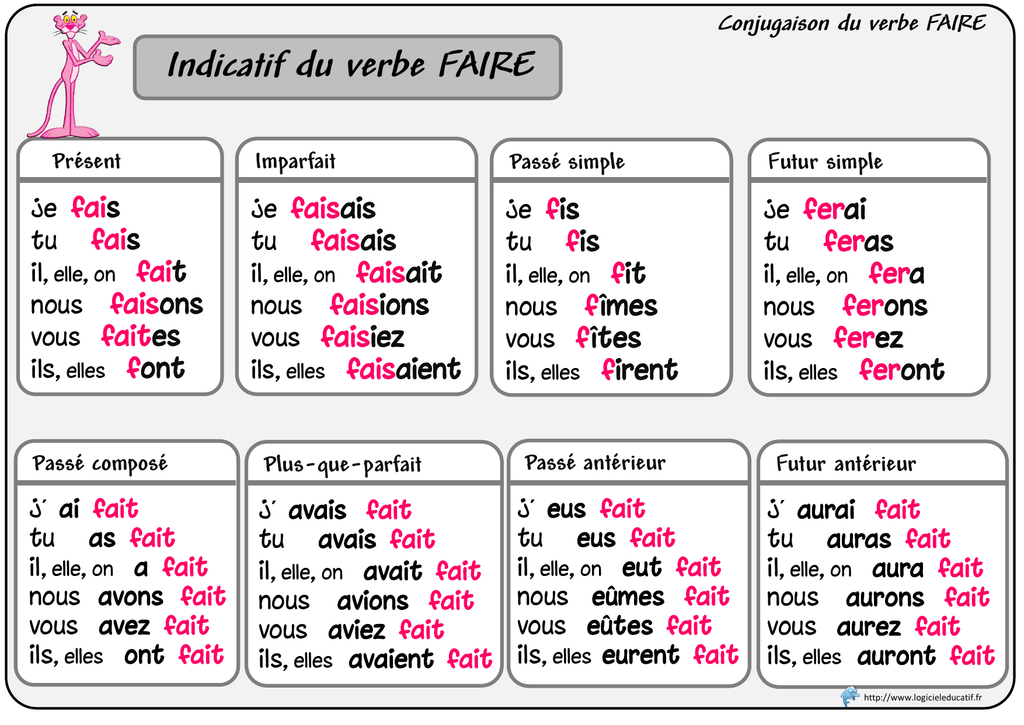
The past participle of faire is fait. It's short, it's sweet, and it doesn't change based on gender or number. Hooray for simplicity!
So, to form the passé composé of faire, we combine avoir with fait. Easy peasy, right?
Conjugating Faire in the Passé Composé
Here's the full conjugation:
- J'ai fait (I did/made)
- Tu as fait (You did/made)
- Il/Elle/On a fait (He/She/One did/made)
- Nous avons fait (We did/made)
- Vous avez fait (You did/made)
- Ils/Elles ont fait (They did/made)
See? Nothing too scary! Just remember avoir + fait.
Putting it into Practice: Real-Life Examples
Let's see some examples of how you might use this in a conversation:
- J'ai fait mes devoirs hier soir. (I did my homework last night.)
- Tu as fait un bon travail! (You did a good job!)
- Elle a fait un gâteau au chocolat délicieux. (She made a delicious chocolate cake.)
- Nous avons fait du ski pendant les vacances. (We went skiing during the holidays.)
- Vous avez fait le ménage ce matin? (Did you do the cleaning this morning?)
- Ils ont fait beaucoup de progrès en français. (They have made a lot of progress in French.)
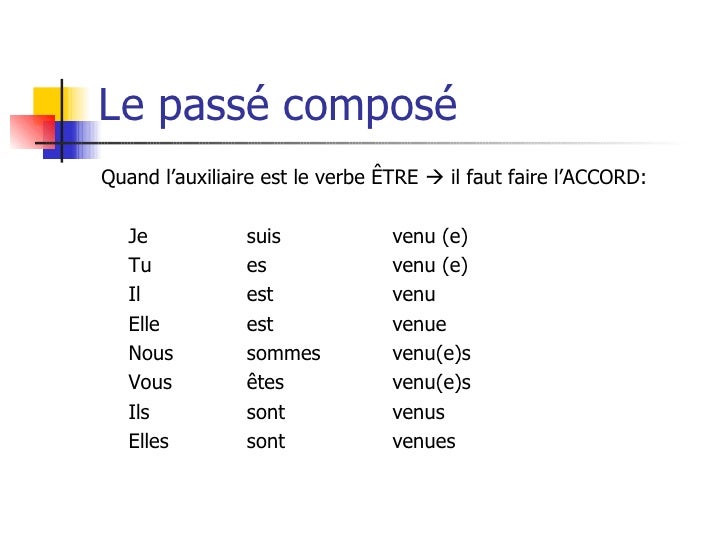
Notice how fait stays the same? It’s not like some other past participles that change depending on the gender and number of the subject. This makes faire a bit easier to work with.
Common Mistakes and How to Avoid Them
Everyone makes mistakes when learning a new language, and that's totally okay! Here are a couple of common pitfalls to watch out for:
- Using être instead of avoir: Remember, faire always uses avoir in the passé composé. Don't be tempted to use être, even if it feels like it might fit.
- Forgetting the past participle: Don't just say "J'ai faire." You need that past participle, fait.
- Misunderstanding the meaning: Remember that faire has a wide range of meanings. Pay attention to the context to understand exactly what's being "done" or "made."
Faire vs. Other Past Tenses: A Quick Comparison
French has several past tenses, including the imparfait. How do you know when to use the passé composé instead of the imparfait? Think of it this way:
- Passé Composé: For completed actions in the past. Like ticking something off your to-do list. J'ai mangé une pizza. (I ate a pizza – and now it’s gone!)
- Imparfait: For ongoing actions, descriptions, or habits in the past. Imagine painting a picture with words. Je mangeais une pizza tous les vendredis. (I used to eat pizza every Friday.)
So, if you're describing a specific event that happened and finished, the passé composé is your go-to choice. If you’re describing a state of being, a habitual action, or setting the scene, the imparfait is better.

Why This Matters: Beyond the Grammar Book
Learning the passé composé of faire isn't just about mastering grammar rules. It's about unlocking a whole new level of communication in French. You can now confidently:
- Talk about your past experiences.
- Share stories with friends.
- Understand French movies and books.
- Impress your French-speaking friends with your growing language skills.
Think of it as leveling up your French superpowers! The more you practice, the more comfortable you'll become, and the more fluent you'll sound.
Time to Practice!
Now that you've conquered the passé composé of faire, it's time to put your knowledge to the test. Try these exercises:
- Translate these sentences into French using the passé composé of faire:
- I made a mistake.
- She did her best.
- We did the dishes.
- They made a lot of noise.
- Write a short paragraph (5-7 sentences) about something you did yesterday, using the passé composé of faire and other verbs.
- Listen to a French song or watch a French movie and try to identify instances of the passé composé of faire.
Final Thoughts: Celebrate Your Progress!
Learning a new language takes time and effort, so be proud of yourself for taking the time to learn about the passé composé of faire. You're one step closer to fluency! Vous avez fait du bon travail! (You did a good job!). Keep practicing, keep exploring, and keep enjoying the journey. À bientôt!