Bon, alright, confession time. I was in Paris last year, trying to order a croissant (naturally), and the baker, bless his heart, spoke zero English. I panicked! I stammered something that vaguely resembled "Je… avoir… croissant?" He looked at me like I'd just asked him to build a rocket ship. It was then I realised my French, while passable for ordering wine, was seriously lacking when it came to basic verb conjugation. Savoir and connaître were my nemesis. But let’s tackle one monster at a time, right?
So, today's victim? The verb "savoir" in the present indicative.
Why Savoir Matters (Beyond Croissants)
First things first, why bother? Well, savoir basically means "to know" in French, but specifically, it means "to know how to do something" or "to know a fact." Think of it like knowing the capital of France (Paris, duh!) or knowing how to ride a bike. It's not the same as "connaître," which is for knowing people or places. That’s for another day, mes amis!
Savoir: Present Tense, Unpacked!
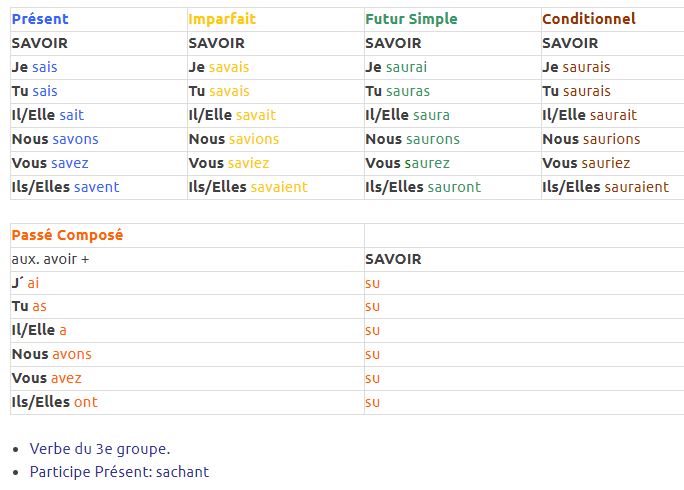
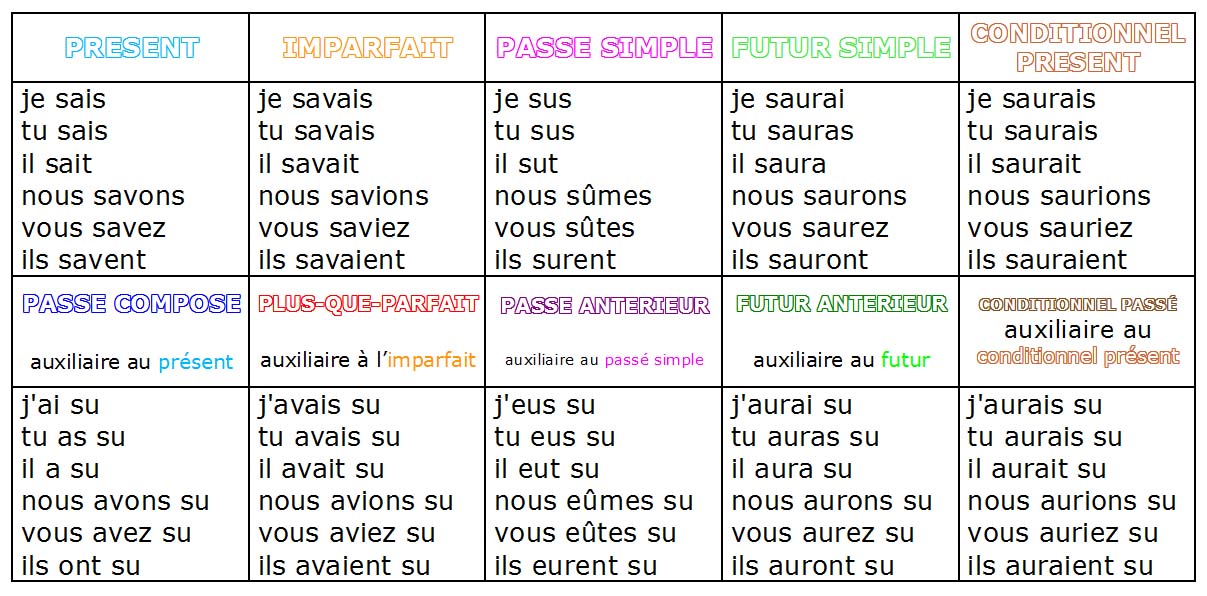
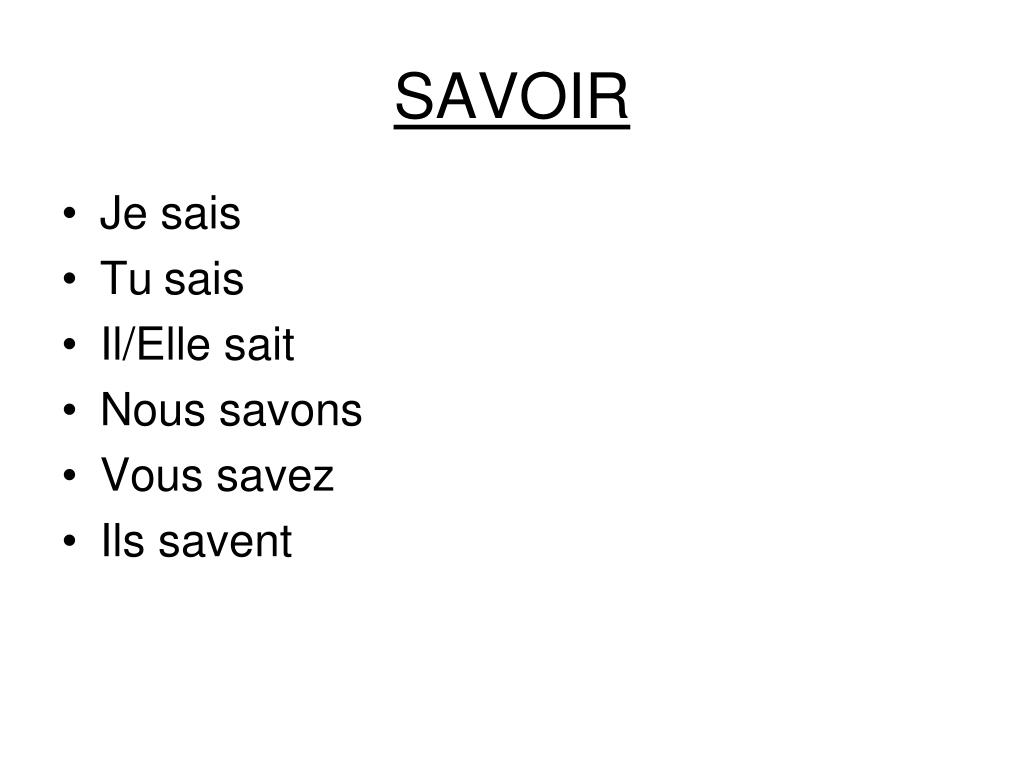
Okay, let’s get down to business. Here's how savoir conjugates in the present indicative:

- Je sais (I know)
- Tu sais (You know - informal)
- Il/Elle/On sait (He/She/One knows)
- Nous savons (We know)
- Vous savez (You know - formal or plural)
- Ils/Elles savent (They know)
See? Not that scary, is it? (Don't answer that if you're still having flashbacks to high school French class). The tricky part is remembering it. So, how do we cement this into our brains?
Tips and Tricks to Memorize Savoir
- Practice, practice, practice! Write out sentences. Say them aloud. Annoy your cat with your newfound French skills.
- Use flashcards. Old school, but effective.
- Find a French buddy. Even a virtual one! Seriously, find someone to practice with.
- Immerse yourself. Watch French movies, listen to French music, read French… anything! Even if you only understand snippets, it helps. (Trust me, I'm practically fluent in baguette-ordering after my Paris trip).
Examples in Real Life (aka, Not Just Textbooks)
Let's see savoir in action:

- Je sais parler français. (I know how to speak French.) See? Progress!
- Tu sais où est la boulangerie? (Do you know where the bakery is?) Crucial information.
- Il sait que Paris est la capitale de la France. (He knows that Paris is the capital of France.) Groundbreaking.
- Nous savons chanter. (We know how to sing.) Whether we sing well is another question.
- Vous savez conduire une voiture? (Do you know how to drive a car?) Important life skill.
- Ils savent jouer au football. (They know how to play football.) Or soccer, depending on where you are.
And that, my friends, is savoir in the present indicative. Now go forth and confidently declare what you know! Just maybe double-check before claiming to know how to build a rocket ship.
À bientôt!