Salut, les amis! Ready to tackle another little piece of French grammar? Don't worry, it's not as scary as it sounds, promis! Today we're diving into the past – but in a negative way! That’s right, we’re talking about the verb "se lever" (to get up) in the passé composé, but with a twist: we're negating it. Sounds complicated? Nah, you got this!
Think of the passé composé as French's most popular way to talk about the past. It's like saying "I woke up," "I ate," "I traveled." Easy peasy, right?
But what if you didn't wake up early? What if you didn't get out of bed 'til noon? That's where the negative form comes in handy! (Especially on those lazy Sunday mornings, wink wink.)
Building the Negative "Se Lever" in the Passé Composé
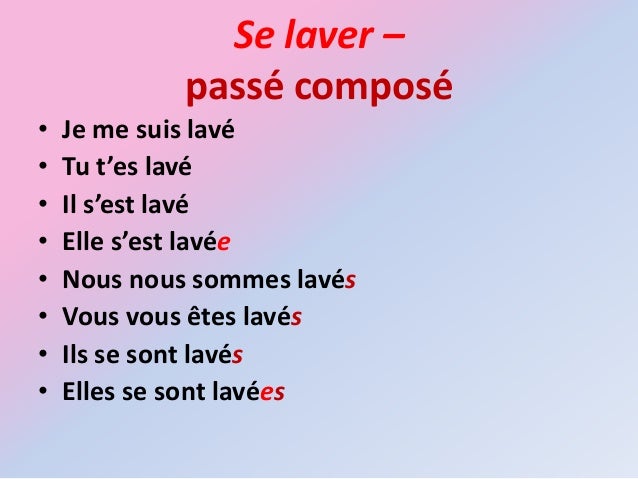
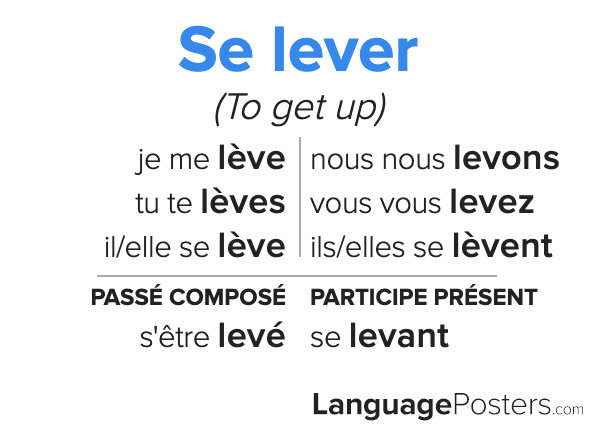
Okay, let's break it down. First, remember that "se lever" is a pronominal verb. This means it uses a reflexive pronoun (me, te, se, nous, vous, se). And in the passé composé, it uses the auxiliary verb "être" (to be). So the basic structure looks something like this:
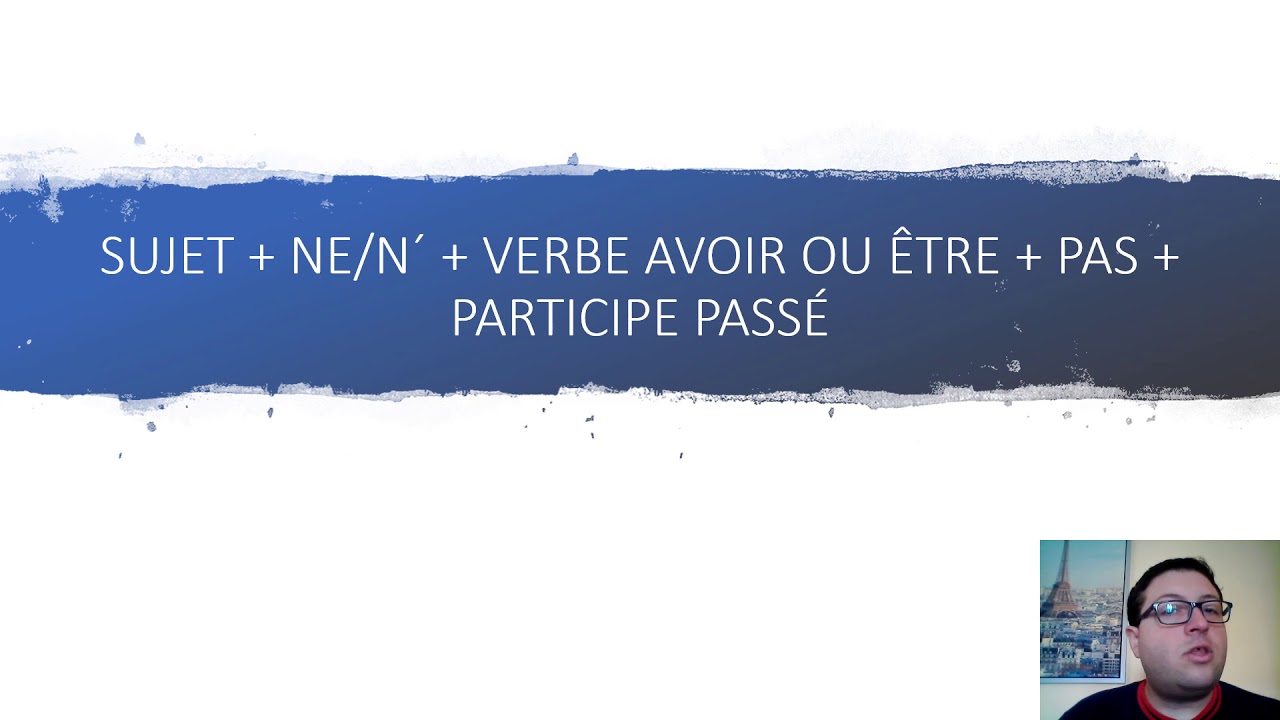
Pronoun + être (conjugated) + levé(e)(s)(es)

But to make it negative, we simply sandwich "ne...pas" around the auxiliary verb. See? It's like a little hug for "être"! Like so:
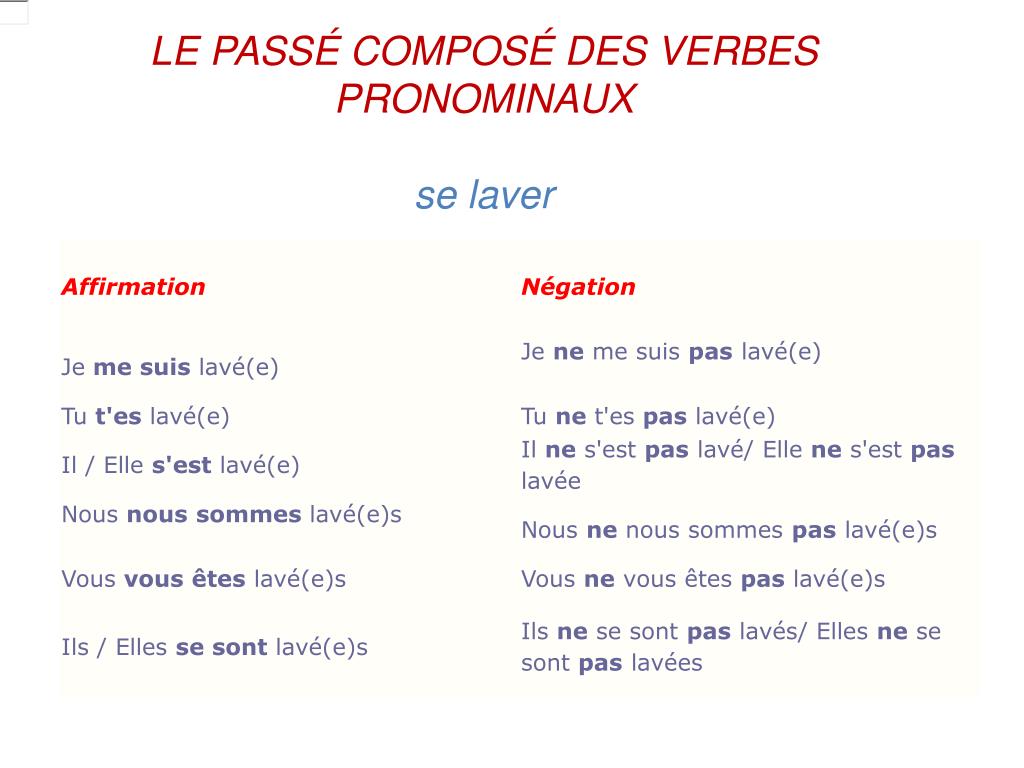
Pronoun + ne + être (conjugated) + pas + levé(e)(s)(es)

Let's look at some examples:
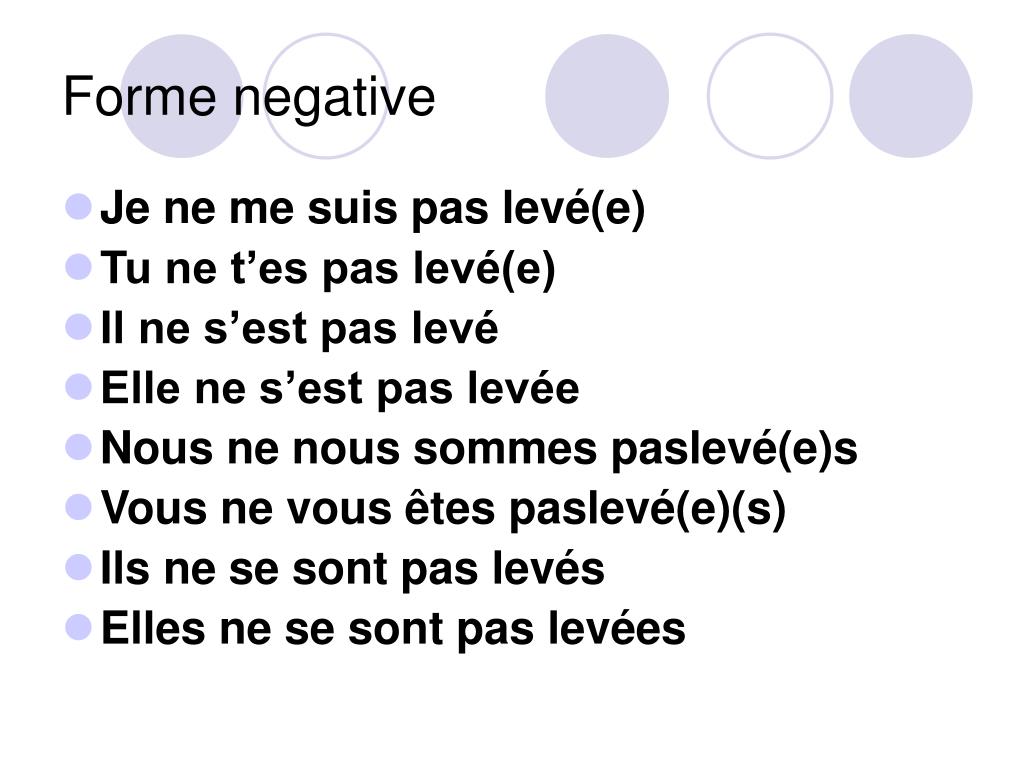
- Je ne me suis pas levé tôt. (I didn't get up early.)
- Tu ne t'es pas levé à l'heure. (You didn't get up on time.)
- Elle ne s'est pas levée. (She didn't get up.)
- Nous ne nous sommes pas levés. (We didn't get up.)
- Vous ne vous êtes pas levés. (You didn't get up.)
- Ils ne se sont pas levés. (They didn't get up.)
Notice the extra "e" at the end of "levée" for the feminine singular ("elle") and the "s" for plurals ("ils," "elles")? That’s agreement, and it's important! Don't worry, you'll get the hang of it with practice.

Why Bother? (Because French is Fun!)
Why should you care about the negative passé composé of "se lever?" Well, for starters, it helps you describe all those times you didn't do something! But more importantly, mastering these little grammar nuggets opens up a whole new world of expression. You can tell stories, share experiences (or lack thereof!), and connect with others on a deeper level. Think of all the hilarious situations you can describe! “Je ne me suis pas levé à temps, et j’ai raté le bus!” The possibilities are endless!
Learning French is an adventure. It's a journey of discovery, and every step you take, no matter how small, brings you closer to fluency and a richer understanding of the world. So, don't be afraid to embrace the challenges, laugh at your mistakes, and keep practicing! You've got this! Now go out there and conquer the negative passé composé – and have some fun with it!



![Home [sexeliarorin.weebly.com]](https://slideplayer.fr/slide/1199399/3/images/6/Conjugaison au passé composé au négatif.jpg)