Okay, mes amis, let's talk about something simple, yet utterly chic: the Futur Simple of the verb "Venir" (to come). Think of it as your linguistic crystal ball, predicting your fabulous future arrivals in France (or anywhere, really!). Forget convoluted tenses, we're going for effortless elegance here. Think Audrey Hepburn, but with grammar.
Venir: Le Futur Simple Demystified
The Futur Simple is one of the simplest ways (no pun intended!) to express future actions in French. It’s direct, to the point, and sounds rather sophisticated, wouldn't you agree? When you want to tell someone you will come, this is your go-to tense.
Conjugating "Venir" – It's Easier Than You Think!
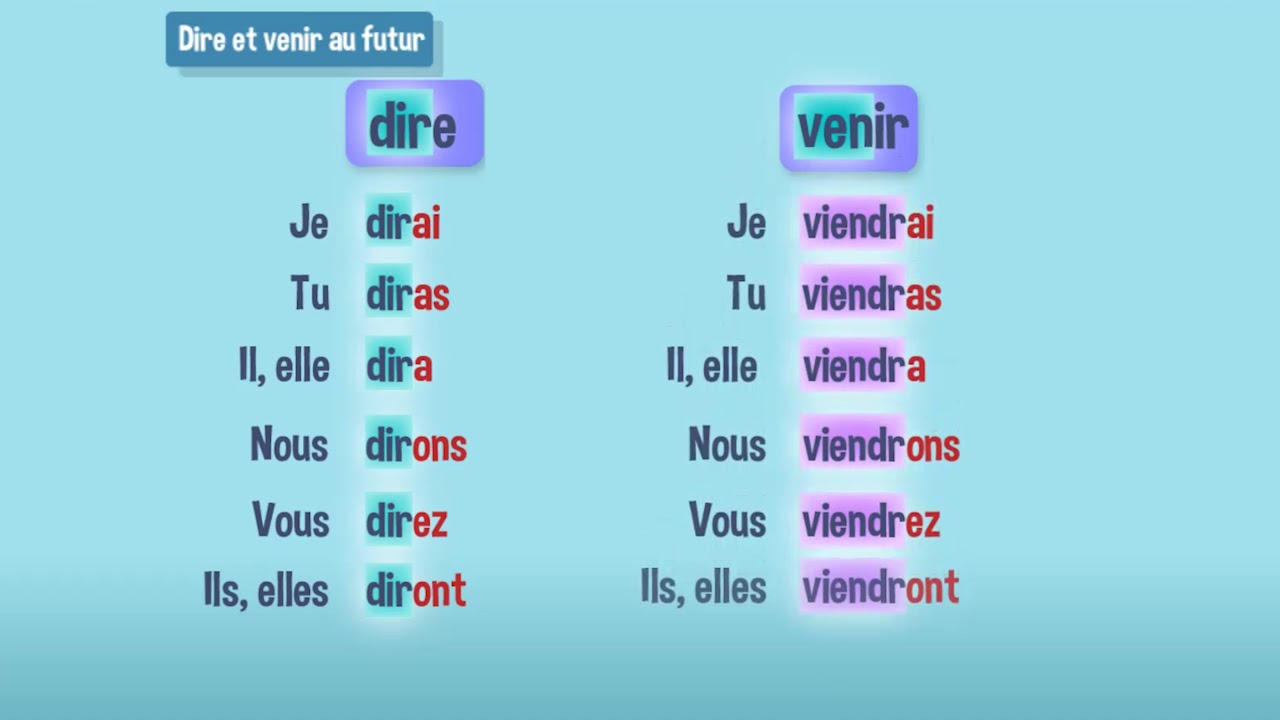
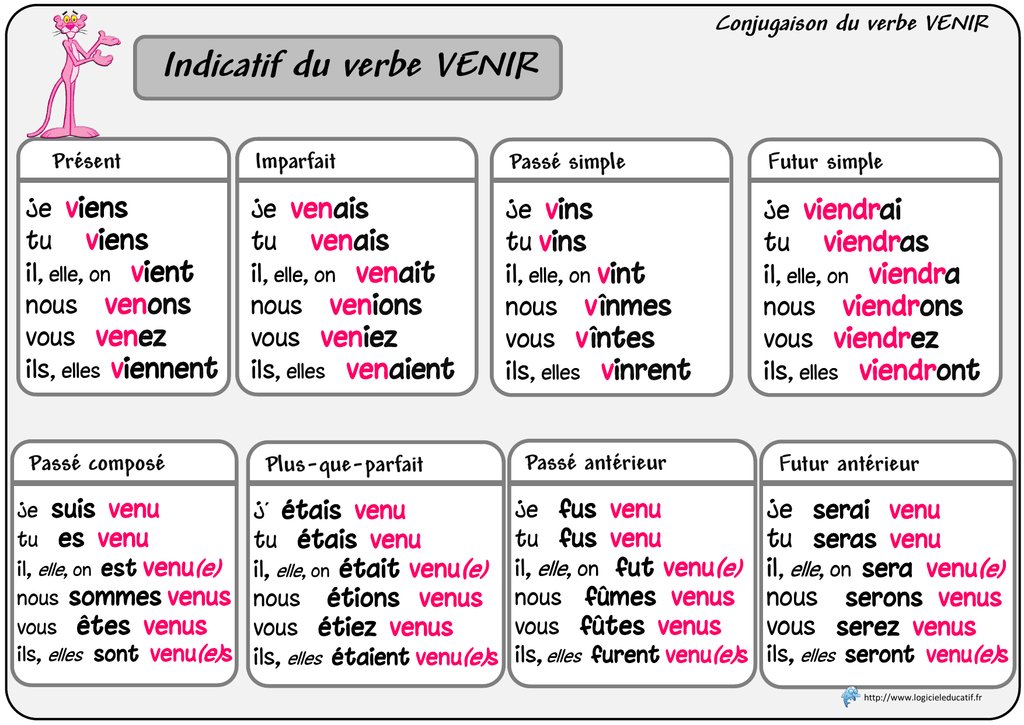
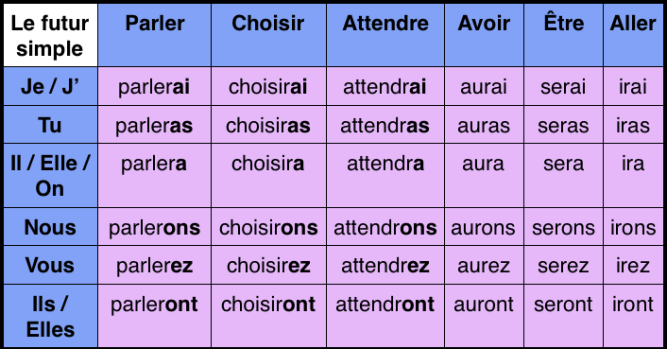
Here's the breakdown. The stem for the Futur Simple of "Venir" is "viendr-". Then, you just add the appropriate endings:
- Je viendrai (I will come)
- Tu viendras (You will come)
- Il/Elle/On viendra (He/She/One will come)
- Nous viendrons (We will come)
- Vous viendrez (You will come – formal/plural)
- Ils/Elles viendront (They will come)
See? Not so scary! Practice saying them out loud a few times. Imagine yourself saying "Je viendrai à Paris!" (I will come to Paris!). Already feeling more français, non?
When to Use "Venir" au Futur Simple
Now, let's get practical. When do we actually use this marvelous tense? Here are a few scenarios:
![Venir Futur Simple Conjugation [+11 Examples] | Language Atlas](https://languageatlas.com/wp-content/uploads/2021/02/Venir-Futur-Simple-1.jpg)
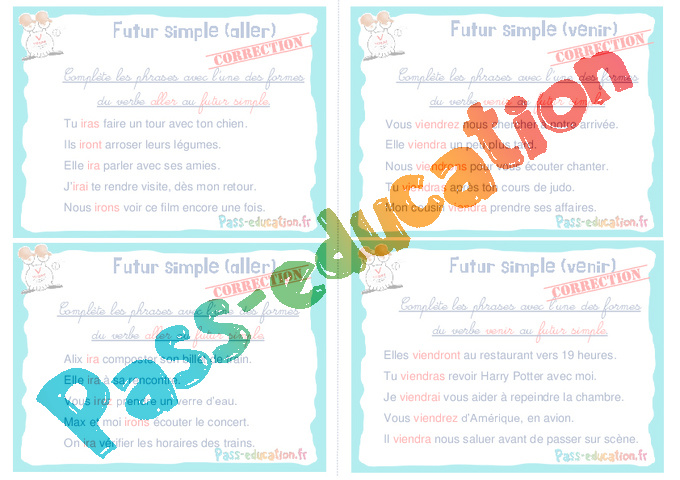
- Making Plans: "Je viendrai te voir la semaine prochaine" (I will come to see you next week). This is perfect for arranging coffee dates, weekend getaways, or plotting world domination (kidding... mostly).
- Expressing Certainty About the Future: "Le printemps viendra toujours après l'hiver" (Spring will always come after winter). A little philosophical, but you get the idea. It expresses something that is sure to happen.
- Making Promises: "Je viendrai t'aider à déménager" (I will come help you move). Important: Only make promises you intend to keep! Nobody likes a flaky friend, especially not in France.
- Predictions (with a touch of formality): "Le progrès technologique viendra transformer nos vies" (Technological progress will transform our lives). Sounds much more profound than saying "technology will change things," doesn't it?
Spice Up Your French: Beyond the Basics
Okay, so you know how to conjugate "Venir" in the Futur Simple. Bravo! But let's add a bit of flair. Here are some variations and related expressions to elevate your French game:
- "Venir de" + Infinitive (Past Immediate): While not the Futur Simple, it’s related to "Venir" and super useful. It means "to have just done something." Example: "Je viens de manger" (I just ate).
- "Venir à l'esprit" (To come to mind): "Une idée me viendra peut-être demain" (An idea might come to me tomorrow). This idiom adds a touch of poetic nuance.
- "En venir aux faits" (To get down to business): "Nous viendrons aux faits après le café" (We will get down to business after coffee). Because, let's be honest, coffee is essential.
Cultural Snapshot: "Venir" in French Culture
"Venir" isn't just a verb; it's woven into the fabric of French culture. Think of the importance of gatherings, of l'apéritif, of shared meals. These occasions often revolve around the act of "coming" together. The simple act of announcing "Je viendrai" (I will come) implies a commitment to connection, to community, to shared experiences. It's about more than just arriving; it's about participating in the social tapestry.

Consider also how French people value punctuality (or at least the idea of punctuality). Saying "Je viendrai à l'heure" (I will come on time) is a sign of respect. Even if you're secretly running late, the intention is what matters (within reason, of course!).
Pro Tip: Don't Forget the "Ne...Pas" Sandwich!
To make a sentence negative in French, you typically sandwich the verb with "ne...pas." For the Futur Simple, it's the same. "Je ne viendrai pas" (I will not come). Crucial for those times you can't make it to that soirée.

For example:
- Je ne viendrai pas à ta fête ce soir, je suis malade. (I will not come to your party tonight, I am sick.)
- Elle ne viendra pas avec nous au restaurant, elle a déjà mangé. (She will not come with us to the restaurant, she already ate.)
The Power of Prediction: "Venir" and Your Day-to-Day Life
Think about how often you talk about the future, even in small ways. "Je viendrai te chercher à la gare" (I will come pick you up at the train station). "Nous viendrons diner chez vous bientôt" (We will come to dinner at your place soon). Mastering "Venir" in the Futur Simple isn't just about grammar; it's about confidently navigating social interactions, making plans, and expressing your intentions with clarity and grace.
So, the next time you find yourself planning a trip, making a promise, or simply envisioning what's to come, remember the power of "Venir" au Futur Simple. It's a small phrase with a big impact. Now go forth and predict your future with confidence! And remember: "Le meilleur reste à venir" (The best is yet to come!).
![Le Verbe Venir - [ppt Powerpoint] 42D](https://i.ytimg.com/vi/E5QI2BlW6iw/maxresdefault.jpg)






![Le Verbe Venir - [ppt Powerpoint] 42D](https://i.ytimg.com/vi/kwMM9Lzrx9U/maxresdefault.jpg)