Ah, le français! A language of love, art, and...combustion? Okay, maybe not the first thing that springs to mind, but bear with me. Today, we're diving into a fascinating (and surprisingly relevant) concept: Qu'est-ce qu'un comburant?, or, what is an oxidizer?
Understanding the Basics: Le Feu et Ses Amis
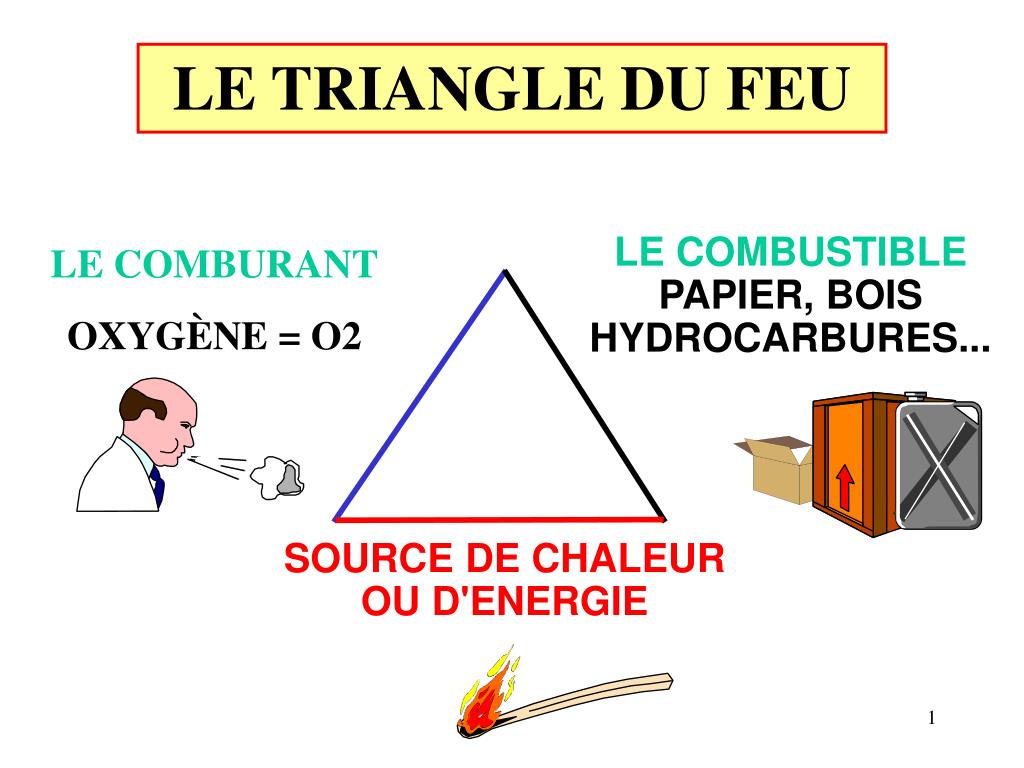
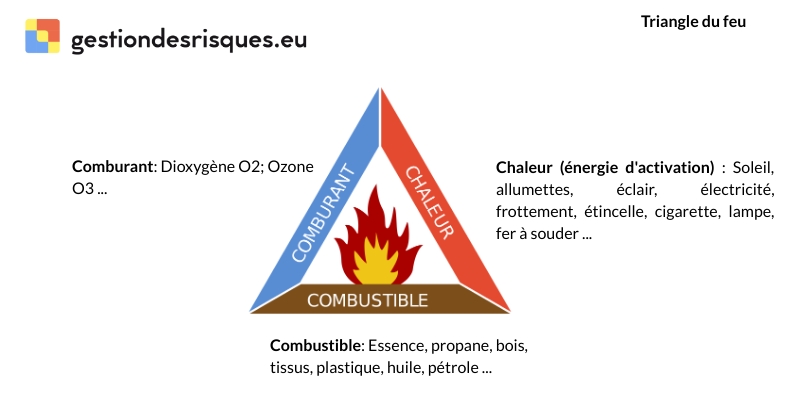
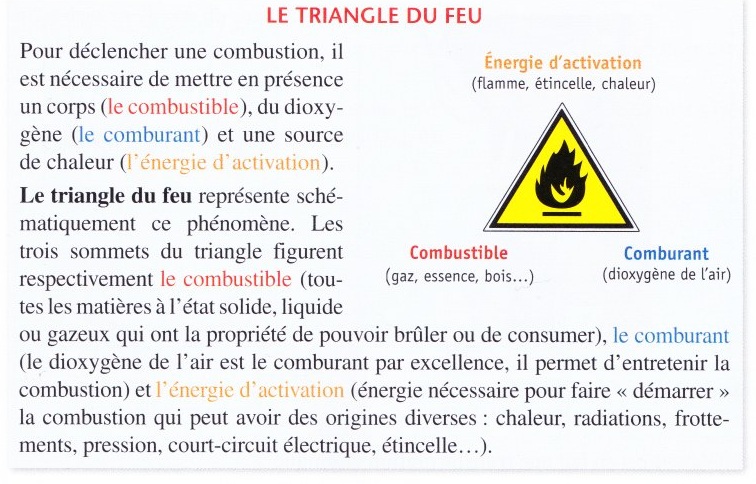
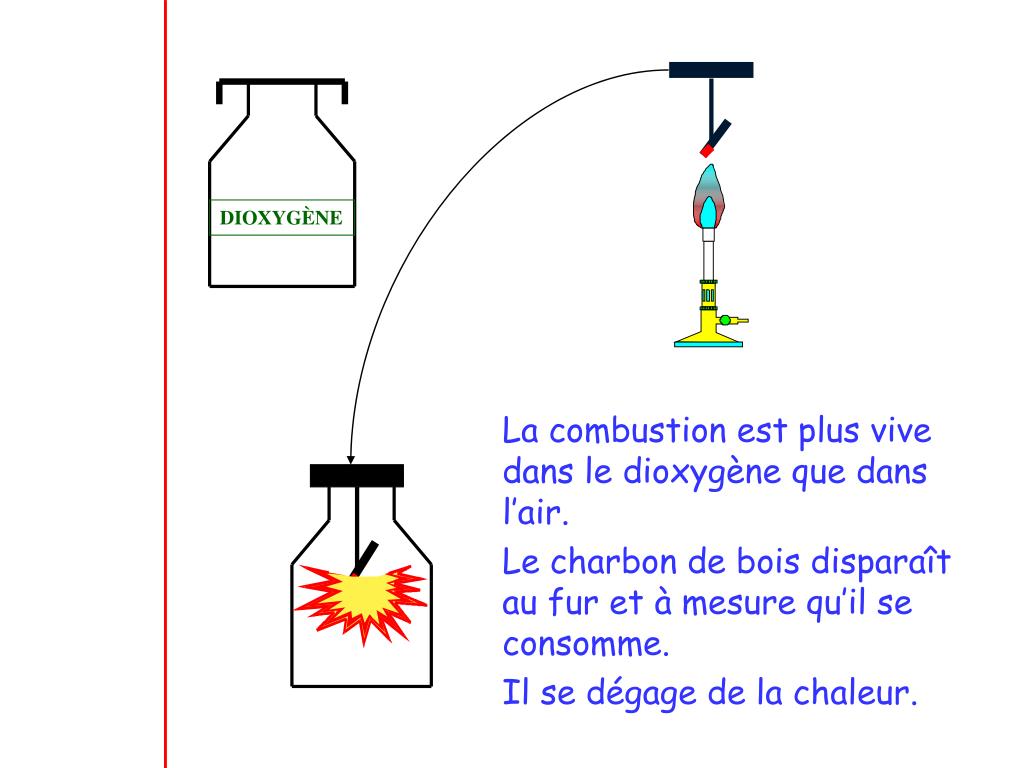
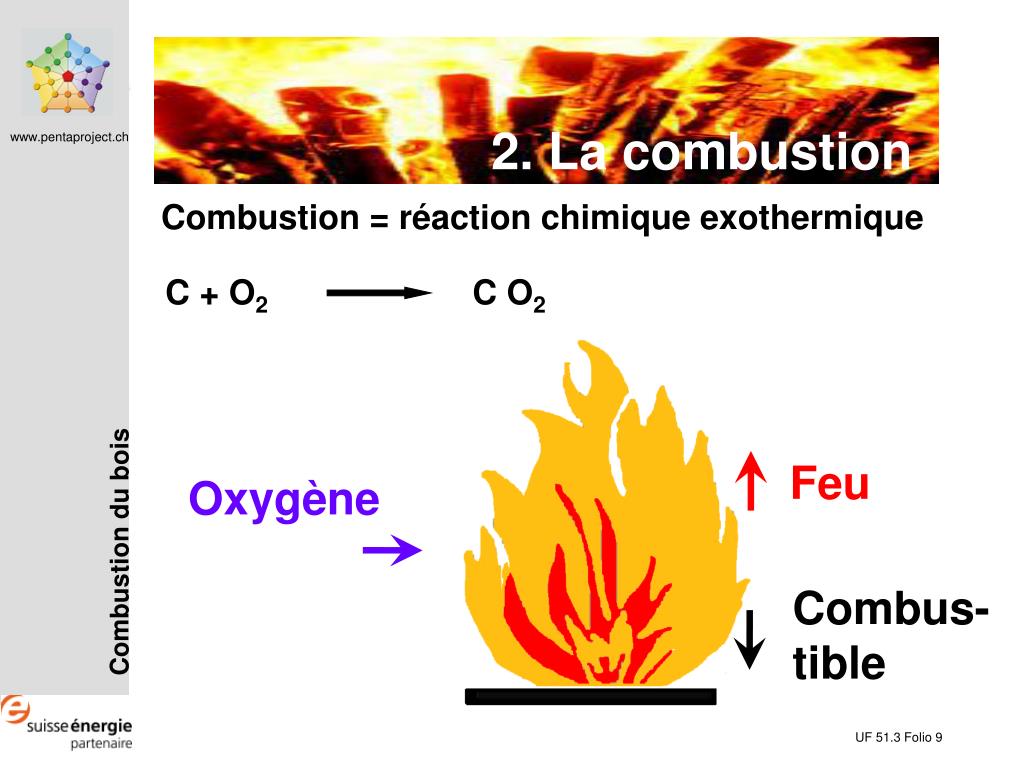
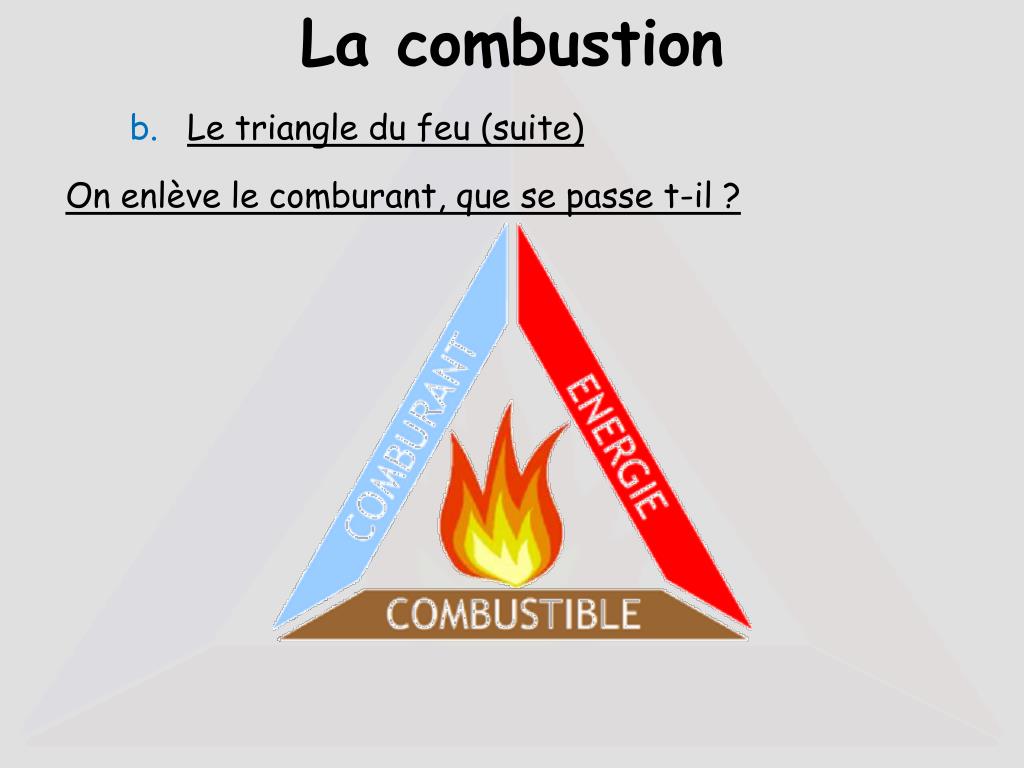
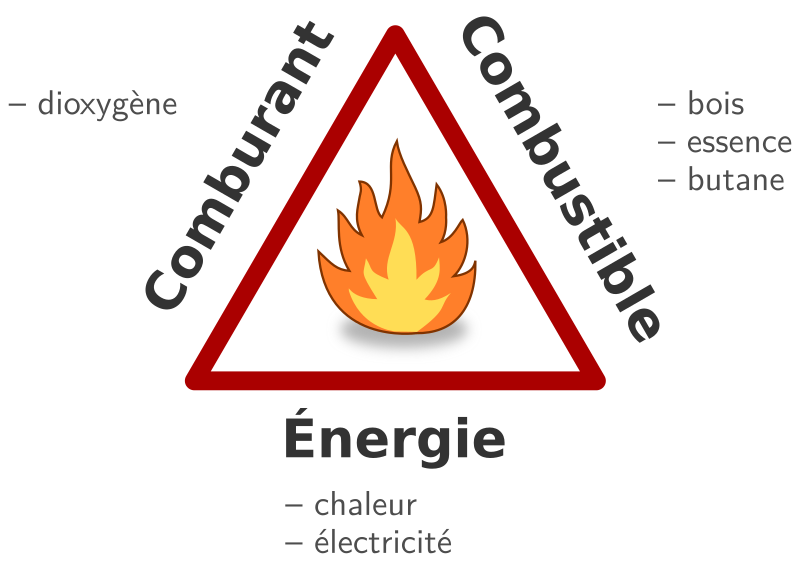
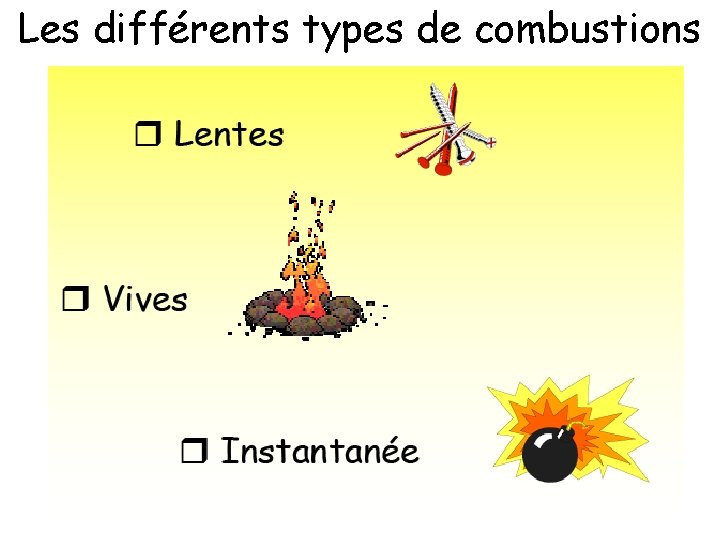
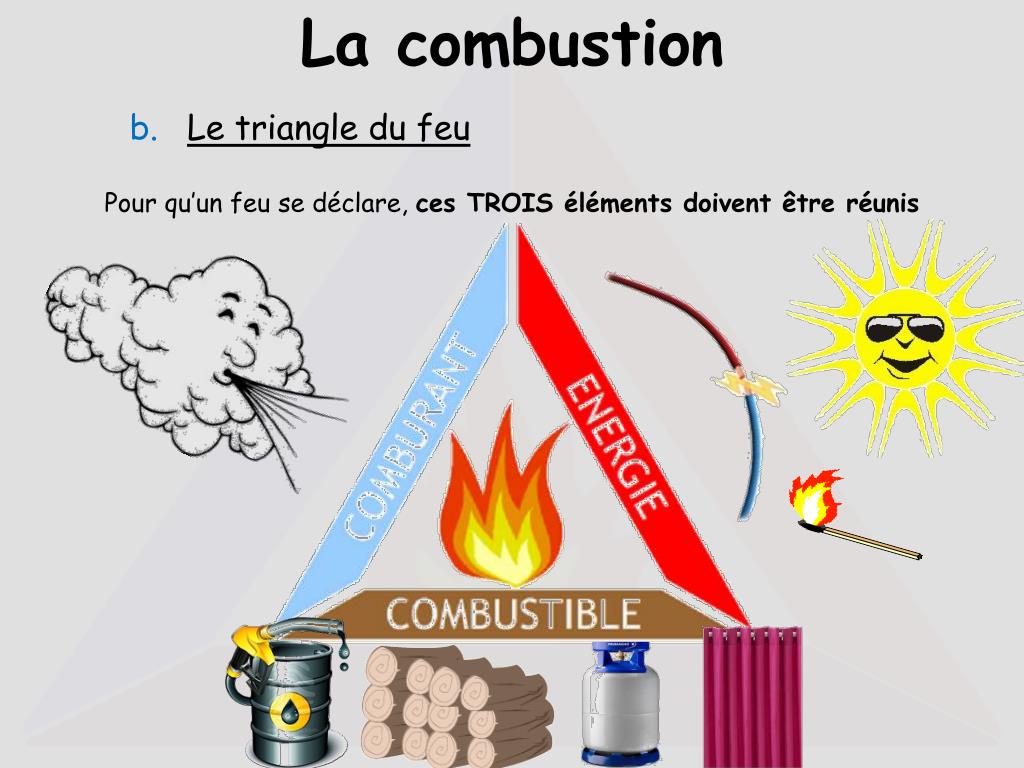
Think of a romantic campfire, crackling merrily under the stars. What do you need for that fire to exist? We all know it: fuel, heat and... something else. That something else is our star of the show: the oxidizer, or comburant in French.
Simply put, a comburant is a substance that supports combustion. It's the partner-in-crime to the fuel, allowing it to burn. Without it, no fire, no warmth, no perfectly toasted marshmallows. Triste, n'est-ce pas?
Now, let's get a bit more technical (but don't worry, we'll keep it light):
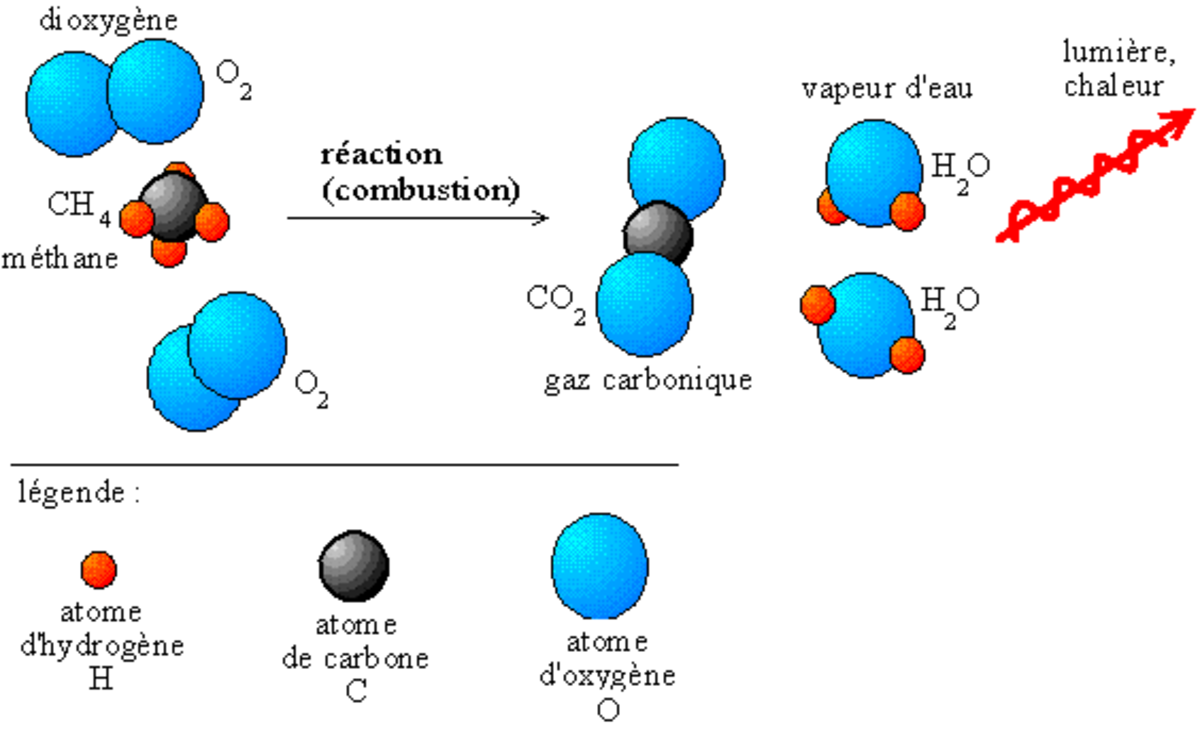
- A comburant is a chemical that accepts electrons during a redox reaction.
- It’s often an oxidizing agent, meaning it causes another substance to lose electrons.
- This electron exchange releases energy, which we perceive as heat and light – voilà, fire!
The Usual Suspects: Oxygen and Beyond
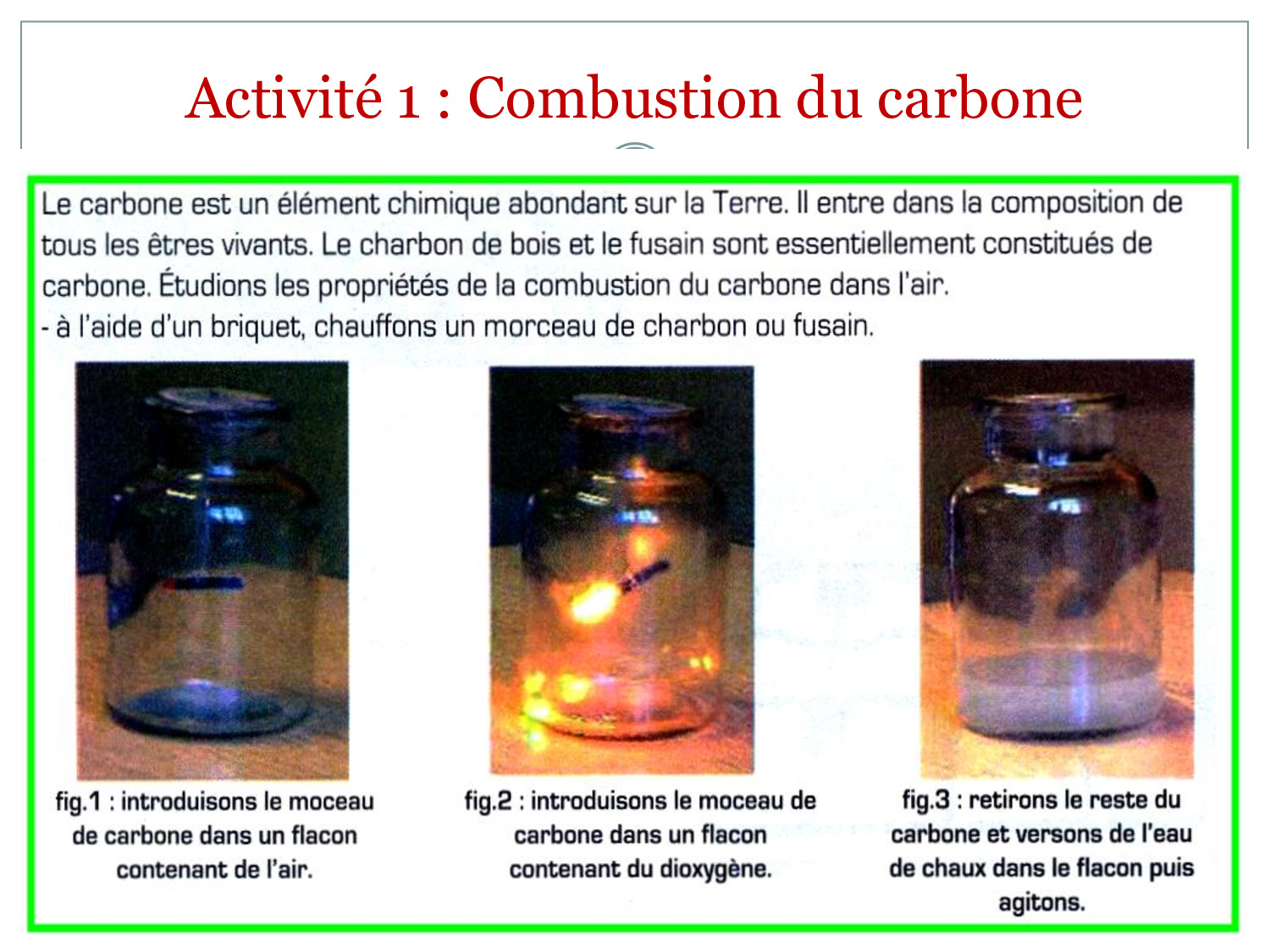
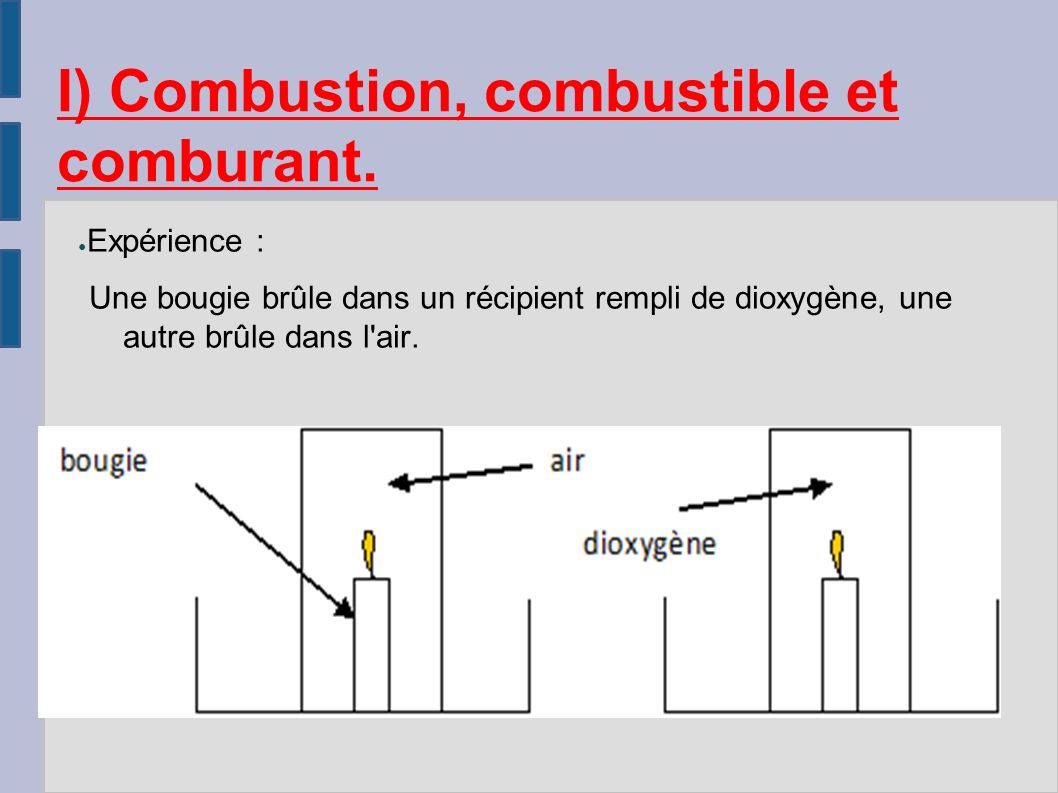
The most common and familiar comburant is, of course, oxygen (O2). It's the air we breathe, the stuff that makes up about 21% of our atmosphere, and the reason why our fireplaces (and our internal combustion engines) work. Oxygen is so ubiquitous that we often take it for granted. Imagine trying to light a match in a vacuum!
But oxygen isn't the only player in the oxidizer game. There are other substances that can also support combustion, albeit less commonly encountered in everyday life. Think of it like choosing between a baguette and a croissant – both are delicious, but they serve different purposes.
Here are a few other notable comburants:
- Ozone (O3): A more reactive form of oxygen, found in the upper atmosphere. It's a powerful oxidizer used in water purification and other industrial processes.
- Chlorine (Cl2): A greenish-yellow gas with a pungent odor. It's used in disinfection and bleaching, and can also act as a comburant in certain reactions.
- Nitrous oxide (N2O): Also known as laughing gas, it's used as an anesthetic and also as an oxidizer in rocket engines and high-performance vehicles. Think Fast & Furious, but with a scientific twist!
- Fluorine (F2): A highly reactive and corrosive gas. It's one of the strongest oxidizing agents known and is used in specialized applications like the production of uranium hexafluoride (used in nuclear fuel production). This one's definitely not for your home chemistry set!
Safety First: Handling Comburants Responsibly
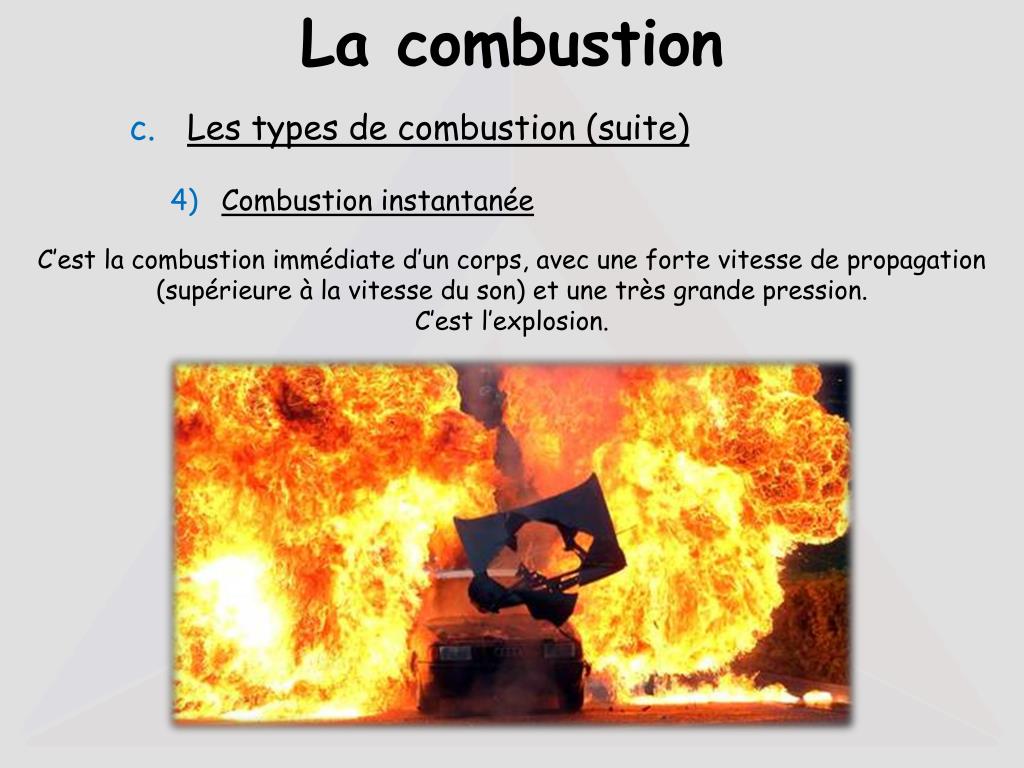
While the science of combustion is fascinating, it's essential to remember that comburants can be dangerous if not handled properly. Increased concentration of comburant leads to easily combustible and explosive environments.
Here are a few practical tips to keep in mind:
- Ventilation is Key: Always ensure adequate ventilation when working with combustible materials and potential oxidizers. This helps to prevent the build-up of flammable or explosive atmospheres.
- Storage Matters: Store oxidizers in designated areas, away from flammable materials and sources of ignition. Think separate shelves and clearly labeled containers.
- Read the Label: Always read and follow the safety instructions on the label of any chemical product. Knowledge is power (and safety!).
- Personal Protective Equipment (PPE): Wear appropriate PPE, such as gloves, goggles, and respirators, when handling oxidizers. Fashionable et functional!
- Avoid Contamination: Prevent oxidizers from coming into contact with incompatible materials, such as flammable liquids or organic substances. This can lead to unexpected and potentially dangerous reactions.
Comburants in Everyday Life: More Than You Think
Okay, so maybe you're not a chemist or a firefighter. But comburants play a role in your life, even if you don't realize it. Consider these examples:

- Your Car Engine: The internal combustion engine in your car relies on oxygen to burn gasoline, providing the power to get you from A to B. Vive la voiture!
- Household Cleaning Products: Many cleaning products, such as bleach (sodium hypochlorite), contain oxidizers that help to disinfect and remove stains.
- Food Preservation: Certain food preservation techniques, like canning, involve removing oxygen to prevent spoilage. This is why canned goods can last for so long.
- Medical Applications: Oxygen is used in hospitals to treat patients with respiratory problems. It's also used in hyperbaric chambers to treat certain medical conditions.
Fun Fact: La Statue de la Liberté et l'Oxydation
Speaking of oxygen, did you know that the Statue of Liberty is green because of oxidation? The statue is made of copper, which reacts with oxygen in the air to form a layer of copper oxide, giving it that iconic green hue. It's a beautiful example of a comburant (oxygen) at work, albeit in a slow and controlled manner.
A Final Thought: Fire Within and Without
The concept of a comburant might seem like a dry scientific term, but it highlights a fundamental aspect of our world: the power of interaction and transformation. Whether it's the roaring flames of a bonfire or the subtle chemical reactions happening inside our bodies (we need oxygen to "burn" food and produce energy, after all!), comburants are essential for life as we know it.
So, the next time you light a candle, start your car, or simply take a deep breath, remember the unsung hero of combustion – the comburant. It's a reminder that even the simplest things often have a complex and fascinating story to tell. And remember, a little knowledge can go a long way, especially when it comes to fire safety. Now, go forth and appreciate the science that surrounds you – but please, don’t play with fire!